H.R. 925: Dismantle DEI Act of 2025
Sponsor

Michael Cloud
Republican · TX-27
H.R. 925 would dismantle federal DEI in 90 days
Why it matters
Federal agencies would get 90 days to close their DEI offices through layoffs, every federal contract over $10,000 would carry new anti-DEI terms, and anyone who spots a violation could sue and ask a court for at least $1,000 a day. With 108 cosponsors, H.R. 925 would move DEI policy out of executive orders and into federal law backed by private lawsuits.
H.R. 925 is a sweeping attempt to unwind DEI across the federal government and any institution that takes federal money. It starts by writing a definition of a "prohibited diversity, equity, or inclusion practice" into the Civil Rights Act of 1964, then applies that definition everywhere.
The clock is fast. Agencies would have 90 days after the bill becomes law to close covered DEI offices, and the Office of Personnel Management and the Office of Management and Budget would have 180 days to rewrite government-wide policy. When a position is eliminated, the bill says the agency must run a reduction in force rather than move the person into another role.
The reach goes well past federal agencies. Contracts over $10,000 would need new clauses, grant and cooperative-agreement recipients would have to promise not to spend federal funds on covered DEI offices or training, and accreditors would have to certify that their standards don't pressure schools into practices the bill prohibits.
The bill also names specific programs for repeal. It would scrap the Offices of Minority and Women Inclusion created under the Dodd-Frank Act, eliminate the Defense Department's chief diversity officer and diversity-in-leadership program, and strike DEI provisions tied to Homeland Security, the Coast Guard, and the intelligence community.
Enforcement is where the bill has teeth. Any person who alleges a violation can file suit in federal court, and if they win, the court may award attorney's fees, compensatory damages, and a minimum of $1,000 per violation per day. Historically Black Colleges and Universities are expressly exempt from the grant funding restrictions.
Bill Progress
Latest Action · Feb 4, 2025
Referred to Oversight and Government Reform, and in addition to the Committees on the Judiciary, Education and Workforce, Armed Services, Foreign Affairs, Financial Services, Energy and Commerce, Transportation and Infrastructure, and Intelligence (Permanent Select), for a period to be subsequently determined by the Speaker, in each case for consideration of such provisions as fall within the jurisdiction of the committee concerned. for review
H.R. 925 Bill Summary
What H.R. 925 actually does.
Federal DEI offices close within 90 days
Agencies would have 90 days after enactment to shut down covered DEI offices and programs. Employees in eliminated roles would have to be let go through a reduction in force, not transferred or renamed into other jobs.
Federal money stops paying for covered trainings
Federal funds could not be used for training related to diversity, equity, inclusion, accessibility, critical theory, intersectionality, sexual orientation, or gender identity, across agencies, contractors, and grant recipients.
Contracts over $10,000 get new anti-DEI terms
Federal contracts above $10,000 would have to bar work performed by contractors or subcontractors subject to the bill's prohibited DEI practices, pulling many prime contractors and their subcontractors into the compliance net.
Grant and college funding comes with conditions
Most grant and cooperative-agreement recipients would have to agree not to spend federal funds on covered DEI offices or training, and accreditors would have to certify their standards don't coerce schools into prohibited practices. HBCUs are exempt from the grant restrictions.
Named programs get repealed outright
The bill would repeal the Dodd-Frank Offices of Minority and Women Inclusion, the Defense Department's chief diversity officer and diversity-in-leadership program, and DEI provisions tied to Homeland Security, the Coast Guard, and the intelligence community.
Anyone can sue, with $1,000-a-day damages on the table
The bill creates a private cause of action: any person alleging a violation can sue in federal court. If they prevail, the court may award attorney's fees, compensatory damages, and a minimum of $1,000 per violation per day.
Who benefits from H.R. 925?
Workers who object to required trainings or statements
If you're asked to complete training or sign a statement the bill defines as a prohibited practice, H.R. 925 is written to block that in covered federal settings and federally funded programs.
People who want to sue over alleged violations
The bill lets any person file suit in federal court over an alleged violation, and a winning plaintiff could recover attorney's fees, compensatory damages, and at least $1,000 per violation per day.
Contractors that don't run DEI programs
Companies that already avoid the practices the bill targets may find it easier to certify compliance when bidding on federal contracts over $10,000.
Historically Black Colleges and Universities
HBCUs are singled out for an exemption from the bill's grant funding restrictions, so they wouldn't face the same federal grant conditions as other schools and recipients.
Who is affected by H.R. 925?
Federal DEI staff and office leadership
If your job sits in a covered DEI office, the bill points toward closure within 90 days, and it says agencies must use layoffs rather than reassignment for eliminated positions.
Agencies rewriting internal policy
Agencies would have to close offices, rescind programs tied to listed executive actions, and stop funding employee resource groups, equity teams, data dashboards, and other covered initiatives on a 90-to-180-day clock.
Colleges, accreditors, and grant recipients
Schools and other recipients of federal money would face new grant conditions, and accreditors would have to review whether their standards pressure institutions into practices the bill prohibits.
Federal contractors and subcontractors
If you do federal contract work above $10,000, new clauses and compliance expectations could affect hiring, training, internal policy, and subcontracting relationships.
HR925 Legislative Journey
House: Committee Action
Feb 4, 2025
Referred to the Committee on Oversight and Government Reform, and in addition to the Committees on the Judiciary, Education and Workforce, Armed Services, Foreign Affairs, Financial Services, Energy and Commerce, Transportation and Infrastructure, and Intelligence (Permanent Select), for a period to be subsequently determined by the Speaker, in each case for consideration of such provisions as fall within the jurisdiction of the committee concerned.
About the Sponsor
Michael Cloud
Republican, Texas's 27th congressional district · 8 years in Congress
Committees: Oversight and Government Reform, Appropriations
View full profile →
Cosponsors (109)
All 109 cosponsors are Republicans. Cosponsors represent 34 states: Alabama, Arizona, Colorado, and 31 more.
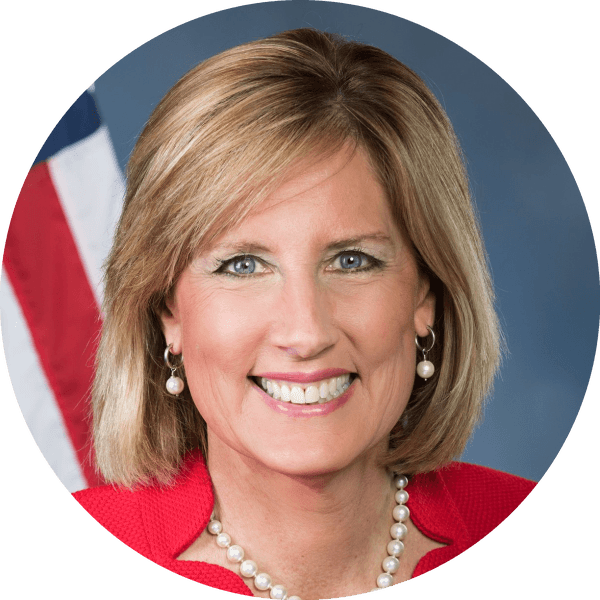
Claudia Tenney
Republican · NY

Harriet Hageman
Republican · WY
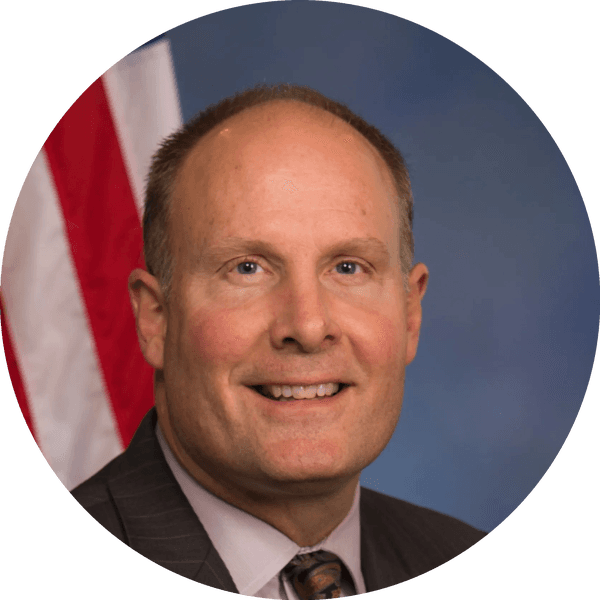
John Moolenaar
Republican · MI

Scott Fitzgerald
Republican · WI
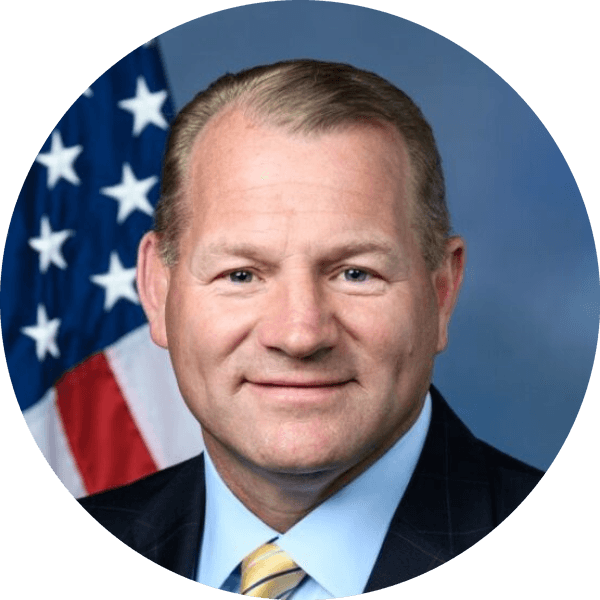
Troy Nehls
Republican · TX

Brad Finstad
Republican · MN
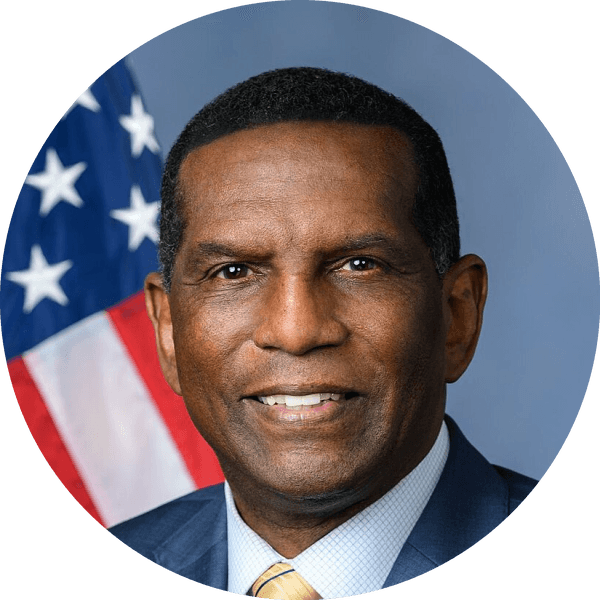
Burgess Owens
Republican · UT
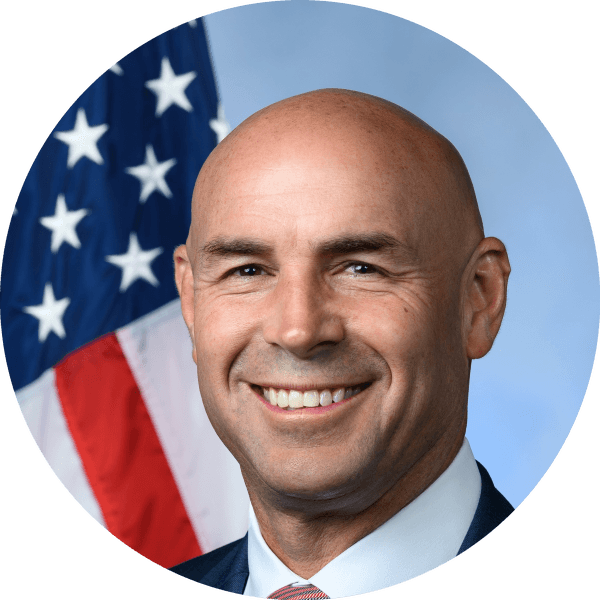
Jake Ellzey
Republican · TX

Charles Fleischmann
Republican · TN

Gus Bilirakis
Republican · FL

Richard Hudson
Republican · NC

Paul Gosar
Republican · AZ
Cosponsor Coverage Map
Committee Sponsors
Intelligence (Permanent Select) Committee
6 of 27 committee members cosponsored


Transportation and Infrastructure Committee
17 of 67 committee members cosponsored


Energy and Commerce Committee
18 of 54 committee members cosponsored


Financial Services Committee
13 of 53 committee members cosponsored


Foreign Affairs Committee
12 of 53 committee members cosponsored


Armed Services Committee
13 of 57 committee members cosponsored


Education and Workforce Committee
12 of 37 committee members cosponsored


Judiciary Committee
19 of 44 committee members cosponsored


Oversight and Government Reform Committee
19 of 47 committee members cosponsored


81 Republicans across these committees haven't cosponsored yet. Mobilize their constituents
What laws does H.R. 925 change?
7 changes
Sections Amended
Section 8527 of Elementary and Secondary Education Act of 1965 (20 U.S.C. 7907)
adding at the end the following: ``(e) Prohibition; Rules of Construction
Section 701 of Civil Rights Act of 1964 (42 U.S.C. 2000e)
adding at the end of subsection (f) the following: ``The term `employee' includes any person who serves on a board of directors of an issuer that has a registration statement in effect as to a security under the Securities Act of 1933 and is compensated by the issuer
Section 15A of Securities Exchange Act of 1934 (15 U.S.C. 78o-3)
adding at the end the following: ``(o) Prohibited Diversity, Equity and Inclusion Practices
Sections Repealed
1319A of Federal Housing Enterprises Financial Safety and Soundness Act of 1992 (12 U.S.C. 4520)
342 of Dodd-Frank Wall Street Reform and Consumer Protection Act (12 U.S.C. 5452)
821 of Public Health Service Act (42 U.S.C. 296m)
37 of such title is amended by striking the item relating to section 656. SEC. 705. DEPARTMENT OF HOMELAND SECURITY AND COAST GUARD. (a) In General.--Paragraph (3) of section 845(c) of the Homeland Security Act of 2002 (6 U.S.C. 415(c))
H.R. 925 Quick Facts
- Committee
- Intelligence (Permanent Select)
- Chamber
- House
- Policy
- Civil Rights and Liberties, Minority Issues
- Introduced
- Feb 4, 2025
Referred to Oversight and Government Reform, and in addition to the Committees on the Judiciary, Education and Workforce, Armed Services, Foreign Affairs, Financial Services, Energy and Commerce, Transportation and Infrastructure, and Intelligence (Permanent Select), for a period to be subsequently determined by the Speaker, in each case for consideration of such provisions as fall within the jurisdiction of the committee concerned. for review
Feb 4, 2025
Official Sources
The official Congress.gov page provides the bill text, status, sponsors, committees, and actions for H.R. 925.
The bill requires agencies to eliminate covered DEI positions through a reduction in force rather than reassignment, the process OPM governs here.
OMB is specifically tasked in the bill with rewriting government-wide policy within 180 days of enactment.
The bill would add anti-DEI terms to federal contracts over $10,000, making the FAR the key official source for contracting clauses.
Federal contractors and subcontractors register and bid through SAM, where new compliance conditions tied to contracting would surface.
The bill targets federal advisory committees and councils; GSA is the official secretariat governing committees under the Federal Advisory Committee Act.
The bill rewrites discrimination-related personnel and workplace rules, an area where the EEOC provides official federal guidance and enforcement.
The bill would repeal the Dodd-Frank provision that created the Offices of Minority and Women Inclusion at financial regulators, including this SEC office.
H.R. 925 Common Questions
How fast would H.R. 925 shut down federal DEI offices?
Fast. Agencies would get 90 days after the bill becomes law to close covered DEI offices and programs. OPM and OMB would then have 180 days to rewrite government-wide policy to match.
What does H.R. 925 actually ban?
It writes a definition of a "prohibited DEI practice" into civil rights law, covering certain hiring, trainings, and required statements tied to race, sex, religion, national origin, and related concepts. That definition then applies across agencies, contracts, grants, and schools.
Can someone sue under H.R. 925?
Yes. The bill creates a private cause of action: any person alleging a violation can sue in federal court. If they win, the court may award attorney's fees, compensatory damages, and a minimum of $1,000 per violation per day.
Would H.R. 925 affect federal contracts over $10,000?
Yes. Contracts above $10,000 would have to include terms blocking work by contractors or subcontractors that are subject to the DEI practices the bill prohibits.
Could agencies reassign DEI staff instead of laying them off?
No. If a position is eliminated under the bill's office-closure rules, the agency must run a reduction in force. It can't transfer, reassign, or rename those employees into other roles.
Are colleges and universities covered by H.R. 925?
Often, yes. Schools that take federal grants or work with accreditors could be hit by new funding conditions and accreditation rules tied to the bill's definition of prohibited DEI practices.
Are HBCUs exempt from the grant restrictions in H.R. 925?
Yes. The bill expressly exempts Historically Black Colleges and Universities from its federal grant funding restrictions.
Does H.R. 925 touch the military or financial regulators?
Yes. The bill would repeal the Defense Department's chief diversity officer and diversity-in-leadership program, and scrap the Dodd-Frank Offices of Minority and Women Inclusion at financial regulators.
Based on H.R. 925 bill text
H.R. 925 Bill Text
“To ensure equal protection of the law, to prevent racism in the Federal Government, and for other purposes.”
Source: U.S. Government Publishing Office
Get notified when H.R. 925 moves
Committee votes, floor action, cosponsor changes — straight to your inbox.
Bill alerts + Legisletter's monthly briefing. Unsubscribe anytime.
Civil Rights and Liberties, Minority Issues Bills
7 related bills we're tracking
Equality Act


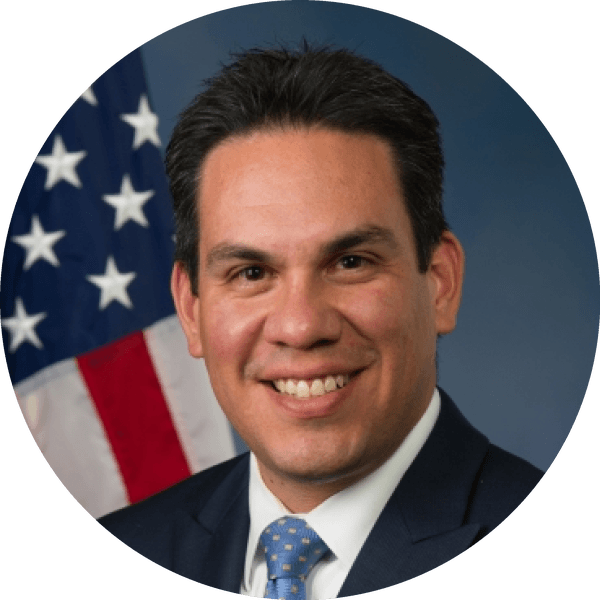


Referred to the Committee on the Judiciary, and in addition to the Committees on Education and Workforce, Financial Services, House Administration, and Oversight and Government Reform, for a period to be subsequently determined by the Speaker, in each case for consideration of such provisions as fall within the jurisdiction of the committee concerned.
Apr 29, 2025
Congressional Tribute to Constance Baker Motley Act of 2025


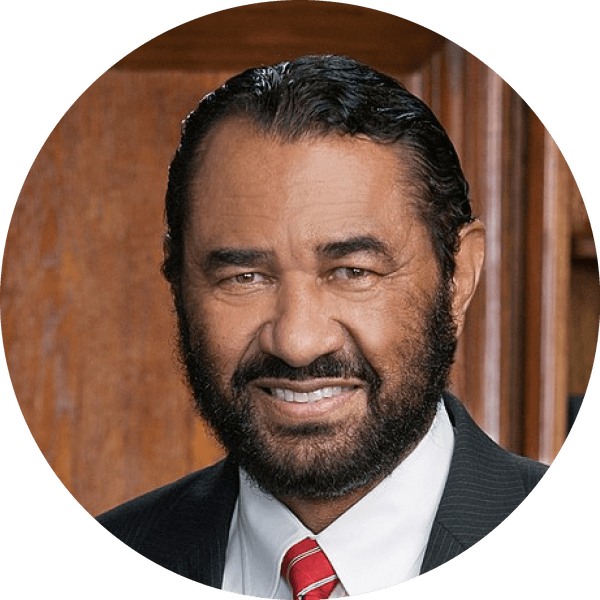

Referred to the House Committee on Financial Services.
Sep 11, 2025
Ensuring Women’s Right to Reproductive Freedom Act

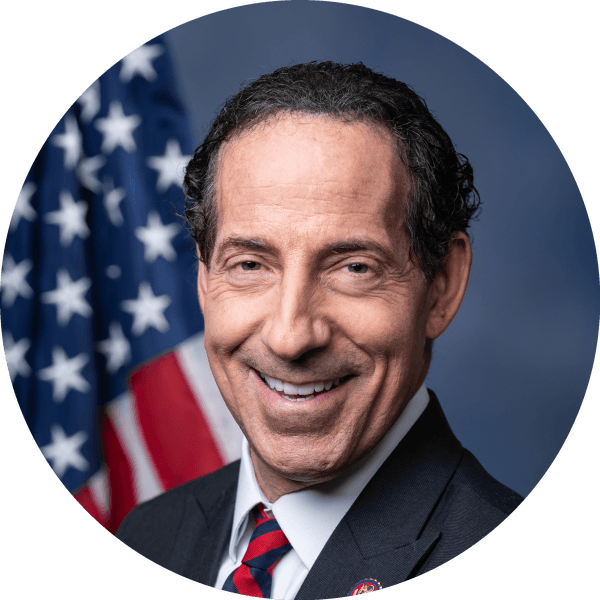

Referred to the House Committee on Energy and Commerce.
Jun 24, 2025
Do No Harm Act




Referred to the House Committee on the Judiciary.
Mar 6, 2025
To award a Congressional Gold Medal to the Freedom Riders, collectively, in recognition of their unique contribution to Civil Rights, which inspired a revolutionary movement for equality in interstate travel.




Referred to the Committee on Financial Services, and in addition to the Committee on House Administration, for a period to be subsequently determined by the Speaker, in each case for consideration of such provisions as fall within the jurisdiction of the committee concerned.
Feb 4, 2025
Commission to Study and Develop Reparation Proposals for African Americans Act



Referred to the House Committee on the Judiciary.
Jan 3, 2025
Life at Conception Act



Referred to the House Committee on the Judiciary.
Jan 24, 2025
Trending Right Now
Bills gaining momentum across Congress
North Platte Canteen Congressional Gold Medal Act



Referred to the House Committee on Financial Services.
Feb 21, 2025
Fit to Serve Act




Referred to the House Committee on Armed Services.
May 21, 2025
ASAP Act



Ordered to be Reported in the Nature of a Substitute by the Yeas and Nays: 40 - 0.
Sep 16, 2026
Tracking Civil Rights and Liberties, Minority Issues in Congress? Monitor bills, track cosponsor momentum, and launch advocacy campaigns — all from one advocacy platform.