H.R. 4099: Ensuring Women’s Right to Reproductive Freedom Act
Sponsor

Lizzie Fletcher
Democrat · TX-7
Your home state's reach would stop at the state line
Why it matters
H.R. 4099 is built around one rule: the law of the state where you are standing is the law that counts. It would bar anyone acting under state authority — including, by the bill's own definition, private individuals a state law deputizes to enforce it — from punishing you for crossing a state line for abortion care that is legal where you receive it, or from going after whoever helped you get there. Anyone harmed could sue in federal court for damages. 145 House members have signed on.
H.R. 4099 runs two sections. It legalizes nothing, funds nothing, and takes no position on when abortion should be available anywhere. What it writes is a boundary: no one acting under state authority may prevent, restrict, impede, or retaliate against five specific things.
Those five are a provider treating a patient who lives in another state, anyone assisting that provider, a person crossing a state line to obtain care, anyone helping with that trip, and the movement of FDA-approved abortion drugs in interstate commerce. The test in each case is the same. The law that governs is the law of the state where the care actually happens, not the law of the state the patient came from.
One of the five carries a condition. Help given to a provider is protected only if that help does not itself break the law of the state where the care is delivered. Travel, and helping someone travel, carry no such condition in the text.
The bill also says who can be sued, and it reaches further than state employees. It covers any person acting under color of state law, and specifies that this includes anyone a state law permits to implement or enforce it. That language is written to reach private individuals a state has authorized to bring enforcement suits, not only officials on a state payroll.
Enforcement runs on two tracks that pay out differently. The Attorney General could sue only for court orders — a declaration that the conduct is unlawful and an injunction stopping it. A private person harmed by a violation could seek those same orders plus compensatory damages, including economic losses and emotional pain and suffering. The fee provision runs one direction: attorney's fees and costs are available to a prevailing plaintiff.
The word state is defined wide. It pulls in D.C., Puerto Rico, the U.S. Virgin Islands, American Samoa, Guam, the Northern Mariana Islands, each Indian tribe, and every other U.S. territory or possession. A severability clause keeps the rest of the bill standing if a court strikes any single piece, and a closing rule says nothing in the bill narrows the existing right to travel or the Attorney General's existing authority to protect it.
Bill Progress
Latest Action · Jun 24, 2025
Referred to the House Committee on Energy and Commerce.
H.R. 4099 Bill Summary
What H.R. 4099 actually does.
The state where the care happens sets the rule
The bill's organizing principle. If an abortion service is lawful in the state where it is provided, state actors elsewhere could not prevent, restrict, impede, or retaliate over it.
Crossing a state line is protected on its own
Travel across a state line to obtain care that is lawful at the destination is one of the five protected categories, and the bill attaches no conditions to it.
Whoever gets you there is covered
The bill separately protects any person or entity assisting someone who travels across a state line for lawful abortion care — a category broad enough to cover relatives, drivers, and organizations.
Clinics can treat patients who live elsewhere
A provider's ability to provide, initiate, or enable a lawful abortion service for a nonresident patient is protected. The bill's definition of health care provider names physicians, certified nurse-midwives, nurse practitioners, physician assistants, and pharmacists.
Help given to a provider comes with a condition
Assistance to a provider is protected only if that assistance does not violate the law of the state where the service is delivered. It is the one protected category in the bill with a limit written into it.
FDA-approved abortion drugs keep moving
The bill covers the movement in interstate commerce of any drug approved or licensed by the Food and Drug Administration for terminating a pregnancy, when that movement follows federal law and regulation.
Private enforcers are inside the definition
The prohibition applies to any person acting under color of state law, which the bill defines to include any person that a provision of state law permits to implement or enforce that law.
Two enforcement paths, two different remedies
The Attorney General could bring a civil action for declaratory and injunctive relief only. A private person harmed by a violation could seek that relief plus compensatory damages for economic losses and emotional pain and suffering, with attorney's fees available to a prevailing plaintiff.
Who benefits from H.R. 4099?
Patients traveling out of state for care
If you cross a state line for an abortion service that is legal where you receive it, the bill is written to stop your home state from blocking the trip or coming after you once you are back.
The people who make the trip possible
Relatives, friends, drivers, abortion funds, and organizations that arrange or pay for travel are protected as a distinct category, separate from the patient and separate from the clinic.
Providers and clinics seeing out-of-state patients
Physicians, certified nurse-midwives, nurse practitioners, physician assistants, and pharmacists named in the bill would have federal protection against another state targeting them for treating a nonresident.
Pharmacies and shippers handling abortion medication
Anyone moving an FDA-approved abortion drug across state lines in compliance with federal law and regulation falls inside the protected category covering interstate commerce.
People who have already been harmed
The private right of action lets someone injured by a violation sue for compensation, including for emotional pain and suffering — a remedy that does not depend on the Justice Department taking the case.
Who is affected by H.R. 4099?
State officials and agencies
Prosecutors, attorneys general, licensing boards, and agencies acting under state law would face federal suits if they block travel, penalize helpers, target providers, or interfere with covered medication shipments.
Private individuals a state deputizes to enforce its law
The bill defines its target to include anyone that state law permits to implement or enforce it, so a private person filing a state enforcement suit could be named as a defendant in federal court.
States, territories, and Tribal governments
The definition of state reaches D.C., Puerto Rico, the U.S. Virgin Islands, American Samoa, Guam, the Northern Mariana Islands, each Indian tribe, and every other U.S. territory or possession.
The Justice Department and the federal courts
The Attorney General would gain a new civil enforcement authority, and both federal and private suits would land in U.S. district courts, adding a category of interstate abortion litigation to their dockets.
HR4099 Legislative Journey
House: Committee Action
Jun 24, 2025
Referred to the House Committee on Energy and Commerce.
About the Sponsor
Lizzie Fletcher
Democrat, Texas's 7th congressional district · 7 years in Congress
Committees: Energy and Commerce
View full profile →
Cosponsors (145)
All 145 cosponsors are Democrats. Cosponsors represent 35 states: Alabama, Arizona, California, and 32 more.

Jamie Raskin
Democrat · MD

Marilyn Strickland
Democrat · WA

Gabe Amo
Democrat · RI

Yassamin Ansari
Democrat · AZ

Jake Auchincloss
Democrat · MA

Nanette Barragán
Democrat · CA
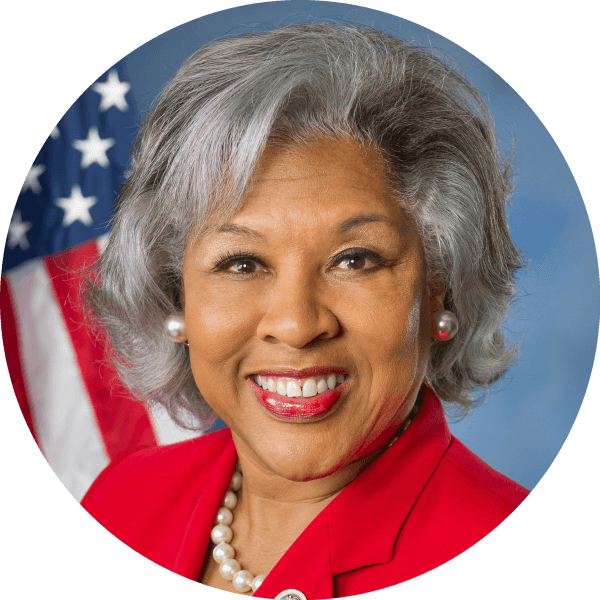
Joyce Beatty
Democrat · OH

Suzanne Bonamici
Democrat · OR

Shontel Brown
Democrat · OH
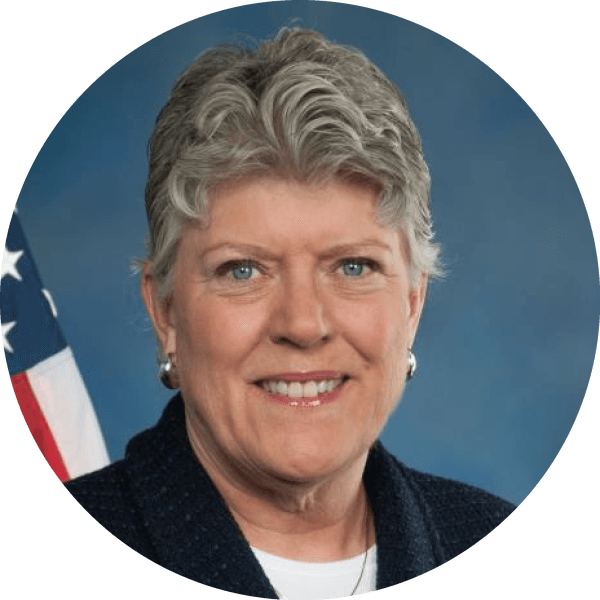
Julia Brownley
Democrat · CA

Nikki Budzinski
Democrat · IL

Janelle Bynum
Democrat · OR
Cosponsor Coverage Map
Committee Sponsors
Energy and Commerce Committee
19 of 54 committee members cosponsored


5 Democrats across this committee haven't cosponsored yet. Mobilize their constituents
H.R. 4099 Quick Facts
- Committee
- Energy and Commerce
- Chamber
- House
- Policy
- Civil Rights and Liberties, Minority Issues
- Introduced
- Jun 24, 2025
Referred to the House Committee on Energy and Commerce.
Jun 24, 2025
Official Sources
Official bill page for the Ensuring Women’s Right to Reproductive Freedom Act, with sponsors, cosponsor count, and action history.
Full text of the two sections cited throughout this analysis, including the five protected categories and the enforcement provisions.
Congress’s official annotation of the constitutional right to travel between states, the doctrine the bill’s travel protections rest on.
The existing federal statute for suing people acting under color of state law, the same phrase the bill uses to define who can be sued.
The definitions section the bill cites directly when it describes which drugs fall inside its interstate commerce protection.
FDA’s page on the approval and prescribing requirements for mifepristone, the drug most affected by the bill’s interstate shipping provision.
The office the bill would give new civil enforcement authority to, limited to declaratory and injunctive relief.
The committee the bill was referred to on introduction, where it currently sits without a hearing.
H.R. 4099 Common Questions
Can your state punish you for getting a legal abortion in another state?
H.R. 4099 says no. Anyone acting under state authority could not prevent, restrict, impede, or retaliate against you for crossing a state line to get abortion care that is legal where you receive it.
Does H.R. 4099 make abortion legal anywhere it is currently banned?
No. The bill does not legalize any abortion service or override any state's ban. It only protects care that is already lawful in the state where it is provided, and stops other states from reaching across the line to interfere.
Would the bill protect a friend who drives someone across state lines?
Yes. Assisting a person who travels across a state line for lawful abortion care is its own protected category in the bill, listed separately from the patient and from the clinic, with no conditions attached to it.
Are there limits on what kind of help is protected?
One. Help given to a provider is protected only if that help does not itself violate the law of the state where the care is delivered. Help with travel carries no such condition in the bill's text.
Who could actually be sued under H.R. 4099?
Any person acting under color of state law. The bill defines that to include anyone a provision of state law permits to implement or enforce it, so private individuals a state has authorized to bring enforcement suits are inside the definition, not just state officials.
What can you recover if a state interferes?
A person harmed could sue in federal court for orders stopping the conduct plus compensatory damages, including economic losses and emotional pain and suffering. Attorney's fees and costs are available to a plaintiff who wins.
What can the Attorney General do that a private person cannot?
Less, in one respect. The Attorney General could sue in federal court without waiting for anyone to come forward, but only for declaratory and injunctive relief. Damages are available only through a private suit.
Would abortion pills shipped across state lines be covered?
Yes. The bill protects the interstate movement of any drug approved or licensed by the Food and Drug Administration for terminating a pregnancy, as long as that movement complies with federal law and regulation.
Does H.R. 4099 apply in Puerto Rico, Guam, and on Tribal lands?
Yes. The bill defines state to include D.C., Puerto Rico, the U.S. Virgin Islands, American Samoa, Guam, the Northern Mariana Islands, each Indian tribe, and every other U.S. territory or possession.
Based on H.R. 4099 bill text
H.R. 4099 Bill Text
“To prohibit the interference, under color of State law, with the provision of interstate abortion services, and for other purposes.”
Source: U.S. Government Publishing Office
Get notified when H.R. 4099 moves
Committee votes, floor action, cosponsor changes — straight to your inbox.
Bill alerts + Legisletter's monthly briefing. Unsubscribe anytime.
Civil Rights and Liberties, Minority Issues Bills
7 related bills we're tracking
Equality Act


Referred to the Committee on the Judiciary, and in addition to the Committees on Education and Workforce, Financial Services, House Administration, and Oversight and Government Reform, for a period to be subsequently determined by the Speaker, in each case for consideration of such provisions as fall within the jurisdiction of the committee concerned.
Apr 29, 2025
Congressional Tribute to Constance Baker Motley Act of 2025



Referred to the House Committee on Financial Services.
Sep 11, 2025
Do No Harm Act




Referred to the House Committee on the Judiciary.
Mar 6, 2025
To award a Congressional Gold Medal to the Freedom Riders, collectively, in recognition of their unique contribution to Civil Rights, which inspired a revolutionary movement for equality in interstate travel.


Referred to the Committee on Financial Services, and in addition to the Committee on House Administration, for a period to be subsequently determined by the Speaker, in each case for consideration of such provisions as fall within the jurisdiction of the committee concerned.
Feb 4, 2025
Commission to Study and Develop Reparation Proposals for African Americans Act


Referred to the House Committee on the Judiciary.
Jan 3, 2025
Life at Conception Act




Referred to the House Committee on the Judiciary.
Jan 24, 2025
Dismantle DEI Act of 2025




Referred to the Committee on Oversight and Government Reform, and in addition to the Committees on the Judiciary, Education and Workforce, Armed Services, Foreign Affairs, Financial Services, Energy and Commerce, Transportation and Infrastructure, and Intelligence (Permanent Select), for a period to be subsequently determined by the Speaker, in each case for consideration of such provisions as fall within the jurisdiction of the committee concerned.
Feb 4, 2025
Trending Right Now
Bills gaining momentum across Congress
North Platte Canteen Congressional Gold Medal Act





Referred to the House Committee on Financial Services.
Feb 21, 2025
America’s Olympic and Paralympic Games Commemorative Coins Act





Referred to the House Committee on Financial Services.
Jul 14, 2025
Fit to Serve Act




Referred to the House Committee on Armed Services.
May 21, 2025
Tracking Civil Rights and Liberties, Minority Issues in Congress? Monitor bills, track cosponsor momentum, and launch advocacy campaigns — all from one advocacy platform.