H.R. 1954: Do No Harm Act
Sponsor

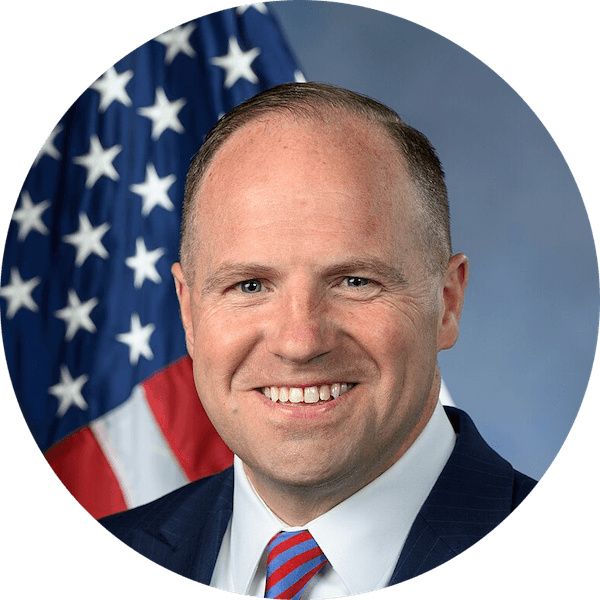
Robert Scott
Democrat · VA-3
Religion couldn't be used to deny your civil rights
Why it matters
Your paycheck, your family leave, your health care referral, and your right to equal treatment at a federally funded program could all be on the line in a single fight over religious exemptions. H.R. 1954 would block the Religious Freedom Restoration Act from being used as a defense in five areas: federal civil rights laws, workplace pay and leave, child-safety rules, health care, and government-funded services.
H.R. 1954, the Do No Harm Act, narrows when the Religious Freedom Restoration Act (RFRA) can be raised as a defense in court. In a handful of categories, the bill says RFRA simply would not apply.
Those categories start with federal anti-discrimination and equal-opportunity laws. The bill names four directly: the Civil Rights Act, the Americans with Disabilities Act, the Family and Medical Leave Act, and the Violence Against Women Act. It also covers rules that require employers to provide wages, other compensation, benefits like leave, and protections for collective activity at work.
The bill blocks RFRA claims against federal protections involving child labor, child abuse, and child exploitation. In health care, it uses especially broad language: RFRA could not be used to block access to a service, information about it, a referral, the service itself, or insurance coverage for it.
Another piece targets government money. If a federal contract, grant, cooperative agreement, or other award requires a service or activity to be delivered to a program's participants, the bill says RFRA cannot be used to dodge that requirement. It also bars RFRA where applying it would deny someone the full and equal enjoyment of a good, service, benefit, or accommodation the government provides.
Finally, H.R. 1954 changes who can raise RFRA at all. The bill says it could be asserted only in a case where the government is a party, which would cut off RFRA as a tool in many lawsuits between private parties.
Bill Progress
Latest Action · Mar 6, 2025
Referred to the House Committee on the Judiciary.
H.R. 1954 Bill Summary
What H.R. 1954 actually does.
Religion couldn't override federal civil rights laws
H.R. 1954 says RFRA could not be used against federal protections from discrimination or laws promoting equal opportunity. The bill specifically names the Civil Rights Act, the Americans with Disabilities Act, the Family and Medical Leave Act, and the Violence Against Women Act.
Pay, leave, and benefits stay off-limits to religious objections
The bill bars RFRA claims against federal rules requiring wages, other compensation, benefits including leave, and standards protecting collective activity in the workplace. Employers would have less room to seek religious exemptions from those obligations.
Health care access, referrals, and coverage stay protected
H.R. 1954 says RFRA would not apply to federal requirements involving access to a health care service, information about it, a referral for it, the service itself, or insurance coverage. The bill lists all five categories directly.
Child-safety protections can't be sidestepped
The bill says RFRA could not be used against federal protections involving child labor, child abuse, or child exploitation, carving those child-welfare categories out entirely.
Federally funded providers still have to deliver services
If a contract, grant, cooperative agreement, or other federal award requires a good, service, function, or activity to be provided to a program's participants, the bill says RFRA cannot be used to avoid that requirement. It reaches services funded directly or indirectly with government money.
RFRA defenses limited to cases involving the government
The bill says RFRA could be raised only in court cases where the government is a party and relief is sought against the government. That would cut off RFRA as a tool in many lawsuits between private parties.
Who benefits from H.R. 1954?
Workers relying on federal pay and leave protections
If your employer might seek a religious exemption from wage, compensation, benefits, leave, or collective-activity rules, H.R. 1954 would make that defense unavailable in those areas.
People enforcing federal civil rights protections
If you are seeking protection from discrimination or trying to enforce equal-opportunity rights, the bill would make it harder for someone else to use RFRA as a defense against those laws.
Patients seeking care, information, referrals, or coverage
If you need a health care service, an explanation of your options, a referral, or insurance coverage, the bill says RFRA could not be used to block those federally required steps.
People using programs funded with federal dollars
If you receive services through a federally funded program, the bill would limit a provider's ability to cite RFRA to avoid delivering what that program requires.
Who is affected by H.R. 1954?
Religious employers and faith-based organizations
Organizations that now rely on RFRA in disputes over workplace rules, discrimination claims, health care requirements, or federally funded services would have fewer legal defenses available in the covered areas.
Health care providers, insurers, and plan administrators
Entities asserting religious objections to providing care, giving referrals, sharing information, or covering services would face tighter limits under federal law where those obligations fall within the bill's carveouts.
Government contractors and grant recipients
Any organization taking federal funds to run a program or provide a service would need to meet those service obligations without relying on RFRA in the situations the bill covers.
Parties in private lawsuits
Anyone trying to raise RFRA in a case where the government is not a party would lose that option under H.R. 1954's litigation change.
HR1954 Legislative Journey
House: Committee Action
Mar 6, 2025
Referred to the House Committee on the Judiciary.
About the Sponsor
Robert Scott
Democrat, Virginia's 3rd congressional district · 33 years in Congress
Committees: Education and Workforce, the Budget
View full profile →
Cosponsors (125)
All 125 cosponsors are Democrats. Cosponsors represent 35 states: Arizona, California, Colorado, and 32 more.
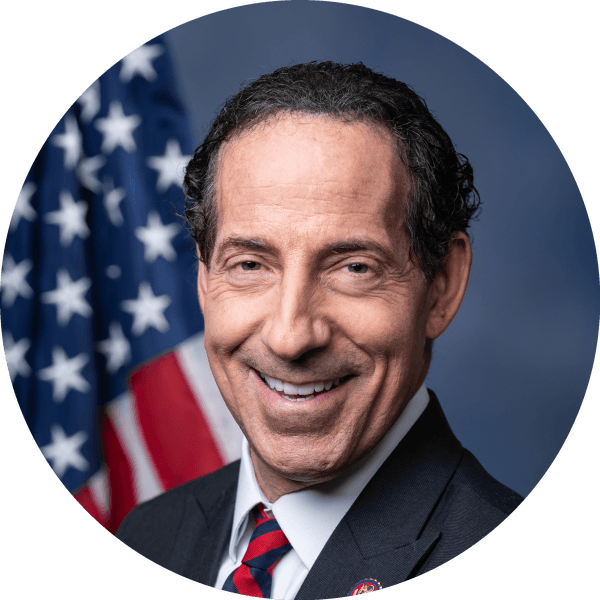
Jamie Raskin
Democrat · MD

Steve Cohen
Democrat · TN

Mary Scanlon
Democrat · PA

Scott Peters
Democrat · CA

Gerald Connolly
Democrat · VA

Jill Tokuda
Democrat · HI

Raja Krishnamoorthi
Democrat · IL

Linda Sánchez
Democrat · CA

Eleanor Norton
Democrat · DC

Janice Schakowsky
Democrat · IL
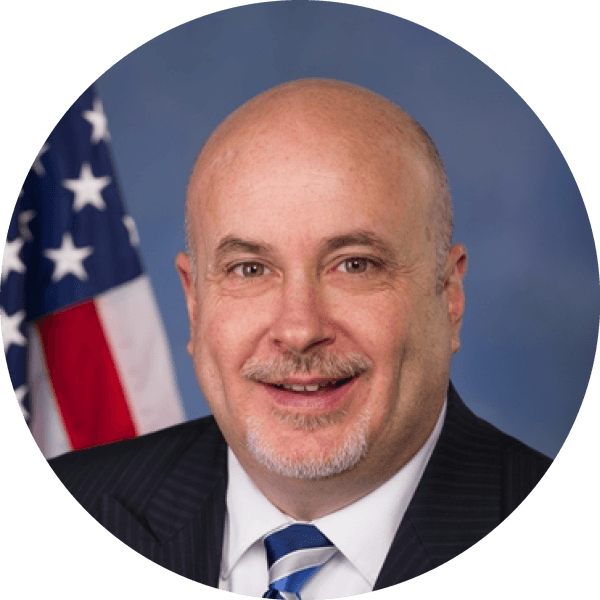
Mark Pocan
Democrat · WI

Marilyn Strickland
Democrat · WA
Cosponsor Coverage Map
Committee Sponsors
Judiciary Committee
13 of 44 committee members cosponsored


6 Democrats across this committee haven't cosponsored yet. Mobilize their constituents
What laws does H.R. 1954 change?
1 changes
Sections Amended
Section 3 of Religious Freedom Restoration Act of 1993 (42 U.S.C. 2000bb-1)
adding at the end the following: ``(d) Additional Exception From Application of Act Where Federal Law Prevents Harm to Others
H.R. 1954 Quick Facts
- Committee
- Judiciary
- Chamber
- House
- Policy
- Civil Rights and Liberties, Minority Issues
- Introduced
- Mar 6, 2025
Referred to the House Committee on the Judiciary.
Mar 6, 2025
Official Sources
Official legislative status, full text, actions, and cosponsor list for the Do No Harm Act.
Official U.S. Code text for RFRA, the statute H.R. 1954 amends to add its new harm-to-others exceptions.
Official U.S. Code entry for a civil-rights law the bill names directly as protected from RFRA-based challenges.
Official U.S. Code entry for the ADA, another anti-discrimination law H.R. 1954 expressly shields from RFRA defenses.
Official U.S. Code entry for FMLA, named in the bill and central to its limits on RFRA claims against leave and benefit rules.
Official U.S. Code entry for VAWA, the fourth civil-rights law H.R. 1954 lists among its RFRA carveouts.
H.R. 1954 Common Questions
What does H.R. 1954 actually do?
It limits when the Religious Freedom Restoration Act can be used as a legal defense. In several areas, including civil rights, health care, workplace rules, and federally funded services, the bill says RFRA would no longer apply at all.
Can an employer still cite religion to avoid leave, pay, or benefit rules?
Not in the areas H.R. 1954 covers. The bill says RFRA cannot be used against federal requirements for wages, other compensation, benefits including leave, or protections for collective activity at work.
Would H.R. 1954 affect health care refusals based on religion?
Yes. The bill says RFRA could not be used to block federally required access to a health care service, information about it, a referral, the service itself, or insurance coverage for it.
Which civil rights laws does H.R. 1954 name directly?
Four: the Civil Rights Act, the Americans with Disabilities Act, the Family and Medical Leave Act, and the Violence Against Women Act. The bill lists them as laws RFRA could not be used against.
Can federally funded providers still claim religion to deny services?
In the situations H.R. 1954 covers, no. If a federal contract, grant, or other award requires a service or activity to be delivered to a program's participants, the bill says RFRA cannot be used to avoid that obligation.
Does H.R. 1954 change lawsuits between private parties?
Yes. The bill says RFRA could be raised only in court cases where the government is a party, which would shut down many RFRA claims in disputes between private parties.
Does the bill cover child labor and child abuse protections too?
Yes. H.R. 1954 says RFRA would not apply to federal protections involving child labor, child abuse, or child exploitation.
Based on H.R. 1954 bill text
H.R. 1954 Bill Text
“To amend the Religious Freedom Restoration Act of 1993 to protect civil rights and otherwise prevent meaningful harm to third parties, and for other purposes.”
Source: U.S. Government Publishing Office
Get notified when H.R. 1954 moves
Committee votes, floor action, cosponsor changes — straight to your inbox.
Bill alerts + Legisletter's monthly briefing. Unsubscribe anytime.
Civil Rights and Liberties, Minority Issues Bills
7 related bills we're tracking
Equality Act




Referred to the Committee on the Judiciary, and in addition to the Committees on Education and Workforce, Financial Services, House Administration, and Oversight and Government Reform, for a period to be subsequently determined by the Speaker, in each case for consideration of such provisions as fall within the jurisdiction of the committee concerned.
Apr 29, 2025
Congressional Tribute to Constance Baker Motley Act of 2025


Referred to the House Committee on Financial Services.
Sep 11, 2025
Ensuring Women’s Right to Reproductive Freedom Act

Referred to the House Committee on Energy and Commerce.
Jun 24, 2025
To award a Congressional Gold Medal to the Freedom Riders, collectively, in recognition of their unique contribution to Civil Rights, which inspired a revolutionary movement for equality in interstate travel.


Referred to the Committee on Financial Services, and in addition to the Committee on House Administration, for a period to be subsequently determined by the Speaker, in each case for consideration of such provisions as fall within the jurisdiction of the committee concerned.
Feb 4, 2025
Commission to Study and Develop Reparation Proposals for African Americans Act



Referred to the House Committee on the Judiciary.
Jan 3, 2025
Life at Conception Act




Referred to the House Committee on the Judiciary.
Jan 24, 2025
Dismantle DEI Act of 2025




Referred to the Committee on Oversight and Government Reform, and in addition to the Committees on the Judiciary, Education and Workforce, Armed Services, Foreign Affairs, Financial Services, Energy and Commerce, Transportation and Infrastructure, and Intelligence (Permanent Select), for a period to be subsequently determined by the Speaker, in each case for consideration of such provisions as fall within the jurisdiction of the committee concerned.
Feb 4, 2025
Trending Right Now
Bills gaining momentum across Congress
North Platte Canteen Congressional Gold Medal Act



Referred to the House Committee on Financial Services.
Feb 21, 2025
ASAP Act



Ordered to be Reported in the Nature of a Substitute by the Yeas and Nays: 40 - 0.
Sep 16, 2026
Fit to Serve Act




Referred to the House Committee on Armed Services.
May 21, 2025
Tracking Civil Rights and Liberties, Minority Issues in Congress? Monitor bills, track cosponsor momentum, and launch advocacy campaigns — all from one advocacy platform.