H.R. 3243: Therapeutic Fraud Prevention Act of 2025
Sponsor

Ted Lieu
Democrat · CA-36
Selling conversion therapy would become federal fraud
Why it matters
H.R. 3243 would make it illegal to charge money for conversion therapy anywhere in the United States, at any age, licensed or not. Congress's findings say the practice has been shown to contribute to depression, self-harm, family rejection, and suicide. Enforcement would run through the Federal Trade Commission, the agency that polices false advertising, and 167 House members have signed on.
H.R. 3243 would ban providing conversion therapy for compensation anywhere in the United States. The trigger is the money, not the credential. A licensed therapist, an unlicensed life coach, a camp, or a ministry all fall inside the ban the moment someone pays.
Payment does not have to be a session fee. The bill also covers charging for a product or service that is integral to the practice, closing the workaround of giving the counseling away and selling the workbook.
Advertising is treated separately. It would be unlawful to advertise conversion therapy while claiming it can change someone's sexual orientation or gender identity, reduce same-gender attraction, or that it carries no risk. Anyone who knowingly assists or facilitates the practice and takes compensation in connection with it would be covered too, even if they never sit in the room.
Enforcement rides on existing machinery. A violation would count as breaking an FTC rule against unfair or deceptive practices, which gives the Commission its usual investigative and penalty powers plus authority to write implementing rules. The U.S. attorney general could sue in federal court, and a state attorney general could sue on behalf of that state's residents after notifying the FTC.
The bill draws its own boundaries. Counseling that is not trying to change a person's orientation or gender identity stays legal, including help for someone going through a gender transition and counseling built around acceptance, coping, social support, and identity exploration. The definition also carves out any product or service protected by the First Amendment, and a severability clause keeps the rest of the law standing if a court strikes down one piece.
Bill Progress
Latest Action · May 7, 2025
Referred to the House Committee on Energy and Commerce.
H.R. 3243 Bill Summary
What H.R. 3243 actually does.
Charging for conversion therapy becomes illegal nationwide
H.R. 3243 would make it unlawful to provide conversion therapy to any individual when the provider receives compensation for it.
Money is the trigger, not a professional license
The ban attaches to anyone who takes payment. It does not depend on holding a state license or on the age of the person receiving the service.
Selling the workbook counts as selling the therapy
Compensation includes payment for a product or service that is integral to providing the practice, not only a direct fee for the sessions themselves.
Ads promising change would be unlawful
The bill would prohibit advertising conversion therapy while claiming it can change sexual orientation or gender identity, reduce same-gender attraction, or that it is harmless or without risk.
Paid helpers and referrers are covered
Anyone who knowingly assists or facilitates the provision of conversion therapy and receives compensation from any source in connection with it would fall under the prohibition.
The FTC leads, with DOJ and state AGs behind it
A violation would be treated as a violation of an FTC rule on unfair or deceptive practices. The U.S. attorney general could bring civil actions, and state attorneys general could sue on behalf of their residents after notifying the Commission.
Supportive and transition-related counseling is excluded
The definition does not cover practices that do not seek to change sexual orientation or gender identity, including assistance to someone undergoing a gender transition and counseling focused on acceptance, coping, social support, and identity exploration.
The bill writes in its own constitutional limits
Any product or service protected by the First Amendment is excluded from the definition, and a severability clause preserves the rest of the Act if a court holds one provision unconstitutional.
Who benefits from H.R. 3243?
LGBTQ people and their families being sold these services
The commercial offer itself would become unlawful, at any age, in every state, including the states that have no conversion therapy law of their own.
Adults, who most state laws leave out
Because the ban keys on the transaction rather than a licensing board's authority over minors, an adult paying for the service would be covered the same as a teenager.
Therapists doing acceptance-based and transition-related work
The bill names their work as outside the definition, as long as the goal is not changing a client's sexual orientation or gender identity.
State attorneys general
They could bring federal civil actions on behalf of their residents rather than working only through state consumer law or professional licensing boards.
Who is affected by H.R. 3243?
Anyone charging for conversion therapy
Licensed clinicians, unlicensed counselors, camps, and programs would all be barred from providing the service for compensation.
Advertisers, marketers, and referral networks
Ad claims about changing orientation or gender identity, or about the practice being risk-free, would be prohibited, and paid referrers could face enforcement.
Faith-based programs that charge for these services
The bill reaches any person or entity taking compensation, though it excludes products and services protected by the First Amendment. Where that line falls would be settled in court.
The FTC, the Justice Department, and state enforcers
They would absorb the investigations, rulemaking, and civil litigation the bill creates, using authorities they already have.
HR3243 Legislative Journey
House: Committee Action
May 7, 2025
Referred to the House Committee on Energy and Commerce.
About the Sponsor
Ted Lieu
Democrat, California's 36th congressional district · 11 years in Congress
Committees: the Judiciary, Foreign Affairs
View full profile →
Cosponsors (204)
All 204 cosponsors are Democrats. Cosponsors represent 39 states: Alabama, Arizona, California, and 36 more.
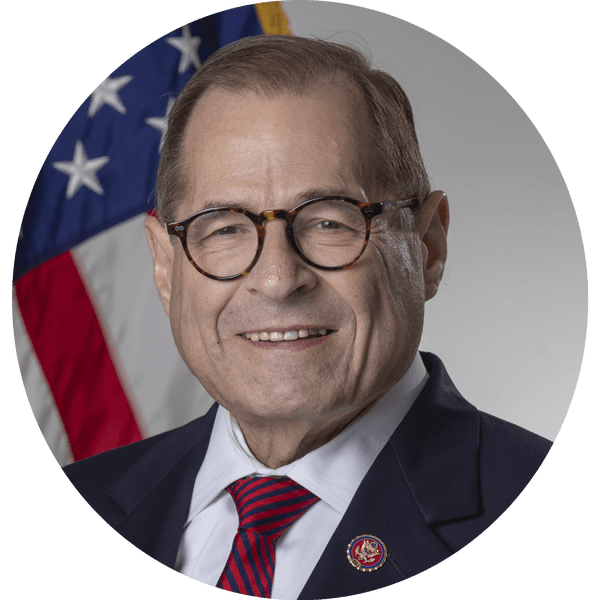
Jerrold Nadler
Democrat · NY

Stephen Lynch
Democrat · MA

Linda Sánchez
Democrat · CA

Rashida Tlaib
Democrat · MI

Janice Schakowsky
Democrat · IL

Richard Neal
Democrat · MA

Gwen Moore
Democrat · WI

Greg Landsman
Democrat · OH

Morgan McGarvey
Democrat · KY

Yassamin Ansari
Democrat · AZ

David Scott
Democrat · GA

John Garamendi
Democrat · CA
Cosponsor Coverage Map
Committee Sponsors
Energy and Commerce Committee
23 of 54 committee members cosponsored


1 Democrats across this committee haven't cosponsored yet. Mobilize their constituents
H.R. 3243 Quick Facts
- Committee
- Energy and Commerce
- Chamber
- House
- Policy
- Commerce
- Introduced
- May 7, 2025
Referred to the House Committee on Energy and Commerce.
May 7, 2025
Official Sources
Official bill page for the Therapeutic Fraud Prevention Act of 2025, with full text, sponsors, cosponsors, and the action history.
The exact statute the bill cites: a violation would be treated as breaking a rule prescribed under section 18(a)(1)(B) of the FTC Act.
The FTC Act supplies the investigative powers and penalties the bill would borrow rather than create new ones.
The bureau that would run investigations and enforcement actions if the ban became law.
The FTC standards for truthful advertising claims, the framework behind the bill’s ban on ads promising to change orientation or gender identity.
The Justice Department unit that handles unfair and deceptive practice litigation, relevant because the attorney general could bring civil actions under the bill.
The committee the bill was referred to in May 2025, where it has sat without action.
Federal crisis resource, relevant to the congressional findings on depression, self-harm, and suicide risk.
H.R. 3243 Common Questions
Would H.R. 3243 ban conversion therapy nationwide?
It would ban selling it. H.R. 3243 makes it unlawful to provide conversion therapy to anyone when the provider is paid for it, in every state. Unpaid conduct is outside the bill.
Does H.R. 3243 protect adults, or only minors?
Both. The bill says it is unlawful to provide paid conversion therapy to any individual. It sets no age limit, unlike most state laws, which run through licensing boards and cover minors.
Does it apply to unlicensed counselors and religious programs?
It applies to any person or entity that takes compensation, licensed or not. The definition does exclude products and services protected by the First Amendment, a line courts would have to draw.
What if the counseling is free but the materials cost money?
Still covered. The bill counts compensation received for a product or service that is integral to providing the practice, not just a direct fee for the sessions.
Would ads for conversion therapy become illegal?
Yes. H.R. 3243 would prohibit advertising it while claiming it can change sexual orientation or gender identity, reduce same-gender attraction, or that it is harmless and without risk.
Would gender transition and supportive counseling still be allowed?
Yes. Assistance to someone undergoing a gender transition, and counseling built around acceptance, coping, social support, and identity exploration, are excluded as long as they do not seek to change orientation or gender identity.
Who would enforce the ban, and what are the penalties?
A violation would be treated as breaking an FTC rule against unfair or deceptive practices, so the Commission's existing penalties apply. The U.S. attorney general and state attorneys general could also sue in federal court.
What are H.R. 3243's chances of passing?
Narrow as it stands. All 167 cosponsors are Democrats, and the bill has sat in the Republican-led House Energy and Commerce Committee with no action since it was referred in May 2025.
Based on H.R. 3243 bill text
H.R. 3243 Bill Text
“To prohibit commercial sexual orientation conversion therapy, and for other purposes.”
Source: U.S. Government Publishing Office
Get notified when H.R. 3243 moves
Committee votes, floor action, cosponsor changes — straight to your inbox.
Bill alerts + Legisletter's monthly briefing. Unsubscribe anytime.
Commerce Bills
9 related bills we're tracking
Algorithmic Accountability Act of 2025





Referred to the House Committee on Energy and Commerce.
Sep 19, 2025
Protecting Circuit Boards and Substrates Act





Referred to the Committee on Ways and Means, and in addition to the Committees on Energy and Commerce, and Science, Space, and Technology, for a period to be subsequently determined by the Speaker, in each case for consideration of such provisions as fall within the jurisdiction of the committee concerned.
May 23, 2025
Children and Teens’ Online Privacy Protection Act



Held at the desk.
Mar 16, 2026
Competition and Antitrust Law Enforcement Reform Act of 2025



Read twice and referred to the Committee on the Judiciary.
Jan 16, 2025
NO FAKES Act of 2025



Read twice and referred to the Committee on the Judiciary.
Apr 9, 2025
Made in America Manufacturing Finance Act



Committee on Small Business and Entrepreneurship. Hearings held.
May 13, 2026
Antitrust Accountability and Transparency Act

Read twice and referred to the Committee on the Judiciary.
Mar 17, 2026
Algorithmic Accountability Act of 2025



Read twice and referred to the Committee on Commerce, Science, and Transportation.
Jun 25, 2025
App Store Freedom Act




Referred to the House Committee on Energy and Commerce.
May 6, 2025
Trending Right Now
Bills gaining momentum across Congress
North Platte Canteen Congressional Gold Medal Act




Referred to the House Committee on Financial Services.
Feb 21, 2025
ASAP Act



Ordered to be Reported in the Nature of a Substitute by the Yeas and Nays: 40 - 0.
Sep 16, 2026
Fit to Serve Act





Referred to the House Committee on Armed Services.
May 21, 2025
Tracking Commerce in Congress? Monitor bills, track cosponsor momentum, and launch advocacy campaigns — all from one advocacy platform.