H.R. 5511: Algorithmic Accountability Act of 2025
Sponsor

Yvette Clarke
Democrat · NY-9
Algorithms decide who gets hired and housed — this bill audits them
Why it matters
AI tools already help decide who gets a job, an apartment, a loan, and a medical procedure, with no federal requirement to check those systems for bias or harm. H.R. 5511 would force any company over $50 million in revenue to test its algorithms before and after launch, then file public reports with the FTC.
The Algorithmic Accountability Act of 2025 would force large companies to test the AI systems they use for what the bill calls "critical decisions" — jobs, housing, loans, healthcare, education, utilities, family planning, and legal services. Companies would have to check those systems for bias, privacy risks, and harm both before and after deploying them, then file reports with the Federal Trade Commission.
The rules would hit two tiers. Tier 1 catches any company with more than $50 million in average annual gross receipts, more than $250 million in equity value over a 3-year period, or data on more than 1 million consumers, households, or devices. Tier 2 reaches smaller firms — those over $5 million in receipts or $25 million in equity — if they build algorithms for Tier 1 clients. Both thresholds rise annually with the Consumer Price Index after the first year.
The FTC would have 2 years to write the rules, and the rules would take effect 2 years after that. Once live, covered companies would have to run impact assessments examining differential performance by race, color, sex, gender, age, disability, religion, family status, socioeconomic status, and veteran status. They'd also have to evaluate whether consumers get notice, opt-out options, transparency, explainability, and a way to contest decisions. Documentation would have to be kept for 3 years longer than the algorithm stays in use.
To enforce all this, the bill creates a new Bureau of Technology inside the FTC, led by a Chief Technologist with at least 50 staff. The Bureau of Consumer Protection gets 25 additional enforcement personnel. A public FTC repository — searchable, sortable, and downloadable — would publish summary reports within 180 days of the rules taking effect, updated quarterly. State attorneys general could also sue companies that violate the rules. The bill doesn't preempt stricter state, tribal, city, or local laws.
Bill Progress
Latest Action · Sep 19, 2025
Referred to the House Committee on Energy and Commerce.
H.R. 5511 Bill Summary
What H.R. 5511 actually does.
Companies over $50M in revenue would be covered
Tier 1 covers any company with more than $50 million in average annual gross receipts, more than $250 million in equity value over a 3-year period, or data on more than 1 million consumers, households, or devices. Tier 2 reaches firms with more than $5 million in receipts or $25 million in equity if they build algorithms used by Tier 1 entities. Thresholds adjust annually for inflation.
FTC gets 2 years to write the rules
The Federal Trade Commission has 2 years from enactment to issue regulations, and those regulations take effect 2 years after they're issued. The FTC must consult with NIST, the National Artificial Intelligence Initiative, the Office of Science and Technology Policy, industry, academia, and civil rights and consumer advocacy groups during rulemaking.
AI gets audited before launch and after launch
Covered companies must perform impact assessments both before deploying a covered algorithm and on an ongoing basis after deployment. They must file an initial summary report with the FTC before launching any new system, plus annual reports for systems already in use, and keep documentation for 3 years longer than the algorithm stays deployed.
Bias testing across race, sex, age, disability, religion
Impact assessments must evaluate differential performance based on race, color, sex, gender, age, disability, religion, family status, socioeconomic status, and veteran status. Assessments also must cover data minimization, privacy-enhancing technology like federated learning and differential privacy, and whether consumers get notice, opt-out options, transparency, and a way to contest decisions.
Public FTC database of AI audit reports
The FTC has 180 days after issuing the rules to develop a public repository, and 180 days after the effective date to launch it. The database must be searchable and sortable by company, date, or category of critical decision, allow public downloads, and update quarterly. Starting 1 year after the effective date, the FTC also publishes an annual trend report.
New Bureau of Technology at the FTC
The bill establishes a Bureau of Technology inside the FTC, led by a Chief Technologist, with at least 50 personnel appointed within 2 years of enactment. The Bureau of Consumer Protection gets 25 additional enforcement staff. Violations are treated as unfair or deceptive acts under the Federal Trade Commission Act, and state attorneys general can also sue.
Who benefits from H.R. 5511?
Anyone subject to algorithmic decisions in hiring, housing, or credit
People applying for jobs, apartments, mortgages, loans, healthcare coverage, education programs, or legal services would gain access to FTC-published summary reports about the algorithms making those decisions. Covered companies would also have to assess whether consumers can opt out, contest a decision, or get an explanation of what factors drove it.
Civil rights and consumer advocacy groups
The bill requires the FTC to consult civil rights, consumer, and impacted-community advocates during rulemaking. It also requires covered companies to document any external stakeholder consultations, including which recommendations were used and which were rejected, giving advocates a formal record of how their input was handled.
Researchers and watchdog journalists
The public FTC repository would be machine-readable, searchable, sortable by company or decision category, and downloadable in bulk. The annual trend reports would publish aggregated statistics on algorithmic deployment across regulated sectors, giving researchers structured federal data on AI use that doesn't currently exist.
State attorneys general
State AGs and other authorized state officers would get explicit authority to bring civil actions in federal court as parens patriae for residents harmed by violations. They must give written notice to the FTC before filing, or immediately upon filing if advance notice isn't feasible. The bill also preserves state, tribal, city, and local laws — so stricter rules stay in force.
Who is affected by H.R. 5511?
Large tech and data-driven companies (Tier 1)
Companies above the Tier 1 thresholds — more than $50 million in revenue, more than $250 million in equity value, or data on more than 1 million consumers, households, or devices — would face new testing, recordkeeping, and reporting duties. Companies that met those thresholds at any point in the previous 3 years remain covered.
AI vendors selling tools to large clients (Tier 2)
Firms with more than $5 million in revenue or $25 million in equity value would be covered if their algorithms are built for use by Tier 1 entities. That pulls smaller AI developers, model providers, and vendors into the law whenever their products are aimed at large corporate customers.
Companies using AI in hiring, lending, housing, or healthcare
Businesses deploying covered algorithms for critical decisions would have to test for differential performance across protected groups, retain documentation for 3 years beyond deployment, file annual summary reports, and submit an initial summary report before launching any new system.
The Federal Trade Commission
The FTC would take on rulemaking within 2 years, build a public repository within 180 days of issuing the rules and launch it within 180 days of the effective date, publish annual trend reports, and staff a new Bureau of Technology with at least 50 personnel plus 25 added enforcement staff in the Bureau of Consumer Protection.
HR5511 Legislative Journey
House: Committee Action
Sep 19, 2025
Referred to the House Committee on Energy and Commerce.
About the Sponsor
Yvette Clarke
Democrat, New York's 9th congressional district · 19 years in Congress
Committees: Energy and Commerce
View full profile →
Cosponsors (32)
All 32 cosponsors are Democrats. Cosponsors represent 20 states: Alabama, California, Connecticut, and 17 more.

Becca Balint
Democrat · VT

Nanette Barragán
Democrat · CA

Wesley Bell
Democrat · MO

Shontel Brown
Democrat · OH

Danny Davis
Democrat · IL

Christopher Deluzio
Democrat · PA

Dwight Evans
Democrat · PA
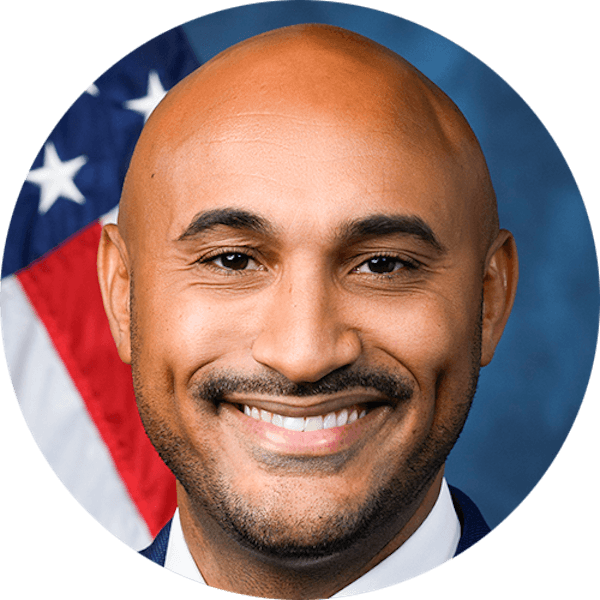
Shomari Figures
Democrat · AL

Valerie Foushee
Democrat · NC

Jesús García
Democrat · IL

Eleanor Norton
Democrat · DC
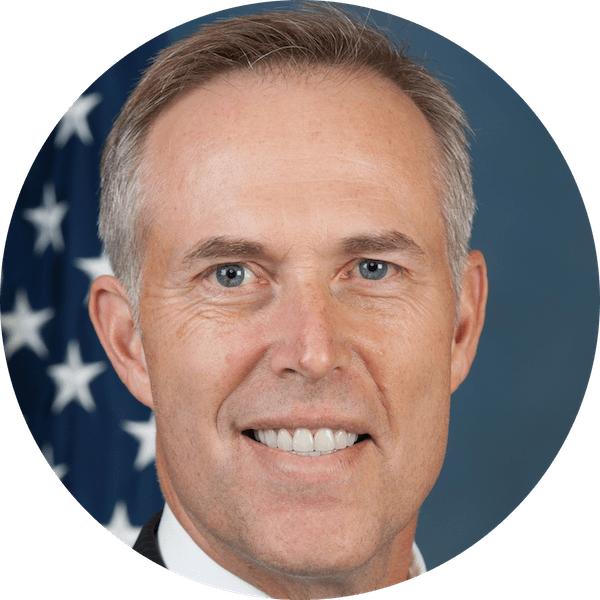
Jared Huffman
Democrat · CA
Committee Sponsors
Energy and Commerce Committee
7 of 54 committee members cosponsored


17 Democrats across this committee haven't cosponsored yet. Mobilize their constituents
H.R. 5511 Quick Facts
- Committee
- Energy and Commerce
- Chamber
- House
- Policy
- Commerce
- Introduced
- Sep 19, 2025
Referred to the House Committee on Energy and Commerce.
Sep 19, 2025
Official Sources
Official Congress.gov page for the Algorithmic Accountability Act of 2025 — bill text, cosponsors, actions, and committee status.
The FTC's existing AI enforcement and policy work — the agency H.R. 5511 would task with writing the rules and running the public repository of algorithm audit reports.
The bureau that enforces unfair and deceptive practices law. H.R. 5511 adds 25 enforcement personnel here and treats violations as unfair or deceptive acts under the FTC Act.
The voluntary federal framework for evaluating AI systems. H.R. 5511 requires impact assessments to follow NIST best practices and directs the FTC to consult NIST during rulemaking.
The statute that defines FTC jurisdiction and outlaws unfair or deceptive acts. H.R. 5511 leans on it both to define covered entities and to enforce violations.
The White House office H.R. 5511 names as a required consultation partner during FTC rulemaking, alongside NIST and the National Artificial Intelligence Initiative.
The federal civil-rights enforcer's parallel push on algorithmic hiring discrimination — the regime H.R. 5511's bias-testing requirements for race, sex, age, and disability would sit alongside.
DOJ Civil Rights Division guidance on how AI hiring tools can violate the ADA. Disability is one of the protected characteristics H.R. 5511 would require companies to test for in impact assessments.
H.R. 5511 Common Questions
What companies would be covered by the Algorithmic Accountability Act of 2025?
Tier 1 covers any company with more than $50 million in average annual gross receipts, more than $250 million in equity value over 3 years, or data on more than 1 million consumers, households, or devices. Tier 2 covers smaller firms — over $5 million in receipts or $25 million in equity — if they build algorithms used by Tier 1 companies.
Which decisions does H.R. 5511 consider 'critical'?
The bill defines critical decisions as those affecting jobs, housing or lodging, education, healthcare, mortgages and credit, essential utilities like electricity or internet, family planning and reproductive services, and legal services. The FTC could add more categories through rulemaking.
What would companies actually have to do under H.R. 5511?
Covered companies would run impact assessments on their algorithms both before deployment and on an ongoing basis after launch, testing for bias, privacy risks, and material negative impacts. They'd file an initial summary report before launching any new system, plus annual reports for ongoing systems, and keep documentation for 3 years past the algorithm's retirement.
What kinds of bias would AI systems be tested for?
Under H.R. 5511, impact assessments must evaluate differential performance based on race, color, sex, gender, age, disability, religion, family status, socioeconomic status, and veteran status. Companies would also have to document the methods used to test for those differences and any subpopulations used in the evaluation.
Would consumers be able to opt out of or appeal AI decisions?
The bill doesn't directly grant those rights to consumers. Instead, it requires covered companies to assess whether they offer notice, opt-out options, transparency, explainability, and a way to contest or appeal decisions — and to document any gaps. The FTC would set further requirements through rulemaking.
When would H.R. 5511 actually take effect?
Slowly. The FTC has 2 years from enactment to issue regulations, and those regulations take effect 2 years after they're issued. The public repository of summary reports would launch within 180 days of the effective date, updated quarterly. That's roughly 4 years from passage before companies face real reporting deadlines.
Who enforces the Algorithmic Accountability Act of 2025?
The FTC enforces violations as unfair or deceptive acts or practices under the Federal Trade Commission Act. State attorneys general and other authorized state officers can also sue covered companies in federal court, with prior written notice to the FTC — or immediately if advance notice isn't feasible. The FTC can intervene in state-led cases.
Does H.R. 5511 preempt stricter state AI laws?
No. The bill explicitly does not preempt any state, tribal, city, or local law, regulation, or ordinance. States that already regulate algorithmic hiring, insurance, or housing decisions could keep enforcing their own rules on top of this federal floor.
Based on H.R. 5511 bill text
H.R. 5511 Bill Text
“To direct the Federal Trade Commission to require impact assessments of certain algorithms, and for other purposes.”
Source: U.S. Government Publishing Office
Get notified when H.R. 5511 moves
Committee votes, floor action, cosponsor changes — straight to your inbox.
Bill alerts + Legisletter's monthly briefing. Unsubscribe anytime.
Commerce Bills
9 related bills we're tracking
Therapeutic Fraud Prevention Act of 2025





Referred to the House Committee on Energy and Commerce.
May 7, 2025
Protecting Circuit Boards and Substrates Act





Referred to the Committee on Ways and Means, and in addition to the Committees on Energy and Commerce, and Science, Space, and Technology, for a period to be subsequently determined by the Speaker, in each case for consideration of such provisions as fall within the jurisdiction of the committee concerned.
May 23, 2025
Children and Teens’ Online Privacy Protection Act




Held at the desk.
Mar 16, 2026
Competition and Antitrust Law Enforcement Reform Act of 2025




Read twice and referred to the Committee on the Judiciary.
Jan 16, 2025
NO FAKES Act of 2025



Read twice and referred to the Committee on the Judiciary.
Apr 9, 2025
Made in America Manufacturing Finance Act




Committee on Small Business and Entrepreneurship. Hearings held.
May 13, 2026
Antitrust Accountability and Transparency Act

Read twice and referred to the Committee on the Judiciary.
Mar 17, 2026
Algorithmic Accountability Act of 2025




Read twice and referred to the Committee on Commerce, Science, and Transportation.
Jun 25, 2025
App Store Freedom Act



Referred to the House Committee on Energy and Commerce.
May 6, 2025
Trending Right Now
Bills gaining momentum across Congress
North Platte Canteen Congressional Gold Medal Act




Referred to the House Committee on Financial Services.
Feb 21, 2025
Fit to Serve Act




Referred to the House Committee on Armed Services.
May 21, 2025
ASAP Act





Ordered to be Reported in the Nature of a Substitute by the Yeas and Nays: 40 - 0.
Sep 16, 2026
Tracking Commerce in Congress? Monitor bills, track cosponsor momentum, and launch advocacy campaigns — all from one advocacy platform.