H.R. 8094: AI Foundation Model Transparency Act of 2026
Sponsor
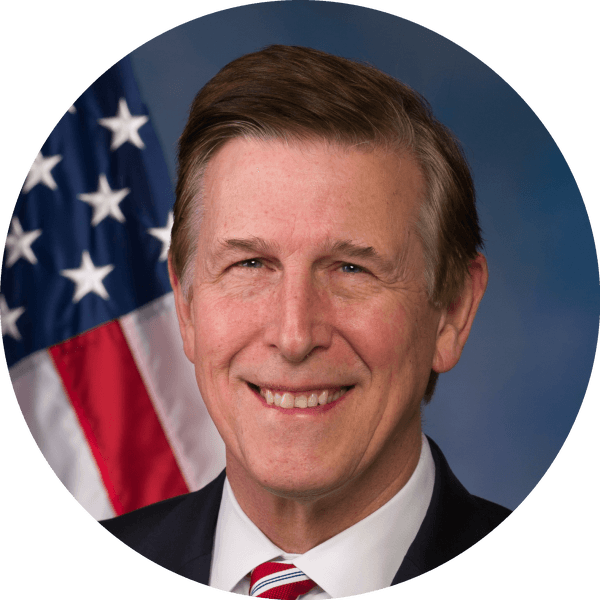
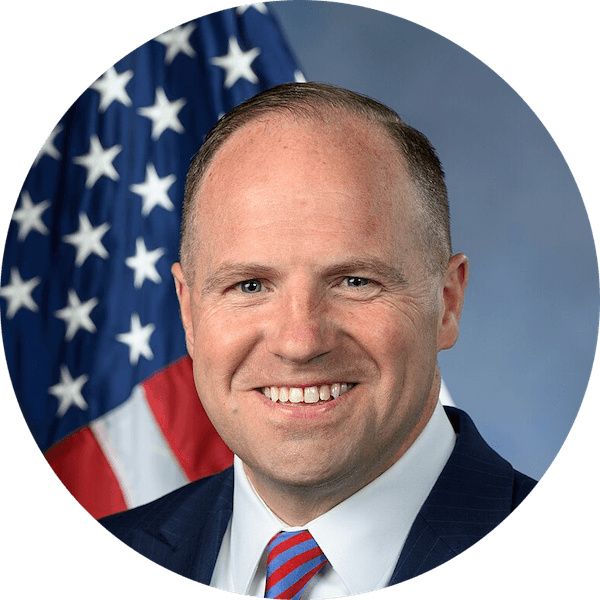
Donald Beyer
Democrat · VA-8
Force the biggest AI models to show their work
Why it matters
The AI tools you use every day reveal almost nothing about how they were built or where they fail. H.R. 8094 would force the largest models — those topping 10 million monthly users — to publicly disclose their training data sources, safety-test results, and known risks, with the FTC writing binding rules within a year of enactment.
H.R. 8094, the AI Foundation Model Transparency Act of 2026, would create a federal disclosure regime for the most powerful AI models. The Federal Trade Commission would have one year after enactment to write the rules.
The rules would only hit the biggest players. A company is covered if its model trips one of four triggers: it performs at levels that could pose serious risks; it has more than 10 million monthly users; it has more than 10 million monthly downloads; or it was trained on more than 10^26 computing operations. The bill also sets a floor for what counts as a "foundation model" in the first place — broadly trained, general-purpose, and built with at least 1 billion parameters.
The heart of the bill is disclosure. Covered companies would post information on their own sites in a plain, consumer-friendly format, and feed a central FTC website in a machine-readable format. The required list is long: where the training data came from and whether your inputs are retained while you use the model; the data's demographic and language makeup; what the model is for and where it falls short; its version, release date, and knowledge cutoff; supported languages; how the company tracks and responds to bad incidents; and how it lines its model up against the NIST AI Risk Management Framework or its own safety guardrails.
The most sensitive part is test results. Companies would have to disclose how their models perform on high-stakes questions — medical and health advice, weapons (biological, chemical, radiological, nuclear), national security, cybersecurity, critical infrastructure, elections, law enforcement, loan and housing decisions, education, hiring, public services, and effects on vulnerable groups, specifically minors under 18 and seniors 65 and older.
There are off-ramps. Fully open-source models are exempt. A company building on someone else's base model can link to that model's disclosure, but still has to comply once it makes significant changes. Small businesses and firms under a year old get FTC templates, hands-on help from a technical representative, and a one-time three-month grace period before penalties apply. Enforcement runs through the FTC's existing authority over unfair or deceptive practices, but the agency must give a company at least 14 days' notice before acting. The rules kick in 90 days after they're finalized, and the FTC has to revisit them every year.
Bill Progress
Latest Action · Mar 26, 2026
Referred to the House Committee on Energy and Commerce.
H.R. 8094 Bill Summary
What H.R. 8094 actually does.
FTC writes binding transparency rules within a year
The Federal Trade Commission must issue the disclosure regulations no later than one year after enactment, working with NIST, the Commerce Department, the Office of Science and Technology Policy, standards bodies, academics, tech experts, and civil rights and consumer advocates.
Only the biggest models get covered
A company becomes a covered entity if its foundation model meets one of four triggers: high-risk performance, more than 10 million monthly users, more than 10 million monthly downloads, or training above 10^26 computing operations. A foundation model is defined as broadly trained, general-purpose, and built with at least 1 billion parameters.
Disclosures must be readable by people and machines
Covered companies must post the required information on their own sites in a plain, consumer-friendly format and feed a central FTC website in a machine-readable format. Personally identifiable and cybersecurity-sensitive material can go to the FTC without being publicly displayed.
Safety-test results, including for kids and seniors
Companies must disclose how their models perform on high-stakes questions — medical advice, weapons, national security, cybersecurity, critical infrastructure, elections, law enforcement, housing and loans, education, hiring, and public services — including effects on minors under 18 and seniors 65 and older.
Small and new firms get a three-month grace period
Small businesses and firms operating under a year get FTC guidance, machine-readable templates, and a one-time three-month grace period before penalties apply. During that window, a technically proficient FTC representative meets with the business to help it comply.
FTC must give 14 days' notice before enforcing
Violations are treated as unfair or deceptive practices under the FTC Act, but the agency must give a company at least 14 days' notice before taking enforcement action. The rules apply 90 days after they're finalized and must be reassessed every year.
Who benefits from H.R. 8094?
Anyone using major AI tools
You'd get clear, public information about what a model is for, where it falls short, when its knowledge stops, which languages it supports, and whether your inputs are collected or kept while you use it.
Researchers, auditors, and watchdogs
A central, machine-readable FTC database would put benchmark and risk-test results — across elections, cybersecurity, law enforcement, education, and hiring — in one searchable place instead of scattered across company blog posts.
Civil rights advocates and vulnerable groups
The bill requires test disclosures tied to loan and housing decisions, hiring, education, and public services, plus effects on minors under 18 and seniors 65 and older — evidence advocates could use to spot bias or harm.
Small AI firms and startups under a year old
Smaller companies get compliance templates, FTC guidance, a one-time three-month penalty grace period, and direct help from a technically proficient representative.
Who is affected by H.R. 8094?
Large AI model developers
Companies running models with more than 10 million monthly users, more than 10 million monthly downloads, or training runs above 10^26 operations would take on new disclosure and documentation duties.
Companies building on base models
Downstream developers can't point to a base model forever. They must link to that model's disclosure and comply themselves once they make significant changes, retrain, or adapt the system.
The FTC and technical regulators
The FTC would write the rules within a year, stand up a central disclosure site and a resources page, enforce violations, send Congress a report, and update the requirements annually.
Open-source AI projects
Fully open-source models are exempt from the disclosure rules — a carve-out that could sharpen debate over what counts as truly fully open-source.
HR8094 Legislative Journey
House: Committee Action
Mar 26, 2026
Referred to the House Committee on Energy and Commerce.
About the Sponsor
Donald Beyer
Democrat, Virginia's 8th congressional district · 11 years in Congress
Committees: Joint Economic Committee, Ways and Means
View full profile →
Cosponsors (3)
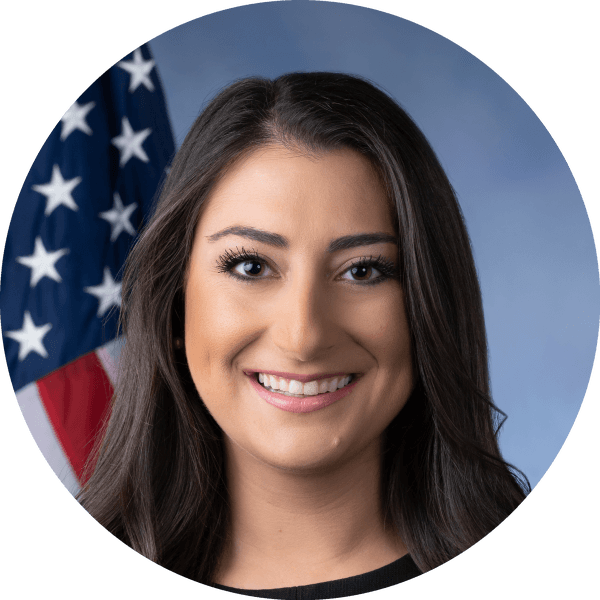
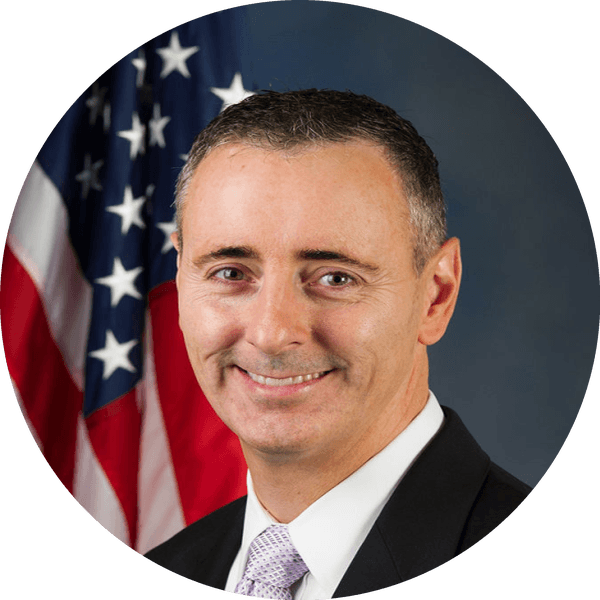
This bill has 3 cosponsors: 1 Democrat, 2 Republicans, reflecting bipartisan support. Cosponsors represent 3 states: California, New York, Pennsylvania.
Committee Sponsors
Energy and Commerce Committee
0 of 54 committee members cosponsored
No committee members have cosponsored this bill
24 Democrats across this committee haven't cosponsored yet. Mobilize their constituents
H.R. 8094 Quick Facts

- Committee
- Energy and Commerce
- Chamber
- House
- Policy
- Commerce
- Introduced
- Mar 26, 2026
Referred to the House Committee on Energy and Commerce.
Mar 26, 2026
Official Sources
The official bill page with full text, sponsors, and the Energy and Commerce Committee referral.
The voluntary framework covered companies would have to map their models against under the bill's disclosure rules.
NIST's hub for AI RMF guidance, the companion playbook, and the generative AI profile referenced in trustworthy-AI disclosures.
The Federal Trade Commission's AI page; the FTC would write and enforce the bill's transparency rules.
Overview of the FTC Act authority over unfair or deceptive practices that the bill uses to enforce violations.
OSTP is named among the bodies the FTC must consult when writing the disclosure regulations.
H.R. 8094 Common Questions
Which AI models would H.R. 8094 actually cover?
Only the biggest. A company is covered if its foundation model has over 10 million monthly users, over 10 million monthly downloads, was trained on more than 10^26 computing operations, or performs at levels that could pose serious risks. The model must also have at least 1 billion parameters.
Would my AI chatbot have to tell me what data it was trained on?
If it's a covered model, yes. Companies would have to publish a plain-language summary of where their training data came from, how it was collected, and whether your inputs are retained while you use the model.
Are open-source AI models exempt from H.R. 8094?
Yes. Fully open-source models are exempt from the disclosure rules. The bill doesn't fully define "fully open-source," which is likely to be debated during the FTC's rulemaking.
What safety tests would AI companies have to disclose?
Companies would have to reveal how their models handle high-stakes questions: medical advice, weapons, national security, cybersecurity, critical infrastructure, elections, law enforcement, loan and housing decisions, education, hiring, public services, and effects on vulnerable groups.
Does H.R. 8094 specifically protect kids and seniors?
It singles them out for disclosure. Covered companies would have to report how their models affect vulnerable populations, defined in the bill as minors under 18 and seniors 65 and older.
Can AI companies redact sensitive details from public disclosures?
Yes, but with limits. Companies can redact material to protect cybersecurity, public safety, or national security, or to comply with federal law. Each redaction has to be briefly identified and justified.
Do small AI startups get a break under H.R. 8094?
Yes. Small businesses and firms operating under a year get FTC templates, hands-on help from a technical representative, and a one-time three-month grace period from penalties starting when they become covered.
Who would enforce H.R. 8094, and when would it take effect?
The FTC enforces it as an unfair or deceptive practice, but must give a company at least 14 days' notice before acting. The rules apply 90 days after the FTC finalizes them, and the agency must update them every year.
Based on H.R. 8094 bill text
H.R. 8094 Bill Text
“To direct the Federal Trade Commission to establish requirements for making information available to the public about the training data and algorithms used in artificial intelligence foundation models, and for other purposes.”
Source: U.S. Government Publishing Office
Get notified when H.R. 8094 moves
Committee votes, floor action, cosponsor changes — straight to your inbox.
Bill alerts + Legisletter's monthly briefing. Unsubscribe anytime.
Commerce Bills
9 related bills we're tracking
Therapeutic Fraud Prevention Act of 2025



Referred to the House Committee on Energy and Commerce.
May 7, 2025
Algorithmic Accountability Act of 2025


Referred to the House Committee on Energy and Commerce.
Sep 19, 2025
Protecting Circuit Boards and Substrates Act


Referred to the Committee on Ways and Means, and in addition to the Committees on Energy and Commerce, and Science, Space, and Technology, for a period to be subsequently determined by the Speaker, in each case for consideration of such provisions as fall within the jurisdiction of the committee concerned.
May 23, 2025
Children and Teens’ Online Privacy Protection Act

Held at the desk.
Mar 16, 2026
Competition and Antitrust Law Enforcement Reform Act of 2025

Read twice and referred to the Committee on the Judiciary.
Jan 16, 2025
NO FAKES Act of 2025
Read twice and referred to the Committee on the Judiciary.
Apr 9, 2025
Made in America Manufacturing Finance Act


Committee on Small Business and Entrepreneurship. Hearings held.
May 13, 2026
Antitrust Accountability and Transparency Act

Read twice and referred to the Committee on the Judiciary.
Mar 17, 2026
Algorithmic Accountability Act of 2025


Read twice and referred to the Committee on Commerce, Science, and Transportation.
Jun 25, 2025
Trending Right Now
Bills gaining momentum across Congress
North Platte Canteen Congressional Gold Medal Act



Referred to the House Committee on Financial Services.
Feb 21, 2025
Fit to Serve Act


Referred to the House Committee on Armed Services.
May 21, 2025
ASAP Act

Ordered to be Reported in the Nature of a Substitute by the Yeas and Nays: 40 - 0.
Sep 16, 2026
Tracking Commerce in Congress? Monitor bills, track cosponsor momentum, and launch advocacy campaigns — all from one advocacy platform.