S. 1367: NO FAKES Act of 2025
Sponsor
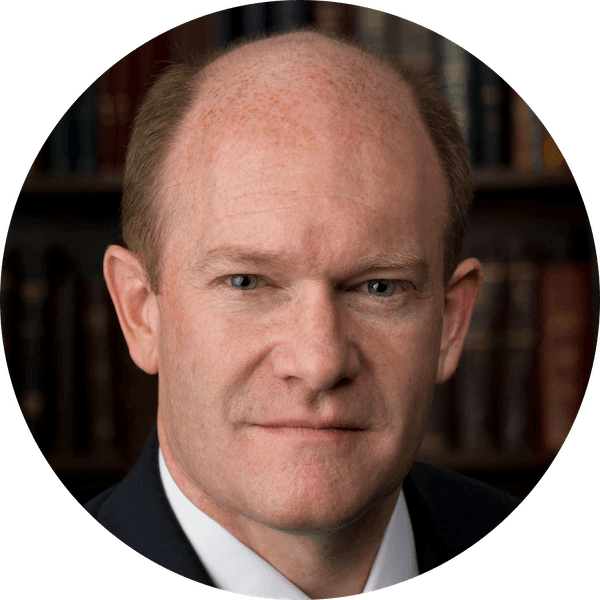
Christopher Coons
Democrat · DE
A federal right to sue over AI fakes of you
Why it matters
Spread an unauthorized AI clone of someone's voice or face, and you could owe anywhere from $5,000 to $750,000 per work. S. 1367 would create a first-of-its-kind federal right that lets people sue over digital replicas of themselves — and it kicks in 180 days after it becomes law.
S. 1367, the NO FAKES Act of 2025, creates a brand-new federal right over your "digital replica" — a computer-generated, highly realistic copy of your voice or face that's clearly recognizable as you. It covers fakes where you never performed at all, and real recordings that have been altered so much the performance is no longer really yours. Authorized remixes, samples, and remastering don't count.
The right belongs to you, living or dead. While you're alive, you can license your likeness but you can't sell the right away permanently. Those licenses come with guardrails: for adults, a license tops out at 10 years and has to be in writing, signed, and specific about how your likeness will be used. For anyone under 18, the cap drops to 5 years, the license ends when they turn 18, and a court has to approve it.
After you die, the right lives on for 10 years. Your estate can keep renewing it in 5-year stretches by showing "active and authorized public use" of your likeness — but the protection ends no later than 70 years after death no matter what. The Copyright Office would run a public online directory tracking who holds these post-death rights.
For platforms, the bill builds a notice-and-takedown system modeled on copyright law. A site generally isn't on the hook until someone sends a valid notice or a court order — then it has to pull the material as fast as is technically and practically feasible to keep its safe harbor, and it has to cut off repeat offenders. The bill also penalizes abuse of that system: send a knowingly false takedown notice, or skip a good-faith review before sending one, and you owe the greater of $25,000 per notice or actual damages plus attorney's fees.
Enforcement runs through private lawsuits with fixed damage amounts. You have 3 years from when you discovered the violation to file. The bill preempts many state likeness claims in expressive works, but preserves state laws and common-law rules already on the books as of January 2, 2025, plus state laws aimed at sexually explicit or election-related deepfakes.
Bill Progress
Latest Action · Apr 9, 2025
Read twice and Referred to the Judiciary. for review
S. 1367 Bill Summary
What S. 1367 actually does.
A new property right over your AI likeness
The bill creates a federal right to control unauthorized digital replicas of your voice or face. It's a property right that you can license but can't permanently sign away while you're alive, and it applies whether you died before or after the law passes.
Protection lasts up to 70 years after death
The right survives death for 10 years, and your estate can renew it in 5-year increments by showing active and authorized public use of your likeness in the prior 2 years. Either way, it ends no later than 70 years after you die.
Extra guardrails for kids
A minor's likeness license can run no more than 5 years, automatically ends when they turn 18, and has to be in writing, signed, specific about its uses, and approved by a court. A parent or guardian can sue on a child's behalf.
Platforms must act fast after notice
An online service generally isn't liable until it gets a valid notice or court order. To keep its safe harbor, it then has to remove the material as soon as technically and practically feasible and maintain a policy for cutting off repeat violators.
False takedown notices cost $25,000
Knowingly misrepresenting that material is an unauthorized replica, or sending a notice without a good-faith review first, triggers a penalty of the greater of $25,000 per notice or actual damages plus attorney's fees.
Damages run from $5,000 to $750,000
The bill sets fixed amounts by who's responsible: $5,000 per work for individuals, $25,000 per work for platforms that tried in good faith to comply, $25,000 per work for other companies, and up to $750,000 per work for non-compliant platforms. Lawsuits must be filed within 3 years of discovery.
State laws frozen as of January 2, 2025
The bill preempts many state voice- and likeness-rights claims in expressive works, but preserves state statutes and common-law rules that existed on January 2, 2025, plus state laws specifically targeting sexually explicit or election-related deepfakes.
Who benefits from S. 1367?
Musicians, actors, and other performers
They get a federal way to sue when someone clones their voice or face without permission, with set damages of $5,000 per work against individuals and $25,000 per work against companies, plus possible punitive damages for willful misconduct.
Anyone who's ever been deepfaked
You don't have to be famous. The right covers any individual, so an ordinary person whose face is pasted into a fake video gets the same federal cause of action a celebrity does.
Families and estates of public figures
They can control replicas of a deceased person for 10 years, renew in 5-year stretches by showing active use of the likeness, and keep protection for as long as 70 years after death.
Kids and their parents
The bill adds a tighter set of rules for anyone under 18 — 5-year license cap, automatic termination at 18, and mandatory court approval — and lets a parent or guardian bring the lawsuit.
Who is affected by S. 1367?
Platforms that host user uploads
Websites, apps, VR environments, and other registered services would need notice-and-takedown systems, repeat-violator policies, and a designated agent on file with the Copyright Office. A platform that doesn't try in good faith to comply faces up to $750,000 per work.
AI deepfake tool makers
The bill reaches not just the fake content but products and services primarily designed to generate unauthorized replicas of specific people, exposing those companies to $25,000 per product and possible punitive damages.
People who send takedown notices
The takedown process is powerful, but abusing it is costly: a knowingly false notice, or one sent without a good-faith review, can cost the greater of $25,000 per notice or actual damages and attorney's fees.
Journalists, documentarians, and satirists
The bill carves out bona fide news, public affairs, sports, documentaries, biographical works, commentary, criticism, scholarship, satire, parody, and fleeting uses. Those carve-outs don't apply when a replica depicts sexually explicit conduct.
S1367 Legislative Journey
Committee Action
Apr 9, 2025
Read twice and referred to the Committee on the Judiciary.
About the Sponsor
Christopher Coons
Democrat, DE · 16 years in Congress
Committees: Senate Select Committee on Ethics, Foreign Relations, the Judiciary
View full profile →
Cosponsors (13)
This bill has 13 cosponsors: 6 Democrats, 7 Republicans, reflecting bipartisan support. Cosponsors represent 12 states: Alabama, California, Florida, and 9 more.

Marsha Blackburn
Republican · TN

Amy Klobuchar
Democrat · MN
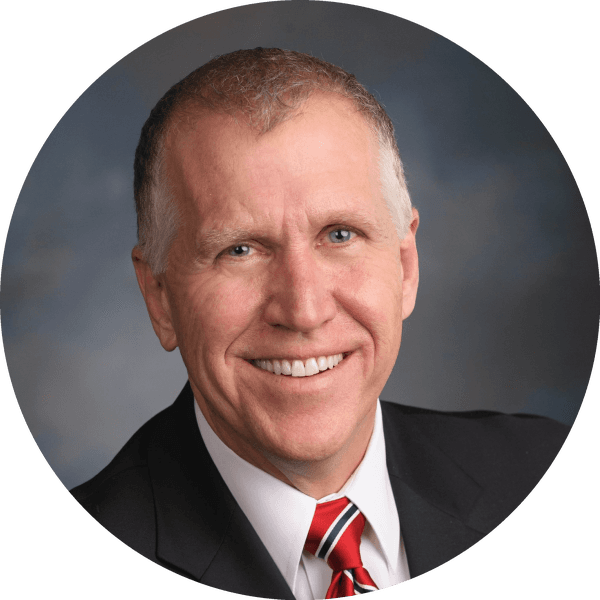
Thomas Tillis
Republican · NC
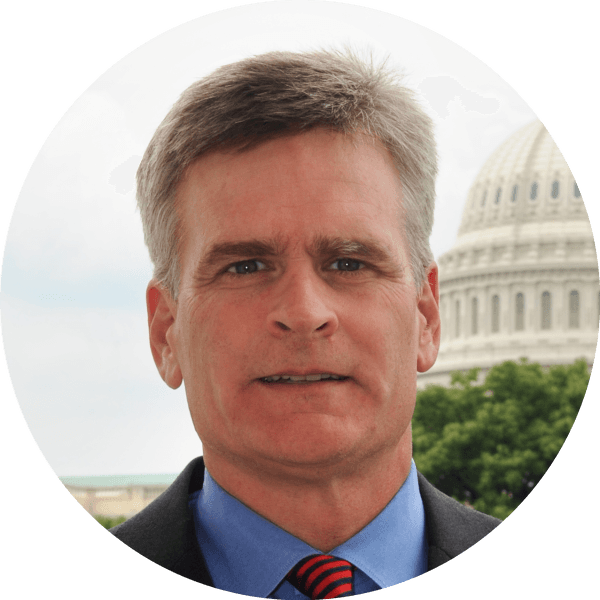
Bill Cassidy
Republican · LA
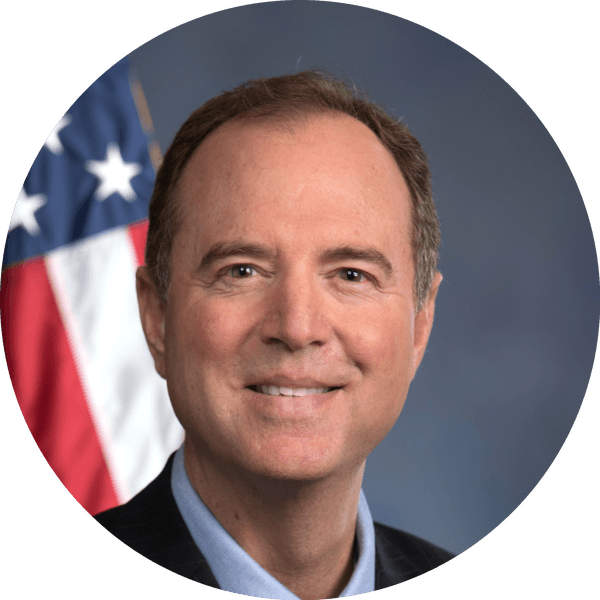
Adam Schiff
Democrat · CA
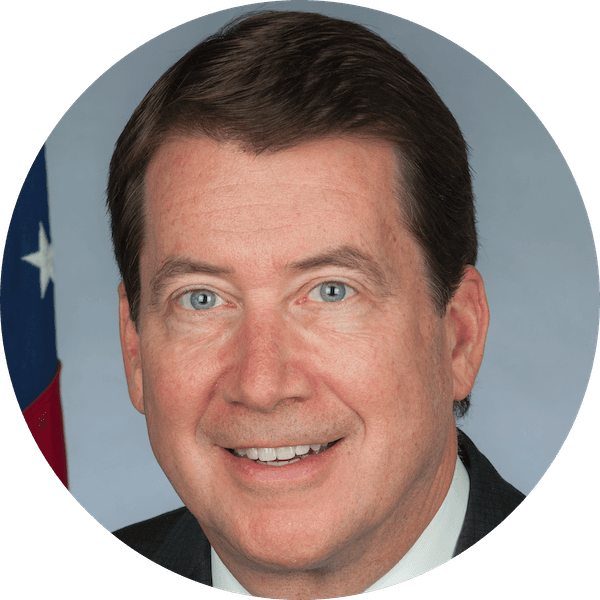
Bill Hagerty
Republican · TN
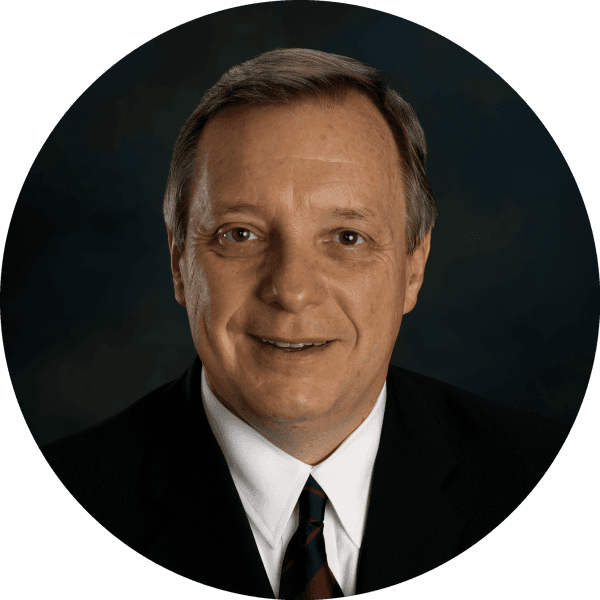
Richard Durbin
Democrat · IL

Mazie Hirono
Democrat · HI
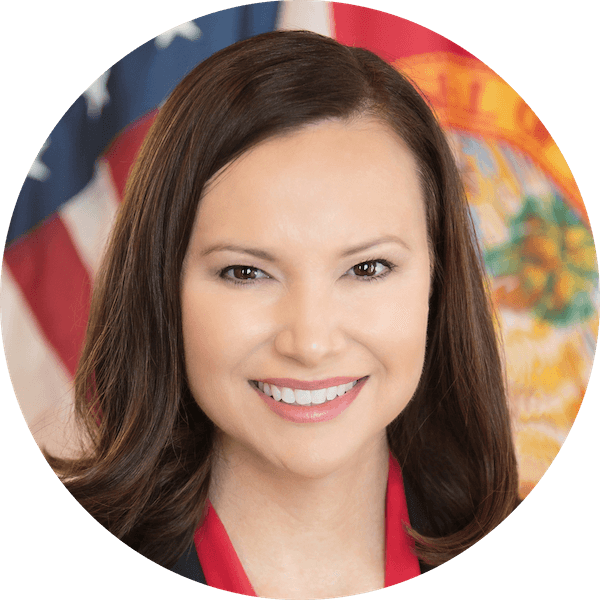
Ashley Moody
Republican · FL
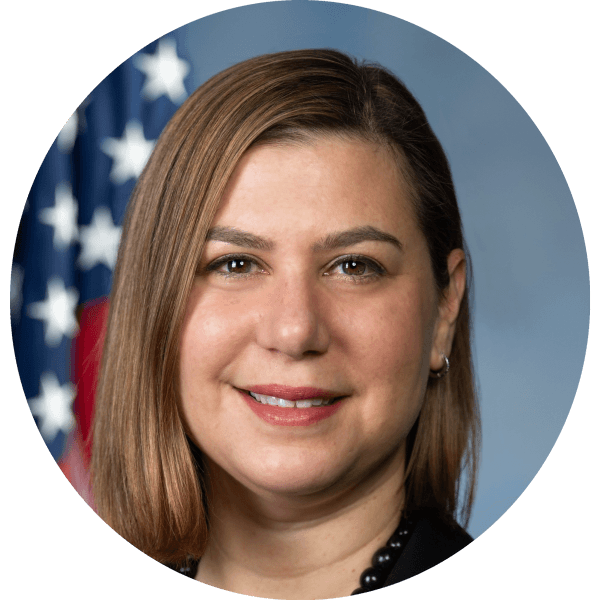
Elissa Slotkin
Democrat · MI
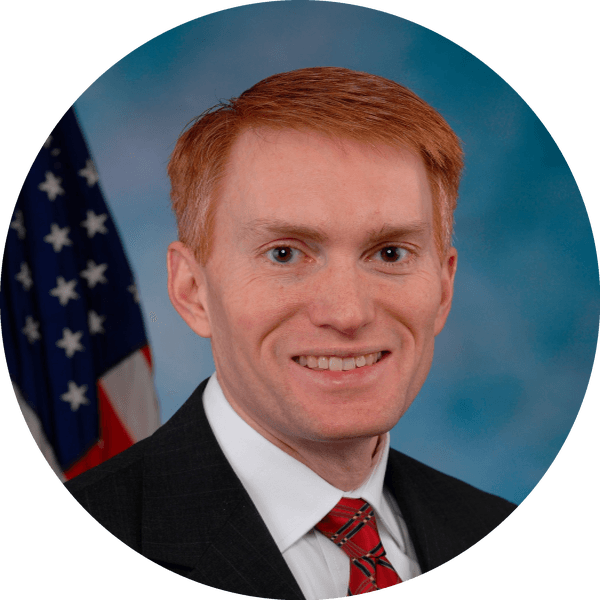
James Lankford
Republican · OK

Peter Welch
Democrat · VT
Committee Sponsors
Judiciary Committee
9 of 21 committee members cosponsored


5 Democrats across this committee haven't cosponsored yet. Mobilize their constituents
S. 1367 Quick Facts
- Committee
- Judiciary
- Chamber
- Senate
- Policy
- Commerce
- Introduced
- Apr 9, 2025
Read twice and Referred to the Judiciary. for review
Apr 9, 2025
Official Sources
The full text, sponsors, and legislative history of the NO FAKES Act of 2025.
The committee where S. 1367 is currently parked awaiting a hearing.
The Copyright Office's digital-replicas study that called for the federal right S. 1367 would create.
The existing notice-and-takedown agent registry the bill's platform safe harbor is modeled on.
Section 230 of the Communications Act; the bill treats itself as an intellectual-property law exempt from its liability shield.
Defines 'sexually explicit conduct' — the carve-out for news, satire, and commentary does not apply to replicas depicting it.
The compulsory music license provision used to define which digital music providers count as covered online services.
Who is lobbying on S. 1367?
3 organizations lobbying on this bill
RECORDING ACADEMY | 20 |
SESAC RIGHTS MANAGEMENT INC | 12 |
ACADEMY OF TELEVISION ART & SCIENCES | 6 |
Showing 1-3 of 3 organizations
S. 1367 Common Questions
How much could you owe for spreading an AI deepfake under the NO FAKES Act?
It depends who you are. S. 1367 sets fixed damages of $5,000 per work for individuals, $25,000 per work for platforms that tried in good faith to comply, $25,000 for other companies, and up to $750,000 per work for non-compliant platforms — plus punitive damages for willful misconduct.
Can someone control AI clones of a person after they die?
Yes. Under the NO FAKES Act, the right survives death for 10 years, and an estate can keep renewing it in 5-year stretches by showing active, authorized public use of the likeness. It ends no later than 70 years after death.
Can a minor license their AI voice or likeness?
Only on tight terms. Under the NO FAKES Act, a minor's license can run no more than 5 years, ends when they turn 18, and has to be in writing, signed, specific about its uses, and approved by a court. A parent or guardian can sue on the child's behalf.
Do platforms have to remove AI deepfakes after they're notified?
Yes, if they want safe harbor. Under the NO FAKES Act, a platform generally isn't liable until it gets a valid notice or court order — then it has to remove the material as fast as technically and practically feasible and cut off repeat violators.
How much can a false takedown notice cost under the NO FAKES Act?
Send a knowingly false notice, or skip a good-faith review before sending one, and you owe the greater of $25,000 per notice or actual damages plus attorney's fees. The penalty is meant to stop people from abusing the takedown system.
Is saying "this is AI-generated" a defense under the NO FAKES Act?
No. Under the NO FAKES Act, a disclaimer that a replica is unauthorized or AI-generated is not a valid defense in a lawsuit. Labeling the fake doesn't get you off the hook.
What kinds of content are exempt from the NO FAKES Act?
The bill carves out bona fide news, public affairs, sports, documentaries, biographical works, commentary, criticism, scholarship, satire, parody, and fleeting or negligible uses. Those exemptions don't apply when a replica depicts sexually explicit conduct.
Would the NO FAKES Act override state deepfake laws?
Partly. The bill preempts many state likeness claims in expressive works, but preserves state statutes and common-law rules that existed on January 2, 2025, plus state laws aimed at sexually explicit or election-related deepfakes.
Based on S. 1367 bill text
S. 1367 Bill Text
“To protect intellectual property rights in the voice and visual likeness of individuals, and for other purposes.”
Source: U.S. Government Publishing Office
Get notified when S. 1367 moves
Committee votes, floor action, cosponsor changes — straight to your inbox.
Bill alerts + Legisletter's monthly briefing. Unsubscribe anytime.
Commerce Bills
9 related bills we're tracking
Therapeutic Fraud Prevention Act of 2025
Referred to the House Committee on Energy and Commerce.
May 7, 2025
Algorithmic Accountability Act of 2025


Referred to the House Committee on Energy and Commerce.
Sep 19, 2025
Protecting Circuit Boards and Substrates Act

Referred to the Committee on Ways and Means, and in addition to the Committees on Energy and Commerce, and Science, Space, and Technology, for a period to be subsequently determined by the Speaker, in each case for consideration of such provisions as fall within the jurisdiction of the committee concerned.
May 23, 2025
Children and Teens’ Online Privacy Protection Act


Held at the desk.
Mar 16, 2026
Competition and Antitrust Law Enforcement Reform Act of 2025
Read twice and referred to the Committee on the Judiciary.
Jan 16, 2025
Made in America Manufacturing Finance Act
Committee on Small Business and Entrepreneurship. Hearings held.
May 13, 2026
Antitrust Accountability and Transparency Act
Read twice and referred to the Committee on the Judiciary.
Mar 17, 2026
Algorithmic Accountability Act of 2025

Read twice and referred to the Committee on Commerce, Science, and Transportation.
Jun 25, 2025
App Store Freedom Act
Referred to the House Committee on Energy and Commerce.
May 6, 2025
Trending Right Now
Bills gaining momentum across Congress
North Platte Canteen Congressional Gold Medal Act


Referred to the House Committee on Financial Services.
Feb 21, 2025
Fit to Serve Act

Referred to the House Committee on Armed Services.
May 21, 2025
ASAP Act

Ordered to be Reported in the Nature of a Substitute by the Yeas and Nays: 40 - 0.
Sep 16, 2026
Tracking Commerce in Congress? Monitor bills, track cosponsor momentum, and launch advocacy campaigns — all from one advocacy platform.