H.R. 5271: Pakistan Freedom and Accountability Act
Sponsor
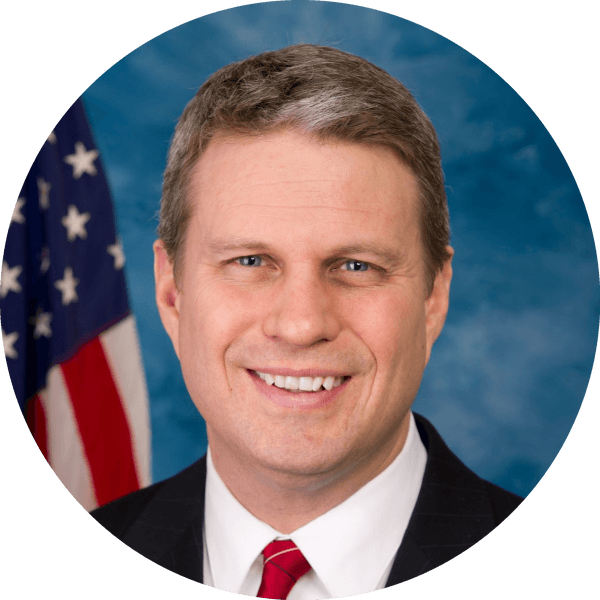
Bill Huizenga
Republican · MI-4
180 days to name Pakistani officials for possible U.S. sanctions
Why it matters
H.R. 5271 has picked up 90 cosponsors across both parties — Republican sponsor Bill Huizenga of Michigan alongside progressive Democrats like Pramila Jayapal and Rashida Tlaib, plus Republicans like Brian Fitzpatrick and Joe Wilson. It would force the White House to identify senior Pakistani officials Congress says undermined democracy or committed gross human rights violations — within 180 days — and then unlock existing Global Magnitsky sanctions against anyone on the list.
H.R. 5271 is a naming bill before it's a sanctions bill. Within 180 days of becoming law, the President has to send Congress a report identifying senior or former senior Pakistani government, military, or security officials the administration determines, based on credible evidence, were responsible for gross human rights violations or for abuses tied to undermining democracy in Pakistan.
The report can also list companies and other entities owned or controlled by those officials, so the pressure doesn't stop at individual names.
After the report lands, the President may use existing Global Magnitsky sanctions against anyone identified. That 'may' is doing a lot of work — the bill doesn't force a single sanction. It builds the list and hands the President a button to push.
The bill anchors itself to a specific timeline of Pakistani political changes. Congress points to the February 8, 2024 general election and credible-observer allegations of electoral violence, intimidation, arrests of political actors, and restrictions on assembly, expression, and internet access. The bill's findings also flag an October 2024 constitutional change Congress says shifted political influence over judicial appointments, a November 2024 law extending the terms of military service chiefs by two years, and August 2025 legislation expanding 'preventive' detention powers.
What the bill explicitly does not do: it does not block agricultural commodities, food, medicine, medical devices, or humanitarian assistance — those carve-outs are written into the sanctions language. It preserves U.S. obligations under the UN headquarters agreement, and it exempts authorized intelligence, law-enforcement, and national-security activity.
The authority is also temporary. H.R. 5271 sunsets on September 30, 2030, unless Congress renews it.
Bill Progress
Latest Action · Sep 10, 2025
Referred to Foreign Affairs, and in addition to the Committee on the Judiciary, for a period to be subsequently determined by the Speaker, in each case for consideration of such provisions as fall within the jurisdiction of the committee concerned. for review
H.R. 5271 Bill Summary
What H.R. 5271 actually does.
Senior Pakistani officials get named within 180 days
The President has 180 days after enactment to send Congress a report identifying senior or former senior Pakistani government, military, or security officials the administration determines, based on credible evidence, were responsible for gross human rights violations or for abuses tied to undermining democracy.
Companies tied to those officials can land on the list too
The report also covers entities owned or controlled by officials who are identified, extending pressure beyond individual names to business holdings linked to them.
Sanctions are optional — the President picks
Once names are identified, the President may use sanctions already available under the Global Magnitsky Human Rights Accountability Act. The bill creates the list but does not require any sanction to follow.
Congress anchors the bill to Pakistan's 2024–2025 political changes
The bill's findings cite the February 8, 2024 election and observer allegations of interference, an October 2024 constitutional change Congress says shifted political influence over judicial appointments, a November 2024 extension of military service chiefs' terms by two years, and August 2025 legislation expanding 'preventive' detention powers.
The report can be sent in classified form
The 180-day report may be transmitted to the House Foreign Affairs and Senate Foreign Relations committees in classified form, meaning the public may not see the names directly.
Food, medicine, and humanitarian aid get carved out
Sanctions cannot be used to block agricultural commodities, food, medicine, medical devices, humanitarian assistance, or the financial transactions and transportation services tied to humanitarian work. UN headquarters obligations and authorized intelligence, law-enforcement, and national-security activity are also exempt.
The authority sunsets in 2030
H.R. 5271 terminates on September 30, 2030, unless Congress passes a renewal.
Who benefits from H.R. 5271?
Pakistanis pushing back on the 2024 election aftermath
The bill's findings point to millions who voted on February 8, 2024 and cite allegations of arrests, intimidation, and restrictions on internet and telecommunications access around the vote. Anyone affected gets a U.S. accountability mechanism aimed at the senior officials Congress holds responsible.
Pakistani civil society — women's networks, youth groups, and democracy advocates
The bill's findings flag civil society groups continuing to push for accountable governance. A 180-day naming deadline gives them a concrete U.S. pressure point beyond statements of concern.
Humanitarian groups and medical suppliers
Aid organizations and suppliers of food, medicine, and medical devices get explicit carve-outs. Sanctions cannot be applied to humanitarian transactions or to the financial and transportation services that support them.
House Foreign Affairs and Senate Foreign Relations committees
Both committees would receive the 180-day report — a concrete list to scrutinize rather than relying solely on public diplomacy and State Department statements.
Who is affected by H.R. 5271?
Senior and former senior Pakistani officials
Officials in Pakistan's government, military, and security forces could be named if the President determines, based on credible evidence, that they were responsible for gross human rights violations or abuses tied to undermining democracy.
Businesses owned or controlled by named officials
Companies and other entities linked to identified officials could be listed in the report, which could expose them to follow-on Global Magnitsky sanctions and reputational pressure from U.S.-linked financial institutions.
The White House and State Department
The administration has to produce the report on deadline, sustain the credible-evidence determination, and then decide whether to convert the list into actual sanctions.
U.S.-Pakistan diplomatic ties
Pakistan is a longstanding U.S. partner. If the bill becomes law and names are published, bilateral relations could face new strain because Congress is explicitly linking Pakistan's recent political changes to possible sanctions.
HR5271 Legislative Journey
House: Committee Action
Sep 10, 2025
Referred to the Committee on Foreign Affairs, and in addition to the Committee on the Judiciary, for a period to be subsequently determined by the Speaker, in each case for consideration of such provisions as fall within the jurisdiction of the committee concerned.
About the Sponsor
Bill Huizenga
Republican, Michigan's 4th congressional district · 15 years in Congress
Committees: Financial Services, Foreign Affairs
View full profile →
Cosponsors (113)
This bill has 113 cosponsors: 83 Democrats, 29 Republicans, 1 Independent, reflecting bipartisan support. Cosponsors represent 32 states: Arizona, California, Colorado, and 29 more.

Sydney Kamlager-Dove
Democrat · CA

John Moolenaar
Republican · MI

Julie Johnson
Democrat · TX
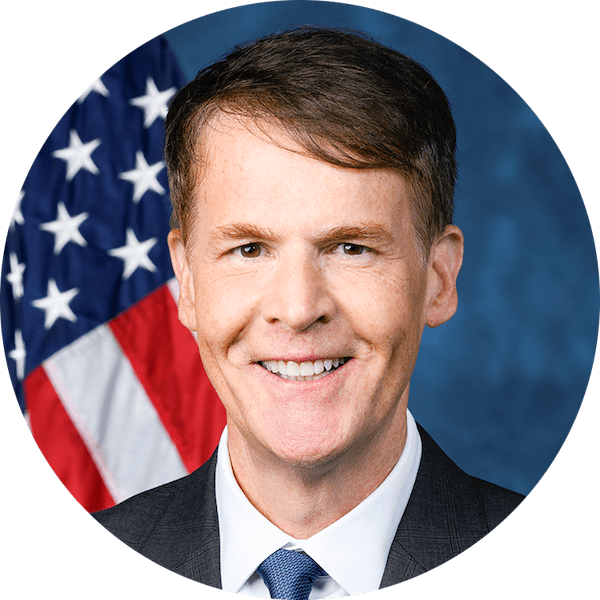
Jefferson Shreve
Republican · IN

Richard McCormick
Republican · GA
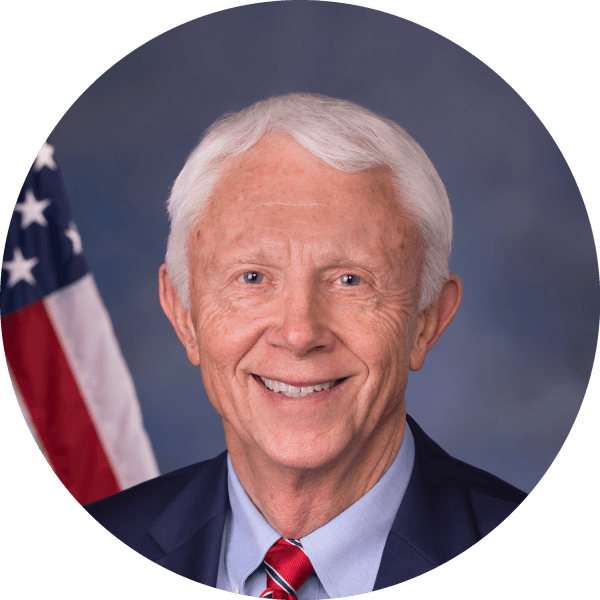
Jack Bergman
Republican · MI
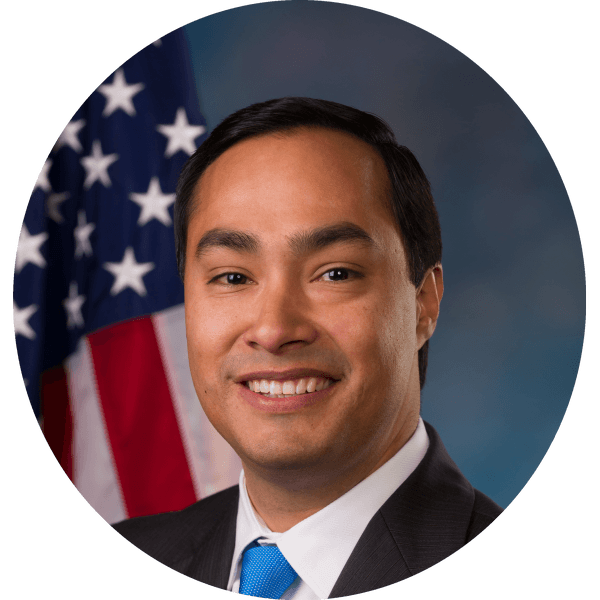
Joaquin Castro
Democrat · TX
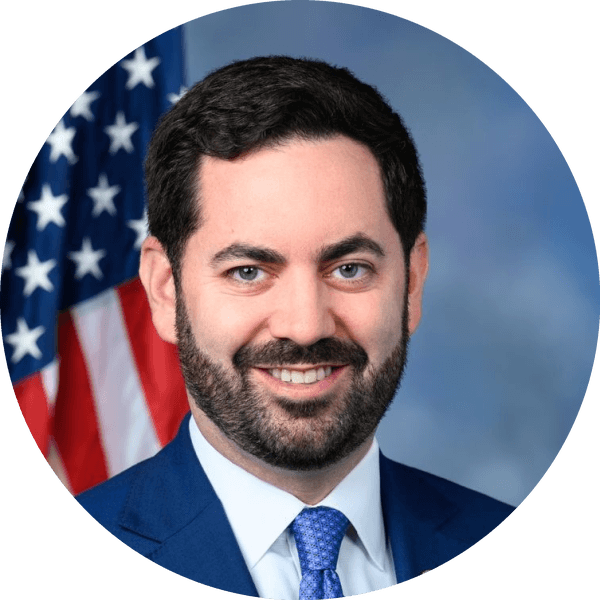
Michael Lawler
Republican · NY
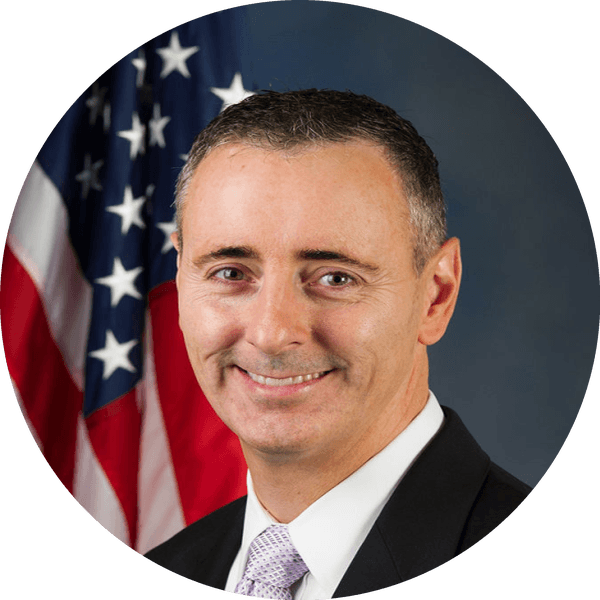
Brian Fitzpatrick
Republican · PA

Debbie Dingell
Democrat · MI

Summer Lee
Democrat · PA

Haley Stevens
Democrat · MI
Cosponsor Coverage Map
Committee Sponsors
Judiciary Committee
12 of 44 committee members cosponsored


Foreign Affairs Committee
31 of 53 committee members cosponsored


40 Republicans across these committees haven't cosponsored yet. Mobilize their constituents
H.R. 5271 Quick Facts
- Committee
- Judiciary
- Chamber
- House
- Policy
- International Affairs
- Introduced
- Sep 10, 2025
Referred to Foreign Affairs, and in addition to the Committee on the Judiciary, for a period to be subsequently determined by the Speaker, in each case for consideration of such provisions as fall within the jurisdiction of the committee concerned. for review
Sep 10, 2025
Official Sources
The official Congress.gov page is the primary source for the bill's text, status, sponsor, and actions.
The bill explicitly allows the President to use existing Global Magnitsky sanctions authorities against people identified in the required report.
This is the underlying statutory sanctions authority the bill plugs into when authorizing the President to act on names in the report.
The bill text cites 22 U.S.C. 2656 note as the codified location of the Global Magnitsky sanctions authority it relies on.
OFAC administers U.S. sanctions programs, so any sanctions authorized by this bill would be implemented through this office.
The bill identifies the House Foreign Affairs Committee as one of the two committees that would receive the President's 180-day report.
The bill identifies the Senate Foreign Relations Committee as the second of the two committees that would receive the President's 180-day report.
H.R. 5271 Common Questions
What does H.R. 5271 actually do?
It gives the President 180 days to send Congress a report naming senior Pakistani government, military, or security officials Congress says are tied to human rights abuses or to undermining democracy. After the report, the President can use existing Global Magnitsky sanctions against anyone on it.
Does H.R. 5271 automatically sanction anyone?
No. The bill requires the naming report first. Sanctions are optional after that — the President 'may' use existing Global Magnitsky authority, but isn't required to.
Who could be named under H.R. 5271?
Senior or former senior officials in Pakistan's government, military, or security forces could be named if the President determines, based on credible evidence, that they were responsible for gross human rights violations or abuses tied to undermining democracy.
What is the Global Magnitsky Act, and why does H.R. 5271 use it?
Global Magnitsky is a 2016 law that lets the U.S. impose targeted sanctions — like asset freezes and visa bans — on foreign officials tied to human rights abuses or corruption. H.R. 5271 plugs into that existing authority instead of creating a new sanctions regime from scratch.
Can companies tied to Pakistani officials be listed too?
Yes. The report also covers entities owned or controlled by the officials identified, so business holdings can land on the list alongside the people themselves.
What events in Pakistan does the bill point to?
The findings cite the February 8, 2024 general election and observer allegations of violence and intimidation around it, internet restrictions, an October 2024 constitutional change Congress says shifted political influence over judicial appointments, a November 2024 extension of military chiefs' terms by two years, and August 2025 legislation expanding 'preventive' detention.
Would food, medicine, or humanitarian aid be blocked?
No. The bill says sanctions cannot apply to agricultural commodities, food, medicine, medical devices, humanitarian assistance, or the financial and transportation services tied to humanitarian work.
When would H.R. 5271 expire?
The authority sunsets on September 30, 2030. After that, Congress would need to pass a renewal to keep the sanctions and reporting framework in place.
Based on H.R. 5271 bill text
H.R. 5271 Bill Text
“To impose sanctions relating to undermining democracy in Pakistan.”
Source: U.S. Government Publishing Office
Get notified when H.R. 5271 moves
Committee votes, floor action, cosponsor changes — straight to your inbox.
Bill alerts + Legisletter's monthly briefing. Unsubscribe anytime.
International Affairs Bills
9 related bills we're tracking
Enhanced Iran Sanctions Act of 2025




Motion to place bill on Consensus Calendar filed by Mr. Lawler.
Jan 12, 2026
United States-Israel Defense Partnership Act of 2025

Referred to the Committee on Armed Services, and in addition to the Committee on Foreign Affairs, for a period to be subsequently determined by the Speaker, in each case for consideration of such provisions as fall within the jurisdiction of the committee concerned.
Feb 12, 2025
West Bank Violence Prevention Act of 2025

Referred to the Committee on Foreign Affairs, and in addition to the Committee on the Judiciary, for a period to be subsequently determined by the Speaker, in each case for consideration of such provisions as fall within the jurisdiction of the committee concerned.
Apr 28, 2025
Global Respect Act



Referred to the Committee on Foreign Affairs, and in addition to the Committee on the Judiciary, for a period to be subsequently determined by the Speaker, in each case for consideration of such provisions as fall within the jurisdiction of the committee concerned.
Nov 19, 2025
Sanctioning Russia Act of 2025



Referred to the Committee on Foreign Affairs, and in addition to the Committees on the Judiciary, Financial Services, Ways and Means, and Oversight and Government Reform, for a period to be subsequently determined by the Speaker, in each case for consideration of such provisions as fall within the jurisdiction of the committee concerned.
Apr 1, 2025
International Human Rights Defense Act of 2025



Referred to the House Committee on Foreign Affairs.
Nov 17, 2025
Global Health, Empowerment and Rights Act



Referred to the House Committee on Foreign Affairs.
Jan 28, 2025
Baltic Security Assessment Act of 2025




Ordered to be Reported by the Yeas and Nays: 41 - 3.
Apr 22, 2026
Dismantle Foreign Scam Syndicates Act
Ordered to be Reported in the Nature of a Substitute (Amended) by the Yeas and Nays: 48 - 0.
Dec 3, 2025
Trending Right Now
Bills gaining momentum across Congress
North Platte Canteen Congressional Gold Medal Act


Referred to the House Committee on Financial Services.
Feb 21, 2025
America’s Olympic and Paralympic Games Commemorative Coins Act


Referred to the House Committee on Financial Services.
Jul 14, 2025
Fit to Serve Act


Referred to the House Committee on Armed Services.
May 21, 2025
Tracking International Affairs in Congress? Monitor bills, track cosponsor momentum, and launch advocacy campaigns — all from one advocacy platform.