H.R. 1657: Humane Cosmetics Act of 2025
Sponsor
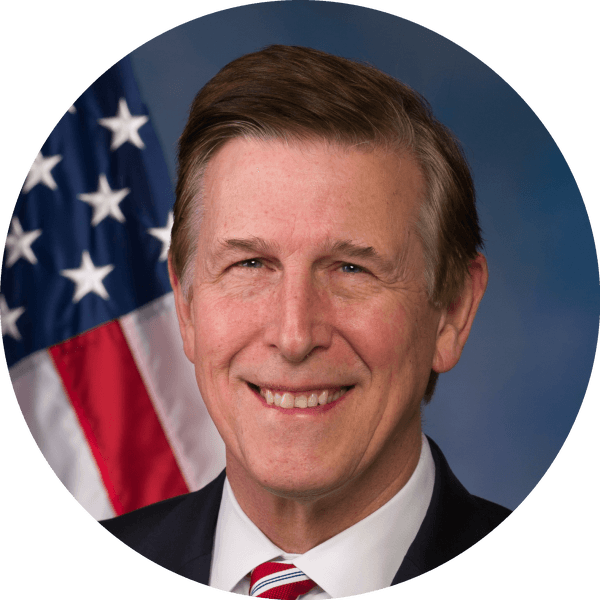
Donald Beyer
Democrat · VA-8
End cosmetic animal testing — with one big carveout
Why it matters
H.R. 1657 would ban most U.S. cosmetic animal testing one year after enactment, with civil penalties up to $10,000 per animal, per day. The bill would also override state animal-testing rules unless they match federal law exactly. It carries 118 cosponsors.
H.R. 1657 — the Humane Cosmetics Act of 2025 — would do three things one year after enactment. It would make it illegal to knowingly conduct or contract for cosmetic animal testing in the United States. It would block the sale or interstate shipment of any cosmetic developed or made using new animal tests anywhere in the supply chain. And it would generally bar companies from using post-effective-date animal-test data to prove a cosmetic is safe.
The ban is strict but not absolute. Four exceptions survive: testing required by foreign regulators, testing the FDA's parent agency formally requests after a 60-day public-comment process, testing for products regulated as drugs, and testing required for non-cosmetic purposes by any federal, state, or foreign regulator. Under the foreign-regulator carveout, companies can keep running animal tests abroad if a country like China requires them, and continue selling those products elsewhere.
Civil penalties run up to $10,000 per violation. The bill stacks the math: each animal counts as a separate offense, and each day a violation continues is its own offense too.
The state-preemption clause is where the politics gets contested. More than a dozen states already ban cosmetic animal testing, some with broader scope or fewer exemptions than the federal version. Under H.R. 1657, those states could only enforce rules identical to the federal ones, even if their existing laws are tougher. The bill has 118 cosponsors and bipartisan presence, but the foreign-testing exception and the preemption language are the two pieces most likely to draw scrutiny in committee.
Bill Progress
Latest Action · Feb 27, 2025
Referred to the House Committee on Energy and Commerce.
H.R. 1657 Bill Summary
What H.R. 1657 actually does.
Most U.S. cosmetic animal testing becomes illegal
One year after enactment, knowingly conducting or contracting for cosmetic animal testing in the United States would be unlawful. The ban applies to manufacturers and any third party they hire.
Cosmetics made with new animal tests can't be sold here
Companies could not knowingly sell, offer, or ship in interstate commerce any cosmetic developed or manufactured using new animal testing — including testing done anywhere in the supply chain after the effective date.
New animal-test data can't prove a cosmetic is safe
Animal-testing evidence generated after the effective date generally couldn't be used to establish safety for a cosmetic, ingredient, or constituent. Existing records and pre-effective-date data are unaffected.
Foreign-regulator testing stays legal
Animal testing conducted outside the United States to comply with a foreign country's regulatory requirement is exempt. Companies selling into markets that mandate animal testing can continue running those tests abroad.
Three other carveouts for safety, drugs, and non-cosmetic uses
The bill exempts testing the FDA's parent agency formally requests after a 60-day public-comment process, testing for products regulated as drugs, and testing required for non-cosmetic purposes by any federal, state, or foreign regulator.
Penalties stack — per animal, per day
Civil penalties run up to $10,000 per violation. Each animal tested counts as a separate offense, and each day a violation continues counts separately, so totals can compound quickly.
States lose authority to keep stricter rules
States and localities couldn't keep or create cosmetic animal-testing or data-use rules unless they are identical to the federal version. More than a dozen states currently have their own cosmetic animal-testing bans.
Who benefits from H.R. 1657?
Animal welfare advocates
A national ban on most cosmetic animal testing has been a top priority for cruelty-free organizations for over a decade. The bill carries 118 cosponsors, including a handful of Republicans.
Cruelty-free consumers
Anyone who already shops by the bunny label gets a federal floor — most cosmetics on U.S. shelves wouldn't be tied to new animal tests anywhere in the supply chain, regardless of how a brand markets itself.
Brands using non-animal testing methods
Companies that built their products around in vitro testing, organ-on-chip assays, or computer modeling could see their compliance work pay off as competitors face new restrictions.
National cosmetic brands
Brands selling across all 50 states get one federal rulebook instead of navigating a patchwork of state cosmetic animal-testing laws.
Who is affected by H.R. 1657?
Cosmetic manufacturers
Every brand selling in the U.S. would need to audit its supply chain to confirm no new animal tests support its products. Documentation requirements run all the way back through ingredient suppliers.
Ingredient suppliers
Suppliers face pressure to certify how each ingredient was tested and for what purpose. New animal-test data on raw ingredients generally couldn't be used to back up a cosmetic safety case.
States with stricter cosmetic animal-testing laws
More than a dozen states already ban cosmetic animal testing, some with broader scope or fewer exceptions. Under the bill, those states could only enforce rules identical to the federal version.
FDA and HHS
The agencies would handle exemption findings, public-comment periods on proposed safety testing, document requests, and civil-penalty enforcement — all without a dedicated funding stream.
HR1657 Legislative Journey
House: Committee Action
Feb 27, 2025
Referred to the House Committee on Energy and Commerce.
About the Sponsor
Donald Beyer
Democrat, Virginia's 8th congressional district · 11 years in Congress
Committees: Joint Economic Committee, Ways and Means
View full profile →
Cosponsors (158)
This bill has 158 cosponsors: 145 Democrats, 13 Republicans. Cosponsors represent 37 states: Alabama, Arizona, California, and 34 more.

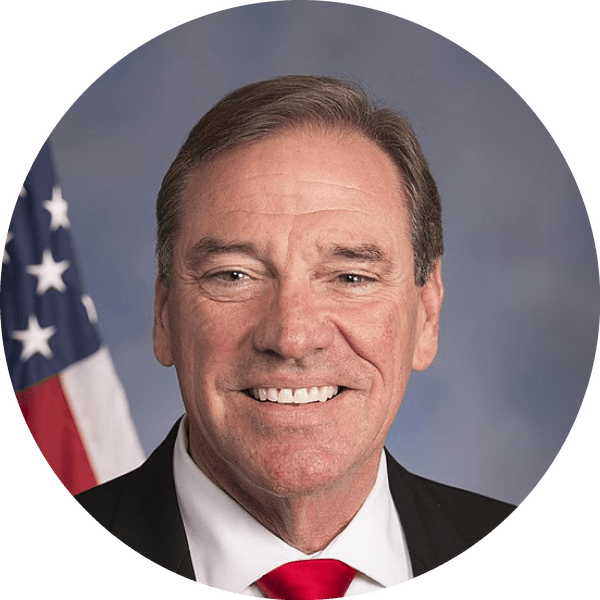
Vern Buchanan
Republican · FL
Paul Tonko
Democrat · NY

Ken Calvert
Republican · CA
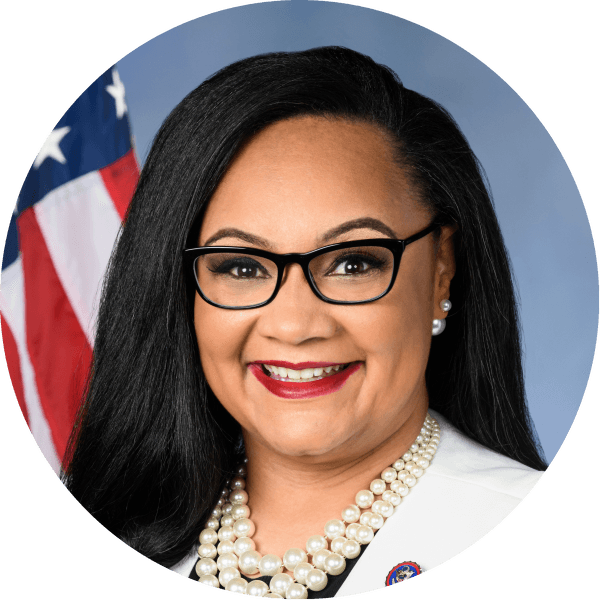
Nanette Barragán
Democrat · CA
Rashida Tlaib
Democrat · MI
Dina Titus
Democrat · NV
Stephen Lynch
Democrat · MA
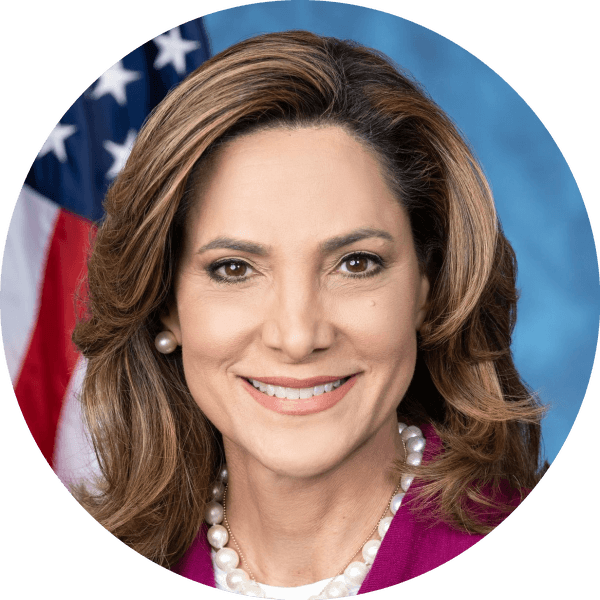
Nicole Malliotakis
Republican · NY
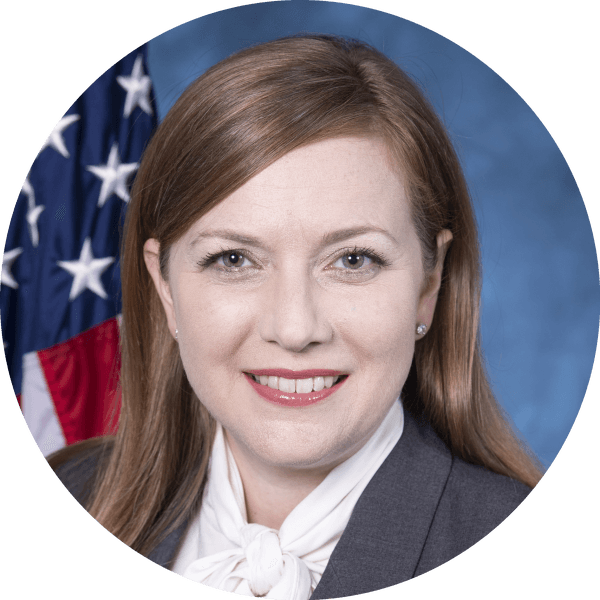
Mary Scanlon
Democrat · PA

Pramila Jayapal
Democrat · WA

Suhas Subramanyam
Democrat · VA
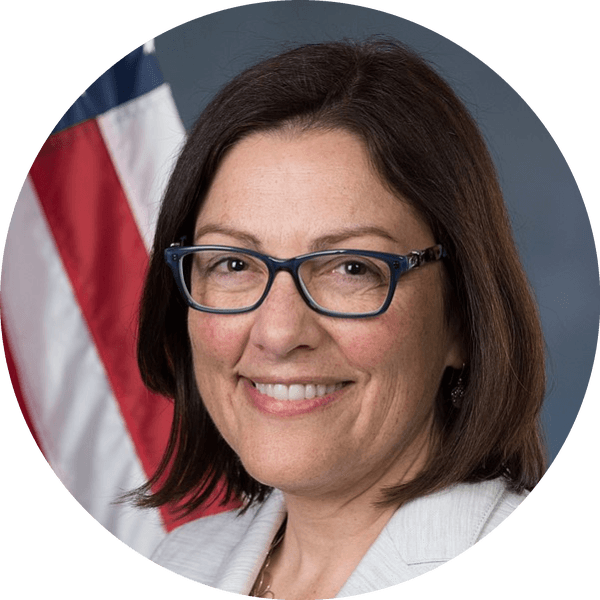
Suzan DelBene
Democrat · WA
Cosponsor Coverage Map
Committee Sponsors
Energy and Commerce Committee
19 of 54 committee members cosponsored


6 Democrats across this committee haven't cosponsored yet. Mobilize their constituents
H.R. 1657 Quick Facts
- Committee
- Energy and Commerce
- Chamber
- House
- Policy
- Health
- Introduced
- Feb 27, 2025
Referred to the House Committee on Energy and Commerce.
Feb 27, 2025
Official Sources
Official bill text, cosponsors, and legislative status for the Humane Cosmetics Act of 2025.
FDA's current policy on animal testing in cosmetics, including support for alternative methods and the agency's role referenced throughout the bill.
FDA Q&A explaining that federal law does not require animal testing for cosmetics and that manufacturers bear responsibility for safety substantiation.
FDA guidance on cruelty-free labeling claims, noting there are currently no legal definitions for these terms.
The existing federal cosmetics regulatory framework that this bill would build upon, including FDA's expanded authority over cosmetic safety.
The federal interagency committee referenced in the bill (Section 2(c)(1)(A)) as a body whose recognized non-animal methods determine when animal testing data restrictions apply.
The existing federal cosmetics statute (21 USC 361-364j) that the Humane Cosmetics Act would amend, including MoCRA provisions on safety substantiation and preemption.
Who is lobbying on H.R. 1657?
2 organizations lobbying on this bill
HUMANE WORLD ACTION FUND (FKA HUMANE SOCIETY LEGISLATIVE FUND) | 1 |
CRUELTY FREE INTERNATIONALUnited Kingdom | 1 |
Showing 1-2 of 2 organizations
H.R. 1657 Common Questions
When would H.R. 1657's ban on cosmetic animal testing take effect?
One year after the bill becomes law. After that date, knowingly conducting or hiring someone to conduct cosmetic animal testing in the United States would be unlawful, and cosmetics tied to new animal tests anywhere in the supply chain couldn't be sold here.
Are 'cruelty-free' cosmetic labels currently regulated?
No. The FDA has confirmed there is no legal definition for 'cruelty-free' or 'not tested on animals,' so brands can use the bunny logo without much oversight. H.R. 1657 doesn't change the labeling rules — it changes what testing is allowed in the first place.
Can cosmetic brands still test on animals overseas if H.R. 1657 passes?
Yes. The bill carves out testing conducted outside the United States to comply with a foreign regulator's requirement. Companies that need to sell in markets like China — which has historically required animal testing for some imported cosmetics — could still run those tests abroad.
What are the penalties for cosmetic animal testing under H.R. 1657?
Civil penalties run up to $10,000 per violation. Each animal counts as a separate offense, and each day a violation continues counts separately too. A multi-product test on multiple animals over several weeks could stack to large totals.
Could California or other states keep stricter cosmetic animal testing laws?
Generally no. The bill preempts state and local laws on cosmetic animal testing or animal-test data use unless they are identical to the federal rules. States with broader bans or fewer exemptions would have to align with the federal standard.
Does the bill apply to drug ingredients tested on animals?
No. Animal testing for products regulated as drugs under Chapter V of the Federal Food, Drug, and Cosmetic Act is exempt. Same goes for testing required for non-cosmetic purposes by any federal, state, or foreign regulator.
Can companies still use existing animal-test data to support cosmetic safety?
Yes — existing records and pre-effective-date animal-test data are unaffected. The restriction applies only to new animal-test evidence generated after the law takes effect, which generally couldn't be used to establish cosmetic safety unless an exemption applies.
Based on H.R. 1657 bill text
H.R. 1657 Bill Text
“To substantially restrict the use of animal testing for cosmetics, and for other purposes.”
Source: U.S. Government Publishing Office
Get notified when H.R. 1657 moves
Committee votes, floor action, cosponsor changes — straight to your inbox.
Bill alerts + Legisletter's monthly briefing. Unsubscribe anytime.
Health Bills
9 related bills we're tracking
Nancy Gardner Sewell Medicare Multi-Cancer Early Detection Screening Coverage Act


Reported (Amended) by the Committee on Ways and Means. H. Rept. 119-333, Part I.
Oct 3, 2025
Mikaela Naylon Give Kids a Chance Act




Received in the Senate.
Dec 2, 2025
Improving Seniors’ Timely Access to Care Act of 2025
Ordered to be Reported in the Nature of a Substitute by the Yeas and Nays: 42 - 0.
Jul 15, 2026
CONNECT for Health Act of 2025



Referred to the Committee on Energy and Commerce, and in addition to the Committee on Ways and Means, for a period to be subsequently determined by the Speaker, in each case for consideration of such provisions as fall within the jurisdiction of the committee concerned.
Jun 26, 2025
ASAP Act
Ordered to be Reported in the Nature of a Substitute by the Yeas and Nays: 40 - 0.
Sep 16, 2026
Momnibus Act



Referred to the Subcommittee on Health.
Apr 20, 2026
Ensuring Lasting Smiles Act


Referred to the Committee on Energy and Commerce, and in addition to the Committees on Education and Workforce, and Ways and Means, for a period to be subsequently determined by the Speaker, in each case for consideration of such provisions as fall within the jurisdiction of the committee concerned.
May 8, 2025
Right to Contraception Act
Referred to the House Committee on Energy and Commerce.
Feb 5, 2025
Women’s Health Protection Act of 2025



Referred to the Committee on Energy and Commerce, and in addition to the Committee on the Judiciary, for a period to be subsequently determined by the Speaker, in each case for consideration of such provisions as fall within the jurisdiction of the committee concerned.
Jun 24, 2025
Trending Right Now
Bills gaining momentum across Congress
North Platte Canteen Congressional Gold Medal Act

Referred to the House Committee on Financial Services.
Feb 21, 2025
Fit to Serve Act

Referred to the House Committee on Armed Services.
May 21, 2025
Accelerating Access to Critical Therapies for ALS Reauthorization Act of 2026


Message on Senate action sent to the House.
Oct 14, 2026
Tracking Health in Congress? Monitor bills, track cosponsor momentum, and launch advocacy campaigns — all from one advocacy platform.