H.R. 3277: Ensuring Lasting Smiles Act
Sponsor
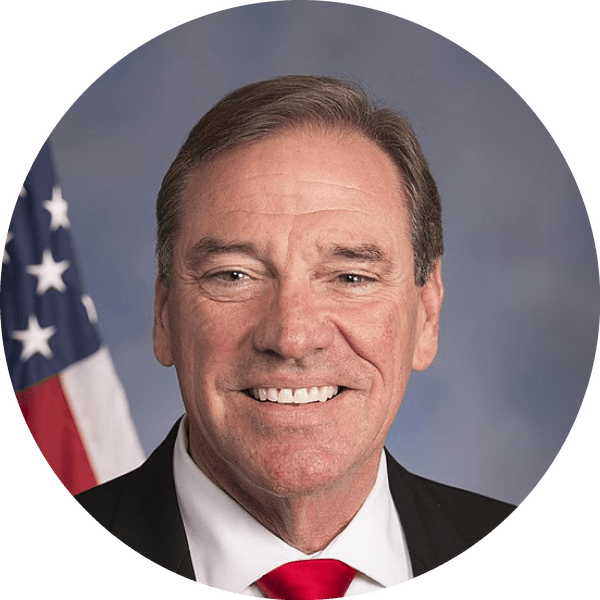
Neal Dunn
Republican · FL-2
A cleft palate isn't fixed in one surgery
Why it matters
About 1 in 1,031 U.S. babies is born with a cleft lip, according to CDC data — and treatment commonly spans years of surgeries, dental work, orthodontics, and prosthetics. H.R. 3277 would require most private health plans to cover medically necessary care for cleft palate, cleft lip, and other congenital anomalies of the eyes, ears, teeth, mouth, or jaw — closing the gap that lets insurers deny pieces of that care as 'dental' or 'cosmetic.' The bill has 134 House cosponsors from both parties.
Treating a cleft lip or cleft palate isn't one surgery. Over years — sometimes two decades — a child may need reconstructive surgery, orthodontics, dental work, prosthetics, hearing care, and follow-up procedures. Insurers routinely split that care into buckets and deny large chunks of it as 'dental,' 'orthodontic,' or 'cosmetic.'
H.R. 3277 — the Ensuring Lasting Smiles Act — tells most private health plans they can't do that anymore. If the treating physician determines the care is medically necessary because of a congenital anomaly affecting the eyes, ears, teeth, mouth, or jaw, the plan has to cover it. That includes the original surgeries, complications, dental and orthodontic support tied to the defect, prosthetics, and follow-up treatment for secondary conditions.
The bill stretches coverage across the full course of treatment — from birth until the medical work is done — and bars insurers from charging stiffer copays or deductibles for this care than they apply to other medical services. It also amends three different laws (the Public Health Service Act, ERISA, and the tax code) so the requirements reach employer plans, individual plans, and self-funded plans alike.
The bill draws one line: it does not require coverage of cosmetic surgery on normal body structures done purely to improve appearance or self-esteem when there is no medical determination of a birth defect. The fight in committee will be over where insurers, doctors, and HHS draw the boundary between medically necessary reconstruction tied to a congenital anomaly and excluded cosmetic work — and how much premium pressure the new coverage adds.
Bill Progress
Latest Action · May 8, 2025
Referred to Energy and Commerce, and in addition to the Committees on Education and Workforce, and Ways and Means, for a period to be subsequently determined by the Speaker, in each case for consideration of such provisions as fall within the jurisdiction of the committee concerned. for review
H.R. 3277 Bill Summary
What H.R. 3277 actually does.
Coverage required for face, mouth, eyes, ears, and jaw birth defects
Group and individual health plans would have to cover inpatient and outpatient treatment for congenital anomalies or birth defects that primarily affect the eyes, ears, teeth, mouth, or jaw, when the treating physician determines the care is medically necessary.
Coverage runs from birth through the end of treatment
The bill extends coverage across the full course of treatment — including reconstructive surgeries, complications, secondary conditions, and follow-up care needed to maintain function or approximate a normal appearance over many years.
Dental and orthodontic care tied to the defect is included
Plans must cover adjunctive dental, orthodontic, and prosthodontic services tied to the birth defect, even if the plan normally limits those benefits — closing one of the most common denial paths for cleft palate care.
Cost-sharing parity with regular medical care
Insurers can still apply copays, deductibles, and coinsurance to this care, but cannot make them more restrictive than the cost-sharing they apply to most other medical and surgical benefits.
Purely cosmetic surgery stays excluded
The bill does not require coverage for cosmetic surgery on normal body structures performed only to improve appearance or self-esteem when there is no medical determination of a congenital anomaly or birth defect.
HHS report on network gaps and patient costs due 2027
By December 31, 2027, the Department of Health and Human Services would have to report to Congress on provider network adequacy for these procedures and on changes in patient out-of-pocket costs by procedure type.
Who benefits from H.R. 3277?
Children born with cleft lip and cleft palate
About 1 in 1,031 U.S. babies is born with a cleft lip per CDC data, and many face years of staged treatment. They would gain a stronger guarantee that medically necessary surgeries, orthodontics, dental work, and follow-up care are covered.
Adults with congenital anomalies identified later in life
The bill's definition explicitly covers conditions identified before birth, at birth, or later. Adults whose birth-defect treatment was incomplete or delayed could gain access to care they previously paid out of pocket for.
Families fighting repeated insurance denials
Parents currently piecing together cleft palate care across separate medical, dental, and orthodontic policies — and absorbing the denials in between — would have a clearer legal claim that insurers must cover medically necessary treatment as a single course of care.
Treating physicians, surgeons, and dental teams
Doctors, oral surgeons, dentists, and orthodontists would have stronger legal backing when prescribing medically necessary care for these defects, reducing time spent contesting claim denials.
Who is affected by H.R. 3277?
Private health insurers
Insurers offering group or individual coverage would have to expand benefit coverage, update plan documents, and pay for services many currently deny or limit.
Self-funded employer plans
Because the bill amends ERISA in addition to the Public Health Service Act, self-funded employer plans — which often escape state-level coverage mandates — would also have to comply.
Individual market health plans
Plans sold on the individual market, including ACA exchange plans, would be subject to the same coverage requirements as group plans.
Patients seeking purely cosmetic procedures
The bill does not create a new coverage right for cosmetic surgery on normal body structures performed only to improve appearance, when there is no underlying birth defect.
HR3277 Legislative Journey
House: Committee Action
May 8, 2025
Referred to the Committee on Energy and Commerce, and in addition to the Committees on Education and Workforce, and Ways and Means, for a period to be subsequently determined by the Speaker, in each case for consideration of such provisions as fall within the jurisdiction of the committee concerned.
About the Sponsor
Neal Dunn
Republican, Florida's 2nd congressional district · 9 years in Congress
Committees: House Select Committee on the Strategic Competition Between the United States and the Chinese Communist Party, Energy and Commerce
View full profile →
Cosponsors (211)
This bill has 211 cosponsors: 141 Democrats, 69 Republicans, 1 Independent, reflecting bipartisan support. Cosponsors represent 44 states: Alaska, Alabama, Arizona, and 41 more.
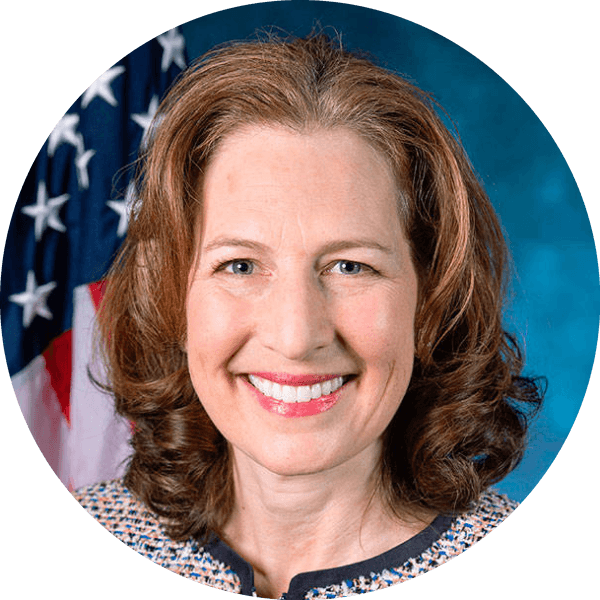
Kim Schrier
Democrat · WA

Robert Aderholt
Republican · AL

Brian Babin
Republican · TX

Maria Salazar
Republican · FL

Paul Gosar
Republican · AZ

Troy Nehls
Republican · TX

Rudy Yakym
Republican · IN
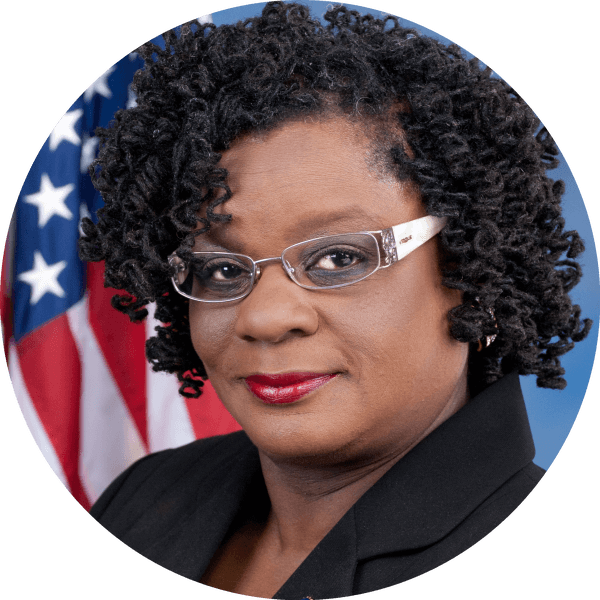
Gwen Moore
Democrat · WI

Debbie Dingell
Democrat · MI

Eleanor Norton
Democrat · DC

Rashida Tlaib
Democrat · MI

Greg Landsman
Democrat · OH
Cosponsor Coverage Map
Committee Sponsors
Ways and Means Committee
21 of 45 committee members cosponsored


Education and Workforce Committee
21 of 37 committee members cosponsored


Energy and Commerce Committee
25 of 54 committee members cosponsored


45 Republicans across these committees haven't cosponsored yet. Mobilize their constituents
What laws does H.R. 3277 change?
2 changes
Sections Amended
Section 732(a) of such Act (29 U.S.C. 1191a(a))
striking ``section 711'' and inserting ``sections 711 and 726''
Section 1 of such Act
inserting after the item relating to section 725 the following new item: ``Sec
H.R. 3277 Quick Facts
- Committee
- Ways and Means
- Chamber
- House
- Policy
- Health
- Introduced
- May 8, 2025
Referred to Energy and Commerce, and in addition to the Committees on Education and Workforce, and Ways and Means, for a period to be subsequently determined by the Speaker, in each case for consideration of such provisions as fall within the jurisdiction of the committee concerned. for review
May 8, 2025
Official Sources
Official bill page with cosponsors, actions, and status for the Ensuring Lasting Smiles Act in the 119th Congress
Complete legislative text of H.R. 3277 as introduced, published by the Government Publishing Office
The bill adds new section 2799A-11 to this part of the Public Health Service Act, which governs additional coverage provisions for group and individual health plans
The bill amends ERISA Part 7 (referenced at 29 USC 1191a) to add new section 726 requiring employer-sponsored plans to cover congenital anomaly treatment
Defines key terms used in the bill including 'group health plan,' 'health insurance issuer,' and 'individual health insurance coverage'
CDC data showing about 1 in 1,031 U.S. babies is born with cleft lip (with or without cleft palate) — one of the primary conditions this bill targets
National prevalence estimates showing 1 in 33 babies is born with a birth defect; provides context for the population this bill would cover
National Institute of Dental and Craniofacial Research overview of cleft lip and palate — the federal research authority on the staged, multi-year treatment course this bill is built around
H.R. 3277 Common Questions
Will insurance have to cover my child's cleft palate care under H.R. 3277?
Yes, if the bill becomes law. H.R. 3277 — the Ensuring Lasting Smiles Act — would require most private health plans to cover medically necessary treatment for cleft lip, cleft palate, and other congenital anomalies of the eyes, ears, teeth, mouth, or jaw. The treating physician makes the medical-necessity call.
Does H.R. 3277 cover orthodontics for cleft lip and cleft palate?
Yes. The bill requires plans to cover dental, orthodontic, and prosthodontic care tied to a covered birth defect — even if the plan normally limits those benefits. Coverage runs from birth until the medical or surgical treatment of the defect is complete.
Can insurers still deny cleft palate reconstructive surgery as cosmetic?
Not for procedures tied to a covered birth defect. If the treating physician says reconstructive surgery is medically necessary because of a congenital anomaly affecting the eyes, ears, teeth, mouth, or jaw, the plan must cover it. The cosmetic exclusion only applies to surgery on normal body structures done purely for appearance.
Will follow-up surgeries and complications years later be covered?
Yes. The bill explicitly covers complications from reconstructive procedures, treatment of secondary conditions, and ongoing care needed to maintain function or approximate a normal appearance. That matters because cleft palate treatment commonly spans years.
Can insurance charge higher copays or deductibles for cleft palate care?
No. The bill bars insurers from applying copays, deductibles, or coinsurance to this care that are more restrictive than what they apply to most other medical and surgical benefits. Cost-sharing has to match the rest of the plan.
Does H.R. 3277 apply to self-funded employer plans?
Yes. The bill amends three different laws — the Public Health Service Act, ERISA, and the Internal Revenue Code — closing the usual gaps. That means it reaches employer-sponsored plans (including self-funded ones), individual market plans, and group plans.
When would H.R. 3277 take effect?
The bill, as introduced, would apply to plan years beginning on or after January 1, 2026, and require plans to start notifying participants by that date. If passage slips past 2026, the effective date would likely be revised in committee.
Does H.R. 3277 cover cleft palate care under Medicaid or Medicare?
No. The bill amends private insurance laws — the Public Health Service Act, ERISA, and the Internal Revenue Code — but does not change Medicaid or Medicare coverage rules. Coverage of cleft palate care under public programs would continue under existing federal and state rules.
Based on H.R. 3277 bill text
H.R. 3277 Bill Text
“To provide health insurance benefits for outpatient and inpatient items and services related to the diagnosis and treatment of a congenital anomaly or birth defect.”
Source: U.S. Government Publishing Office
Get notified when H.R. 3277 moves
Committee votes, floor action, cosponsor changes — straight to your inbox.
Bill alerts + Legisletter's monthly briefing. Unsubscribe anytime.
Health Bills
9 related bills we're tracking
Nancy Gardner Sewell Medicare Multi-Cancer Early Detection Screening Coverage Act




Reported (Amended) by the Committee on Ways and Means. H. Rept. 119-333, Part I.
Oct 3, 2025
Mikaela Naylon Give Kids a Chance Act



Received in the Senate.
Dec 2, 2025
Improving Seniors’ Timely Access to Care Act of 2025


Ordered to be Reported in the Nature of a Substitute by the Yeas and Nays: 42 - 0.
Jul 15, 2026
CONNECT for Health Act of 2025




Referred to the Committee on Energy and Commerce, and in addition to the Committee on Ways and Means, for a period to be subsequently determined by the Speaker, in each case for consideration of such provisions as fall within the jurisdiction of the committee concerned.
Jun 26, 2025
ASAP Act


Ordered to be Reported in the Nature of a Substitute by the Yeas and Nays: 40 - 0.
Sep 16, 2026
Momnibus Act



Referred to the Subcommittee on Health.
Apr 20, 2026
Right to Contraception Act


Referred to the House Committee on Energy and Commerce.
Feb 5, 2025
Women’s Health Protection Act of 2025



Referred to the Committee on Energy and Commerce, and in addition to the Committee on the Judiciary, for a period to be subsequently determined by the Speaker, in each case for consideration of such provisions as fall within the jurisdiction of the committee concerned.
Jun 24, 2025
EACH Act of 2025


Referred to the Subcommittee on Health.
Dec 19, 2025
Trending Right Now
Bills gaining momentum across Congress
North Platte Canteen Congressional Gold Medal Act


Referred to the House Committee on Financial Services.
Feb 21, 2025
Fit to Serve Act




Referred to the House Committee on Armed Services.
May 21, 2025
Safe Schools Improvement Act



Referred to the House Committee on Education and Workforce.
Mar 3, 2025
Tracking Health in Congress? Monitor bills, track cosponsor momentum, and launch advocacy campaigns — all from one advocacy platform.