H.R. 3045: West Bank Violence Prevention Act of 2025
Sponsor

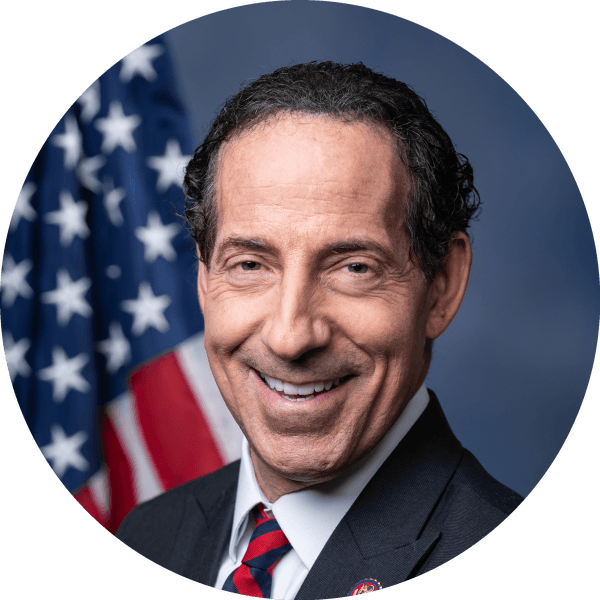
Jerrold Nadler
Democrat · NY-12
Asset freezes and visa bans over West Bank violence
Why it matters
H.R. 3045 would require the President to sanction foreign people tied to violence, forced displacement, and property destruction in the West Bank — freezing their U.S. assets, canceling their visas on the spot, and handing Congress a fresh list of names every 90 days. It has drawn 150 cosponsors, all House Democrats, turning a one-off response into a standing sanctions program.
H.R. 3045 would order the President to sanction foreign people tied to a broad set of conduct in the West Bank: violence or threats against civilians, efforts to frighten civilians into leaving their homes, property destruction, seizure of property by private actors, and terrorism affecting the area.
It reaches well past whoever carried out an act. Leaders and officials of offending groups, anyone who provides money, supplies, or technology to a sanctioned person, and anyone acting on their behalf can be swept in too.
Once someone is designated, their property in the U.S. — or held by any American person or company, down to a foreign branch — gets blocked. They become ineligible for U.S. visas, and any visa or entry document they already hold is revoked immediately and automatically.
There are narrow off-ramps: entry can still be allowed to meet United Nations obligations, for law enforcement purposes, or when officials decide it serves U.S. interests.
Every 90 days, starting 90 days after the bill becomes law, Treasury and the State Department would have to send Congress a report on how the law is being used — including the names of everyone sanctioned under it. The bill's findings argue the violence and displacement it targets have reached "intolerable levels" and pose an "unusual and extraordinary" threat to U.S. national security, and frame the measure as protecting prospects for a two-state solution.
Bill Progress
Latest Action · Apr 28, 2025
Referred to Foreign Affairs, and in addition to the Committee on the Judiciary, for a period to be subsequently determined by the Speaker, in each case for consideration of such provisions as fall within the jurisdiction of the committee concerned. for review
H.R. 3045 Bill Summary
What H.R. 3045 actually does.
Sanctions become mandatory, not optional
The bill says the President shall impose sanctions on foreign people determined to be responsible for the covered conduct, rather than leaving it to the administration's discretion.
U.S. assets get frozen across the financial system
A designated person's property and financial interests would be blocked if they are in the United States or held by any U.S. person — including a foreign branch of a U.S. company. Americans would be barred from sending funds, goods, or services to them or accepting any in return.
Visas are revoked immediately
Covered foreign persons would be ineligible for U.S. visas and entry, and any visa or entry document they already hold would be canceled at once, automatically voiding any other valid travel documents in their possession.
Forcing civilians from their homes is sanctionable
The bill covers efforts to place civilians in reasonable fear of violence in order to drive them out of their homes, alongside violence against civilians, property destruction, and seizure of property by private actors.
Funders, suppliers, and front people are covered too
Sanctions reach beyond direct actors to leaders of offending entities, anyone providing financial, material, or technological support, and anyone owned by or acting on behalf of a sanctioned person.
Congress gets a list of names every 90 days
Treasury, working with the State Department, would have to report on the law's implementation within 90 days of enactment and every 90 days after — including the names of everyone sanctioned under it.
Who benefits from H.R. 3045?
West Bank civilians facing violence or displacement
People living under threats, attacks, or campaigns meant to push them from their homes stand to gain if the U.S. follows through on freezing assets and cutting off travel for the people Congress says are responsible.
Communities losing homes, land, and businesses
The bill specifically names property destruction and private seizure of property, putting communities dealing with those losses directly inside its scope.
U.S. officials tracking support networks
Treasury, State, and immigration officials would get a single framework for going after not only direct actors but the leaders, financiers, and suppliers who help them move money, goods, and services.
Lawmakers who want a steady oversight cycle
Congress would receive names and implementation updates every 90 days instead of relying on occasional briefings, making it easier to see whether the administration is actually using the authority.
Who is affected by H.R. 3045?
Foreign persons accused of West Bank violence or intimidation
Anyone the President determines was responsible for violence, displacement tactics, property destruction, or related conduct could lose access to U.S.-linked assets and entry to the country.
Leaders and officials of groups involved
The bill reaches leaders and officials of entities engaged in the covered conduct, even when they did not personally carry out a specific act.
Financiers, suppliers, and service providers
People who materially assist a sanctioned person — through money, technology, goods, or services — can be sanctioned themselves.
U.S. banks, companies, and individuals
American persons would have to steer clear of transactions involving blocked property and could not provide funds, goods, or services to a sanctioned person or accept them in return.
Officials weighing entry exceptions
Entry bans can still be waived to meet U.N. obligations, for law enforcement needs, or when officials judge it consistent with U.S. interests, leaving diplomatic and immigration staff to make those calls case by case.
HR3045 Legislative Journey
House: Committee Action
Apr 28, 2025
Referred to the Committee on Foreign Affairs, and in addition to the Committee on the Judiciary, for a period to be subsequently determined by the Speaker, in each case for consideration of such provisions as fall within the jurisdiction of the committee concerned.
About the Sponsor
Jerrold Nadler
Democrat, New York's 12th congressional district · 35 years in Congress
Committees: the Judiciary, Transportation and Infrastructure
View full profile →
Cosponsors (174)
All 174 cosponsors are Democrats. Cosponsors represent 39 states: Alabama, Arizona, California, and 36 more.




Cosponsor Coverage Map
Committee Sponsors
Judiciary Committee
15 of 44 committee members cosponsored


Foreign Affairs Committee
19 of 53 committee members cosponsored


8 Democrats across these committees haven't cosponsored yet. Mobilize their constituents
H.R. 3045 Quick Facts



- Committee
- Judiciary
- Chamber
- House
- Policy
- International Affairs
- Introduced
- Apr 28, 2025
Referred to Foreign Affairs, and in addition to the Committee on the Judiciary, for a period to be subsequently determined by the Speaker, in each case for consideration of such provisions as fall within the jurisdiction of the committee concerned. for review
Apr 28, 2025
Official Sources
Official Congress.gov page for the West Bank Violence Prevention Act of 2025, with bill status, full text, actions, and the cosponsor list.
OFAC, within Treasury, administers the asset-blocking sanctions the bill would mandate, so its sanctions-programs portal is the operational reference point.
Official U.S. Code text for the visa issuance and revocation authority (section 221(i) of the INA) the bill cites to cancel visas of sanctioned persons.
Official U.S. Code chapter for IEEPA, the statutory authority the bill invokes to block property and prohibit transactions of designated persons.
Official U.S. Code text for the Immigration and Nationality Act the bill references when making sanctioned aliens ineligible for any INA benefit.
H.R. 3045 Common Questions
What would H.R. 3045 actually do?
It would require the President to sanction foreign people tied to violence, forced displacement, property destruction, or terrorism affecting the West Bank. The sanctions are asset freezes and U.S. visa bans.
Could someone be sanctioned for forcing civilians from their homes?
Yes. The bill covers efforts to put civilians in reasonable fear of violence so they leave their homes. That's how H.R. 3045 reaches forced displacement, not just direct attacks.
Does it only target the people who carry out the violence?
No. It also reaches leaders of offending groups, anyone who provides money, supplies, or technology, and anyone acting on behalf of a sanctioned person.
What does the asset freeze actually block?
Any property a sanctioned person holds in the U.S. or through an American person or company — down to a foreign branch. Americans also can't send them funds, goods, or services, or accept any in return.
Would sanctioned people lose their U.S. visas right away?
Yes. They'd be ineligible for new visas, and any visa or entry document they already hold would be revoked immediately — which also cancels any other valid travel documents in their possession.
How often would Congress get a list of sanctioned names?
Every 90 days. Treasury, working with the State Department, would send a first report within 90 days of the law taking effect and keep reporting every 90 days, naming everyone sanctioned.
What counts as terrorism under H.R. 3045?
The bill defines it as a violent or dangerous act that appears meant to intimidate civilians, coerce a government, or affect government conduct through mass destruction, assassination, kidnapping, or hostage-taking — if it affects the West Bank.
Is H.R. 3045 likely to become law?
It faces long odds. All 150 cosponsors are Democrats, and the bill sits in two Republican-controlled committees that decide whether it gets a hearing. Without GOP support, it reads more as a Democratic position statement than a bill headed for the floor.
Based on H.R. 3045 bill text
H.R. 3045 Bill Text
“To prevent violence in the West Bank and authorize the imposition of sanctions with respect to any foreign person endangering United States national security and undermining prospects for a two-state solution by committing illegal violent acts.”
Source: U.S. Government Publishing Office
Get notified when H.R. 3045 moves
Committee votes, floor action, cosponsor changes — straight to your inbox.
Bill alerts + Legisletter's monthly briefing. Unsubscribe anytime.
International Affairs Bills
9 related bills we're tracking
Enhanced Iran Sanctions Act of 2025





Motion to place bill on Consensus Calendar filed by Mr. Lawler.
Jan 12, 2026
United States-Israel Defense Partnership Act of 2025



Referred to the Committee on Armed Services, and in addition to the Committee on Foreign Affairs, for a period to be subsequently determined by the Speaker, in each case for consideration of such provisions as fall within the jurisdiction of the committee concerned.
Feb 12, 2025
Global Respect Act




Referred to the Committee on Foreign Affairs, and in addition to the Committee on the Judiciary, for a period to be subsequently determined by the Speaker, in each case for consideration of such provisions as fall within the jurisdiction of the committee concerned.
Nov 19, 2025
Sanctioning Russia Act of 2025



Referred to the Committee on Foreign Affairs, and in addition to the Committees on the Judiciary, Financial Services, Ways and Means, and Oversight and Government Reform, for a period to be subsequently determined by the Speaker, in each case for consideration of such provisions as fall within the jurisdiction of the committee concerned.
Apr 1, 2025
International Human Rights Defense Act of 2025



Referred to the House Committee on Foreign Affairs.
Nov 17, 2025
Global Health, Empowerment and Rights Act




Referred to the House Committee on Foreign Affairs.
Jan 28, 2025
Pakistan Freedom and Accountability Act





Referred to the Committee on Foreign Affairs, and in addition to the Committee on the Judiciary, for a period to be subsequently determined by the Speaker, in each case for consideration of such provisions as fall within the jurisdiction of the committee concerned.
Sep 10, 2025
Baltic Security Assessment Act of 2025





Ordered to be Reported by the Yeas and Nays: 41 - 3.
Apr 22, 2026
Dismantle Foreign Scam Syndicates Act


Ordered to be Reported in the Nature of a Substitute (Amended) by the Yeas and Nays: 48 - 0.
Dec 3, 2025
Trending Right Now
Bills gaining momentum across Congress
North Platte Canteen Congressional Gold Medal Act




Referred to the House Committee on Financial Services.
Feb 21, 2025
ASAP Act



Ordered to be Reported in the Nature of a Substitute by the Yeas and Nays: 40 - 0.
Sep 16, 2026
Fit to Serve Act



Referred to the House Committee on Armed Services.
May 21, 2025
Tracking International Affairs in Congress? Monitor bills, track cosponsor momentum, and launch advocacy campaigns — all from one advocacy platform.