H.R. 3209: App Store Freedom Act
Sponsor

Kat Cammack
Republican · FL-3
Your phone, your choice of app store
Why it matters
The largest app stores, those with more than 100 million U.S. users, would have to let you install apps from anywhere, set rival stores as your default, and delete the apps that came pre-loaded. Developers could no longer be required to use the platform's own payment system, and each violation could draw an FTC civil penalty of up to $1 million.
The bill targets one arrangement: a single company controlling both the software your device runs on and the store you get apps from. It doesn't name any company. It covers anyone whose app store tops 100 million U.S. users and who also controls the operating system underneath it.
On a covered platform, you could install apps and whole app stores from outside the company's own store, make a rival store your default, and hide or delete the apps the company pre-installed. Developers would get access to the same operating system features and hardware the platform gives itself and its business partners, free and on equal terms, along with the documentation needed to use them.
Platforms could not force developers to use their in-app payment system, or demand that an app's prices be no higher than on competing stores. They also could not block or charge developers for telling users about deals elsewhere, and could not use private data gathered from an app to build a competing product.
The bill builds in limits. Platforms wouldn't owe warranty repairs or customer support for problems caused by outside apps, wouldn't have to license their patents or trade secrets, and could still act to protect copyrights and trademarks. They also wouldn't have to share data with sanctioned entities, foreign adversary governments such as China's, or apps controlled by a foreign adversary.
The FTC would enforce the rules as it does its consumer protection regulations, with an added civil penalty of up to $1 million per violation. State attorneys general could sue in federal court after notifying the FTC. A single federal standard would override state laws covering the same conduct, while state contract, tort, fraud, and data breach laws stay in place. The law would take effect only once the FTC issues compliance guidance, which is due within 180 days of enactment.
Bill Progress
Latest Action · May 6, 2025
Referred to the House Committee on Energy and Commerce.
H.R. 3209 Bill Summary
What H.R. 3209 actually does.
You can install apps from outside the built-in store
Covered platforms must provide a readily accessible way to install third-party apps and entire third-party app stores without going through the company's own store.
You pick the default store and can delete pre-loaded apps
Users can set a third-party app or app store as the default and can hide or delete apps and app stores that the company or its business partners pre-installed.
Developers get the same phone features the platform uses
Platforms must give developers timely, free access to operating system interfaces and hardware and software features on the same terms the company and its business partners get, plus the documentation to use them. A platform can comply by licensing the needed intellectual property or by limiting everyone, including itself, to features that don't involve it.
Developers choose how you pay
Platforms cannot require developers to use the platform's in-app payment system, cannot require prices to be equal or better than on rival stores, and cannot penalize developers who offer different prices elsewhere.
Apps can tell you about better deals
Platforms cannot restrict or charge fees for developers' messages to users about prices and offers, whether inside the app or by direct outreach. Platforms may still require user consent for data collection if their own apps follow the same rule.
Platforms can't mine app data to compete
A covered company cannot use nonpublic data gathered from a developer's app, including how users interact with it, to compete against that app.
Up to $1 million per violation, plus state lawsuits
The FTC enforces the law and can seek a civil penalty of up to $1 million per violation on top of existing FTC Act penalties. State attorneys general can also sue in federal court, but not against a defendant already facing a federal case over the same violations.
Who benefits from H.R. 3209?
Phone and tablet owners on the biggest platforms
Anyone who wants an app the built-in store doesn't carry, a different default store, or a home screen without pre-loaded apps they never asked for.
Independent app developers
From solo creators to subscription businesses, developers could process payments their own way, set different prices on different stores, and tell users where to find a better deal without paying a platform fee for the message.
Rival app stores
Competing stores could be installed directly and set as the default, and their developers would get the same operating system access as the platform's own partners.
State attorneys general
States could bring federal lawsuits on behalf of their residents, with the FTC able to join and appeal.
Who is affected by H.R. 3209?
Companies running both an operating system and a 100-million-user app store
They would have to open installation, defaults, payments, and developer access to outside competitors and would face penalties of up to $1 million per violation. They would not have to repair or support problems caused by outside apps, license their intellectual property, or deal with sanctioned or foreign adversary entities.
Platform business partners
Developers with special feature access through partnership deals would lose that edge, since the same access must be offered to every developer on equal terms.
Users who prefer a closed, vetted store
Nothing forces anyone to leave the built-in store, but opponents argue that apps installed from elsewhere could carry more malware and fraud risk, and warranty repairs for damage from outside apps would not be required.
States with their own app store laws
State laws requiring or banning the same conduct would be overridden by the federal rule. State contract, tort, unfair competition, fraud, and data breach laws are preserved, as are antitrust laws.
The Federal Trade Commission
The FTC would have to write compliance guidance within 180 days, enforce the law, and could step into state lawsuits.
HR3209 Legislative Journey
House: Committee Action
May 6, 2025
Referred to the House Committee on Energy and Commerce.
About the Sponsor
Kat Cammack
Republican, Florida's 3rd congressional district · 5 years in Congress
Committees: Agriculture, Energy and Commerce
View full profile →
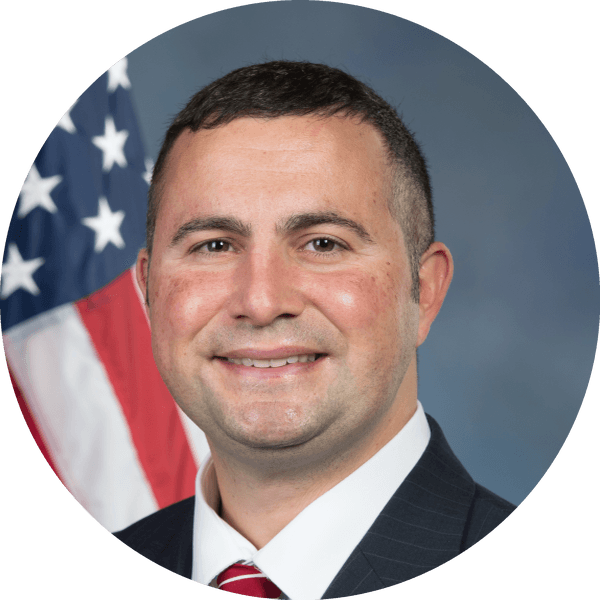
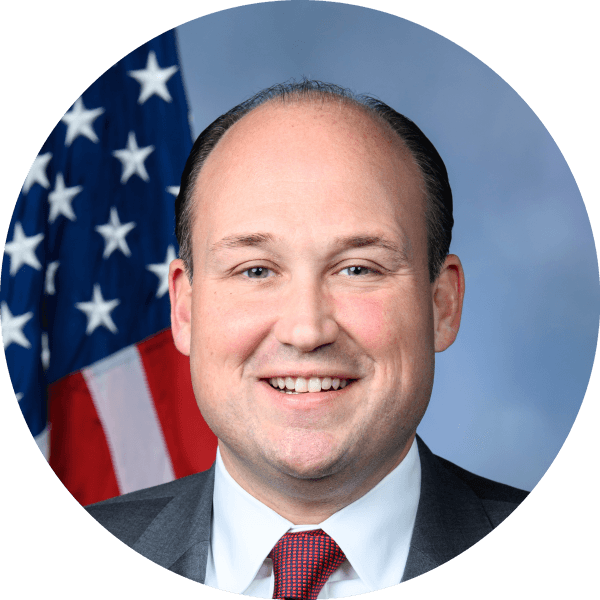
Cosponsors (6)
This bill has 6 cosponsors: 4 Democrats, 2 Republicans, reflecting bipartisan support. Cosponsors represent 6 states: California, Florida, Kentucky, and 3 more.

Committee Sponsors
Energy and Commerce Committee
4 of 54 committee members cosponsored


29 Republicans across this committee haven't cosponsored yet. Mobilize their constituents
H.R. 3209 Quick Facts



- Committee
- Energy and Commerce
- Chamber
- House
- Policy
- Commerce
- Introduced
- May 6, 2025
Referred to the House Committee on Energy and Commerce.
May 6, 2025
Official Sources
Official bill page for the App Store Freedom Act with full text, sponsors, cosponsors, and actions.
The Commerce Department's 2023 study recommending alternative app stores, user-chosen defaults, and the ability to delete pre-installed apps, the same changes this bill would require.
The FTC's core statute, whose powers and penalties the bill borrows to enforce its app store rules.
The bill treats each violation as a breach of an FTC rule under this section, which is what unlocks civil penalties.
The list of sanctioned entities that covered platforms would not have to share data or features with under the bill.
Federal law, including the Protecting Americans from Foreign Adversary Controlled Applications Act note, that the bill uses to define apps platforms may exclude.
The committee where H.R. 3209 has been pending since May 2025.
Who is lobbying on H.R. 3209?
6 organizations lobbying on this bill
COALITION FOR APP FAIRNESS | 12 |
APPLE INC. | 6 |
COMPUTER & COMMUNICATIONS INDUSTRY ASSOCIATION | 4 |
APPLE INC. | 3 |
EPIC GAMES, INC. | 3 |
SPOTIFY | 2 |
Showing 1-6 of 6 organizations
H.R. 3209 Common Questions
Could I install apps from outside the App Store or Google Play under the App Store Freedom Act?
Yes, on covered platforms. Companies running both an operating system and an app store with over 100 million U.S. users would have to give you an easy way to install apps, and entire rival app stores, without going through their own store.
Does the App Store Freedom Act apply to Apple and Google?
The bill names no companies. It covers anyone who controls both an app store with more than 100 million U.S. users and the operating system it runs on. Smaller stores, and stores that don't also control the operating system, fall outside it.
Could I delete pre-installed apps or change my default app store?
Yes. You could set a third-party app or app store as your default and hide or delete apps and stores that the platform or its business partners pre-installed on your device.
Would developers still have to use Apple or Google in-app payments?
No. A covered platform couldn't require developers to use its in-app payment system as a condition of being in its store, and couldn't punish them for offering different prices through another store or payment method.
Could apps tell me about cheaper prices on their website?
Yes. Platforms couldn't restrict or charge fees for developers telling you about prices or offers, whether inside the app or by reaching out directly. Platforms could also no longer demand that an app's prices be no higher than on competing stores.
Is sideloading apps under this bill a security risk?
That is the main argument from opponents, including software industry groups. The bill doesn't require warranty repairs or support for problems caused by outside apps, and platforms wouldn't have to share data with sanctioned entities or foreign adversary governments.
What are the penalties for violating the App Store Freedom Act?
The FTC could seek up to $1 million per violation on top of existing FTC Act penalties. State attorneys general could also sue in federal court on behalf of their residents after notifying the FTC.
When would the App Store Freedom Act take effect?
Only once the FTC issues compliance guidance, which is due within 180 days of the bill becoming law. The bill has been in the House Energy and Commerce Committee since May 2025 with no committee vote.
Based on H.R. 3209 bill text
H.R. 3209 Bill Text
“To prohibit unfair or deceptive acts or practices in the app marketplace, and for other purposes. Be it enacted by the Senate and House of Representatives of the United States of America in Congress assembled, SECTION 1. SHORT TITLE. This Act may be cited as the “App Store Freedom Act”. SEC. 2. PROTECTING A COMPETITIVE APP MARKET.”
Source: U.S. Government Publishing Office
Get notified when H.R. 3209 moves
Committee votes, floor action, cosponsor changes — straight to your inbox.
Bill alerts + Legisletter's monthly briefing. Unsubscribe anytime.
Commerce Bills
9 related bills we're tracking
Therapeutic Fraud Prevention Act of 2025




Referred to the House Committee on Energy and Commerce.
May 7, 2025
Algorithmic Accountability Act of 2025





Referred to the House Committee on Energy and Commerce.
Sep 19, 2025
Protecting Circuit Boards and Substrates Act





Referred to the Committee on Ways and Means, and in addition to the Committees on Energy and Commerce, and Science, Space, and Technology, for a period to be subsequently determined by the Speaker, in each case for consideration of such provisions as fall within the jurisdiction of the committee concerned.
May 23, 2025
Children and Teens’ Online Privacy Protection Act




Held at the desk.
Mar 16, 2026
Competition and Antitrust Law Enforcement Reform Act of 2025




Read twice and referred to the Committee on the Judiciary.
Jan 16, 2025
NO FAKES Act of 2025



Read twice and referred to the Committee on the Judiciary.
Apr 9, 2025
Made in America Manufacturing Finance Act




Committee on Small Business and Entrepreneurship. Hearings held.
May 13, 2026
Antitrust Accountability and Transparency Act

Read twice and referred to the Committee on the Judiciary.
Mar 17, 2026
Algorithmic Accountability Act of 2025




Read twice and referred to the Committee on Commerce, Science, and Transportation.
Jun 25, 2025
Trending Right Now
Bills gaining momentum across Congress
North Platte Canteen Congressional Gold Medal Act




Referred to the House Committee on Financial Services.
Feb 21, 2025
Fit to Serve Act





Referred to the House Committee on Armed Services.
May 21, 2025
ASAP Act





Ordered to be Reported in the Nature of a Substitute by the Yeas and Nays: 40 - 0.
Sep 16, 2026
Tracking Commerce in Congress? Monitor bills, track cosponsor momentum, and launch advocacy campaigns — all from one advocacy platform.