H.R. 722: Life at Conception Act
Sponsor

Eric Burlison
Republican · MO-7
A two-sentence bill could redefine when life legally begins
Why it matters
112 House members have signed onto a bill that would declare legal personhood begins at fertilization. H.R. 722 runs barely a page, but its definition reaches past abortion into IVF and embryo law nationwide.
H.R. 722, the Life at Conception Act, declares that the Constitution's right to life applies to every human being — including, in the bill's words, "preborn" persons. In plain terms, it tries to set a single federal standard for when personhood begins, and to put that moment before birth.
The bill defines a "human person" as every member of the species homo sapiens at all stages of life, starting at fertilization, cloning, or any other moment the bill says a human individual comes into being. That wording is broad on purpose, and it reaches beyond abortion — it could touch legal fights over embryos created and stored outside the womb.
Sponsors say the definition should apply everywhere: all 50 states, the District of Columbia, Puerto Rico, and other U.S. territories. They argue Congress has the power to do this through its authority to enforce the Fourteenth Amendment.
The text draws one explicit line: it says nothing in the act authorizes prosecuting a woman for the death of her unborn child. Beyond that, H.R. 722 carries no penalties, funding, agency rules, or deadlines — so most of its real-world force would be decided later, in court.
Bill Progress
Latest Action · Jan 24, 2025
Referred to the House Committee on the Judiciary.
H.R. 722 Bill Summary
What H.R. 722 actually does.
Personhood would begin at fertilization
The bill defines a "human person" to include every member of the human species at all stages of life — starting at fertilization, cloning, or any other moment the bill says an individual comes into being.
The right to life would extend before birth
Congress declares in the bill that the Constitution's right to life is vested in every human being, including what the text calls born and preborn persons.
One definition, applied nationwide
The bill says "State" includes the District of Columbia, Puerto Rico, and other U.S. territories and possessions — not just the 50 states — so the standard would reach across the country.
Women can't be prosecuted under the act itself
The text says nothing in H.R. 722 authorizes prosecuting a woman for the death of her unborn child.
The courts would settle the rest
The bill sets a sweeping definition but spells out no penalties, enforcement steps, agency guidance, or timeline, leaving most practical effects unresolved in the text itself.
112 House members are already on board
H.R. 722 carries 112 cosponsors, all Republicans, signaling broad support inside the conference even before any committee vote.
Who benefits from H.R. 722?
Anti-abortion advocates seeking federal personhood language
They would get a federal statute declaring personhood begins at fertilization, cloning, or another moment a human life begins — a foundation sponsors could build on in future fights over protections before birth.
Supporters of a single national standard
Instead of a state-by-state patchwork, they would have one federal definition written to apply across all 50 states, D.C., Puerto Rico, and the territories.
Women covered by the bill's prosecution limit
The text specifically says H.R. 722 itself does not authorize prosecuting a woman for the death of her unborn child.
Who is affected by H.R. 722?
Pregnant patients
Your pregnancy could be judged against a federal definition that places personhood before birth, even though the bill itself lists no specific criminal penalties.
People using IVF or other fertility treatment
Because the bill covers fertilization and every stage of human life, it could shape legal battles over embryos that are created, stored, or discarded outside the womb.
Abortion providers and clinics
If courts adopted the bill's personhood framework, providers could face significant legal exposure in future abortion cases, even without a separate enforcement system written into the act.
Judges, regulators, and state governments
They would be left to work out how a federal personhood rule interacts with existing abortion laws, wrongful-death claims, criminal statutes, and reproductive-health policy.
HR722 Legislative Journey
House: Committee Action
Jan 24, 2025
Referred to the House Committee on the Judiciary.
About the Sponsor
Eric Burlison
Republican, Missouri's 7th congressional district · 3 years in Congress
Committees: Transportation and Infrastructure, Oversight and Government Reform
View full profile →
Cosponsors (116)
All 116 cosponsors are Republicans. Cosponsors represent 35 states: Alabama, Arkansas, Arizona, and 32 more.

Dale Strong
Republican · AL
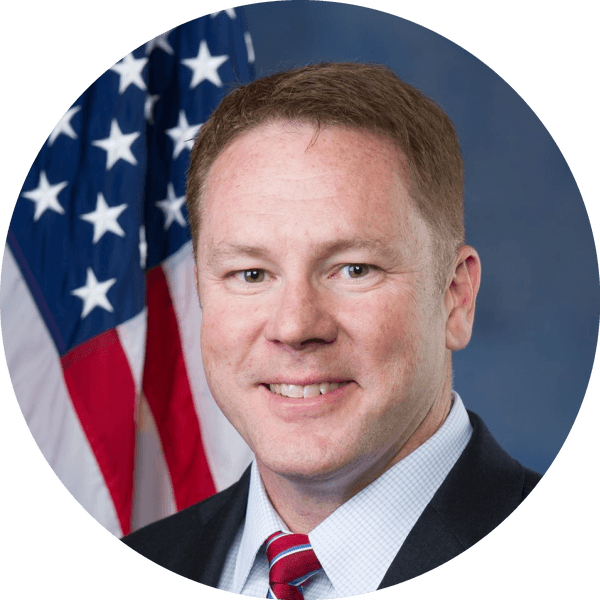
Warren Davidson
Republican · OH

Mark Green
Republican · TN

Mike Bost
Republican · IL

Daniel Webster
Republican · FL

Claudia Tenney
Republican · NY

Josh Brecheen
Republican · OK
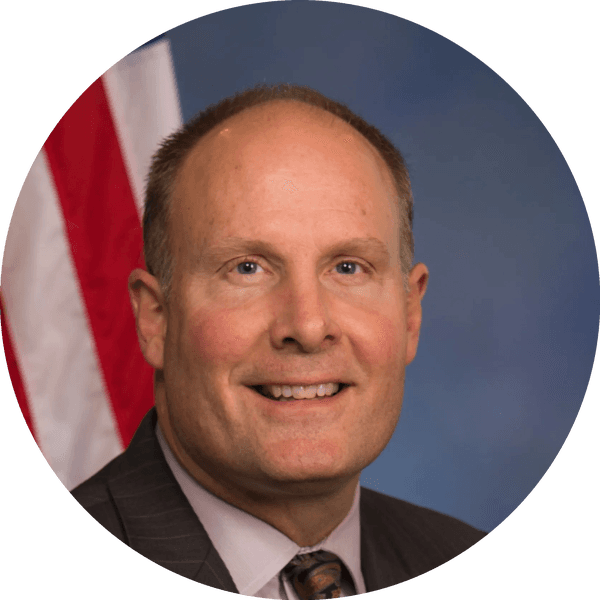
John Moolenaar
Republican · MI

Ben Cline
Republican · VA

Pete Sessions
Republican · TX

Jodey Arrington
Republican · TX

Darrell Issa
Republican · CA
Cosponsor Coverage Map
Committee Sponsors
Judiciary Committee
13 of 44 committee members cosponsored


11 Republicans across this committee haven't cosponsored yet. Mobilize their constituents
H.R. 722 Quick Facts
- Committee
- Judiciary
- Chamber
- House
- Policy
- Civil Rights and Liberties, Minority Issues
- Introduced
- Jan 24, 2025
Referred to the House Committee on the Judiciary.
Jan 24, 2025
Official Sources
Official bill page with text, status, sponsor, cosponsors, and committee referral information for the Life at Conception Act.
The bill frames its right-to-life declaration around the Fourteenth Amendment's equal protection guarantee; this is the official text of that amendment.
H.R. 722 turns on who counts as a constitutional "person"; this Constitution Annotated essay covers how courts have read that term in the Equal Protection Clause.
The bill relies on Congress's Section 5 power to enforce the Fourteenth Amendment; this official analysis explains the scope and limits of that authority.
Congressional Research Service overview of the equal protection framework the bill cites as its constitutional foundation.
The bill also invokes Congress's Article I, Section 8 power to make necessary and proper laws; this essay explains that authority.
H.R. 722 was referred to the House Judiciary Committee, making this the official committee site to monitor if the bill advances.
H.R. 722 Common Questions
What does H.R. 722 actually do?
It writes a federal definition of "human person" that starts at fertilization, cloning, or any other moment the bill says life begins — and declares the Constitution's right to life applies before birth, not just after.
Does H.R. 722 say life begins at fertilization?
Yes. The bill defines a "human person" as every member of the species homo sapiens at all stages of life, beginning at fertilization, cloning, or another moment the bill says a human comes into being.
Would H.R. 722 ban abortion nationwide?
Not in those words. The bill never says "abortion ban," but it sets a nationwide personhood standard that could be used against abortion in court if judges accept Congress's argument.
Could H.R. 722 affect IVF and frozen embryos?
Possibly. Because the bill covers fertilization and every stage of human life, it could shape disputes over embryos created or stored outside the womb — even though it never names IVF directly.
Can a woman be prosecuted under H.R. 722?
No. The text says nothing in H.R. 722 authorizes prosecuting a woman for the death of her unborn child. That limit covers this act itself, not every future legal fight tied to it.
Does H.R. 722 apply outside the 50 states?
Yes. The bill says its definition of "State" includes the District of Columbia, Puerto Rico, and other U.S. territories and possessions.
Does H.R. 722 create penalties or funding?
No. The text carries no fines, prison terms, grants, agency funding, or deadline. Most of its effect would come later, through enforcement choices and court rulings.
What is H.R. 722's status right now?
H.R. 722 was introduced on January 24, 2025 and referred to the House Judiciary Committee, where it still sits. Its 112 cosponsors signal strong support but not a guaranteed floor vote.
Based on H.R. 722 bill text
H.R. 722 Bill Text
“To implement equal protection under the 14th article of amendment to the Constitution for the right to life of each born and preborn human person.”
Source: U.S. Government Publishing Office
Get notified when H.R. 722 moves
Committee votes, floor action, cosponsor changes — straight to your inbox.
Bill alerts + Legisletter's monthly briefing. Unsubscribe anytime.
Civil Rights and Liberties, Minority Issues Bills
7 related bills we're tracking
Equality Act




Referred to the Committee on the Judiciary, and in addition to the Committees on Education and Workforce, Financial Services, House Administration, and Oversight and Government Reform, for a period to be subsequently determined by the Speaker, in each case for consideration of such provisions as fall within the jurisdiction of the committee concerned.
Apr 29, 2025
Congressional Tribute to Constance Baker Motley Act of 2025



Referred to the House Committee on Financial Services.
Sep 11, 2025
Ensuring Women’s Right to Reproductive Freedom Act



Referred to the House Committee on Energy and Commerce.
Jun 24, 2025
Do No Harm Act




Referred to the House Committee on the Judiciary.
Mar 6, 2025
To award a Congressional Gold Medal to the Freedom Riders, collectively, in recognition of their unique contribution to Civil Rights, which inspired a revolutionary movement for equality in interstate travel.



Referred to the Committee on Financial Services, and in addition to the Committee on House Administration, for a period to be subsequently determined by the Speaker, in each case for consideration of such provisions as fall within the jurisdiction of the committee concerned.
Feb 4, 2025
Commission to Study and Develop Reparation Proposals for African Americans Act



Referred to the House Committee on the Judiciary.
Jan 3, 2025
Dismantle DEI Act of 2025



Referred to the Committee on Oversight and Government Reform, and in addition to the Committees on the Judiciary, Education and Workforce, Armed Services, Foreign Affairs, Financial Services, Energy and Commerce, Transportation and Infrastructure, and Intelligence (Permanent Select), for a period to be subsequently determined by the Speaker, in each case for consideration of such provisions as fall within the jurisdiction of the committee concerned.
Feb 4, 2025
Trending Right Now
Bills gaining momentum across Congress
North Platte Canteen Congressional Gold Medal Act




Referred to the House Committee on Financial Services.
Feb 21, 2025
Fit to Serve Act




Referred to the House Committee on Armed Services.
May 21, 2025
ASAP Act




Ordered to be Reported in the Nature of a Substitute by the Yeas and Nays: 40 - 0.
Sep 16, 2026
Tracking Civil Rights and Liberties, Minority Issues in Congress? Monitor bills, track cosponsor momentum, and launch advocacy campaigns — all from one advocacy platform.