H.R. 3971: Domestic Workers Bill of Rights Act
Sponsor

Pramila Jayapal
Democrat · WA-7
Federal labor law mostly stops at the front door
Why it matters
About 2,200,000 people work in other people's homes, at an average of $16.79 an hour or roughly $20,926 a year full time, according to the bill's findings. H.R. 3971 would repeal the overtime exemption for live-in domestic employees, require written job terms, add paid sick days and scheduling rules, and extend the federal job discrimination law to households that employ a domestic worker.
Domestic work sits outside much of the federal labor framework. The bill's findings note that live-in domestic employees are excluded from Fair Labor Standards Act overtime, and that minimum-employee thresholds and independent-contractor classification keep most domestic employees outside federal civil rights protections too. H.R. 3971 changes both.
The overtime fix is the shortest provision in the bill: it repeals the exemption outright. Live-in workers would be owed overtime like other hourly employees. The civil rights fix is nearly as short — it adds "a person who employs a domestic employee" to the definition of employer in the Civil Rights Act. A household that employs one nanny would become a covered employer under the federal job discrimination law, which today generally reaches only employers with 15 or more workers.
Most of the rest of the bill is about putting informal arrangements in writing. Anyone expected to work at least 8 hours a week would get a signed agreement within 5 days of hire — 180 days for workers already on the job — written in plain language and in a language both sides actually understand. It has to state the hourly rate, the overtime rate, the payday, the duties, the schedule, break times, and paid time off.
Three timing rules follow from that agreement, each taking effect 2 years after enactment. Workers earn 1 hour of paid sick time for every 30 hours worked, capped at 56 hours a year. Schedule changes need 72 hours' written notice, and a late cancellation owes the worker half their regular rate for the hours lost — full rate if they already showed up. Employers can't require more than 5 hours of work without a 30-minute uninterrupted meal break.
For live-in workers, the bill separates the job from the housing. An employer ending the job has to give written notice within 48 hours and then either 30 days of lodging or severance equal to 2 weeks of average earnings, with at least 48 hours to move out. Being fired would no longer mean losing the bed the same night. Skipping the severance makes an employer liable for that amount plus an equal amount again.
The privacy provisions ban monitoring or recording a worker in restrooms, bathing facilities, and private living quarters, and protect reasonable access to a phone or internet — a violation of the communication rule carries a civil penalty of up to $2,000 each. Separate provisions bar wage deductions for cash shortages, breakage, and lost equipment, and make retaliation against a worker who asserts these rights unlawful.
Two titles handle the plumbing. An 11-member Domestic Employee Standards Board — 5 worker representatives, 5 employer representatives, and 1 outside expert — would study conditions and recommend standards to the Labor Secretary. Labor and HHS would jointly write rules applying these protections to Medicaid-funded personal care aides, and states would get a temporary bump in their federal Medicaid match for 20 quarters to absorb the cost. The bill also funds a national hotline, a rights website, an interagency enforcement task force, and community outreach grants.
Bill Progress
Latest Action · Jun 12, 2025
Referred to Education and Workforce, and in addition to the Committees on House Administration, Energy and Commerce, Ways and Means, Oversight and Government Reform, and the Judiciary, for a period to be subsequently determined by the Speaker, in each case for consideration of such provisions as fall within the jurisdiction of the committee concerned. for review
H.R. 3971 Bill Summary
What H.R. 3971 actually does.
Live-in workers get overtime
H.R. 3971 repeals the Fair Labor Standards Act exemption that excludes live-in domestic employees from overtime pay, bringing them under the standard overtime rules.
Harassment law reaches the household
The bill adds household employers of domestic workers to the definition of employer in the Civil Rights Act. Federal job discrimination law generally applies only to employers with 15 or more employees, which leaves most households outside it.
Firing doesn't have to mean losing the bed
An employer terminating a live-in domestic worker must give written notice within 48 hours and then provide either 30 days of lodging or severance equal to 2 weeks of average earnings, with at least 48 hours to vacate. An employer who skips the severance owes that amount plus an equal amount as liquidated damages.
Job terms have to be in writing
Anyone expected to work 8 or more hours a week gets a signed agreement within 5 days of hire, or within 180 days for existing workers. It covers pay rate, overtime rate, payday, duties, schedule, breaks, and time off, in plain language both sides understand.
Paid sick time accrues with hours worked
Workers earn 1 hour of paid sick time for every 30 hours worked, up to 56 hours a year. This provision takes effect 2 years after enactment.
Late schedule changes cost money
Schedule changes require 72 hours' written notice. A cancellation inside that window owes the worker half their regular rate for the lost hours, or the full rate if they already arrived. Employers who are individuals with disabilities relying on the worker for supports have a narrower obligation.
Cameras stay out of private spaces
The bill bars monitoring or recording a domestic employee in restrooms, bathing facilities, and private living quarters, and requires reasonable access to a phone or internet. Violating the communication rule carries a civil penalty of up to $2,000 per violation.
A standards board with equal seats
An 11-member Domestic Employee Standards Board — 5 representing workers, 5 representing employers, and 1 outside expert — would investigate conditions in the industry and recommend standards to the Secretary of Labor.
Who benefits from H.R. 3971?
The 2.2 million people who work in private homes
The bill's findings put the count at about 2,200,000 nationwide — nearly 9 in 10 of them women, and 2 in 5 age 50 or older, compared with a third of all other workers.
Live-in nannies, housekeepers, and caregivers
They gain overtime pay and, if the job ends, 48 hours' written notice plus 30 days of lodging or 2 weeks of severance. The bill's findings cite a 2012 study in which 25 percent of live-in workers interviewed had duties that kept them from 5 hours of uninterrupted sleep.
Workers whose hours get cancelled without notice
The bill's findings cite 2020 surveys in which nearly 75 percent of domestic employees received no compensation when their work was cancelled. H.R. 3971 would owe them half their regular rate for hours cancelled inside 72 hours.
Workers who don't report problems
In the 2012 study cited in the findings, 91 percent of domestic employees who had problems with their working conditions did not complain, because they expected to lose the job. The bill makes retaliation unlawful and funds a national hotline and community groups to help workers bring claims.
Medicaid-funded personal care aides
Labor and HHS would jointly write rules applying these protections to personal care aides paid through Medicaid, with rules that are required to recognize self-directed care for people with disabilities.
Who is affected by H.R. 3971?
Households that employ someone
Families employing nannies, housekeepers, home care aides, gardeners, and similar workers would take on federal obligations they do not have now: overtime for live-in staff, written agreements, 72 hours' notice for schedule changes, meal and rest breaks, accrued sick time, and termination rules. They would also become covered employers under federal job discrimination law.
People with disabilities who direct their own care
The scheduling rules carry a narrower obligation for an employer who is an individual with a disability relying on the worker for supports, and the Medicaid rules would bar states from requiring self-directing individuals to cover the added costs out of their own service budgets.
Home care agencies and fiscal intermediaries
Agencies and intermediaries that place or manage domestic workers would carry new compliance duties around contracts, scheduling records, retaliation claims, and enforcement. The bill separately encourages the use of fiscal intermediaries to handle payroll and paperwork.
States running Medicaid personal care programs
States would have to adjust Medicaid-funded personal care systems as the new protections are applied, with a temporary federal matching increase to cover part of the transition.
Labor, HHS, and the EEOC
The three agencies would take on joint rulemaking, an interagency enforcement task force, a rights notice in English, Spanish, and other languages, a public website within 180 days, grant administration, and the standards board.
HR3971 Legislative Journey
House: Committee Action
Jun 12, 2025
Referred to the Committee on Education and Workforce, and in addition to the Committees on House Administration, Energy and Commerce, Ways and Means, Oversight and Government Reform, and the Judiciary, for a period to be subsequently determined by the Speaker, in each case for consideration of such provisions as fall within the jurisdiction of the committee concerned.
About the Sponsor
Pramila Jayapal
Democrat, Washington's 7th congressional district · 9 years in Congress
Committees: the Judiciary, the Budget, Foreign Affairs
View full profile →
Cosponsors (115)
All 115 cosponsors are Democrats. Cosponsors represent 34 states: Alabama, Arizona, California, and 31 more.

Alma Adams
Democrat · NC

Gabe Amo
Democrat · RI

Yassamin Ansari
Democrat · AZ

Becca Balint
Democrat · VT

Nanette Barragán
Democrat · CA
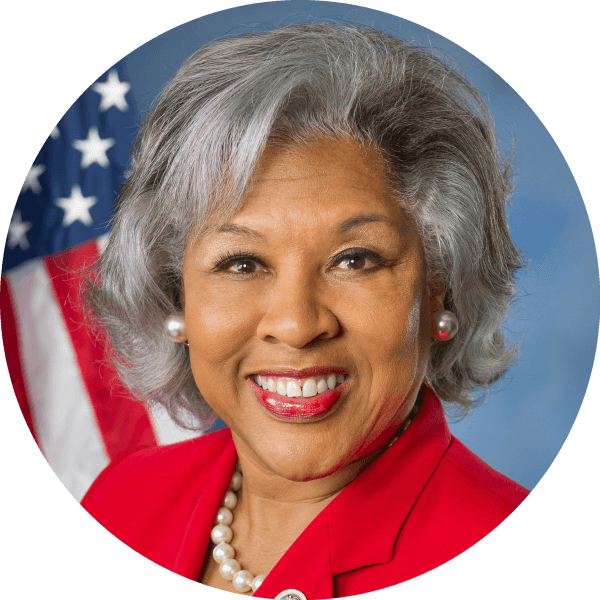
Joyce Beatty
Democrat · OH

Donald Beyer
Democrat · VA

Suzanne Bonamici
Democrat · OR

Brendan Boyle
Democrat · PA

Shontel Brown
Democrat · OH
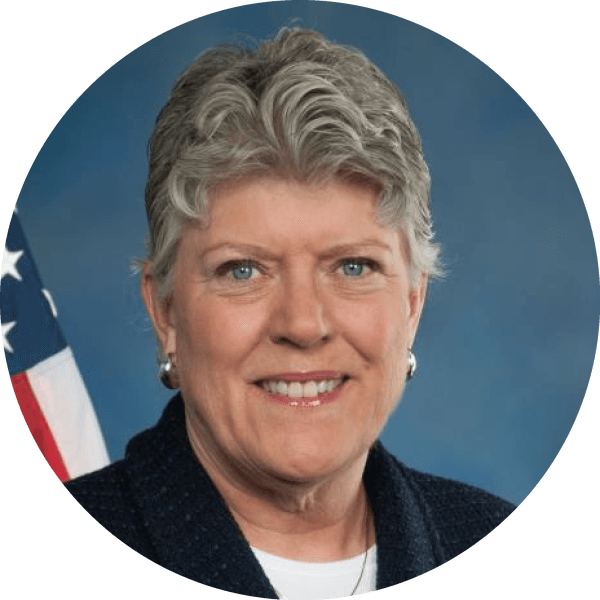
Julia Brownley
Democrat · CA

Nikki Budzinski
Democrat · IL
Cosponsor Coverage Map
Committee Sponsors
Judiciary Committee
11 of 44 committee members cosponsored


Oversight and Government Reform Committee
17 of 47 committee members cosponsored


Ways and Means Committee
12 of 45 committee members cosponsored


Energy and Commerce Committee
14 of 54 committee members cosponsored


Committee on House Administration
1 of 12 committee members cosponsored
Education and Workforce Committee
12 of 37 committee members cosponsored


35 Democrats across these committees haven't cosponsored yet. Mobilize their constituents
What laws does H.R. 3971 change?
4 changes
Sections Amended
Section 17 of Fair Labor Standards Act of 1938 (29 U.S.C. 217)
striking ``(except sums'' and inserting ``and in the case of violations of section 15(a)(7) the restraint of any withholding of severance pay and other damages found by the court to be due to employees under this Act (except, in either case, sums''
Section 701(b) of Civil Rights Act of 1964 (42 U.S.C. 2000e(b))
striking ``but'' and inserting ``and a person who employs a domestic employee (as defined in section 3(b)(6) of the Domestic Worker Bill of Rights Act of 2024), but''
Sections Repealed
13(b)(21) of Fair Labor Standards Act of 1938 (29 U.S.C. 213(b)(21))
10 of Fair Labor Standards Act of 1938 (29 U.S.C. 210)
H.R. 3971 Quick Facts
- Committee
- Judiciary
- Chamber
- House
- Policy
- Labor and Employment
- Introduced
- Jun 12, 2025
Referred to Education and Workforce, and in addition to the Committees on House Administration, Energy and Commerce, Ways and Means, Oversight and Government Reform, and the Judiciary, for a period to be subsequently determined by the Speaker, in each case for consideration of such provisions as fall within the jurisdiction of the committee concerned. for review
Jun 12, 2025
Official Sources
Official bill page with text, status, sponsors, and the six committee referrals for the Domestic Workers Bill of Rights Act.
Sets out the current federal rules for live-in domestic workers, including the overtime exemption that H.R. 3971 would repeal.
Subsection (b)(21) is the live-in domestic service overtime exemption the bill strikes in a single sentence.
The Wage and Hour Division hub for home care and domestic service rules, including the July 2025 proposed rulemaking on the companionship and live-in exemptions.
Explains which hours are compensable for domestic workers, including sleep time and meal period rules relevant to the bill’s break provisions.
Describes the federal harassment standards and the 15-employee coverage threshold that H.R. 3971 would extend to households.
Covers the self-directed care model the bill’s joint Labor–HHS rulemaking is required to preserve for people who employ their own aides.
Official employment, wage, and growth projections for the occupation that makes up much of the population the bill would cover.
H.R. 3971 Common Questions
Would live-in domestic workers get overtime under H.R. 3971?
Yes. Live-in domestic employees are currently exempt from federal overtime. H.R. 3971 repeals that exemption, putting them under the same overtime rules as other hourly workers.
Could a nanny or housekeeper sue a household for harassment or discrimination?
Not usually today — federal job discrimination law generally covers employers with 15 or more employees, which excludes most households. H.R. 3971 adds households that employ a domestic worker to the definition of a covered employer.
If a live-in nanny is fired, do they get notice or severance?
Yes. H.R. 3971 requires written notice within 48 hours of termination, plus either 30 days of lodging or severance equal to 2 weeks of average earnings, and at least 48 hours to move out. An employer who skips the severance owes double.
Does H.R. 3971 require a written contract for domestic workers?
Yes, for anyone expected to work at least 8 hours a week. The agreement must be signed, in plain language both sides understand, and cover pay rate, overtime rate, payday, duties, schedule, breaks, and time off. New hires get one within 5 days.
How much paid sick leave would domestic workers earn?
One hour of paid sick time for every 30 hours worked, capped at 56 hours a year unless the employer sets a higher limit. Like the scheduling and break rules, it would take effect 2 years after the bill becomes law.
Can a household change a worker's schedule at the last minute?
Not without paying for it. H.R. 3971 requires 72 hours' written notice for schedule changes. Cancel inside that window and the worker is owed half their regular rate for the lost hours, or the full rate if they already showed up.
What breaks would domestic workers get under H.R. 3971?
An employer could not require more than 5 hours of work without an uninterrupted 30-minute meal break, plus a 10-minute rest break for every 4 hours worked. The meal break is paid unless the worker is fully relieved of duty and free to leave.
Can an employer put cameras in a domestic worker's bedroom or bathroom?
No. H.R. 3971 bars monitoring or recording a domestic employee in restrooms, bathing facilities, and private living quarters. It also protects reasonable access to a phone or internet, with a penalty of up to $2,000 per violation.
Does H.R. 3971 cover home care aides paid through Medicaid?
Yes. Labor and HHS would jointly write rules applying these protections to Medicaid-funded personal care aides within a year, and states would get a temporary boost in their federal Medicaid match for 20 quarters to help cover the cost.
Based on H.R. 3971 bill text
H.R. 3971 Bill Text
“To enhance the rights of domestic employees, and for other purposes.”
Source: U.S. Government Publishing Office
Get notified when H.R. 3971 moves
Committee votes, floor action, cosponsor changes — straight to your inbox.
Bill alerts + Legisletter's monthly briefing. Unsubscribe anytime.
Labor and Employment Bills
9 related bills we're tracking
Protect America's Workforce Act




Received in the Senate.
Dec 15, 2025
Paycheck Fairness Act


Referred to the Committee on Education and Workforce, and in addition to the Committee on Oversight and Government Reform, for a period to be subsequently determined by the Speaker, in each case for consideration of such provisions as fall within the jurisdiction of the committee concerned.
Mar 25, 2025
Richard L. Trumka Protecting the Right to Organize Act of 2025

Referred to the House Committee on Education and Workforce.
Mar 5, 2025
FAMILY Act

Referred to the House Committee on Ways and Means.
Sep 16, 2025
Public Service Freedom to Negotiate Act of 2025

Referred to the House Committee on Education and Workforce.
Apr 8, 2025
Raise the Wage Act of 2025


Referred to the House Committee on Education and Workforce.
Apr 8, 2025
American Franchise Act





Placed on the Union Calendar, Calendar No. 702.
Sep 8, 2026
Healthy Families Act
Referred to the Committee on Education and Workforce, and in addition to the Committees on House Administration, and Oversight and Government Reform, for a period to be subsequently determined by the Speaker, in each case for consideration of such provisions as fall within the jurisdiction of the committee concerned.
Feb 12, 2026
Asunción Valdivia Heat Illness, Injury, and Fatality Prevention Act of 2025

Referred to the House Committee on Education and Workforce.
Jul 16, 2025
Trending Right Now
Bills gaining momentum across Congress
Fit to Serve Act





Referred to the House Committee on Armed Services.
May 21, 2025
America’s Olympic and Paralympic Games Commemorative Coins Act




Referred to the House Committee on Financial Services.
Jul 14, 2025
ASAP Act



Ordered to be Reported in the Nature of a Substitute by the Yeas and Nays: 40 - 0.
Sep 16, 2026
Tracking Labor and Employment in Congress? Monitor bills, track cosponsor momentum, and launch advocacy campaigns — all from one advocacy platform.