H.R. 4382: America’s Olympic and Paralympic Games Commemorative Coins Act
Sponsor

Brad Sherman
Democrat · CA-32
Olympic coins let fans, not taxpayers, fund the Games
Why it matters
Every coin carries a surcharge of $5 to $50 stacked on top of its price, and at the mintage caps written into the bill that comes to roughly $15 million for each Games — about $30 million across both. None of it reaches the organizers until the Treasury has recovered every dollar it spent striking, marketing and shipping the coins.
H.R. 4382 authorizes two separate coin programs. The first runs for one year beginning January 1, 2028, tied to the Los Angeles Summer Games. The second runs for one year beginning January 1, 2034, tied to the Salt Lake City Winter Games.
Each program covers four coins: a $5 gold coin capped at 100,000, a $1 silver coin capped at 500,000, a clad half-dollar capped at 300,000, and a five-ounce, three-inch proof silver dollar capped at 100,000. That is a million coins per Games, two million across both. If independent market research from the U.S. Olympic and Paralympic Committee shows those caps are too low, the Treasury can raise them.
You would not pay face value. The Mint sets the price at the coin's face value, plus what it cost to design, strike, market and ship, plus the surcharge — $35 on the gold coin, $10 on the silver dollar, $5 on the half-dollar, $50 on the five-ounce proof. At the caps in the bill, those surcharges add up to about $15 million per Games if every coin sells. Bulk and prepaid orders get a discount.
The 2028 surcharges go to United States Olympic and Paralympic Properties, for hosting costs and legacy work the bill describes as including the promotion of youth sports. The 2034 surcharges go to the Salt Lake City organizing committee, for hosting and for what the bill calls the protection and promotion of winter sports and programs for young and elite athletes. Both recipients face federal audit requirements on the money they take in.
No surcharge money reaches either organization until the Treasury has recovered the full cost of the program. The bill also directs the Secretary to ensure the coins produce no net cost to the federal government, so if sales come in weak, the organizers receive less — or nothing — before the government absorbs a loss.
The bill's findings say this marks the return of the Games to the United States for the first time in 26 years, that the country has hosted the modern Olympics 9 times, and that 2028 will be the first time Los Angeles hosts the Paralympic Games, in the year those Games turn 80.
Bill Progress
Latest Action · Jul 14, 2025
Referred to the House Committee on Financial Services.
H.R. 4382 Bill Summary
What H.R. 4382 actually does.
Two Games get two separate coin programs
One program covers the 2028 Los Angeles Olympic and Paralympic Games, the other the 2034 Salt Lake City Winter Games. Each is limited to a single year of sales, starting January 1 of the Games year.
A million coins per Games, with room to strike more
Each program authorizes up to 100,000 $5 gold coins, 500,000 $1 silver coins, 300,000 clad half-dollars, and 100,000 five-ounce proof silver dollars. Treasury may raise those limits if independent market research from the U.S. Olympic and Paralympic Committee shows demand exceeds them.
Every purchase carries a $5 to $50 surcharge
Coins are priced at face value plus production, marketing and shipping costs, plus a surcharge: $35 on the gold coin, $10 on the silver dollar, $5 on the half-dollar, and $50 on the five-ounce proof silver dollar.
LA28's share funds hosting and youth sports
Surcharges from the 2028 program go to United States Olympic and Paralympic Properties for costs related to hosting the Games and for legacy programs, which the bill says include promoting youth sports in the United States.
Salt Lake City's share funds winter sports and athlete programs
Surcharges from the 2034 program go to the Organizing Committee for the 2034 Olympic and Paralympic Winter Games for hosting costs and for what the bill describes as protecting and promoting winter sports and programs for young and elite athletes.
The Treasury gets paid back before anyone else
No surcharge money may be disbursed until the Treasury recovers the total cost of designing and issuing the coins, including labor, materials, dies, machinery, overhead, marketing and shipping. The Secretary is directed to ensure no net cost to the federal government.
The two-programs-a-year cap can switch the surcharge off
If issuing a coin would push the calendar year past the federal limit of two commemorative coin programs, no surcharge may be included on that coin — removing the funding mechanism even if the coins are minted.
Design review runs through federal art bodies
Designs must be emblematic of U.S. athletes at the Games, are selected after consultation with the relevant Olympic organization and the Commission of Fine Arts, and are reviewed by the Citizens Coinage Advisory Committee.
Recipients face federal audits
Both United States Olympic and Paralympic Properties and the 2034 organizing committee are subject to federal audit requirements covering the surcharge money they receive.
Who benefits from H.R. 4382?
The LA28 organizers
United States Olympic and Paralympic Properties would collect the 2028 surcharges — as much as $15 million at the bill's caps — on top of the corporate, broadcast, licensing and ticket revenue already funding the Games.
The Salt Lake City 2034 committee
The 2034 organizing committee gets its own program six years later, with the same coin lineup and the same surcharge schedule funding hosting costs and winter sports work.
Youth and winter sports programs
The bill routes legacy spending toward youth sports for 2028, and toward winter sports and programs for young and elite athletes for 2034 — money that arrives only after the Treasury has been made whole.
Paralympic visibility
The bill's findings say a single unifying coin covering both the Olympic and Paralympic Games can raise awareness and inclusivity for people with disabilities. Los Angeles hosts the Paralympic Games for the first time in 2028, the year those Games turn 80.
Collectors and Olympic fans
You get legal-tender coins tied to two American Games, including a five-ounce, three-inch proof silver piece — a format the Mint issues rarely — with discounts on bulk and prepaid orders.
Who is affected by H.R. 4382?
Anyone who buys one
The price is face value plus full production and shipping cost plus the surcharge, so a $5 gold coin costs a multiple of $5. The surcharge portion is the part that funds the Games.
The U.S. Mint and Treasury
Treasury designs, strikes, prices, markets and ships four coin types for each program, tracks cost recovery before releasing any surcharge money, and is encouraged to run a cooperative marketing program with the Olympic organizations and their licensees.
Other commemorative coin campaigns
Two Olympic programs would compete for the two commemorative coin slots federal law allows in 2028 and again in 2034, leaving less room for other coin proposals in those years.
The recipient organizations
Both Olympic entities take on federal audit obligations for the surcharge funds, and neither receives anything until the Treasury's costs are covered.
Federal design bodies
The Commission of Fine Arts is consulted on the designs and the Citizens Coinage Advisory Committee reviews them before the Mint finalizes artwork for either program.
HR4382 Legislative Journey
House: Committee Action
Jul 14, 2025
Referred to the House Committee on Financial Services.
About the Sponsor
Brad Sherman
Democrat, California's 32nd congressional district · 29 years in Congress
Committees: Financial Services, Foreign Affairs
View full profile →
Cosponsors (308)
This bill has 308 cosponsors: 148 Democrats, 160 Republicans, reflecting bipartisan support. Cosponsors represent 46 states: Alaska, Alabama, Arkansas, and 43 more.

Frank Lucas
Republican · OK

Ken Calvert
Republican · CA

Sydney Kamlager-Dove
Democrat · CA

Blake Moore
Republican · UT

Stephanie Bice
Republican · OK
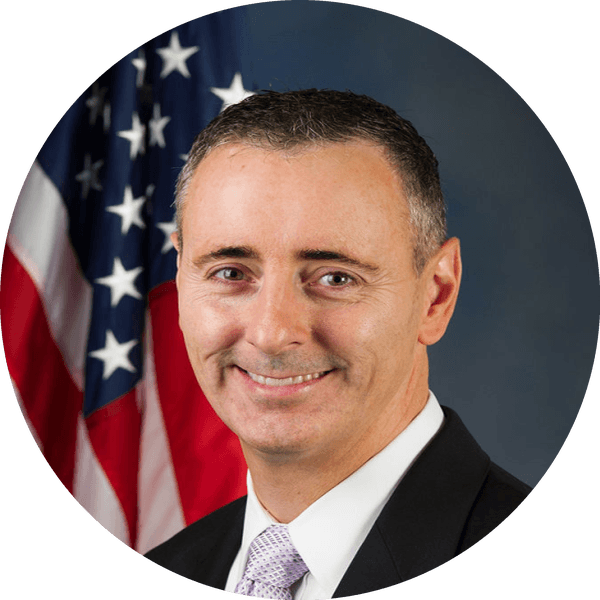
Brian Fitzpatrick
Republican · PA

Stephen Lynch
Democrat · MA

Bill Foster
Democrat · IL

Diana DeGette
Democrat · CO
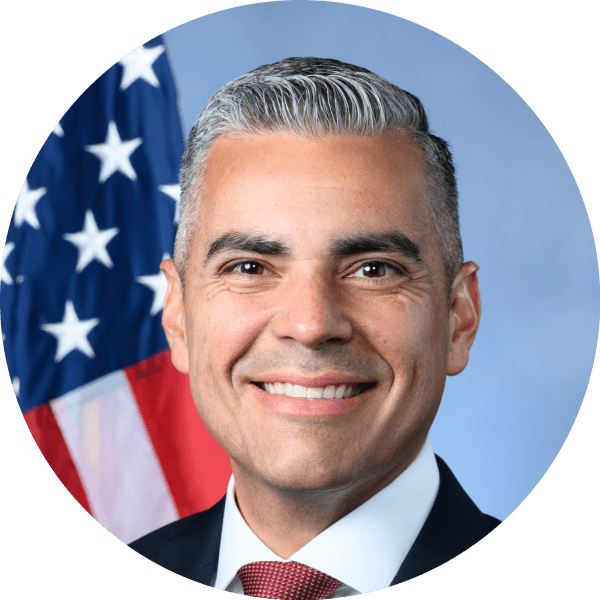
Juan Ciscomani
Republican · AZ

Julia Brownley
Democrat · CA

Seth Magaziner
Democrat · RI
Cosponsor Coverage Map
Committee Sponsors
Financial Services Committee
39 of 53 committee members cosponsored


8 Democrats across this committee haven't cosponsored yet. Mobilize their constituents
H.R. 4382 Quick Facts
- Committee
- Financial Services
- Chamber
- House
- Policy
- Finance and Financial Sector
- Introduced
- Jul 14, 2025
Referred to the House Committee on Financial Services.
Jul 14, 2025
Official Sources
The official bill page carries the text, the 164 cosponsors, and every action taken on it.
Congressional Research Service brief on how past Olympic coin programs were authorized and what they raised.
The Mint's own explanation of how commemorative coins are authorized, priced, and sold in limited quantities.
Traces the surcharge mechanism this bill uses, including the 1996 reform that capped programs at two a year.
Subsection (m) is the two-programs-a-year limit that can switch off the surcharge under this bill.
The audit requirements the bill imposes on both Olympic recipient organizations live in this section.
Explains the roles of the Commission of Fine Arts and the Citizens Coinage Advisory Committee that this bill routes designs through.
Background on how a commemorative coin bill like this one moves through Congress and claims a calendar slot.
H.R. 4382 Common Questions
What does H.R. 4382 actually do?
It orders the U.S. Mint to strike commemorative coins for two American Games: the 2028 Olympic and Paralympic Games in Los Angeles and the 2034 Winter Games in Salt Lake City. A surcharge on every sale goes to the organizations staging them.
What coins would the Mint make, and how many?
Four per Games: up to 100,000 $5 gold coins, 500,000 $1 silver coins, 300,000 clad half-dollars, and 100,000 five-ounce, three-inch proof silver dollars. That is a million coins per Games. Treasury can raise the caps if Olympic committee market research shows higher demand.
How much extra do you pay on top of the coin's price?
The surcharge is $35 on the gold coin, $10 on the silver dollar, $5 on the half-dollar, and $50 on the five-ounce proof silver dollar. That sits on top of face value plus what it cost the Mint to produce and ship the coin.
Who gets the surcharge money?
The 2028 surcharges go to United States Olympic and Paralympic Properties, for hosting costs and legacy work including youth sports. The 2034 surcharges go to the Salt Lake City organizing committee, for hosting and for winter sports and young and elite athlete programs.
Are taxpayers funding the 2028 or 2034 Olympics through this bill?
No. H.R. 4382 appropriates nothing. Coin buyers fund it, and the bill bars any payout until the Treasury has recovered every cost of designing, striking, marketing and shipping the coins. The Secretary is directed to ensure no net cost to the federal government.
When could you actually buy an Olympic coin?
The 2028 coins could only be issued during the one-year period beginning January 1, 2028, and the 2034 coins only during the year beginning January 1, 2034. The Mint would take prepaid orders before issuance, at a discount.
How much could the coin sales raise?
About $15 million per Games if every authorized coin sells: $3.5 million from gold, $5 million from silver dollars, $1.5 million from half-dollars, and $5 million from the five-ounce proofs. Roughly $30 million across both programs, and that is a ceiling, not a forecast.
Could the coins be minted but raise nothing?
Yes. Federal law allows only two commemorative coin programs a year, and the bill says no surcharge may be charged if issuing the coin would break that limit. Without the surcharge, the coins exist but the fundraising does not.
Based on H.R. 4382 bill text
H.R. 4382 Bill Text
“To require the Secretary of the Treasury to mint coins in commemoration of the 2028 Olympic and Paralympic Games in Los Angeles, California, and the 2034 Olympics and Paralympic Winter Games in Salt Lake City, Utah.”
Source: U.S. Government Publishing Office
Get notified when H.R. 4382 moves
Committee votes, floor action, cosponsor changes — straight to your inbox.
Bill alerts + Legisletter's monthly briefing. Unsubscribe anytime.
Finance and Financial Sector Bills
9 related bills we're tracking
761st Tank Battalion Congressional Gold Medal Act

Referred to the Committee on Financial Services, and in addition to the Committee on House Administration, for a period to be subsequently determined by the Speaker, in each case for consideration of such provisions as fall within the jurisdiction of the committee concerned.
Feb 26, 2025
Taxpayer Data Protection Act



Sponsor introductory remarks on measure. (CR H625-626)
Feb 11, 2025
Repealing Big Brother Overreach Act



Placed on the Union Calendar, Calendar No. 609.
Jun 18, 2026
Rosie the Riveter Commemorative Coin Act




Referred to the House Committee on Financial Services.
Jan 15, 2025
HELPER Act of 2025


Referred to the House Committee on Financial Services.
Mar 14, 2025
Anti-CBDC Surveillance State Act





Motion to reconsider laid on the table Agreed to without objection.
Jul 17, 2025
Protecting Privacy in Purchases Act



Received in the Senate and Read twice and referred to the Committee on Banking, Housing, and Urban Affairs.
Jul 15, 2026
Veterans Member Business Loan Act


Referred to the House Committee on Financial Services.
Jan 16, 2025
Credit Union Board Modernization Act




Read twice and referred to the Committee on Banking, Housing, and Urban Affairs.
Feb 11, 2025
Trending Right Now
Bills gaining momentum across Congress
ASAP Act

Ordered to be Reported in the Nature of a Substitute by the Yeas and Nays: 40 - 0.
Sep 16, 2026
Federal Firearms Licensee Protection Act of 2025


Referred to the House Committee on the Judiciary.
Mar 3, 2025
Therapeutic Fraud Prevention Act of 2025



Referred to the House Committee on Energy and Commerce.
May 7, 2025
Tracking Finance and Financial Sector in Congress? Monitor bills, track cosponsor momentum, and launch advocacy campaigns — all from one advocacy platform.