H.R. 2094: HELPER Act of 2025
Sponsor

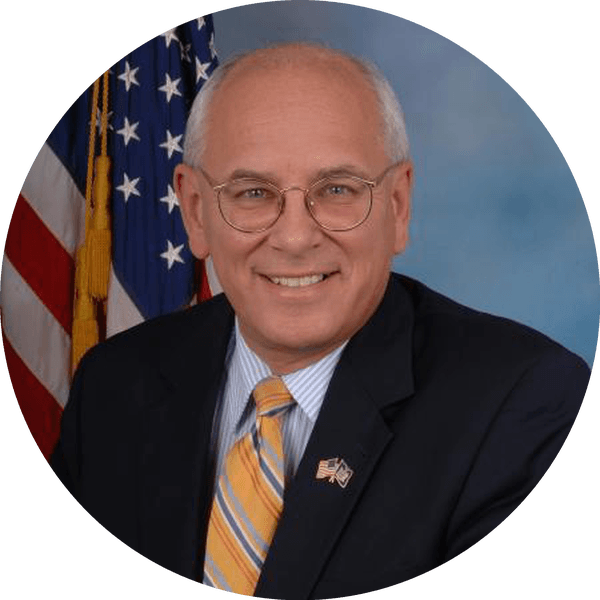
John Rutherford
Republican · FL-5
Zero-down mortgages for cops, firefighters, and teachers
Why it matters
The down payment is the wall keeping most public-service workers out of homeownership. H.R. 2094 would let cops, firefighters, EMTs, paramedics, and pre-K through 12 teachers buy a first home with no money down — trading FHA's monthly mortgage insurance for one up-front premium folded into the loan balance. 117 House cosponsors have signed on so far, with both parties on the list.
The HELPER Act would create a new FHA mortgage program for first-time homebuyers in five professions: full-time law enforcement officers, firefighters, paramedics, EMTs, and pre-K through 12 teachers at state-accredited public or private schools. Federal, state, tribal, and local employees in those roles all count.
The headline feature is no down payment. FHA could insure a mortgage for up to 100% of a home's appraised value, including fees and the up-front insurance premium. A buyer would not need to bring cash for the property purchase itself.
In exchange, FHA's usual monthly mortgage insurance bill goes away. A one-time up-front premium — which HUD could set above 3% of the loan amount and adjust over time — gets rolled into the loan balance. That can mean lower monthly payments but a larger starting debt.
To use the program, a borrower has to be a first-time homebuyer, complete a HUD-approved housing counseling course, and have worked four of the last five years in an eligible job. Borrowers also need to be in good standing and intend to stay in the profession for at least one more year after closing.
The program comes with guardrails and a clock. HUD has to set underwriting rules designed to protect FHA's Mutual Mortgage Insurance Fund, and the authority to make new commitments expires five years after the program launches unless Congress reauthorizes it.
Bill Progress
Latest Action · Mar 14, 2025
Referred to the House Committee on Financial Services.
H.R. 2094 Bill Summary
What H.R. 2094 actually does.
Zero down payment on the home
FHA could insure a mortgage for up to 100% of the home's appraised value, including fees and the up-front insurance premium. A buyer would not have to bring any cash for the property itself.
One up-front insurance premium instead of monthly bills
FHA's usual monthly mortgage insurance premium is banned for these loans. In its place, a one-time up-front premium — which HUD could set above 3% of the loan amount — gets folded into the loan balance.
Eligible jobs are narrow and specific
Only full-time law enforcement officers, firefighters, paramedics, EMTs, and pre-K through 12 teachers at state-accredited public or private schools qualify. Federal, state, tribal, and local employees in those roles all count.
First-time homebuyers only
Borrowers have to meet the federal first-time homebuyer definition and can't have used this program before. They also must complete a HUD-approved housing counseling course before closing.
Four-of-five years of service required
Borrowers need four of the last five years of full-time employment in an eligible job, current good standing, and intent to stay on the job for at least one more year. A disability-related departure counts toward the service requirement.
Covers single-family homes, condos, and some manufactured homes
The loan can buy or repair a single-family home, a condo unit, or a manufactured home that is permanently affixed to land the borrower owns and titled as real property. The home has to be the borrower's primary residence.
Five-year sunset on new loans
HUD's authority to make new mortgage commitments under the program expires five years after the first loan is offered. Congress would have to reauthorize it to keep the program going.
Who benefits from H.R. 2094?
Cops, firefighters, EMTs, and paramedics
Front-line public safety workers with steady paychecks but limited cash savings would have a path into homeownership without years of saving for a down payment.
Pre-K through 12 teachers at accredited schools
Both public and private school teachers qualify, as long as the school is state-accredited. Districts in high-cost markets could lean on the program as a recruiting and retention tool.
FHA-approved mortgage lenders
Lenders gain a new loan product for a market segment often priced out by down-payment requirements, in exchange for taking on the verification work for service history, counseling, and good standing.
Communities with public-servant shortages
School districts and emergency services agencies struggling to staff up — especially in expensive metros — could pitch the program to candidates as a hiring incentive.
Who is affected by H.R. 2094?
FHA's Mutual Mortgage Insurance Fund
The fund would back a new category of zero-down loans. HUD has to set underwriting standards designed to keep the fund's actuarial position intact, including potentially avoiding a positive subsidy rate.
First-time buyers in non-eligible jobs
Nurses, social workers, librarians, and other public-service workers fall outside the bill's narrow definition and don't qualify. Same for private-sector workers at the same income level.
Mortgage lenders and FHA underwriters
Lenders have to verify employment history, professional good standing, completion of housing counseling, and intent to stay in the job. That adds verification steps the standard FHA loan doesn't require.
HUD
HUD has to write the underwriting rules, set the up-front premium percentage, run actuarial reviews, and decide when to launch — the five-year clock for new loans starts when the agency first makes the insurance available.
Cost & Funding
Authorization
$660,000 for FY 2026, $160,000 per year for FY 2027–2032
- The bill authorizes $660,000 for fiscal year 2026 and $160,000 for each fiscal year from 2027 through 2032 to administer the program.
- The loans themselves would be financed through FHA mortgage insurance premiums, not direct appropriations.
- HUD would collect a one-time up-front insurance premium that could exceed 3% of the original loan amount and adjust it over time.
- Monthly mortgage insurance — the recurring charge most FHA borrowers pay — is banned for these loans.
- HUD has to set underwriting and actuarial standards designed to avoid hits to the FHA Mutual Mortgage Insurance Fund.
HR2094 Legislative Journey
House: Committee Action
Mar 14, 2025
Referred to the House Committee on Financial Services.
About the Sponsor
John Rutherford
Republican, Florida's 5th congressional district · 9 years in Congress
Committees: Appropriations
View full profile →
Cosponsors (154)
This bill has 154 cosponsors: 102 Democrats, 52 Republicans, reflecting bipartisan support. Cosponsors represent 31 states: Alabama, Arizona, California, and 28 more.

Bonnie Watson Coleman
Democrat · NJ

Andrew Garbarino
Republican · NY

Josh Gottheimer
Democrat · NJ

Jim Costa
Democrat · CA

David Valadao
Republican · CA

Dwight Evans
Democrat · PA
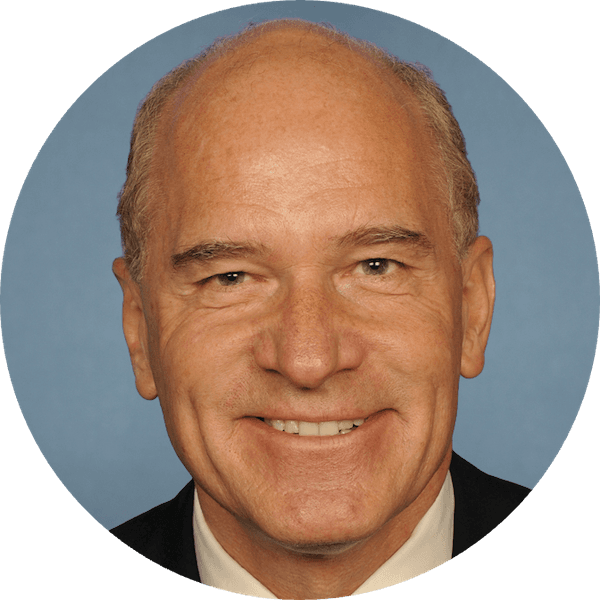
William Keating
Democrat · MA

Daniel Meuser
Republican · PA

Salud Carbajal
Democrat · CA

Brittany Pettersen
Democrat · CO
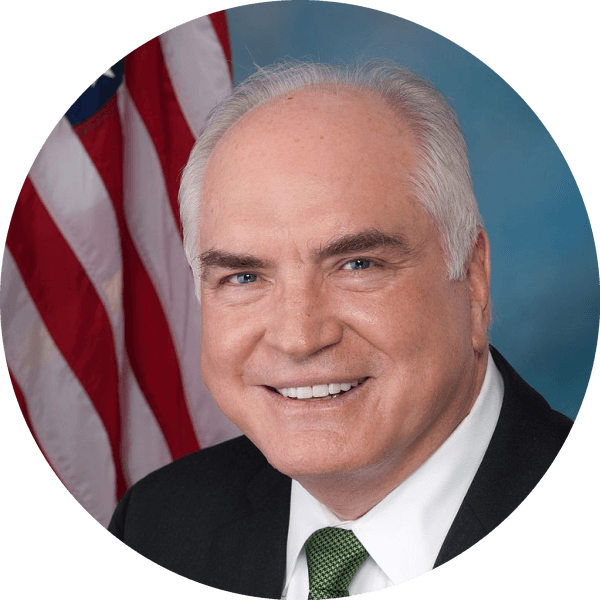
Mike Kelly
Republican · PA

Vince Fong
Republican · CA
Cosponsor Coverage Map
Committee Sponsors
Financial Services Committee
16 of 53 committee members cosponsored


22 Republicans across this committee haven't cosponsored yet. Mobilize their constituents
What laws does H.R. 2094 change?
1 changes
Sections Amended
Section 203 of National Housing Act (12 U.S.C. 1709)
adding at the end the following: ``(z) FHA Mortgage Insurance Program for Mortgages for First Responders
H.R. 2094 Quick Facts
- Committee
- Financial Services
- Chamber
- House
- Policy
- Finance and Financial Sector
- Introduced
- Mar 14, 2025
Referred to the House Committee on Financial Services.
Mar 14, 2025
Official Sources
Official bill text, cosponsors, and legislative history for the HELPER Act of 2025
The federal statute this bill amends — Section 203 of the National Housing Act, the foundation of FHA mortgage insurance
HUD's page on the insurance fund that would back these zero-down loans and absorb any default risk
The existing HUD homeownership program for first responders and teachers — the HELPER Act would create a separate, broader path alongside it
Find HUD-approved housing counseling agencies — the bill requires borrowers to complete counseling before qualifying
The Cranston-Gonzalez National Affordable Housing Act definition of first-time homebuyer that the HELPER Act incorporates
FHA's main resource hub — the agency that would administer the new zero-down loan program for public servants
The latest actuarial report on FHA's insurance fund health — relevant to whether FHA can absorb a new zero-down loan program
Who is lobbying on H.R. 2094?
5 organizations lobbying on this bill
PEACE OFFICERS RESEARCH ASSOCIATION OF CALIFORNIA | 4 |
NATIONAL TROOPERS COALITION | 4 |
LOUISIANA SHERIFFS' ASSOCIATION | 3 |
SERGEANTS BENEVOLENT ASSOCIATION OF NEW YORK CITY | 2 |
FEDERAL LAW ENFORCEMENT OFFICERS ASSOCIATION | 1 |
Showing 1-5 of 5 organizations
H.R. 2094 Common Questions
Can first responders buy a house with no down payment under the HELPER Act?
Yes. H.R. 2094 lets HUD insure a mortgage for up to 100% of the home's appraised value — including fees and the up-front insurance premium — meaning the buyer doesn't bring any cash for the property itself. It's the central feature of the bill.
What does the HELPER Act charge instead of a down payment?
A one-time up-front insurance premium that HUD could set above 3% of the loan amount and adjust over time. The bill bans the monthly mortgage insurance most FHA borrowers pay, so the cost shifts to a single charge folded into the loan balance.
Which jobs qualify for the HELPER Act mortgage program?
Full-time law enforcement officers, firefighters, paramedics, EMTs, and pre-K through 12 teachers at state-accredited public or private schools. Federal, state, tribal, and local employees in those roles all count. Nurses, social workers, and other public-service jobs don't qualify under the bill's definition.
How long do you have to be in the job to qualify for the HELPER Act loan?
Four of the last five years of full-time employment in an eligible job. Borrowers also have to be currently employed and in good standing — not on probation or under investigation — and plan to stay on the job for at least one more year after closing. A disability-related departure counts toward the requirement.
Can you use the HELPER Act loan if you've owned a home before?
No. The program is limited to first-time homebuyers as defined by federal housing law. The bill also prohibits anyone who has already used a HELPER Act loan from getting a second one.
Does the HELPER Act allow condos or manufactured homes?
Yes. The loan covers single-family homes, condo units in a condominium project, and manufactured homes that are permanently affixed to land the borrower owns and titled as real property. The home has to be the borrower's primary residence.
Do HELPER Act borrowers have to take housing counseling?
Yes. Eligible borrowers must complete a housing counseling program approved by HUD before closing on the mortgage.
When does the HELPER Act mortgage program expire?
HUD's authority to make new mortgage commitments ends five years after the agency first makes the insurance available. Congress would have to reauthorize the program to keep it running past that point.
Based on H.R. 2094 bill text
H.R. 2094 Bill Text
“To amend the National Housing Act to establish a mortgage insurance program for first responders, and for other purposes.”
Source: U.S. Government Publishing Office
Get notified when H.R. 2094 moves
Committee votes, floor action, cosponsor changes — straight to your inbox.
Bill alerts + Legisletter's monthly briefing. Unsubscribe anytime.
Finance and Financial Sector Bills
9 related bills we're tracking
America’s Olympic and Paralympic Games Commemorative Coins Act





Referred to the House Committee on Financial Services.
Jul 14, 2025
761st Tank Battalion Congressional Gold Medal Act




Referred to the Committee on Financial Services, and in addition to the Committee on House Administration, for a period to be subsequently determined by the Speaker, in each case for consideration of such provisions as fall within the jurisdiction of the committee concerned.
Feb 26, 2025
Taxpayer Data Protection Act





Sponsor introductory remarks on measure. (CR H625-626)
Feb 11, 2025
Repealing Big Brother Overreach Act





Placed on the Union Calendar, Calendar No. 609.
Jun 18, 2026
Rosie the Riveter Commemorative Coin Act





Referred to the House Committee on Financial Services.
Jan 15, 2025
Anti-CBDC Surveillance State Act





Motion to reconsider laid on the table Agreed to without objection.
Jul 17, 2025
Protecting Privacy in Purchases Act




Received in the Senate and Read twice and referred to the Committee on Banking, Housing, and Urban Affairs.
Jul 15, 2026
Veterans Member Business Loan Act



Referred to the House Committee on Financial Services.
Jan 16, 2025
Credit Union Board Modernization Act




Read twice and referred to the Committee on Banking, Housing, and Urban Affairs.
Feb 11, 2025
Trending Right Now
Bills gaining momentum across Congress
North Platte Canteen Congressional Gold Medal Act





Referred to the House Committee on Financial Services.
Feb 21, 2025
Fit to Serve Act





Referred to the House Committee on Armed Services.
May 21, 2025
ASAP Act



Ordered to be Reported in the Nature of a Substitute by the Yeas and Nays: 40 - 0.
Sep 16, 2026
Tracking Finance and Financial Sector in Congress? Monitor bills, track cosponsor momentum, and launch advocacy campaigns — all from one advocacy platform.