H.R. 3437: Insurance Data Protection Act
Sponsor

Scott Fitzgerald
Republican · WI-5
Federal watchdogs would lose their window into insurance risk
Why it matters
Both the Federal Insurance Office and the Office of Financial Research were created by the 2010 Dodd-Frank law to give the federal government visibility into insurance industry risk after the 2008 financial crisis. H.R. 3437 would strip the Federal Insurance Office's subpoena power, bar the Office of Financial Research from collecting any data directly from insurers, and block both offices from sharing nonpublic insurance information with state regulators or other federal agencies.
H.R. 3437 — the Insurance Data Protection Act — is short, but it pulls four big levers on how the federal government oversees insurance companies.
First, it strips the Federal Insurance Office of its subpoena power. The office was created by Dodd-Frank to monitor the insurance industry for risks that could threaten the broader financial system. Right now it can compel insurers to hand over information. Under this bill, that authority disappears.
Second, it builds a wall around nonpublic insurance data. The Federal Insurance Office could no longer share that data with state insurance regulators, with other federal agencies, or with any outside entity. That matters because state regulators and federal agencies often coordinate on issues like solvency, fraud, and cyber exposure.
Third, it bars the Office of Financial Research — Treasury's systemic-risk research arm, also created after the 2008 crisis — from collecting any data directly from insurance companies. The office would have to rely on other regulators or publicly available information instead.
Fourth, it adds a new confidentiality framework to the Financial Stability Act of 2010, the law that built the post-crisis financial oversight system. The bill does not include any new funding, penalties, or compliance deadlines — it's a limits-and-confidentiality bill, not a spending bill.
Bill Progress
Latest Action · May 15, 2025
Referred to Financial Services, and in addition to the Committee on Agriculture, for a period to be subsequently determined by the Speaker, in each case for consideration of such provisions as fall within the jurisdiction of the committee concerned. for review
H.R. 3437 Bill Summary
What H.R. 3437 actually does.
Federal Insurance Office loses its subpoena power
Section 2 removes the Federal Insurance Office's authority to compel insurance companies to turn over information. The office was created by Dodd-Frank to monitor the insurance industry for systemic risk.
Wall around nonpublic insurance data
Section 3 prohibits the Federal Insurance Office from sharing nonpublic insurance data with any other federal agency, any state insurance regulator (or the regulator's agents), or any other outside entity.
Broader privilege protections for shared data
Expands the legal privileges that protect insurance company information when it does change hands, making it harder to argue that handing over sensitive material waives those privileges more widely.
Existing FOIA exceptions still apply
Clarifies that the existing Freedom of Information Act exceptions continue to apply to insurance data the federal government holds, so the bill does not override the standard public records framework.
Office of Financial Research blocked from collecting directly from insurers
Section 4 bars Treasury's Office of Financial Research — the post-2008 systemic-risk research arm — from collecting data directly from insurance companies. It would have to go through other regulators or use public sources.
New confidentiality framework in the Financial Stability Act
Section 5 adds a new confidentiality section to the Financial Stability Act of 2010 governing nonpublic insurance data that federal regulators receive, and makes a technical update to the Dodd-Frank table of contents.
Who benefits from H.R. 3437?
Insurance companies — roughly 6,000 firms in the U.S.
Insurers are the clearest beneficiaries. The bill removes the Federal Insurance Office's authority to subpoena them and bars the Office of Financial Research from collecting their data directly. Insurance trade groups have lobbied for these limits since both offices were created.
Insurers with sensitive nonpublic data
Reinsurance pricing, internal solvency models, cyber exposure data — anything an insurance company holds as nonpublic would have stronger confidentiality protections and tighter sharing limits under the new wall.
Advocates for state-led insurance oversight
Insurance is traditionally regulated state-by-state in the U.S. The bill scales back two federal offices created in 2010 that overlapped with that model — a long-standing priority for industry groups that prefer the state-by-state system.
Who is affected by H.R. 3437?
Federal Insurance Office
Loses its subpoena power and would be barred from sharing any nonpublic insurance data with other regulators or agencies. The office was set up by Dodd-Frank specifically to spot systemic insurance risk.
Office of Financial Research
Could no longer collect data directly from insurance companies — a sector of the financial system it was explicitly designed to monitor for systemic risk.
State insurance regulators
Cut off from receiving nonpublic insurance data through the Federal Insurance Office, even though state regulators are the primary insurance overseers in the U.S.
Other federal financial regulators
Agencies like the Federal Reserve, FDIC, SEC, and CFTC that might need insurance data — say, for a systemic risk review or a fraud investigation — could not receive it from the Federal Insurance Office under the new restrictions.
Taxpayers
Both targeted offices were created in response to the 2008 financial crisis, when AIG's insurance subsidiaries required hundreds of billions in federal support. With reduced data-collection authority, the federal government would have less visibility into the kind of risk both offices were designed to identify.
HR3437 Legislative Journey
House: Committee Action
May 15, 2025
Referred to the Committee on Financial Services, and in addition to the Committee on Agriculture, for a period to be subsequently determined by the Speaker, in each case for consideration of such provisions as fall within the jurisdiction of the committee concerned.
About the Sponsor
Scott Fitzgerald
Republican, Wisconsin's 5th congressional district · 5 years in Congress
Committees: the Judiciary, Financial Services
View full profile →
Cosponsors (23)
All 23 cosponsors are Republicans. Cosponsors represent 17 states: Florida, Georgia, Iowa, and 14 more.

Mike Flood
Republican · NE
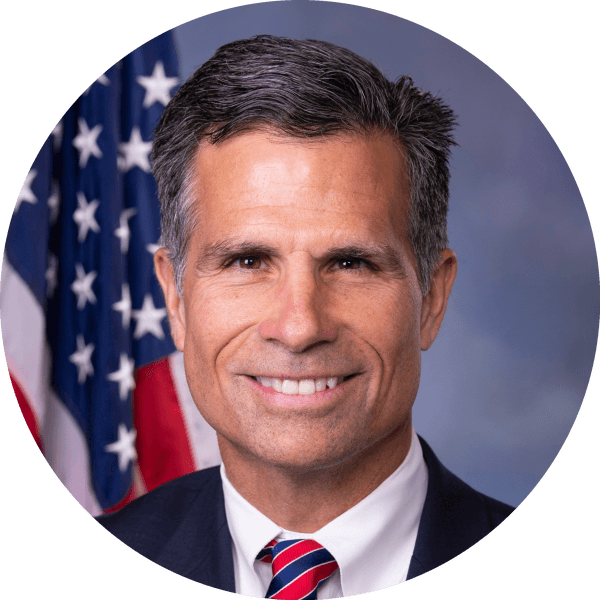
Daniel Meuser
Republican · PA
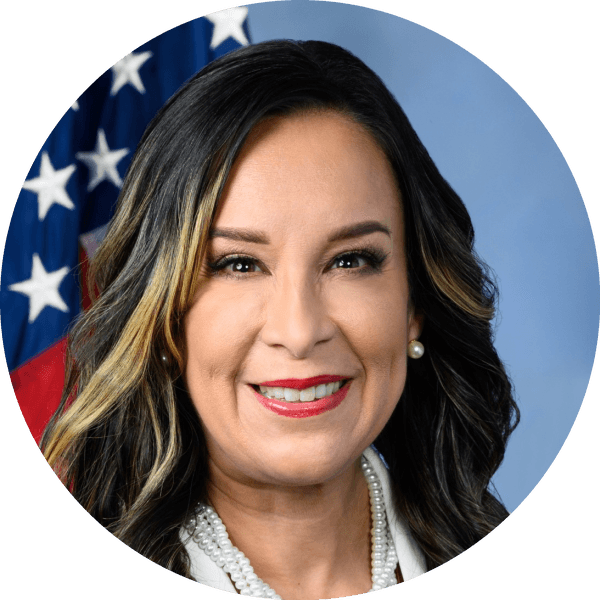
Monica De La Cruz
Republican · TX

William Timmons
Republican · SC
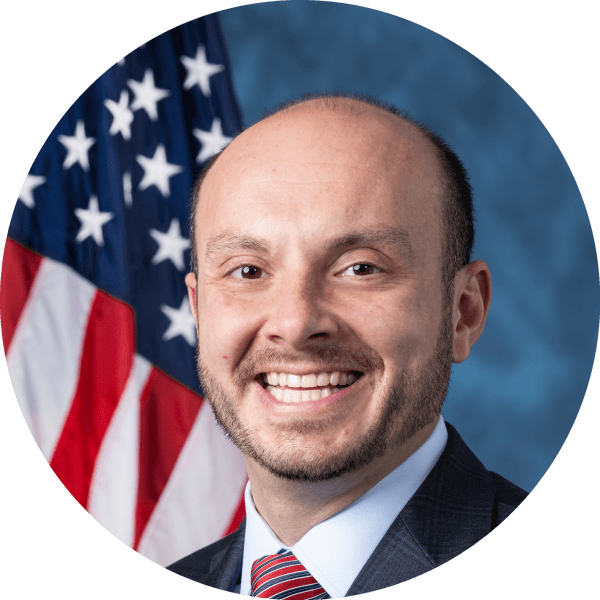
Andrew Garbarino
Republican · NY

Andrew Ogles
Republican · TN
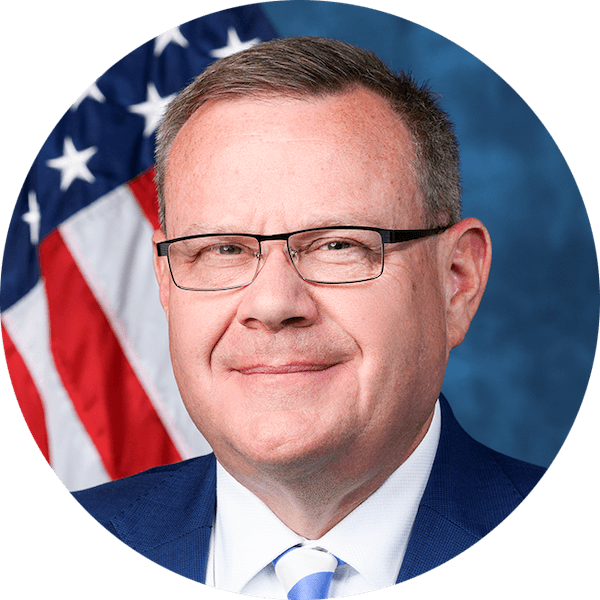
Tim Moore
Republican · NC

Byron Donalds
Republican · FL

Bill Huizenga
Republican · MI
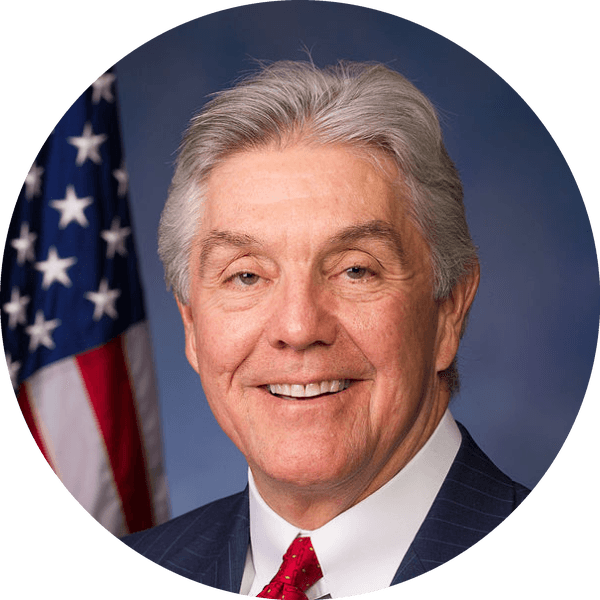
Roger Williams
Republican · TX

Ralph Norman
Republican · SC

Zachary Nunn
Republican · IA
Committee Sponsors
Agriculture Committee
2 of 53 committee members cosponsored


Financial Services Committee
18 of 53 committee members cosponsored


37 Republicans across these committees haven't cosponsored yet. Mobilize their constituents
What laws does H.R. 3437 change?
1 changes
Sections Amended
Section 1(b) of Dodd-Frank Wall Street Reform and Consumer Protection Act (Public Law 111-203)
inserting after the item relating to section 176 the following: ``Subtitle D--Treatment of Data Collected From Insurance Companies ``Sec
H.R. 3437 Quick Facts
- Committee
- Agriculture
- Chamber
- House
- Policy
- Finance and Financial Sector
- Introduced
- May 15, 2025
Referred to Financial Services, and in addition to the Committee on Agriculture, for a period to be subsequently determined by the Speaker, in each case for consideration of such provisions as fall within the jurisdiction of the committee concerned. for review
May 15, 2025
Official Sources
Official bill page with text, actions, sponsor, and committee status for the Insurance Data Protection Act.
Official Treasury page for the Federal Insurance Office, the office whose subpoena and data-sharing authorities are narrowed by the bill.
Official site of the Office of Financial Research, which the bill would bar from collecting data directly from insurance companies.
Official U.S. Code entry for 31 U.S.C. 313, the statute governing the Federal Insurance Office provisions amended in Sections 2 and 3.
Official U.S. Code entry for 12 U.S.C. 5343, covering OFR data collection authority amended by Section 4.
Official Public Law text for Dodd-Frank, which created the Financial Stability Act framework and whose table of contents is technically amended by the bill.
Official FOIA reference for 5 U.S.C. 552, relevant because the bill preserves existing exceptions under that section.
H.R. 3437 Common Questions
What does the Insurance Data Protection Act actually do?
H.R. 3437 strips two federal offices of their authority to collect insurance data. The Federal Insurance Office loses its subpoena power, and the Office of Financial Research is barred from collecting data directly from insurance companies. The bill also blocks both offices from sharing nonpublic insurance data with state regulators or other agencies.
Why are the Federal Insurance Office and OFR being targeted?
Both offices were created by the 2010 Dodd-Frank law to give the federal government visibility into insurance industry risk after the 2008 financial crisis. Insurance industry groups have pushed back on both offices since their creation, arguing that insurance regulation should remain state-led. H.R. 3437 reflects that long-standing industry position.
Can the Federal Insurance Office still subpoena insurers under H.R. 3437?
No. The bill strikes the paragraph that gave the Federal Insurance Office its subpoena and enforcement authority. The office could still request information voluntarily, but it could no longer compel insurers to hand it over.
Can the Office of Financial Research still collect data directly from insurers?
No. H.R. 3437 carves insurance companies out of the data-collection authority that the Office of Financial Research has over other financial firms. The office would have to get insurance data through other regulators or from publicly available sources instead.
Can state insurance regulators still get federal insurance data?
Not through the Federal Insurance Office. The bill bars sharing of nonpublic insurance data with any state regulator or the regulator's agents — even though state-level officials are the primary insurance overseers in the U.S. State regulators would need to gather the data themselves.
Who benefits if H.R. 3437 passes?
Insurance companies are the clear beneficiaries — they face less direct federal data collection and stronger confidentiality protections for the data the government already holds. The bill is sponsored by Rep. Scott Fitzgerald (R-WI) and has 22 additional Republican cosponsors, with no Democratic support so far.
Does H.R. 3437 affect FOIA requests?
The bill preserves the standard FOIA exceptions, so it doesn't override the existing public records framework. But by widening privilege protections and adding new confidentiality rules, it would likely give insurance companies more arguments to keep specific data out of public records responses.
Where does H.R. 3437 stand right now?
The bill was introduced on May 15, 2025 and referred to the House Financial Services Committee and the House Agriculture Committee. As of the latest action, it has not received a committee markup or floor vote.
Based on H.R. 3437 bill text
H.R. 3437 Bill Text
“To prohibit the Federal Insurance Office of the Department of the Treasury and other financial regulators from collecting data directly from an insurance company.”
Source: U.S. Government Publishing Office
Get notified when H.R. 3437 moves
Committee votes, floor action, cosponsor changes — straight to your inbox.
Bill alerts + Legisletter's monthly briefing. Unsubscribe anytime.
Finance and Financial Sector Bills
9 related bills we're tracking
America’s Olympic and Paralympic Games Commemorative Coins Act




Referred to the House Committee on Financial Services.
Jul 14, 2025
761st Tank Battalion Congressional Gold Medal Act

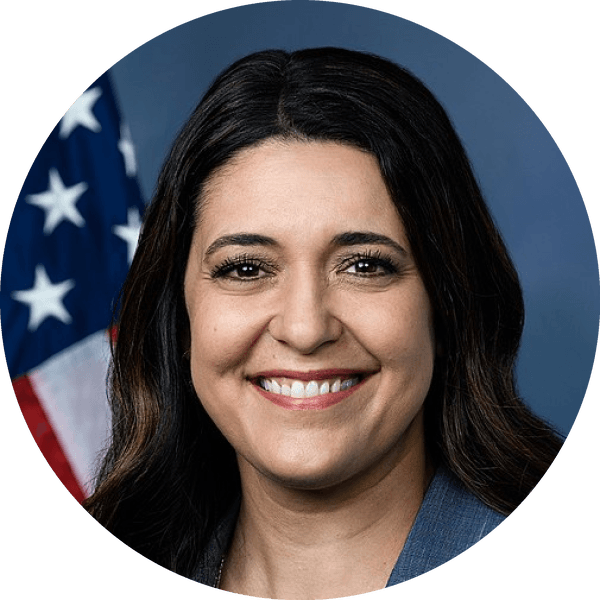
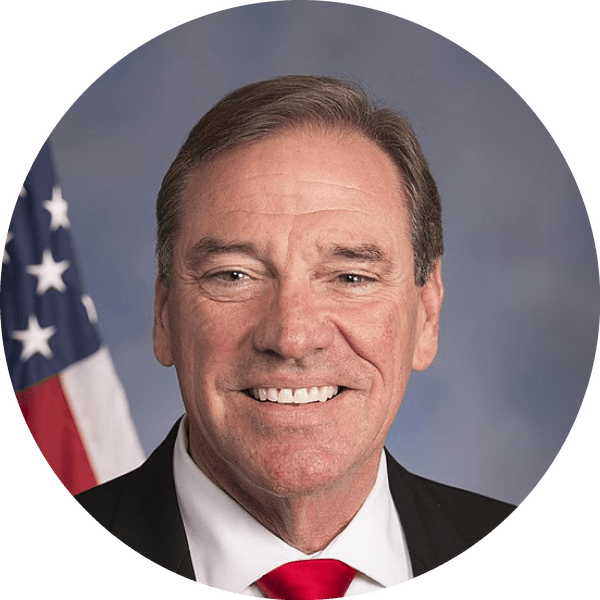
Referred to the Committee on Financial Services, and in addition to the Committee on House Administration, for a period to be subsequently determined by the Speaker, in each case for consideration of such provisions as fall within the jurisdiction of the committee concerned.
Feb 26, 2025
Taxpayer Data Protection Act


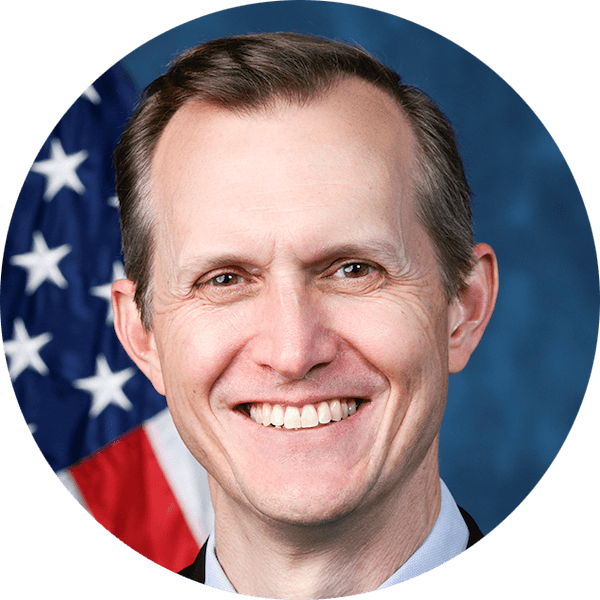
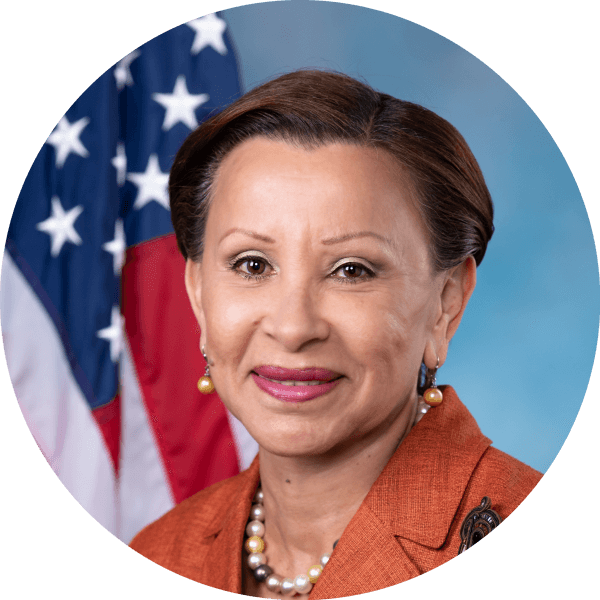
Sponsor introductory remarks on measure. (CR H625-626)
Feb 11, 2025
Repealing Big Brother Overreach Act


Placed on the Union Calendar, Calendar No. 609.
Jun 18, 2026
Rosie the Riveter Commemorative Coin Act


Referred to the House Committee on Financial Services.
Jan 15, 2025
HELPER Act of 2025

Referred to the House Committee on Financial Services.
Mar 14, 2025
Anti-CBDC Surveillance State Act



Motion to reconsider laid on the table Agreed to without objection.
Jul 17, 2025
Protecting Privacy in Purchases Act


Received in the Senate and Read twice and referred to the Committee on Banking, Housing, and Urban Affairs.
Jul 15, 2026
Veterans Member Business Loan Act

Referred to the House Committee on Financial Services.
Jan 16, 2025
Trending Right Now
Bills gaining momentum across Congress
Fit to Serve Act




Referred to the House Committee on Armed Services.
May 21, 2025
ASAP Act


Ordered to be Reported in the Nature of a Substitute by the Yeas and Nays: 40 - 0.
Sep 16, 2026
Therapeutic Fraud Prevention Act of 2025




Referred to the House Committee on Energy and Commerce.
May 7, 2025
Tracking Finance and Financial Sector in Congress? Monitor bills, track cosponsor momentum, and launch advocacy campaigns — all from one advocacy platform.