H.R. 1773: Federal Firearms Licensee Protection Act of 2025
Sponsor

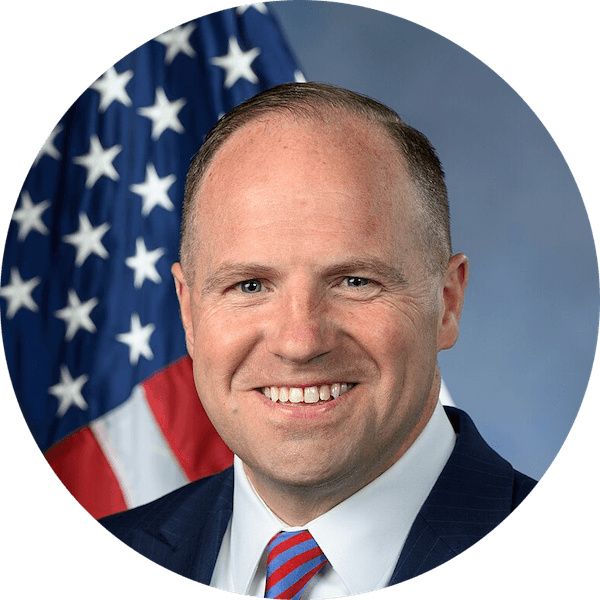
John Rutherford
Republican · FL-5
Steal from a gun dealer, face up to 20 years
Why it matters
Federal law already makes it a crime to steal a firearm from a licensed dealer, with a ceiling of 10 years in prison. H.R. 1773 would double that ceiling to 20 years, add a 3-year mandatory minimum when the theft happens during a burglary and a 5-year minimum during a robbery, and apply the same penalties to anyone who only attempts it. The bill has drawn 79 cosponsors and sits in the House Judiciary Committee.
H.R. 1773, the Federal Firearms Licensee Protection Act of 2025, rewrites the federal penalty for stealing a gun from a licensed importer, manufacturer, or dealer. Today that crime carries a maximum of 10 years in prison. The bill doubles the ceiling to 20 years and applies the same maximum to anyone who attempts the theft, not just those who complete it.
It also adds prison-time floors that do not exist now. If the theft happens during a burglary of the business — defined here as unlawfully entering or staying on the premises intending to commit a crime — the sentence must be at least 3 years. If it happens during a robbery, the minimum is 5 years. Those are mandatory minimums: a judge cannot go below them.
A second, narrower change adds attempt liability to a related theft provision that also covers licensed collectors, so trying and failing can be charged the same as succeeding.
The bill is short. It creates no grant money, no security funding for dealers, and no new reporting rules — it is strictly a sentencing change. Sponsored by a Republican and cosponsored by 79 members, nearly all Republican with a handful of Democrats, its likeliest friction point in committee is the recurring debate over mandatory minimums: whether fixed prison floors deter crime or mostly limit a judge's room to weigh individual cases.
Bill Progress
Latest Action · Mar 3, 2025
Referred to the House Committee on the Judiciary.
H.R. 1773 Bill Summary
What H.R. 1773 actually does.
Doubles the maximum sentence to 20 years
Stealing a firearm from a licensed importer, manufacturer, or dealer currently carries up to 10 years in prison. The bill raises that ceiling to 20 years, plus a fine.
Attempts carry the same penalty as completed thefts
Trying and failing to steal a firearm from a covered licensed business would be punishable up to the same 20-year maximum as actually taking it.
3-year mandatory minimum for burglary cases
If the theft occurs during a burglary of the licensed business, the sentence must include at least 3 years in prison — a floor a judge cannot go below.
5-year mandatory minimum for robbery cases
If the theft occurs during a robbery, the sentence must include at least 5 years in prison, the higher of the bill's two mandatory floors.
Defines burglary and robbery for this offense
Burglary here means unlawfully entering or remaining on the licensed business's premises with intent to commit a crime; robbery uses the existing federal robbery definition.
Extends attempt liability to the collector provision
A separate firearms-theft provision covering licensed importers, manufacturers, dealers, and collectors is amended so attempting the theft can be charged like committing it.
Who benefits from H.R. 1773?
Licensed gun dealers, importers, and manufacturers
The bill is named for them. Their premises are the protected target, and the higher penalties are aimed at deterring break-ins and stickups against their inventory.
Federal prosecutors and law enforcement
They would gain a higher sentencing ceiling, new mandatory minimums, and explicit attempt language to use in cases involving guns stolen from licensed businesses.
Communities where crime guns originate
If tougher penalties deter dealer thefts, fewer firearms may be diverted from store shelves into the illegal market — though the bill itself offers no estimate of that effect.
Who is affected by H.R. 1773?
People charged with or convicted of these thefts
They would face a doubled maximum and, in burglary or robbery cases, prison terms a judge cannot reduce below 3 or 5 years.
Federal judges
Mandatory minimums remove sentencing discretion in covered burglary and robbery cases, regardless of an individual defendant's circumstances.
Federal courts and the prison system
Longer terms and more chargeable attempt cases could add to caseloads, detention time, and incarceration costs over time.
HR1773 Legislative Journey
House: Committee Action
Mar 3, 2025
Referred to the House Committee on the Judiciary.
About the Sponsor
John Rutherford
Republican, Florida's 5th congressional district · 9 years in Congress
Committees: Appropriations
View full profile →
Cosponsors (141)
This bill has 141 cosponsors: 4 Democrats, 137 Republicans. Cosponsors represent 37 states: Alabama, Arkansas, Arizona, and 34 more.

Jared Golden
Democrat · ME
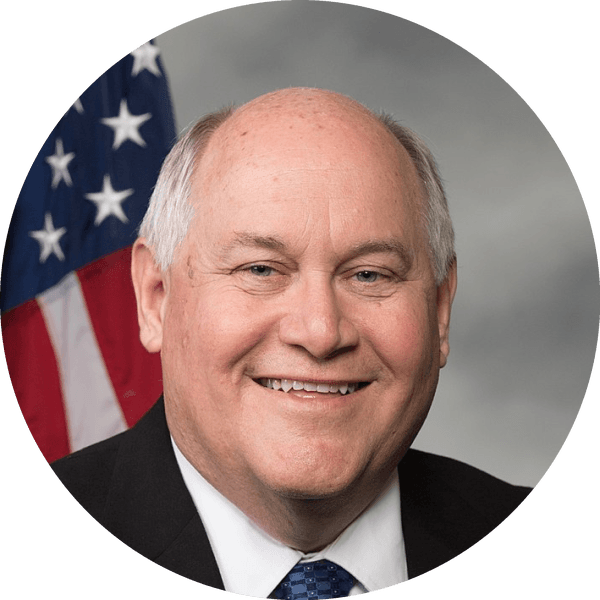
Ron Estes
Republican · KS

Claudia Tenney
Republican · NY

Mike Bost
Republican · IL
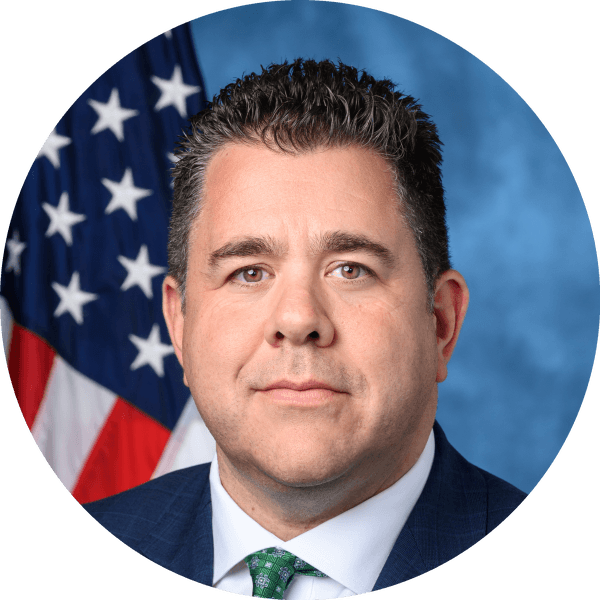
Nick LaLota
Republican · NY

Aaron Bean
Republican · FL

John Rose
Republican · TN

Brad Finstad
Republican · MN

Barry Moore
Republican · AL

Eric Burlison
Republican · MO

Blake Moore
Republican · UT

Brett Guthrie
Republican · KY
Cosponsor Coverage Map
Committee Sponsors
Judiciary Committee
11 of 44 committee members cosponsored


13 Republicans across this committee haven't cosponsored yet. Mobilize their constituents
H.R. 1773 Quick Facts
- Committee
- Judiciary
- Chamber
- House
- Policy
- Crime and Law Enforcement
- Introduced
- Mar 3, 2025
Referred to the House Committee on the Judiciary.
Mar 3, 2025
Official Sources
Official bill page with full text, cosponsors, and legislative status for the Federal Firearms Licensee Protection Act of 2025.
The GPO's authenticated copy of the introduced bill text, showing the exact Section 924 amendments creating the 20-year maximum and the 3- and 5-year mandatory minimums.
The federal statute this bill amends, currently setting penalties for theft from FFLs at up to 10 years — HR 1773 would double the maximum to 20 years.
Contains Section 922(u), the underlying prohibition against stealing firearms from licensed dealers that this bill strengthens penalties for.
The bill adopts this statute's definition of robbery for its 5-year mandatory minimum sentencing provision.
ATF regulation requiring federal firearms licensees to report stolen or lost firearms within 48 hours — the reporting framework that surfaces the theft problem this bill targets.
H.R. 1773 Common Questions
How much prison time can you get for stealing a gun from a licensed dealer under H.R. 1773?
Up to 20 years, a fine, or both. The bill doubles the current 10-year federal maximum for knowingly stealing a firearm from a licensed importer, manufacturer, or dealer.
What is the current penalty for stealing from a gun store, and what would change?
Today the federal maximum is 10 years in prison. H.R. 1773 would double it to 20 years, add 3- and 5-year mandatory minimums for burglary and robbery cases, and cover attempts.
What is the mandatory minimum for burglarizing a gun store and taking firearms?
At least 3 years. H.R. 1773 sets a 3-year mandatory minimum when the firearm theft happens during a burglary of the licensed business — a sentence a judge cannot go below.
What is the mandatory minimum for robbing a licensed gun dealer?
At least 5 years. If the theft is committed during a robbery, H.R. 1773 requires a minimum 5-year prison sentence — higher than the 3-year floor for a burglary.
Does H.R. 1773 punish attempted gun theft the same as a completed theft?
Yes. The bill adds attempt liability so trying and failing to steal a firearm from a covered licensed business carries the same penalty — up to 20 years — as actually taking it.
Does the bill cover thefts from licensed gun collectors?
In part. A separate theft provision that also lists licensed collectors is amended so attempting the theft can be charged like committing it. The main 20-year change covers licensed importers, manufacturers, and dealers.
What counts as burglary versus robbery under H.R. 1773?
Burglary means unlawfully entering or staying on the licensed business's premises intending to commit a crime. Robbery uses the existing federal robbery definition. The distinction sets the 3-year versus 5-year minimum.
Does H.R. 1773 have bipartisan support, and where does it stand?
It has 79 cosponsors — nearly all Republican, with a few Democrats — and the lead sponsor is a Republican. It was referred to the House Judiciary Committee and has not yet advanced.
Based on H.R. 1773 bill text
H.R. 1773 Bill Text
“To amend chapter 44 of title 18, United States Code, to enhance penalties for theft of a firearm from a Federal firearms licensee.”
Source: U.S. Government Publishing Office
Get notified when H.R. 1773 moves
Committee votes, floor action, cosponsor changes — straight to your inbox.
Bill alerts + Legisletter's monthly briefing. Unsubscribe anytime.
Crime and Law Enforcement Bills
9 related bills we're tracking
Crime Victims Fund Stabilization Act of 2025




Received in the Senate and Read twice and referred to the Committee on the Judiciary.
Jan 13, 2026
Bipartisan Background Checks Act of 2025



Referred to the House Committee on the Judiciary.
Jun 10, 2025
Combating Organized Retail Crime Act of 2025





Received in the Senate and Read twice and referred to the Committee on the Judiciary.
May 13, 2026
Ethan's Law




Referred to the House Committee on the Judiciary.
Feb 25, 2025
Assault Weapons Ban of 2025


Referred to the House Committee on the Judiciary.
Apr 30, 2025
Constitutional Concealed Carry Reciprocity Act of 2025





Placed on the Union Calendar, Calendar No. 289.
Oct 3, 2025
Honoring Our Fallen Heroes Act of 2025


Referred to the House Committee on the Judiciary.
Feb 12, 2025
Raise the Age Act of 2025


Referred to the House Committee on the Judiciary.
Mar 26, 2025
Born-Alive Abortion Survivors Protection Act


Received in the Senate and Read twice and referred to the Committee on the Judiciary.
Jan 24, 2025
Trending Right Now
Bills gaining momentum across Congress
North Platte Canteen Congressional Gold Medal Act



Referred to the House Committee on Financial Services.
Feb 21, 2025
Fit to Serve Act





Referred to the House Committee on Armed Services.
May 21, 2025
ASAP Act



Ordered to be Reported in the Nature of a Substitute by the Yeas and Nays: 40 - 0.
Sep 16, 2026
Tracking Crime and Law Enforcement in Congress? Monitor bills, track cosponsor momentum, and launch advocacy campaigns — all from one advocacy platform.