H.R. 2853: Combating Organized Retail Crime Act of 2025
Sponsor

David Joyce
Republican · OH-14
Organized retail theft is a $35 billion problem with no federal law against it
Why it matters
Retail larceny incidents rose 93% between 2019 and 2023, according to the bill's findings. Cargo theft jumped 27% in 2024 alone, with the average heist worth over $202,000. Industry estimates put organized retail and supply chain crime at $15 to $35 billion a year. Until now, there has been no federal law that specifically defines or targets organized retail crime — thieves operate across state lines while local prosecutors try to connect the dots one jurisdiction at a time. H.R. 2853 would change that.
The bill attacks the problem at three levels: definitions, penalties, and coordination.
First, it creates a federal definition of organized retail and supply chain crime. That means prosecutors can treat patterns of theft across state lines as a single federal case instead of dozens of unconnected local ones. The bill lets prosecutors aggregate stolen goods across multiple thefts to reach a $5,000 federal threshold over any 12-month period — so the Target self-checkout scammer racking up thousands across different stores can face federal charges, not just a misdemeanor in each county.
Second, it expands the money laundering statute to cover prepaid cards, gift certificates, and store gift cards. Theft rings don't just resell goods — they convert stolen merchandise into gift cards and funnel the proceeds through layers of transactions. The bill closes that gap and adds forfeiture authority, letting the government seize property tied to organized retail and cargo theft.
Third, it creates an Organized Retail and Supply Chain Crime Coordination Center within DHS. The center has 90 days to stand up after enactment, and it pulls together investigators from Homeland Security, FBI, Secret Service, Postal Inspection Service, ATF, DEA, CBP, and the Federal Motor Carrier Safety Administration. It's designed to be a hub where federal agents, state and local police, retailers, and transportation companies share intelligence. The center has a 7-year sunset clause — Congress wants to see if it works before making it permanent.
The bill's findings cite that more than 84% of retailers say violence from organized theft has worsened since 2022, with injuries and deaths among employees, customers, and security officers. These aren't just property crimes — the findings note that organized theft groups are often "polycriminal organizations" using stolen goods profits to fund drug and weapons trafficking, and some engage in human smuggling.
Bill Progress
Latest Action · May 13, 2026
Passed the House, received in Senate
Visual Summary
H.R. 2853 at a Glance
<div style="max-width:100%;">
  <img src="https://legisletter.org/images/bill-infographics/hr2853-combating-organized-retail-crime-act.jpeg" alt="HR2853 Visual Summary - Combating Organized Retail Crime Act of 2025" style="max-width:100%;height:auto;display:block;" />
  <p style="margin:8px 0 0;font-size:14px;color:#555;text-align:center;">
    <a href="https://legisletter.org/bill/hr2853-combating-organized-retail-crime-act" target="_blank" rel="noopener noreferrer" style="color:inherit;text-decoration:underline;">HR2853 Visual Summary – Combating Organized Retail Crime Act of 2025</a>
    <span> via </span>
    <a href="https://legisletter.org" target="_blank" rel="noopener noreferrer" style="color:inherit;text-decoration:none;font-weight:500;">legisletter.org</a>
  </p>
</div>H.R. 2853 Bill Summary
What H.R. 2853 actually does.
Creates the first federal definition of organized retail crime
The bill defines organized retail and supply chain crime under federal law for the first time, covering coordinated theft from stores and cargo shipments carried out by or on behalf of an organization.
Prosecutors can stack thefts across state lines
Stolen goods can be aggregated to reach a $5,000 federal threshold over any 12-month period. A pattern of smaller thefts across multiple states becomes a single federal case.
Gift cards and prepaid cards count as money laundering
The money laundering statute expands to cover general-use prepaid cards, gift certificates, and store gift cards — closing the gap theft rings use to convert stolen merchandise into untraceable proceeds.
DHS stands up a coordination center in 90 days
A new Organized Retail and Supply Chain Crime Coordination Center brings together investigators from eight federal agencies plus state, local, and private sector partners. It tracks national trends and publishes annual public reports.
Federal government can seize property tied to organized theft
New forfeiture authority covers offenses under existing federal statutes for interstate shipment theft, transportation of stolen goods, and sale or receipt of stolen goods.
Who benefits from H.R. 2853?
Retailers losing billions to organized theft rings
From national chains to independent stores, retailers face coordinated theft operations that local police struggle to investigate across jurisdictions. Federal coordination and a dedicated crime center give law enforcement tools that match the geographic scope of the problem.
Freight and logistics companies hit by cargo theft
The bill's findings cite a 27% increase in cargo theft incidents in 2024, with the average theft worth over $202,000. The expanded bill specifically covers supply chain crime — cargo theft on rails, roads, and distribution points now falls under the same federal coordination framework.
Retail and warehouse workers facing violence on the job
According to the bill's findings, 84% of retailers report worsening violence and aggression from organized theft since 2022, resulting in injuries and deaths among employees, customers, and security officers. Federal enforcement targets the organized groups behind the violence.
Consumers paying higher prices driven by theft losses
The bill's findings note that organized theft erodes the national economy by increasing the cost of goods. Retailers pass shrink costs to customers through higher prices — federal enforcement aims to reduce the theft that drives those increases.
Who is affected by H.R. 2853?
Online marketplace sellers facing new scrutiny
E-commerce platforms will need to flag and investigate suspicious high-volume sellers. Legitimate small sellers may face additional verification requirements as marketplaces tighten compliance to avoid liability.
E-commerce companies with new compliance obligations
Online marketplaces will need to invest in monitoring systems to identify patterns of suspicious sales — particularly high-volume resellers who may be fencing stolen goods.
Privacy and civil liberties advocates
The bill creates a framework for sharing investigative information between private companies and federal law enforcement, with a secure information-sharing system and provisions for disclosing otherwise-confidential business information when "operationally necessary."
Local police departments receiving new federal mandates
State and local agencies get access to federal intelligence and resources, but may also face new coordination requirements and workload from participating in the DHS center's information-sharing framework.
Cost & Funding
Authorization
Not specified — CBO estimates less than $500,000 in increased revenues and direct spending over 2026-2036
- CBO scored the bill with a negligible deficit impact. The estimated increase in revenues and direct spending is less than $500,000 over the 2026-2036 period.
- The bill does not include specific funding amounts. The coordination center's costs will depend on staffing levels and detailees from eight federal agencies.
- The center has a 7-year sunset clause — Congress built in an expiration date to evaluate whether the investment is working before extending it.
- Retailers and online marketplaces will face private-sector compliance costs for monitoring suspicious sellers and sharing intelligence with federal law enforcement.
- Forfeiture authority could generate revenue: seized property from organized retail and cargo theft operations offsets some enforcement costs.
HR2853 Legislative Journey
Committee Action
May 13, 2026
Received in the Senate and Read twice and referred to the Committee on the Judiciary.
House: Vote: 348-60
May 12, 2026
On motion to suspend the rules and pass the bill, as amended Agreed to by the Yeas and Nays: (2/3 required): 348 - 60 (Roll no. 157). (text: CR H3364-3366)
House: Committee Action
Jan 30, 2026
Reported (Amended) by the Committee on Judiciary. H. Rept. 119-471.
House: Vote Held
Jan 13, 2026
Ordered to be Reported (Amended) by Voice Vote.
House: Committee Action
Apr 10, 2025
Referred to the House Committee on the Judiciary.
About the Sponsor
David Joyce
Republican, Ohio's 14th congressional district · 13 years in Congress
Committees: Appropriations, Homeland Security
View full profile →
Cosponsors (206)
This bill has 206 cosponsors: 84 Democrats, 122 Republicans, reflecting bipartisan support. Cosponsors represent 44 states: Alaska, Alabama, Arkansas, and 41 more.

Susie Lee
Democrat · NV
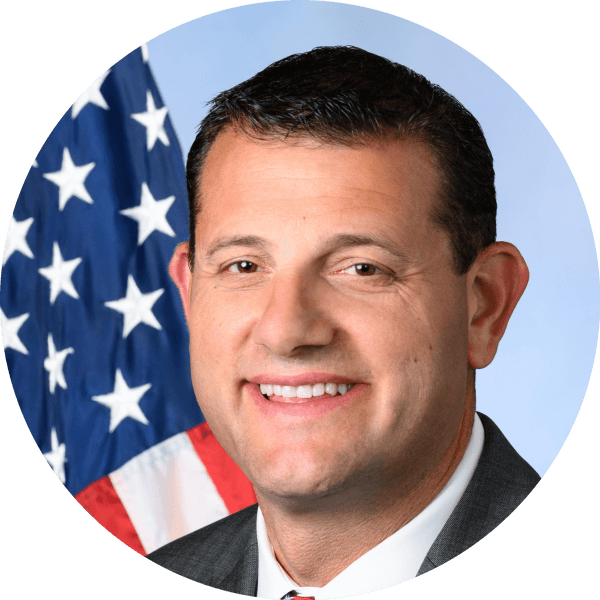
David Valadao
Republican · CA

Dina Titus
Democrat · NV
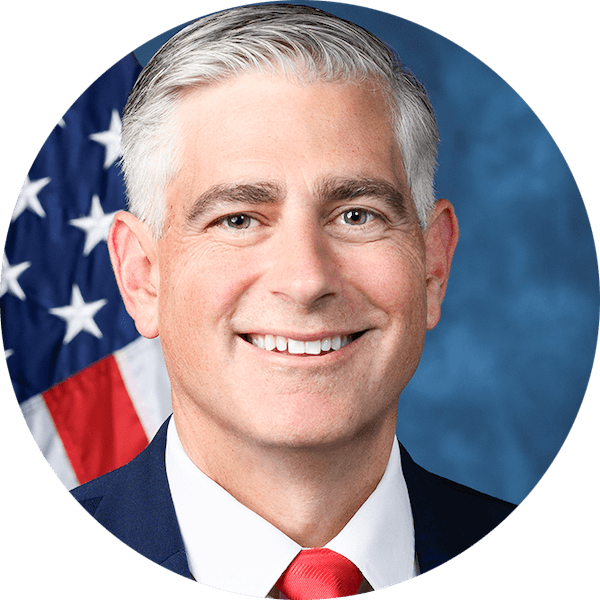
Michael Baumgartner
Republican · WA
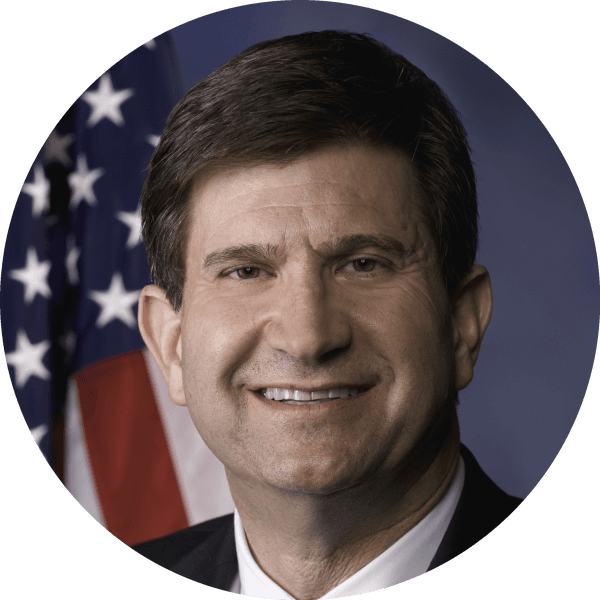
Bradley Schneider
Democrat · IL

Laurel Lee
Republican · FL
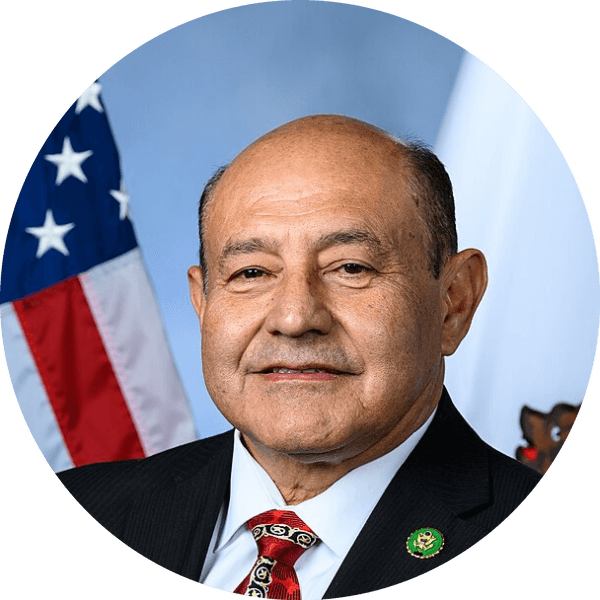
J. Correa
Democrat · CA

Brad Knott
Republican · NC

Joe Neguse
Democrat · CO
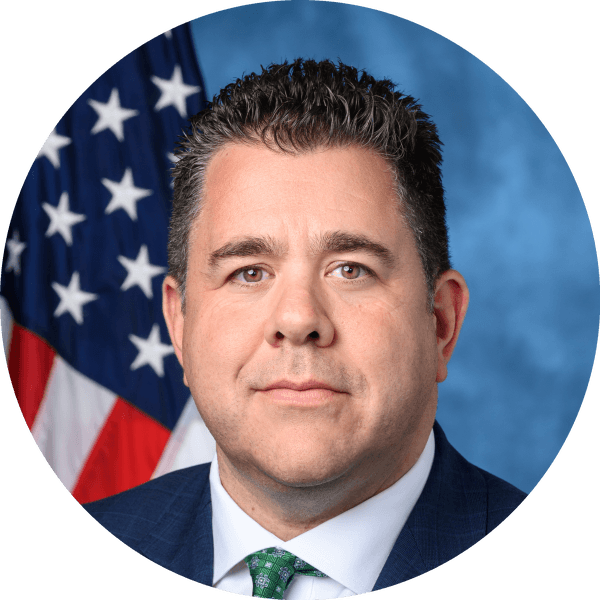
Nick LaLota
Republican · NY
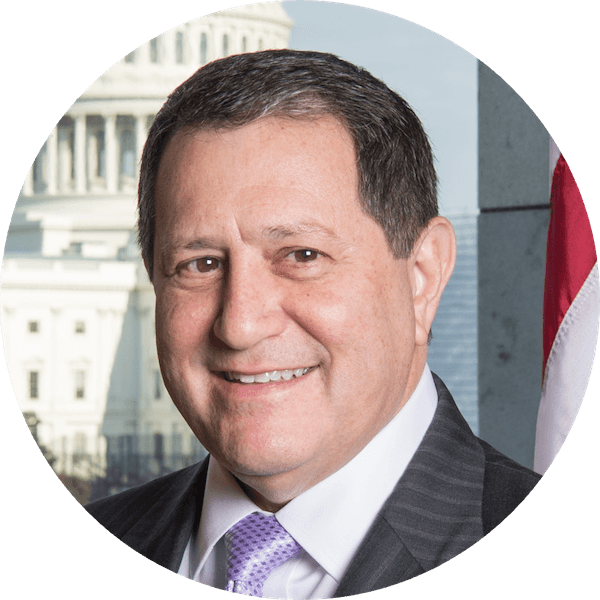
Joseph Morelle
Democrat · NY

Mark Amodei
Republican · NV
Cosponsor Coverage Map
Committee Sponsors
Judiciary Committee
0 of 21 committee members cosponsored
No committee members have cosponsored this bill
Judiciary Committee
26 of 44 committee members cosponsored


19 Republicans across these committees haven't cosponsored yet. Mobilize their constituents
H.R. 2853 Quick Facts
- Committee
- Judiciary
- Chamber
- House
- Policy
- Crime and Law Enforcement
- Introduced
- Apr 10, 2025
Passed the House, received in Senate
May 13, 2026
Official Sources
Who is lobbying on H.R. 2853?
8 organizations lobbying on this bill
HR 2853 is drawing a lobbying coalition led less by storefront brands than by the infrastructure around them: the American Trucking Associations tops the field with five filings, followed by the Peace Officers Research Association of California and the Association of American Railroads with four each. That lineup signals this is being framed not just as a shoplifting bill, but as a supply-chain and cargo-security measure backed mainly by industry and trade groups that see organized retail crime as intertwined with freight theft, consumer safety, and tougher criminal enforcement; no foreign interests appear in the filing record.
PEACE OFFICERS RESEARCH ASSOCIATION OF CALIFORNIA | 4 |
TRAVELERS COMPANIES, INC. AND SUBSIDIARIES | 3 |
NATIONAL RETAIL FEDERATION | 2 |
TRIUMPH FINANCIAL, INC. | 2 |
GS1 US | 2 |
BNSF RAILWAY CO | 2 |
INTERNATIONAL COUNCIL OF SHOPPING CENTERS | 1 |
AMERICAN TRUCKING ASSOCIATIONS | 1 |
Showing 1-8 of 8 organizations
H.R. 2853 Common Questions
What dollar amount triggers federal charges under H.R. 2853?
Prosecutors can aggregate stolen goods across multiple thefts to reach a $5,000 threshold over any 12-month period. That means a pattern of smaller thefts across different states can add up to a single federal case.
Does H.R. 2853 cover cargo theft, not just shoplifting?
Yes. The bill was expanded this session to cover organized supply chain crime — including cargo theft on rails, roads, and distribution points. The new DHS coordination center specifically includes the Federal Motor Carrier Safety Administration among its partner agencies.
How does H.R. 2853 treat stolen goods sold through gift cards or prepaid cards?
The bill expands federal money laundering law to cover general-use prepaid cards, gift certificates, and store gift cards. Theft rings that convert stolen merchandise into gift cards and layer the proceeds through transactions now face money laundering charges.
What is the Organized Retail and Supply Chain Crime Coordination Center?
A new hub within DHS that brings together investigators from eight federal agencies — including FBI, Secret Service, ATF, DEA, and CBP — plus state and local police and private sector partners. DHS has 90 days after enactment to stand it up. It has a 7-year sunset clause.
Can the government seize property connected to organized retail theft under H.R. 2853?
Yes. The bill adds forfeiture authority for offenses involving interstate shipment theft, transportation of stolen goods, and sale or receipt of stolen goods. Federal authorities can seize property tied to those crimes.
Can retailers share theft data directly with the federal coordination center?
Yes. The center is required to build relationships with retailers and transportation companies, share threat information, and provide a mechanism for receiving investigative intelligence from the private sector.
Does H.R. 2853 require annual public reports on organized retail crime trends?
Yes. The coordination center must track national trends in organized retail and supply chain crime and release annual public reports. The initial report is due within one year of enactment.
How many cosponsors does H.R. 2853 have?
206 bipartisan cosponsors — one of the most broadly supported bills in the 119th Congress. The bill cleared the Judiciary Committee with amendments in January 2026 and is on the Union Calendar awaiting a full House vote.
Based on H.R. 2853 bill text
H.R. 2853 Bill Text
“To combat organized crime involving the illegal acquisition of retail goods and cargo for the purpose of selling those illegally obtained goods through physical and online retail marketplaces.”
Source: U.S. Government Publishing Office
Get notified when H.R. 2853 moves
Committee votes, floor action, cosponsor changes — straight to your inbox.
Bill alerts + Legisletter's monthly briefing. Unsubscribe anytime.
Crime and Law Enforcement Bills
9 related bills we're tracking
Crime Victims Fund Stabilization Act of 2025



Received in the Senate and Read twice and referred to the Committee on the Judiciary.
Jan 13, 2026
Bipartisan Background Checks Act of 2025


Referred to the House Committee on the Judiciary.
Jun 10, 2025
Ethan's Law


Referred to the House Committee on the Judiciary.
Feb 25, 2025
Assault Weapons Ban of 2025


Referred to the House Committee on the Judiciary.
Apr 30, 2025
Constitutional Concealed Carry Reciprocity Act of 2025


Placed on the Union Calendar, Calendar No. 289.
Oct 3, 2025
Honoring Our Fallen Heroes Act of 2025


Referred to the House Committee on the Judiciary.
Feb 12, 2025
Raise the Age Act of 2025
Referred to the House Committee on the Judiciary.
Mar 26, 2025
Born-Alive Abortion Survivors Protection Act


Received in the Senate and Read twice and referred to the Committee on the Judiciary.
Jan 24, 2025
Closing the Bump Stock Loophole Act of 2025



Referred to the Committee on the Judiciary, and in addition to the Committee on Ways and Means, for a period to be subsequently determined by the Speaker, in each case for consideration of such provisions as fall within the jurisdiction of the committee concerned.
Apr 9, 2025
Trending Right Now
Bills gaining momentum across Congress
North Platte Canteen Congressional Gold Medal Act



Referred to the House Committee on Financial Services.
Feb 21, 2025
ASAP Act





Ordered to be Reported in the Nature of a Substitute by the Yeas and Nays: 40 - 0.
Sep 16, 2026
Fit to Serve Act





Referred to the House Committee on Armed Services.
May 21, 2025
Tracking Crime and Law Enforcement in Congress? Monitor bills, track cosponsor momentum, and launch advocacy campaigns — all from one advocacy platform.