H.R. 1101: Taxpayer Data Protection Act
Sponsor

Haley Stevens
Democrat · MI-11
Only vetted, experienced staff should run federal payments
Why it matters
The Bureau of the Fiscal Service moves more than $5 trillion in federal payments a year — tax refunds, Social Security deposits, veterans' benefits, vendor checks. H.R. 1101 would bar anyone with less than a year of service, plus most outside advisers, from touching those systems, and force the Treasury Inspector General to report to Congress within 30 days of any unauthorized access.
H.R. 1101 would set eligibility rules for anyone who wants to enter, control, or pull data from Treasury's payment systems, including the ones run by the Bureau of the Fiscal Service.
A Treasury employee or contractor would need a recent performance rating of at least “fully successful” and at least one year on the job or under contract before getting access.
Someone coming from outside Treasury faces a higher bar: a security clearance, a full year of continuous civil service, completed training on privacy and cybersecurity, and a signed ethics agreement with Treasury or the Office of Government Ethics. Temporary appointees brought in for a specific task are shut out entirely.
The bill also treats interfering with a payment as a conflict-of-interest problem. Stopping, holding, canceling, or changing a payment would count as direct participation under federal conflict rules, and outside users would be held to the same standard as executive-branch employees.
If someone gets in without authorization, the Treasury Inspector General would have to investigate and report to Congress within 30 days, spelling out what happened, the risks to privacy and security, and any payments that got stopped.
Bill Progress
Latest Action · Feb 11, 2025
Sponsor introductory remarks on measure. (CR H625-626)
H.R. 1101 Bill Summary
What H.R. 1101 actually does.
New hires wait 1 year for access
Treasury employees and contractors could not access covered payment systems or their data until they have at least 1 year in civil service or 1 year working under a Treasury contract, and Treasury staff must also have a recent rating of at least “fully successful.”
Outside advisers face a much higher bar
Anyone outside Treasury would need an appropriate security clearance, at least 1 year of continuous civil service, required privacy and cybersecurity training, and a written ethics agreement before getting access.
Temporary appointees are shut out
The bill bars anyone classified as a special Government employee — a temporary appointee hired for a specific task — from accessing these systems if they are not otherwise Treasury staff.
Changing a payment triggers conflict rules
The bill says stopping, canceling, adjusting, holding, rejecting, or changing a Treasury payment counts as direct participation for conflict-of-interest purposes.
Congress gets a report within 30 days
For every unauthorized use or access incident, the Treasury Inspector General would have to investigate and report to Congress within 30 days, including what happened, the risks created, and any payments that were stopped.
Who benefits from H.R. 1101?
Anyone who gets a federal payment
If your refund, Social Security check, or benefits move through these systems, H.R. 1101 would narrow who can see or control that data. The bill limits access to people with at least a year of service and adds training and ethics requirements for outsiders.
Career Treasury staff with established records
Employees who already have at least 1 year on the job and a recent “fully successful” rating or better would be the clearest fit for authorized access under the bill's rules.
Treasury watchdogs and congressional overseers
The Treasury Inspector General gets a specific duty to investigate every unauthorized access incident and report back to Congress within 30 days.
Agencies focused on insider-risk controls
The bill creates a checklist for outside access: clearance, training, ethics paperwork, and conflict screening before someone can get near Treasury payment systems.
Who is affected by H.R. 1101?
New Treasury employees and newer contractors
Even if they otherwise qualify, they would have to wait until they hit the 1-year mark before accessing covered payment systems or data.
Treasury personnel with weaker performance reviews
Anyone whose most recent rating falls below “fully successful” would not meet the bill's access standard.
Outside officials and advisers seeking access
They would face multiple hurdles at once: a security clearance, 1 year of continuous civil service, training, an ethics agreement, and compliance with conflict-of-interest rules.
Temporary appointees
People classified as special Government employees — temporary appointees hired for a specific task — would be blocked from non-Treasury access to covered systems.
HR1101 Legislative Journey
Introduced
Feb 11, 2025
Sponsor introductory remarks on measure. (CR H625-626)
House: Committee Action
Feb 6, 2025
Referred to the Committee on Financial Services, and in addition to the Committee on Ways and Means, for a period to be subsequently determined by the Speaker, in each case for consideration of such provisions as fall within the jurisdiction of the committee concerned.
About the Sponsor
Haley Stevens
Democrat, Michigan's 11th congressional district · 7 years in Congress
Committees: Science, Space, and Technology, House Select Committee on the Strategic Competition Between the United States and the Chinese Communist Party, Education and Workforce
View full profile →
Cosponsors (205)
All 205 cosponsors are Democrats. Cosponsors represent 39 states: Alabama, Arizona, California, and 36 more.

Sean Casten
Democrat · IL

George Whitesides
Democrat · CA
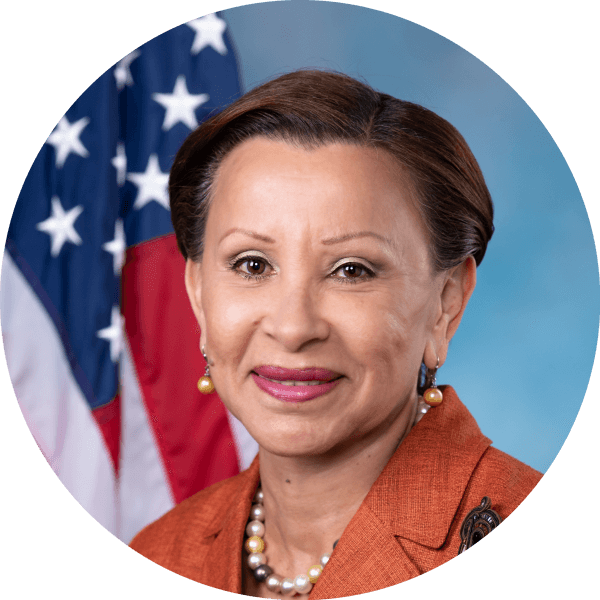
Nydia Velázquez
Democrat · NY
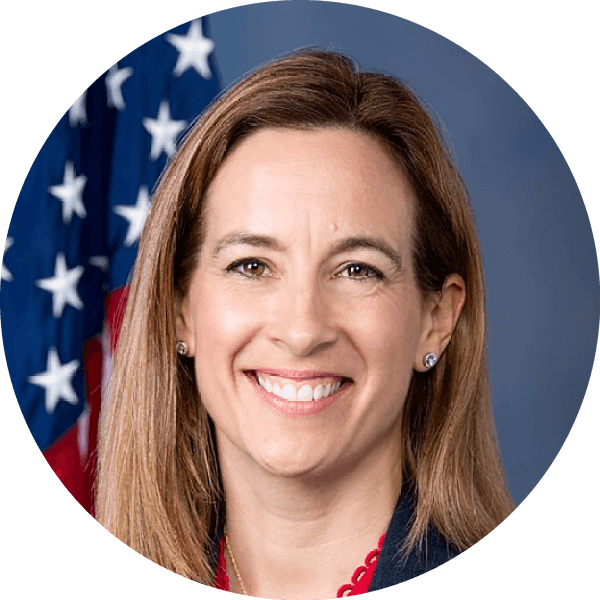
Mikie Sherrill
Democrat · NJ
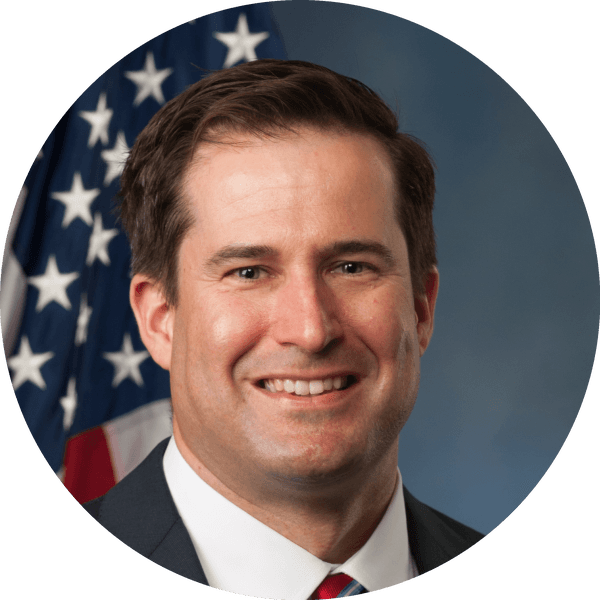
Seth Moulton
Democrat · MA

Sara Jacobs
Democrat · CA

Linda Sánchez
Democrat · CA

Alma Adams
Democrat · NC

Frank Pallone
Democrat · NJ

Maxwell Frost
Democrat · FL

Madeleine Dean
Democrat · PA

Eleanor Norton
Democrat · DC
Cosponsor Coverage Map
Committee Sponsors
Ways and Means Committee
16 of 45 committee members cosponsored


Financial Services Committee
22 of 53 committee members cosponsored


4 Democrats across these committees haven't cosponsored yet. Mobilize their constituents
H.R. 1101 Quick Facts
- Committee
- Ways and Means
- Chamber
- House
- Policy
- Finance and Financial Sector
- Introduced
- Feb 6, 2025
Sponsor introductory remarks on measure. (CR H625-626)
Feb 11, 2025
Official Sources
Official bill page with text, actions, cosponsors, and status for the Taxpayer Data Protection Act.
The bill specifically targets payment systems operated by the Bureau of the Fiscal Service within Treasury.
The bill requires the Treasury Inspector General to investigate unauthorized access incidents and report to Congress within 30 days.
The bill requires certain non-Treasury users to sign a written ethics agreement with Treasury or the Office of Government Ethics.
H.R. 1101 amends Section 321 of title 31, the statutory provision governing the Department of the Treasury.
The bill ties payment decisions and system access to the federal criminal conflict-of-interest statute in 18 U.S.C. 208.
The bill excludes people classified as special Government employees, a term defined in 18 U.S.C. 202.
The bill references Section 801 of the National Security Act of 1947 for the procedures under which required security clearances must be granted.
H.R. 1101 Common Questions
What does H.R. 1101 actually do?
It sets rules for who can access Treasury's payment systems and the data inside them. In most cases users need at least a year of service, and outsiders also need a security clearance, training, and a signed ethics agreement.
Why was this bill introduced?
It was introduced in February 2025 amid reporting that people from outside Treasury had gained access to the Bureau of the Fiscal Service payment systems. The sponsors say access should be limited to vetted, experienced staff.
Would new Treasury employees be blocked from these systems?
Yes. H.R. 1101 says Treasury employees and contractors generally need at least a year in civil service or under a Treasury contract, plus a recent “fully successful” rating, before they can access covered systems or data.
Can someone outside Treasury get access?
Only if they clear several hurdles: a security clearance, a full year of continuous civil service, required training on privacy and cybersecurity, and a written ethics agreement.
Does H.R. 1101 block temporary appointees?
Yes. The bill bars anyone classified as a special Government employee — a temporary appointee hired for a specific task — from accessing covered Treasury payment systems from outside Treasury.
What systems does the bill cover?
Any Treasury public money receipt or payment system, including the Bureau of the Fiscal Service systems that send out federal payments, plus the data pulled from those systems.
What happens if someone changes or stops a payment?
The bill says stopping, canceling, holding, rejecting, adjusting, or changing a payment counts as direct participation for conflict-of-interest purposes, and outside users get held to the same standard as executive-branch employees.
How quickly would Congress be told about unauthorized access?
Within 30 days. The Treasury Inspector General would have to investigate each incident and send Congress a report covering what happened, the risks created, and any payments that got stopped.
Based on H.R. 1101 bill text
H.R. 1101 Bill Text
“To prohibit unlawful access to the payment system of the Bureau of the Fiscal Service within the Department of the Treasury, and for other purposes.”
Source: U.S. Government Publishing Office
Get notified when H.R. 1101 moves
Committee votes, floor action, cosponsor changes — straight to your inbox.
Bill alerts + Legisletter's monthly briefing. Unsubscribe anytime.
Finance and Financial Sector Bills
9 related bills we're tracking
America’s Olympic and Paralympic Games Commemorative Coins Act




Referred to the House Committee on Financial Services.
Jul 14, 2025
761st Tank Battalion Congressional Gold Medal Act


Referred to the Committee on Financial Services, and in addition to the Committee on House Administration, for a period to be subsequently determined by the Speaker, in each case for consideration of such provisions as fall within the jurisdiction of the committee concerned.
Feb 26, 2025
Repealing Big Brother Overreach Act


Placed on the Union Calendar, Calendar No. 609.
Jun 18, 2026
Rosie the Riveter Commemorative Coin Act


Referred to the House Committee on Financial Services.
Jan 15, 2025
HELPER Act of 2025


Referred to the House Committee on Financial Services.
Mar 14, 2025
Anti-CBDC Surveillance State Act





Motion to reconsider laid on the table Agreed to without objection.
Jul 17, 2025
Protecting Privacy in Purchases Act



Received in the Senate and Read twice and referred to the Committee on Banking, Housing, and Urban Affairs.
Jul 15, 2026
Veterans Member Business Loan Act


Referred to the House Committee on Financial Services.
Jan 16, 2025
Credit Union Board Modernization Act




Read twice and referred to the Committee on Banking, Housing, and Urban Affairs.
Feb 11, 2025
Trending Right Now
Bills gaining momentum across Congress
Fit to Serve Act



Referred to the House Committee on Armed Services.
May 21, 2025
ASAP Act


Ordered to be Reported in the Nature of a Substitute by the Yeas and Nays: 40 - 0.
Sep 16, 2026
Therapeutic Fraud Prevention Act of 2025



Referred to the House Committee on Energy and Commerce.
May 7, 2025
Tracking Finance and Financial Sector in Congress? Monitor bills, track cosponsor momentum, and launch advocacy campaigns — all from one advocacy platform.