H.R. 2736: Public Service Freedom to Negotiate Act of 2025
Sponsor
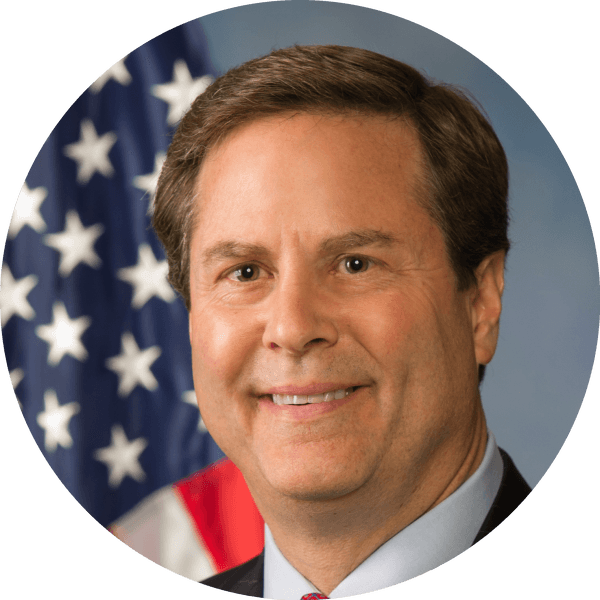
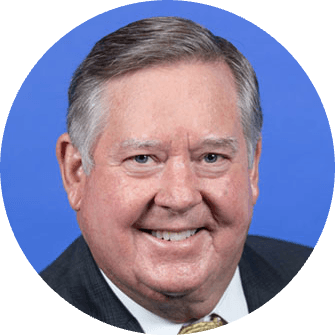
Donald Norcross
Democrat · NJ-1
One national floor for public workers who want to organize
Why it matters
H.R. 2736 would set a single national minimum for collective bargaining across every state and local government, covering teachers, firefighters, sanitation crews, and clerks. States get a window — generally about two years — to bring their own laws up to that floor before federal rules can step in. The bill already carries 187 House cosponsors, including a handful of Republicans.
H.R. 2736 would require every state to guarantee a baseline set of collective bargaining rights for covered public employees. That means the right to organize, join a union, bargain over wages and working conditions, and act together on the job.
The Federal Labor Relations Authority would review each state's system within 180 days and decide whether it is at least as strong as the bill's federal standard. If a state falls short, federal rules could take over — generally the later of two years after enactment or the end of the state's next regular legislative session. That gap gives states a window to fix their own laws before Washington steps in.
The bill also sets ground rules for how unions are recognized and challenged. A public employer would recognize a union through either an election or voluntary recognition, and workers trying to remove an existing union would need at least 30% of the bargaining unit to sign a petition to start that process.
Not everyone is covered. The bill leaves out most supervisors, managers, confidential employees, and elected officials. It also bars lockouts, strikes, or job actions that would measurably disrupt emergency or public safety services — including work by EMTs, paramedics, firefighters, and other first responders.
Bill Progress
Latest Action · Apr 8, 2025
Referred to the House Committee on Education and Workforce.
H.R. 2736 Bill Summary
What H.R. 2736 actually does.
Every state must meet a national bargaining floor
States would have to provide rights and procedures at least equivalent to the bill's federal minimum for covered public employees, or the federal system applies instead.
Federal rules can replace weaker state systems
If a state does not meet the standard, federal rules would apply on the later of two years after enactment or the end of the state's first regular legislative session after the law passes.
Union recognition runs through an election or voluntary recognition
A public employer would have to recognize a union chosen by a majority vote of employees in the unit, or through voluntary recognition where state law allows it.
Removing a union takes 30% support to start
A petition to decertify an existing union could not move forward unless at least 30% of employees in the bargaining unit sign it, within specific windows tied to the contract.
Supervisors, managers, and elected officials are left out
The bill excludes supervisory, management, and confidential employees, along with elected officials, from its protections.
Emergency-service disruptions stay off-limits
The bill bars lockouts, strikes, or job actions likely to measurably disrupt emergency or public safety services, covering EMTs, paramedics, first responders, firefighters, and law enforcement officers.
Who benefits from H.R. 2736?
Public employees in states with weak or no bargaining laws
If your state offers limited or no bargaining rights, the bill would give you a federal backstop instead of leaving everything to state law.
Teachers, clerks, sanitation workers, and other local government staff
Workers at school districts, cities, and counties could gain clearer organizing and bargaining protections if their state's rules fall below the federal floor.
Unions trying to win recognition
The bill requires a route to recognition through an election or voluntary recognition, which could make organizing less dependent on state-by-state rules.
Workers challenging a state that stalls
If enforcement drags, the bill lets a party take a state administrator to federal court 180 days after filing a charge with the FLRA.
Who is affected by H.R. 2736?
State and local governments
They may have to rewrite labor laws and bargaining procedures if the FLRA decides their current rules do not meet the federal minimum.
Supervisors, management, and confidential staff
These employees are generally excluded, so the bill would not extend its bargaining protections to them.
Emergency medical and fire personnel
They are covered by the bill's limits on job actions that would measurably disrupt emergency or public safety services.
Very small local governments
A state can exempt political subdivisions with fewer than 5,000 residents or fewer than 25 public employees by notifying the FLRA before its determination.
HR2736 Legislative Journey
House: Committee Action
Apr 8, 2025
Referred to the House Committee on Education and Workforce.
About the Sponsor
Donald Norcross
Democrat, New Jersey's 1st congressional district · 12 years in Congress
Committees: Armed Services, Education and Workforce
View full profile →
Cosponsors (192)
This bill has 192 cosponsors: 186 Democrats, 6 Republicans. Cosponsors represent 38 states: Alabama, Arizona, California, and 35 more.
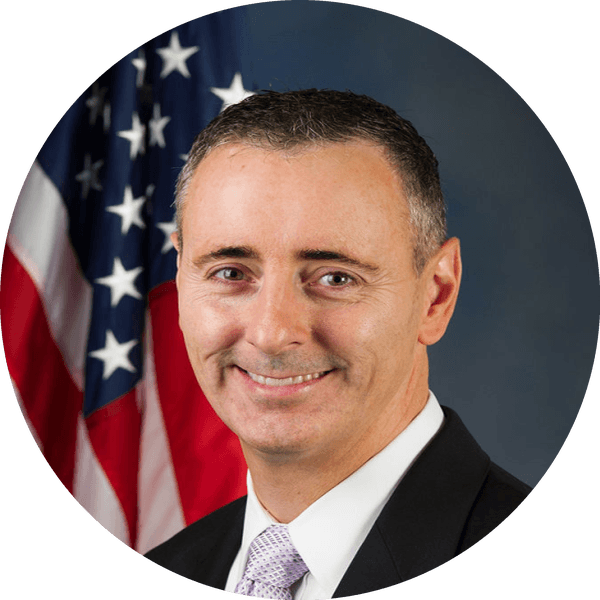
Brian Fitzpatrick
Republican · PA

Christopher Deluzio
Democrat · PA

Alma Adams
Democrat · NC

Yassamin Ansari
Democrat · AZ

Don Bacon
Republican · NE

Nanette Barragán
Democrat · CA
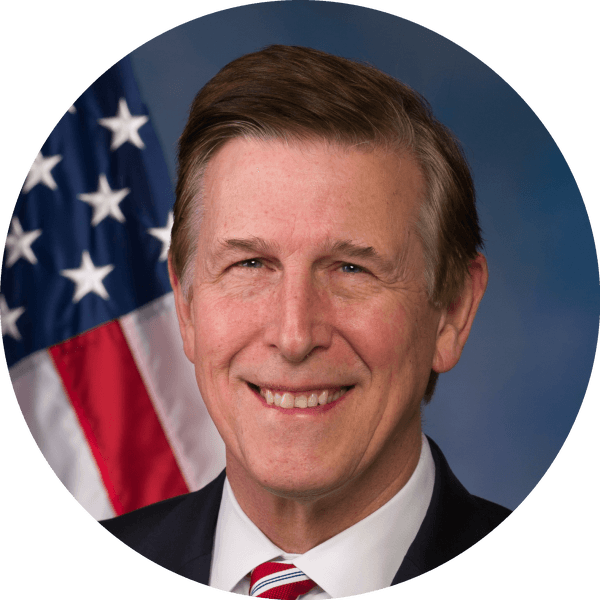
Donald Beyer
Democrat · VA
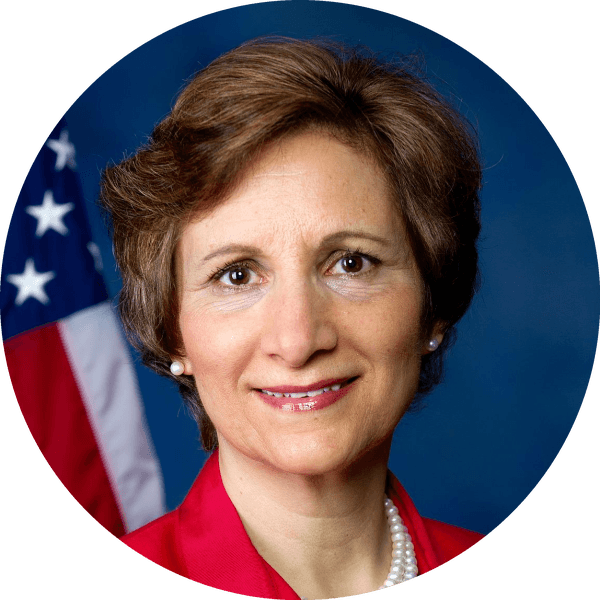
Suzanne Bonamici
Democrat · OR
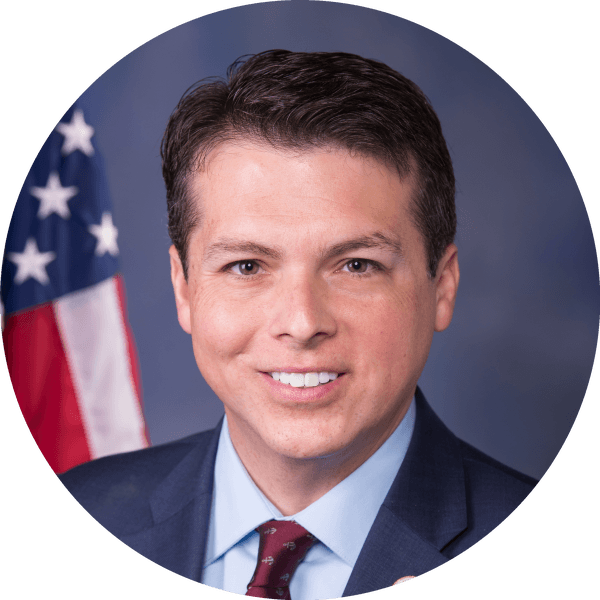
Brendan Boyle
Democrat · PA

Shontel Brown
Democrat · OH
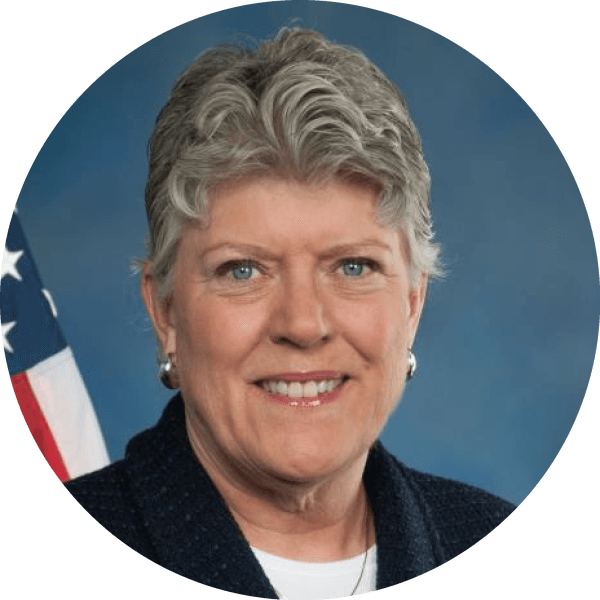
Julia Brownley
Democrat · CA

Nikki Budzinski
Democrat · IL
Cosponsor Coverage Map
Committee Sponsors
Education and Workforce Committee
13 of 37 committee members cosponsored


3 Democrats across this committee haven't cosponsored yet. Mobilize their constituents
H.R. 2736 Quick Facts
- Committee
- Education and Workforce
- Chamber
- House
- Policy
- Labor and Employment
- Introduced
- Apr 8, 2025
Referred to the House Committee on Education and Workforce.
Apr 8, 2025
Official Sources
Official bill page with text, actions, cosponsors, and committee status for the Public Service Freedom to Negotiate Act of 2025.
The independent federal agency the bill tasks with reviewing each state's public-sector bargaining system and, where a state falls short, administering the federal standard.
Provides official federal context for how union elections and representation processes work, which parallels the bill's recognition framework.
Chapter 71 contains the federal labor-management relations framework that helps contextualize the bill's use of federal labor terminology and FLRA administration.
The bill was referred to this committee, making it the official House committee page to monitor for hearings, markups, or related materials.
H.R. 2736 Common Questions
What does H.R. 2736 do in plain English?
It sets a national minimum for collective bargaining rights for many state and local public employees. If your state's rules are weaker than that floor, federal rules could eventually take over.
Who would be covered by H.R. 2736?
Many state and local government workers, from teachers to sanitation crews. But the bill leaves out most supervisors, managers, confidential employees, and elected officials.
When would federal rules override state law?
Only if a state falls short of the floor. The federal backstop would generally kick in on the later of two years after enactment or the end of the state's next regular legislative session, giving states time to fix their own laws first.
How fast would the federal government judge each state?
The FLRA would have 180 days after enactment to decide whether each state's public-sector bargaining system meets the bill's minimum standard.
How much support would workers need to remove a union?
At least 30% of the employees in the bargaining unit would need to sign a petition to start the process, and only within certain windows tied to the contract or the union's recognition date.
Would H.R. 2736 force public employers to recognize unions?
Yes. An employer would have to recognize a union chosen by a majority vote of employees, or through voluntary recognition where state law permits it.
What happens if the FLRA does nothing?
After filing a charge, a party could sue a state administrator in federal court once 180 days pass and the FLRA still hasn't filed an enforcement order. The court can also award attorneys' fees.
Can EMTs or firefighters strike under H.R. 2736?
No, not if the action would measurably disrupt emergency or public safety services. The bill specifically bars lockouts, strikes, and job actions that put those services at risk.
Based on H.R. 2736 bill text
H.R. 2736 Bill Text
“To secure the rights of public employees to organize, act concertedly, and bargain collectively, which safeguard the public interest and promote the free and unobstructed flow of commerce, and for other purposes.”
Source: U.S. Government Publishing Office
Get notified when H.R. 2736 moves
Committee votes, floor action, cosponsor changes — straight to your inbox.
Bill alerts + Legisletter's monthly briefing. Unsubscribe anytime.
Labor and Employment Bills
9 related bills we're tracking
Protect America's Workforce Act

Received in the Senate.
Dec 15, 2025
Paycheck Fairness Act

Referred to the Committee on Education and Workforce, and in addition to the Committee on Oversight and Government Reform, for a period to be subsequently determined by the Speaker, in each case for consideration of such provisions as fall within the jurisdiction of the committee concerned.
Mar 25, 2025
Richard L. Trumka Protecting the Right to Organize Act of 2025

Referred to the House Committee on Education and Workforce.
Mar 5, 2025
FAMILY Act
Referred to the House Committee on Ways and Means.
Sep 16, 2025
Raise the Wage Act of 2025

Referred to the House Committee on Education and Workforce.
Apr 8, 2025
American Franchise Act


Placed on the Union Calendar, Calendar No. 702.
Sep 8, 2026
Healthy Families Act
Referred to the Committee on Education and Workforce, and in addition to the Committees on House Administration, and Oversight and Government Reform, for a period to be subsequently determined by the Speaker, in each case for consideration of such provisions as fall within the jurisdiction of the committee concerned.
Feb 12, 2026
Asunción Valdivia Heat Illness, Injury, and Fatality Prevention Act of 2025


Referred to the House Committee on Education and Workforce.
Jul 16, 2025
Workplace Violence Prevention for Health Care and Social Service Workers Act

Referred to the Committee on Education and Workforce, and in addition to the Committees on Energy and Commerce, and Ways and Means, for a period to be subsequently determined by the Speaker, in each case for consideration of such provisions as fall within the jurisdiction of the committee concerned.
Apr 1, 2025
Trending Right Now
Bills gaining momentum across Congress
ASAP Act



Ordered to be Reported in the Nature of a Substitute by the Yeas and Nays: 40 - 0.
Sep 16, 2026
Fit to Serve Act


Referred to the House Committee on Armed Services.
May 21, 2025
America’s Olympic and Paralympic Games Commemorative Coins Act


Referred to the House Committee on Financial Services.
Jul 14, 2025
Tracking Labor and Employment in Congress? Monitor bills, track cosponsor momentum, and launch advocacy campaigns — all from one advocacy platform.