H.R. 2531: Workplace Violence Prevention for Health Care and Social Service Workers Act
Sponsor
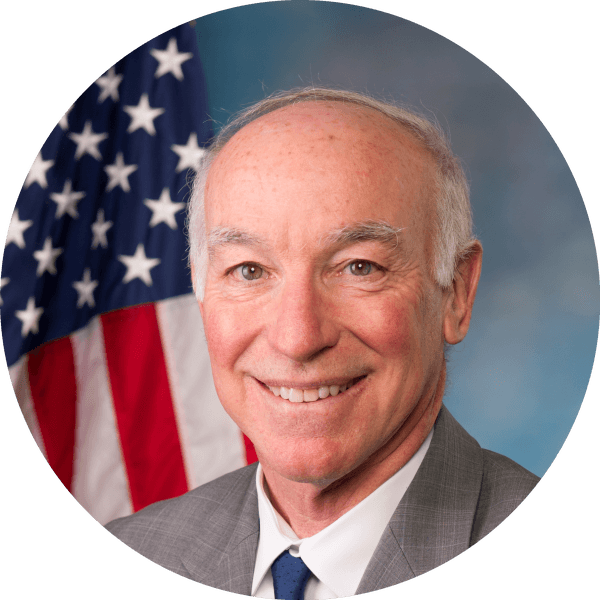
Joe Courtney
Democrat · CT-2
Health care workers get attacked. Congress wants enforceable rules.
Why it matters
Federal injury data has long shown health care and social service workers face some of the highest rates of on-the-job violence of any industry, yet there is no enforceable federal standard requiring their employers to prevent it — only voluntary guidance OSHA published in 2015. H.R. 2531 puts OSHA on a clock: an enforceable interim rule within one year, a final rule within 42 months. If the agency misses that first deadline, the bill's own requirements take effect on their own. Certain hospitals and nursing homes would have to comply to keep their Medicare funding. It carries 100 cosponsors, including a few Republicans.
Right now, protecting health care and social service workers from violence is mostly voluntary. OSHA published guidelines in 2015, but guidelines aren't rules — employers can't be cited just for ignoring them. H.R. 2531 would turn prevention into an enforceable federal standard.
The bill sets firm deadlines. It orders OSHA to issue an enforceable interim standard within one year and a final standard within 42 months. To keep the interim rule from getting stuck, the bill waives several of the procedural steps that normally slow rulemaking, while still allowing a 30-day public comment window.
There's also a backstop. If OSHA fails to issue the interim standard within a year, the requirements written into the bill itself become enforceable automatically, and stay that way until the agency issues one. The effect is that missing the deadline no longer stalls the requirements.
Covered employers would have to build a written violence-prevention plan with frontline staff, assess hazards unit by unit, log every violent incident within seven days, keep records for at least five years, train workers, and adopt an anti-retaliation policy so reporting an assault can't get you punished. The plan has to be specific to the actual risks of each site, not a generic binder.
Coverage is broad. Hospitals, nursing homes, hospice, psychiatric and substance-use facilities, group homes, correctional health units — plus work that happens outside any building, like home health visits and emergency response by EMTs and firefighters. Standalone doctor, dentist, and podiatrist offices are excluded unless they sit inside a covered facility, and so are child day care and private in-home caregivers.
There's also a Medicare hook. Hospitals and skilled nursing facilities that aren't already covered by OSHA would have to follow the new standard to keep receiving Medicare payments, starting a year after the interim rule. Worker advocates and unions back the bill as long overdue; employers generally support the goal but raise concerns about compliance cost, staffing, and how far the covered universe could expand if the Labor Secretary later adds more facility types.
Bill Progress
Latest Action · Apr 1, 2025
Referred to Education and Workforce, and in addition to the Committees on Energy and Commerce, and Ways and Means, for a period to be subsequently determined by the Speaker, in each case for consideration of such provisions as fall within the jurisdiction of the committee concerned. for review
H.R. 2531 Bill Summary
What H.R. 2531 actually does.
No more voluntary — prevention becomes an enforceable rule
OSHA would have to turn its 2015 health care workplace-violence guidelines into a binding standard that covered employers can be cited for violating.
A one-year clock, with a final rule due in 42 months
The Labor Secretary must issue an enforceable interim standard within one year of enactment and a final standard within 42 months.
If OSHA stalls, the rules turn on by themselves
If the interim standard isn't issued within a year, the requirements written into the bill become enforceable automatically and stay in force until the agency issues one.
Comply or lose Medicare money
Hospitals and skilled nursing facilities not otherwise covered by OSHA would have to follow the standard as a condition of Medicare participation, starting a year after the interim rule.
Plans built with the workers who face the danger
Covered employers must create site-specific written prevention plans with meaningful participation from frontline staff, assess hazards by unit, investigate incidents, and re-evaluate the plan every year.
You can't be punished for reporting an assault
Employers must adopt an anti-retaliation policy protecting workers who report violence or seek help, enforced the same way OSHA enforces its other standards.
Home health aides and EMTs are covered too
The standard reaches field work like home health, home-based hospice, and social work, plus emergency response by EMTs and firefighters — not just facility-based jobs.
Who benefits from H.R. 2531?
Nurses, ER staff, and hospital techs
The people most likely to be hit, grabbed, or threatened on shift. Federal injury data has long ranked health care among the worst industries for nonfatal workplace violence.
Psychiatric, substance-use, and social service workers
Staff in mental health, addiction treatment, group homes, and community care, where unpredictable crises are routine and prevention plans are often informal.
Home health aides, EMTs, and firefighters
Workers whose 'facility' is a stranger's living room or the back of an ambulance, with no fixed security and little control over the environment.
Workers afraid to report
Anyone who's been told an assault is just part of the job would get a federal anti-retaliation shield for speaking up.
Who is affected by H.R. 2531?
Hospitals and health systems
Would have to fund and maintain site-specific prevention plans, hazard assessments, training, incident logs, and annual reports, with OSHA able to cite them for failures.
Nursing homes and long-term care
Settings already under chronic staffing pressure would take on new compliance duties in workplaces where verbal and physical aggression is common.
Hospitals and SNFs outside OSHA's reach
Those not already covered by OSHA face the standard as a Medicare condition — follow it or risk their federal payments.
Standalone practitioner offices
Most independent physician, dentist, and podiatrist offices fall outside the rule unless they sit inside a covered facility, so they're shaped by the exclusion rather than new mandates.
OSHA
The agency is handed a one-year deadline and automatic enforcement if it misses — far shorter than its typical multi-year rulemaking timeline.
HR2531 Legislative Journey
House: Committee Action
Apr 1, 2025
Referred to the Committee on Education and Workforce, and in addition to the Committees on Energy and Commerce, and Ways and Means, for a period to be subsequently determined by the Speaker, in each case for consideration of such provisions as fall within the jurisdiction of the committee concerned.
About the Sponsor
Joe Courtney
Democrat, Connecticut's 2nd congressional district · 19 years in Congress
Committees: Armed Services, Education and Workforce
View full profile →
Cosponsors (134)
This bill has 134 cosponsors: 129 Democrats, 5 Republicans. Cosponsors represent 36 states: Alabama, Arizona, California, and 33 more.

Don Bacon
Republican · NE

Robert Scott
Democrat · VA
Brian Fitzpatrick
Republican · PA

Ilhan Omar
Democrat · MN

Alma Adams
Democrat · NC
Betty McCollum
Democrat · MN

Jared Golden
Democrat · ME
Joseph Morelle
Democrat · NY
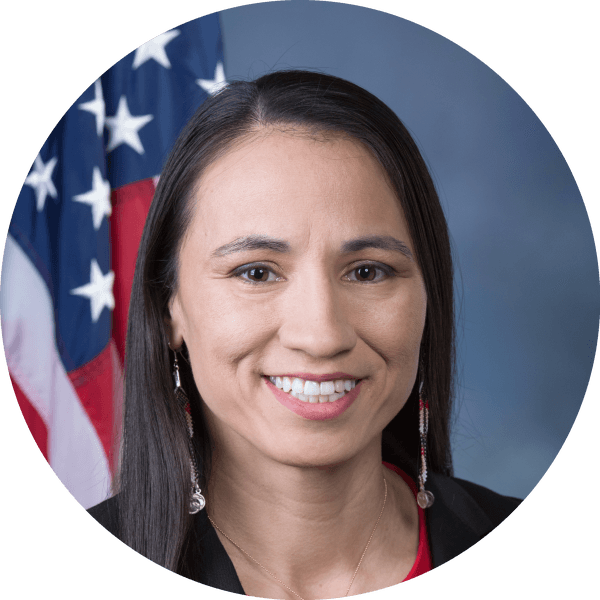
Sharice Davids
Democrat · KS

Chrissy Houlahan
Democrat · PA

Sheila Cherfilus-McCormick
Democrat · FL

Paul Tonko
Democrat · NY
Cosponsor Coverage Map
Committee Sponsors
Ways and Means Committee
14 of 45 committee members cosponsored


Energy and Commerce Committee
18 of 54 committee members cosponsored


Education and Workforce Committee
15 of 37 committee members cosponsored


14 Democrats across these committees haven't cosponsored yet. Mobilize their constituents
H.R. 2531 Quick Facts
- Committee
- Ways and Means
- Chamber
- House
- Policy
- Labor and Employment
- Introduced
- Apr 1, 2025
Referred to Education and Workforce, and in addition to the Committees on Energy and Commerce, and Ways and Means, for a period to be subsequently determined by the Speaker, in each case for consideration of such provisions as fall within the jurisdiction of the committee concerned. for review
Apr 1, 2025
Official Sources
Official bill text, cosponsors, and legislative history for the Workplace Violence Prevention for Health Care and Social Service Workers Act
OSHA's topic page on workplace violence in healthcare settings, including the 2015 guidelines this bill would codify into enforceable standards
OSHA guidance on building effective violence prevention programs, the five-component framework referenced in Section 101 of the bill
Documents from OSHA's 2023 Small Business Advocacy Review panel on a potential workplace violence standard for healthcare and social assistance
The Medicare participation requirements that Section 201 of the bill would amend to tie workplace violence compliance to hospital and SNF funding
CDC/NIOSH research and statistics on workplace violence, including data showing healthcare workers face the highest rates of nonfatal violence injuries
The underlying federal statute that gives the Secretary of Labor authority to issue the workplace violence standards required by this bill
The primary House committee of referral for this bill, with jurisdiction over OSHA and workplace safety standards
Who is lobbying on H.R. 2531?
1 organization lobbying on this bill
AMERICAN NEPHROLOGY NURSES ASSOCIATION | 2 |
Showing 1-1 of 1 organizations
H.R. 2531 Common Questions
Is there any federal law right now requiring hospitals to prevent workplace violence?
Not an enforceable one. OSHA put out voluntary guidelines for health care in 2015, but employers can't be cited just for ignoring them. H.R. 2531 would turn prevention into a binding OSHA standard.
How fast would the new workplace violence rule take effect?
OSHA would have one year from enactment to issue an enforceable interim standard, and that standard takes effect within 30 days of issuance. A full final standard is due within 42 months.
What happens if OSHA misses the deadline?
The requirements written into the bill itself become enforceable on their own — handled like any OSHA standard — and stay in force until the agency finally issues the interim rule.
Does this cover home health aides and EMTs, or just hospital staff?
Both. The standard reaches field work like home health, home-based hospice, and social work, plus emergency response by EMTs and firefighters — not just people working inside a building.
Are private doctor and dentist offices included?
Usually not. A standalone physician, dentist, or podiatrist office is excluded unless it's physically inside a covered facility like a hospital. Child day care and private in-home caregivers are also left out.
Could a hospital lose Medicare money over this?
Yes, for some. Hospitals and skilled nursing facilities not already covered by OSHA would have to follow the standard as a condition of Medicare participation, starting a year after the interim rule.
Can my employer punish me for reporting a violent incident?
Not under this bill. Covered employers would have to adopt an anti-retaliation policy protecting workers who report violence or seek help, enforced the same way OSHA enforces its other standards.
What would employers actually have to do to comply?
Build a written prevention plan with frontline staff, assess hazards unit by unit, log every violent incident within seven days, keep records at least five years, train workers, and report incident data to the Labor Department each year.
Based on H.R. 2531 bill text
H.R. 2531 Bill Text
“To direct the Secretary of Labor to issue an occupational safety and health standard that requires covered employers within the health care and social service industries to develop and implement a comprehensive workplace violence prevention plan, and for other purposes.”
Source: U.S. Government Publishing Office
Get notified when H.R. 2531 moves
Committee votes, floor action, cosponsor changes — straight to your inbox.
Bill alerts + Legisletter's monthly briefing. Unsubscribe anytime.
Labor and Employment Bills
9 related bills we're tracking
Protect America's Workforce Act
Received in the Senate.
Dec 15, 2025
Paycheck Fairness Act

Referred to the Committee on Education and Workforce, and in addition to the Committee on Oversight and Government Reform, for a period to be subsequently determined by the Speaker, in each case for consideration of such provisions as fall within the jurisdiction of the committee concerned.
Mar 25, 2025
Richard L. Trumka Protecting the Right to Organize Act of 2025

Referred to the House Committee on Education and Workforce.
Mar 5, 2025
FAMILY Act
Referred to the House Committee on Ways and Means.
Sep 16, 2025
Public Service Freedom to Negotiate Act of 2025

Referred to the House Committee on Education and Workforce.
Apr 8, 2025
Raise the Wage Act of 2025

Referred to the House Committee on Education and Workforce.
Apr 8, 2025
American Franchise Act


Placed on the Union Calendar, Calendar No. 702.
Sep 8, 2026
Healthy Families Act

Referred to the Committee on Education and Workforce, and in addition to the Committees on House Administration, and Oversight and Government Reform, for a period to be subsequently determined by the Speaker, in each case for consideration of such provisions as fall within the jurisdiction of the committee concerned.
Feb 12, 2026
Asunción Valdivia Heat Illness, Injury, and Fatality Prevention Act of 2025


Referred to the House Committee on Education and Workforce.
Jul 16, 2025
Trending Right Now
Bills gaining momentum across Congress
North Platte Canteen Congressional Gold Medal Act


Referred to the House Committee on Financial Services.
Feb 21, 2025
Fit to Serve Act




Referred to the House Committee on Armed Services.
May 21, 2025
ASAP Act




Ordered to be Reported in the Nature of a Substitute by the Yeas and Nays: 40 - 0.
Sep 16, 2026
Tracking Labor and Employment in Congress? Monitor bills, track cosponsor momentum, and launch advocacy campaigns — all from one advocacy platform.