H.R. 6597: LET’S Protect Workers Act
Sponsor

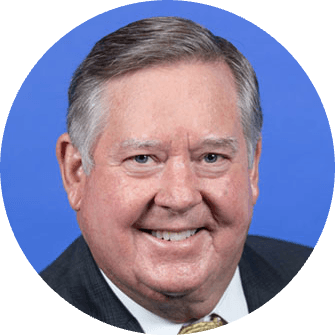
Robert Scott
Democrat · VA-3
Wage theft shouldn't cost employers $1,100
Why it matters
Repeat wage theft maxes at $1,100 today. H.R. 6597 jumps that ceiling to $50,000. OSHA fines climb from $70,000 to $800,000. Child-labor violations that kill a young worker rise to $700,000. And in some cases, executives can be held personally liable for unfair labor practices.
The core argument behind H.R. 6597 is simple: current labor-law penalties are too small to deter violations. The bill raises the ceilings — and in some places the floors — across most of federal labor and workplace-safety law.
The biggest jumps land on the most serious conduct. Illegal child-labor violations involving a worker under 18 would carry $1,500 to $150,000 per employee. If a violation causes death or serious injury, that range climbs to $7,000 to $700,000, and repeated or willful cases can be doubled.
OSHA penalties see similar treatment. Willful or repeated violations would range from $60,000 to $800,000. Serious violations would be set at $80,000. Other-than-serious, failure-to-correct, and posting violations would reach $40,000.
Wage and hour violations get steeper too. General violations could bring up to $25,000 per offense, or $50,000 for repeated or willful cases. Employers that interfere with family or medical leave could face up to $25,000 per offense, with notice and recordkeeping violations up to $2,500.
For union rights, the bill caps unfair labor practices at $50,000 per violation, doubling to $100,000 for certain repeat cases within 5 years — especially ones tied to firing a worker or causing serious economic harm. Directors and officers can be personally on the hook if they directed the conduct, set the policy behind it, or knew about it and failed to stop it.
Farmworker-protection penalties would jump from $1,000 to $30,000. Mine operators with unpaid final penalties would get a delinquency letter within 45 days, and after 180 days could face a withdrawal order — effectively shutting down the mine — unless they pay or enter a payment plan.
Most of the major hikes apply to violations on or after January 1, 2027. Some recordkeeping and mine-payment rules take effect when the bill becomes law.
Bill Progress
Latest Action · Dec 10, 2025
Referred to Education and Workforce, and in addition to the Committees on Oversight and Government Reform, and House Administration, for a period to be subsequently determined by the Speaker, in each case for consideration of such provisions as fall within the jurisdiction of the committee concerned. for review
H.R. 6597 Bill Summary
What H.R. 6597 actually does.
Child-labor fines reach $700,000 when a young worker dies
Illegal child-labor violations involving a worker under 18 would carry $1,500 to $150,000 per employee. If a violation causes death or serious injury, the penalty rises to $7,000 to $700,000 per employee, with repeated or willful cases eligible to be doubled.
OSHA penalties jump from $70,000 to $800,000
Willful or repeated OSHA violations would carry $60,000 to $800,000. Serious violations would be set at $80,000. Other-than-serious, failure-to-correct, and posting violations would rise to $40,000.
Wage theft and leave violations cost a lot more
General wage and hour violations could be fined up to $25,000 each, or $50,000 for repeated or willful cases. Employers that interfere with family or medical leave could face up to $25,000 per offense, with notice and recordkeeping violations up to $2,500.
Union retaliation can cost up to $100,000
Unfair labor practices would carry civil penalties up to $50,000 per violation. Certain repeat violations within 5 years — including cases tied to firing a worker or causing serious economic harm — would reach $100,000.
Executives can be personally liable
Directors and officers could face personal liability for an unfair labor practice if they directed it, committed it, set the policy behind it, or knew about it and failed to prevent it.
Mine and farmworker enforcement tightens
Farmworker-protection penalties would rise from $1,000 to $30,000. Mine operators with unpaid final penalties would get a delinquency letter within 45 days, and after 180 days could face a withdrawal order unless they pay or enter a payment plan.
Who benefits from H.R. 6597?
Teen workers in dangerous jobs
Workers under 18 would have stronger protection. Illegal child-labor violations would carry up to $150,000 per employee, climbing to $700,000 when a violation causes a young worker's death or serious injury.
Workers in unsafe workplaces
If your worksite has serious safety hazards, the bill raises the financial stakes for the employer. OSHA penalties would climb as high as $800,000 for willful or repeated violations.
Workers fighting wage theft
Today, repeat wage and hour violations max out at $1,100 each. Under H.R. 6597, that ceiling would jump to $50,000 — making it harder for employers to absorb violations as a routine cost of business.
Workers blocked from family or medical leave
Employers that interfere with FMLA rights would face civil penalties up to $25,000 per offense, plus another $2,500 for notice or recordkeeping failures.
Workers trying to organize a union
Employees facing retaliation during organizing drives would gain stronger enforcement tools. Penalties would reach $100,000 for certain repeat unfair labor practices involving firings or other serious economic harm.
Farmworkers and miners
Farmworker-protection penalties would jump 30x, from $1,000 to $30,000. Miners would get tougher enforcement against operators who refuse to pay final safety penalties.
Who is affected by H.R. 6597?
Employers across industries
Businesses covered by federal labor, safety, leave, and labor-relations laws would face much higher penalties starting in 2027, with some provisions taking effect sooner.
Company directors and officers
Top executives could face personal liability for unfair labor practices if they directed the conduct, set the policy behind it, or knew about it and failed to stop it.
Mine operators with unpaid penalties
Operators that don't pay a final penalty — or arrange a payment plan — could face a withdrawal order after 180 days, requiring most people to leave the mine until the penalty is paid.
Group health plan sponsors and administrators
Entities running group health plans would face new federal enforcement exposure under H.R. 6597, including for mental-health and substance-use parity requirements.
HR6597 Legislative Journey
House: Committee Action
Dec 10, 2025
Referred to the Committee on Education and Workforce, and in addition to the Committees on Oversight and Government Reform, and House Administration, for a period to be subsequently determined by the Speaker, in each case for consideration of such provisions as fall within the jurisdiction of the committee concerned.
About the Sponsor
Robert Scott
Democrat, Virginia's 3rd congressional district · 33 years in Congress
Committees: Education and Workforce, the Budget
View full profile →
Cosponsors (79)
All 79 cosponsors are Democrats. Cosponsors represent 30 states: Arizona, California, Connecticut, and 27 more.
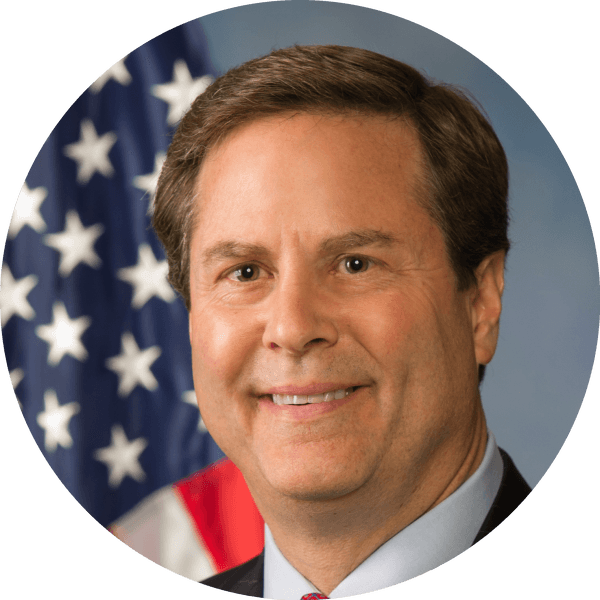
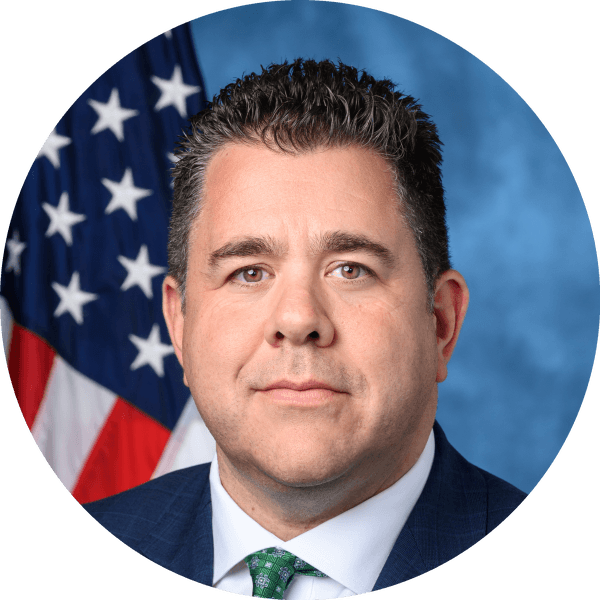
Donald Norcross
Democrat · NJ

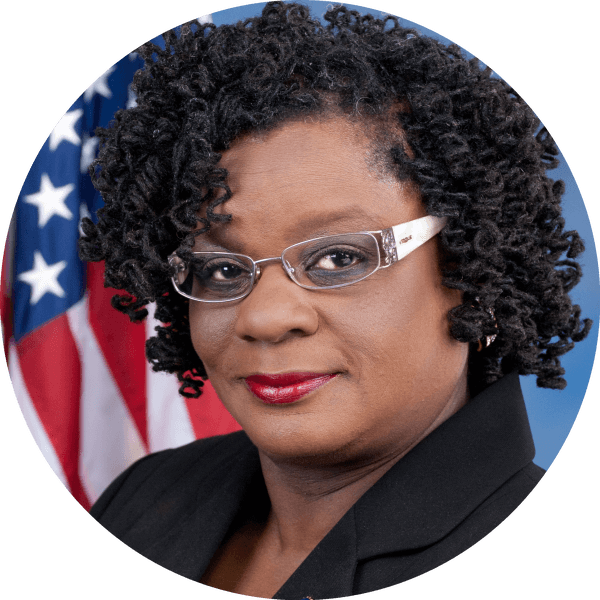
Debbie Dingell
Democrat · MI

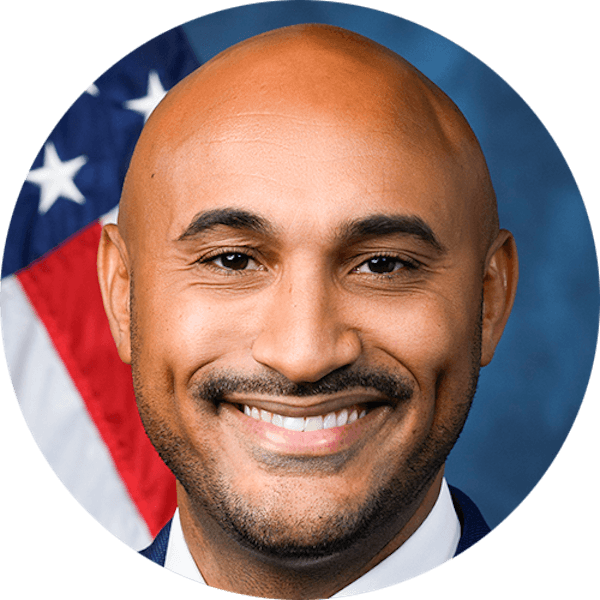
Steven Horsford
Democrat · NV
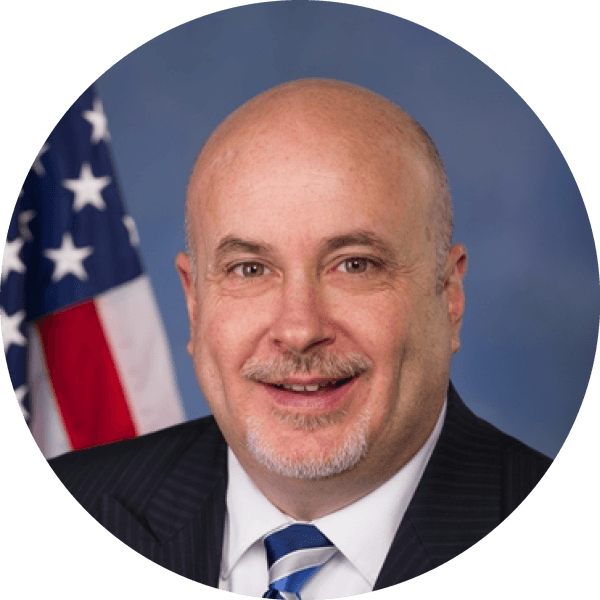
Mark Pocan
Democrat · WI

Lateefah Simon
Democrat · CA

Yassamin Ansari
Democrat · AZ
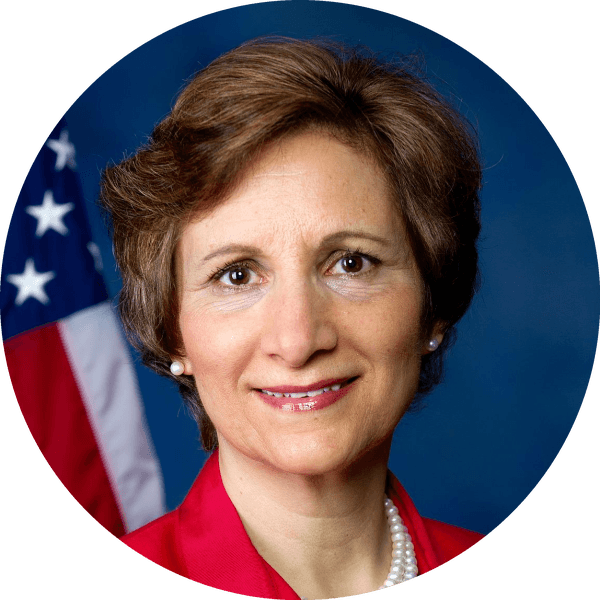
Suzanne Bonamici
Democrat · OR

Frank Mrvan
Democrat · IN

Sarah Elfreth
Democrat · MD

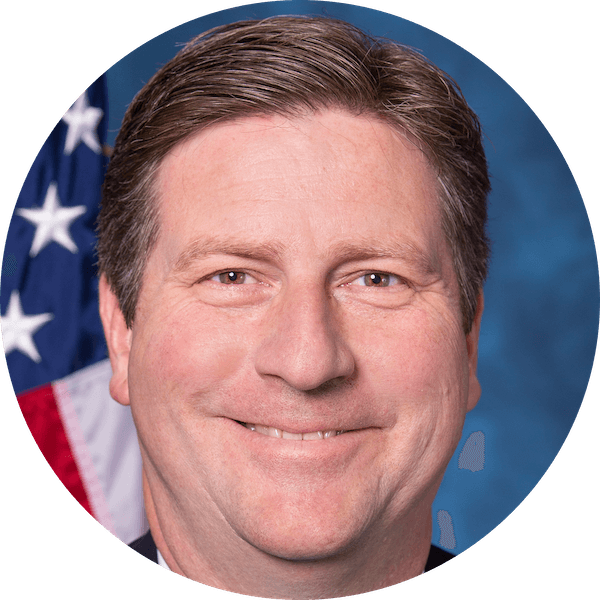
Greg Casar
Democrat · TX

Nikki Budzinski
Democrat · IL

LaMonica McIver
Democrat · NJ
Committee Sponsors
Committee on House Administration
0 of 12 committee members cosponsored
No committee members have cosponsored this bill
Oversight and Government Reform Committee
11 of 47 committee members cosponsored


Education and Workforce Committee
13 of 37 committee members cosponsored


17 Democrats across these committees haven't cosponsored yet. Mobilize their constituents
What laws does H.R. 6597 change?
6 changes
Sections Amended
Section 110(b) of Federal Mine Safety and Health Act of 1977 (30 U.S.C. 820(b))
adding at the end the following: ``(3) Notwithstanding any other provision of this Act, in the case of an operator who has been given written notice of a pattern of violations in accordance with paragraph (1) of section 104(e), such operator, for any violation of any provision of this Act occurring during the period beginning on the date that such notice was issued and ending on the date such pattern of violation is deemed to be terminated in accordance with paragraph (3) of section 104(e), shall be assessed a civil penalty by the Secretary equal to the lesser of-- ``(A) twice the amount that would, in the absence of this paragraph, be assessed by the Secretary for such violation; or ``(B) the maximum amount that may be assessed for such violation
Section 107(b) of Family and Medical Leave Act of 1993 (29 U.S.C. 2617(b))
adding at the end the following new paragraph: ``(4) Civil penalty
Section 109(b) of Family and Medical Leave Act of 1993 (29 U.S.C. 2619(b))
striking ``$100'' and inserting ``$2,500''
Section 106(b) of Family and Medical Leave Act of 1993 (29 U.S.C. 2616(b))
adding ``Any employer that violates this subsection may be assessed a civil monetary penalty not to exceed $2,500 for each separate offense
Section 9(c) of Occupational Safety and Health Act of 1970 (29 U.S.C. 658(c))
adding at the end the following: ``In the case of a violation that relates to making, keeping, or preserving a record, such violation continues to occur until the earlier of (1) the date on which an employer complies with the requirement, rule, standard, order, or regulation that was violated with respect to making, keeping, or preserving such record; or (2) the date on which the requirement to keep and preserve such record expires
Section 11(c) of Fair Labor Standards Act of 1938 (29 U.S.C. 211(c))
inserting before the last sentence the following: ``For purposes of enforcement of this subsection under section 16(e)(3), a violation of a requirement to make, keep, or preserve a record continues to occur until the earlier of (1) the date on which an employer has complied with the regulation or order that was violated with respect to such record, or (2) the date on which the requirement to keep and preserve such record expires
H.R. 6597 Quick Facts
- Committee
- House Administration
- Chamber
- House
- Policy
- Labor and Employment
- Introduced
- Dec 10, 2025
Referred to Education and Workforce, and in addition to the Committees on Oversight and Government Reform, and House Administration, for a period to be subsequently determined by the Speaker, in each case for consideration of such provisions as fall within the jurisdiction of the committee concerned. for review
Dec 10, 2025
Official Sources
Official Congress.gov page for the LET’S Protect Workers Act with status, text, sponsors, and actions.
OSHA’s official penalties page lists the current workplace-safety penalty ceilings the bill would raise to $800,000 for willful or repeated violations.
Department of Labor page on federal child-labor rules under the Fair Labor Standards Act — the framework whose civil penalties the bill would raise to $150,000 per employee, and $700,000 when a young worker dies.
Official DOL overview of the FLSA, the underlying statute the bill amends to raise wage-and-hour penalties from $1,100 to $25,000 (or $50,000 for repeat or willful cases).
Official Labor Department page on FMLA rights — the bill adds new civil penalties up to $25,000 for employers who interfere with leave.
The NLRB enforces the unfair-labor-practice rules the bill would back with civil penalties up to $50,000 — doubling to $100,000 for certain repeat firings and serious economic harm.
Mine Safety and Health Administration page explaining how civil penalties are assessed and paid — directly relevant to the bill’s 45-day delinquency-letter and 180-day withdrawal-order provisions.
Official Labor Department page on federal farmworker protections under MSPA — the bill jumps these civil penalties from $1,000 to $30,000.
H.R. 6597 Common Questions
How big are the new OSHA fines under H.R. 6597?
Up to $800,000 for willful or repeated violations — up from $70,000 today. Serious violations would jump to $80,000, and other violations would rise to $40,000.
What if illegal child labor injures or kills a worker under 18?
H.R. 6597 would set penalties at $7,000 to $700,000 per employee. Repeated or willful cases can be doubled.
Does H.R. 6597 raise penalties for wage theft?
Yes. Wage and hour violations would carry up to $25,000 each — or $50,000 for repeated or willful cases. Today, repeat violations max out at $1,100.
Could employers be fined for blocking family or medical leave?
Yes. Interfering with FMLA rights would carry civil penalties up to $25,000 per offense. Notice and recordkeeping violations could reach $2,500.
How much could union-law violations cost under H.R. 6597?
Up to $50,000 per unfair labor practice. Certain repeat violations within 5 years — including firings or other serious economic harm — would reach $100,000.
Can company executives be personally liable under H.R. 6597?
Yes. Directors or officers could face personal liability for an unfair labor practice if they directed it, committed it, set the policy behind it, or knew about it and failed to stop it.
Could a mine be shut down over unpaid penalties?
Yes. If a final penalty stays unpaid 180 days after the delinquency letter, the government must issue a withdrawal order — clearing most people from the mine until the penalty is paid or a payment plan is in place.
When would the bigger penalties under H.R. 6597 take effect?
Most major increases apply to violations on or after January 1, 2027. Some recordkeeping and mine-payment changes start when the bill becomes law.
Based on H.R. 6597 bill text
H.R. 6597 Bill Text
“To safeguard the rights of workers and protect children by responsibly increasing civil monetary penalties and other means.”
Source: U.S. Government Publishing Office
Get notified when H.R. 6597 moves
Committee votes, floor action, cosponsor changes — straight to your inbox.
Bill alerts + Legisletter's monthly briefing. Unsubscribe anytime.
Labor and Employment Bills
9 related bills we're tracking
Protect America's Workforce Act

Received in the Senate.
Dec 15, 2025
Paycheck Fairness Act


Referred to the Committee on Education and Workforce, and in addition to the Committee on Oversight and Government Reform, for a period to be subsequently determined by the Speaker, in each case for consideration of such provisions as fall within the jurisdiction of the committee concerned.
Mar 25, 2025
Richard L. Trumka Protecting the Right to Organize Act of 2025

Referred to the House Committee on Education and Workforce.
Mar 5, 2025
FAMILY Act
Referred to the House Committee on Ways and Means.
Sep 16, 2025
Public Service Freedom to Negotiate Act of 2025


Referred to the House Committee on Education and Workforce.
Apr 8, 2025
Raise the Wage Act of 2025

Referred to the House Committee on Education and Workforce.
Apr 8, 2025
American Franchise Act


Placed on the Union Calendar, Calendar No. 702.
Sep 8, 2026
Healthy Families Act


Referred to the Committee on Education and Workforce, and in addition to the Committees on House Administration, and Oversight and Government Reform, for a period to be subsequently determined by the Speaker, in each case for consideration of such provisions as fall within the jurisdiction of the committee concerned.
Feb 12, 2026
Asunción Valdivia Heat Illness, Injury, and Fatality Prevention Act of 2025


Referred to the House Committee on Education and Workforce.
Jul 16, 2025
Trending Right Now
Bills gaining momentum across Congress
America’s Olympic and Paralympic Games Commemorative Coins Act


Referred to the House Committee on Financial Services.
Jul 14, 2025
Fit to Serve Act





Referred to the House Committee on Armed Services.
May 21, 2025
ASAP Act





Ordered to be Reported in the Nature of a Substitute by the Yeas and Nays: 40 - 0.
Sep 16, 2026
Tracking Labor and Employment in Congress? Monitor bills, track cosponsor momentum, and launch advocacy campaigns — all from one advocacy platform.