S. 1792: AI Whistleblower Protection Act
Sponsor
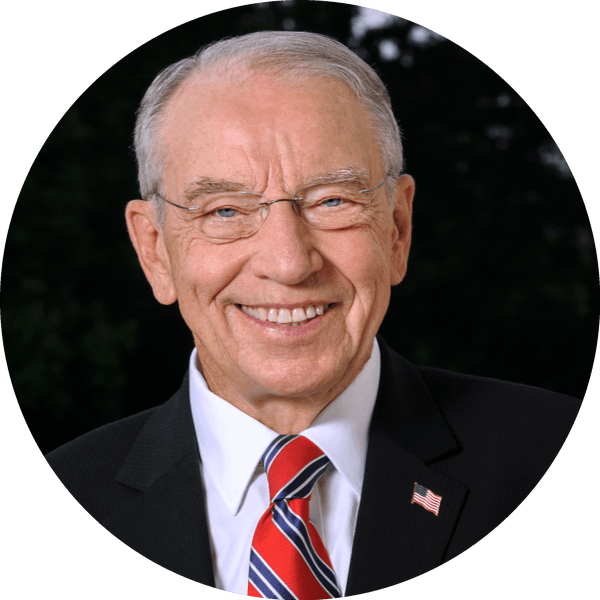
Chuck Grassley
Republican · IA
Flag a dangerous AI flaw without losing your job
Why it matters
The people building and testing advanced AI are often the first to spot a security hole or a safety failure nobody else can see. This bill says they can take that warning to Congress, the Justice Department, or their own boss without being fired for it — and if a company retaliates, the worker can win their job back plus double the back pay they were owed.
S. 1792, the AI Whistleblower Protection Act, would create a federal shield for workers who report dangers tied to advanced artificial intelligence. It covers a wider group than most workplace laws: current and former employees, plus current and former independent contractors — the exact kind of contract labor AI companies lean on for model training, safety testing, and infrastructure.
The bill protects two kinds of warnings. One is an "AI security vulnerability" — a security lapse that could let cutting-edge AI be stolen or acquired by someone, including a foreign entity. The other is an "AI violation," which covers breaking a federal law while building or deploying AI, or failing to respond to a substantial, specific danger that AI poses to public safety, public health, or national security.
A protected worker can take that information to a regulator, the Attorney General, law enforcement, Congress, or a supervisor with authority to act. In return, an employer cannot fire, demote, suspend, threaten, blacklist, or harass them for speaking up.
Complaints start at the Department of Labor. But if the Secretary of Labor sits on a case for 180 days without a final decision, and the holdup is not the worker's fault, the worker can move the fight to federal court and ask for a jury.
The remedies are sized to sting. A worker who wins gets their job back with original seniority, two times the back pay they were owed plus interest, and compensation for litigation costs, expert witnesses, and attorneys' fees. The filing window is unusually long — up to 6 years from the violation, 3 years from when the worker learned the facts, and a hard ceiling of 10 years. The bill also says none of these rights can be signed away, and it makes forced arbitration unenforceable before a worker seeks relief.
Bill Progress
Latest Action · May 15, 2025
Read twice and Referred to Health, Education, Labor, and Pensions. for review
S. 1792 Bill Summary
What S. 1792 actually does.
Contractors get the same shield as employees
The bill protects current and former employees and current and former independent contractors who report an AI security vulnerability or AI violation. That sweeps in the outside technical workers AI firms hire for training and safety testing, not just full-time staff.
Stalled cases can move to federal court
A worker files first with the Department of Labor. If the Secretary of Labor goes 180 days without a final decision, and the delay is not the worker's fault, the worker can take the case to U.S. district court and is entitled to a jury trial.
Up to 10 years to bring a claim
A worker generally has 6 years from the date of the retaliation, or 3 years from when they learned the facts, to file. The bill sets a hard outer limit of 10 years no matter when the problem surfaces.
Double back pay, plus fees
A worker who proves retaliation gets reinstatement with original seniority, two times the back pay owed with interest, and compensatory damages covering litigation costs, expert witness fees, and reasonable attorneys' fees.
Reports can go all the way to Congress
Protected warnings can be made to a regulator, the Attorney General, a law enforcement agency, any member or committee of Congress, or a supervisor able to investigate or stop the misconduct. Firing, demoting, suspending, threatening, blacklisting, or harassing a worker for those reports is barred.
Forced arbitration can't block the courthouse
The bill says its rights and remedies cannot be waived by any contract, policy, or condition of employment. Any agreement forcing a worker into arbitration, mediation, or other alternative dispute resolution before seeking relief is unenforceable, and the worker keeps a right to a jury trial.
Who benefits from S. 1792?
AI researchers and engineers
The people developing and red-teaming frontier systems get explicit cover to report a security lapse — including one that could let advanced AI be stolen or handed to a foreign entity — without risking their jobs. If they're retaliated against, they can seek reinstatement and double back pay.
Independent contractors in AI
Most worker-protection laws stop at full-time employees. This bill names current and former independent contractors directly, which matters in an industry that runs on contract labor for model training, safety evaluation, and infrastructure.
Workers raising safety or national security alarms
Protection isn't limited to reporting illegal acts. A worker is covered for flagging a failure to respond to a substantial, specific danger AI poses to public safety, public health, or national security.
Workers locked into restrictive contracts
Anyone who signed an arbitration clause or a waiver as a condition of the job benefits, because the bill makes those rights non-waivable and bars forced arbitration before a worker seeks relief.
Who is affected by S. 1792?
AI companies and labs
Firms building advanced AI face new limits on how they treat workers who report problems, plus potential liability. A company that retaliates can be ordered to reinstate the worker and pay double back pay with interest, plus attorneys' fees.
Managers and supervisors
The bill defines employer broadly to include officers, contractors, subcontractors, and agents, so individual decision-makers can be named in a complaint and must receive notice when they are.
Department of Labor and federal courts
Labor handles complaints first, but cases can shift to district court after 180 days without a decision. Courts would run the jury trials and apply the bill's 6-year, 3-year, and 10-year deadlines.
Businesses that build AI into their operations
The bill's definition of an artificial system reaches software and tools that run on machine learning, including AI folded into a company's own business processes. Common commercial products with embedded AI, like a word processor or map navigation system, are explicitly excluded.
S1792 Legislative Journey
Committee Action
May 15, 2025
Read twice and referred to the Committee on Health, Education, Labor, and Pensions.
About the Sponsor
Chuck Grassley
Republican, IA · 51 years in Congress
Committees: the Judiciary, Finance, the Budget
View full profile →
Cosponsors (13)
This bill has 13 cosponsors: 10 Democrats, 3 Republicans, reflecting bipartisan support. Cosponsors represent 12 states: Arizona, California, Connecticut, and 9 more.
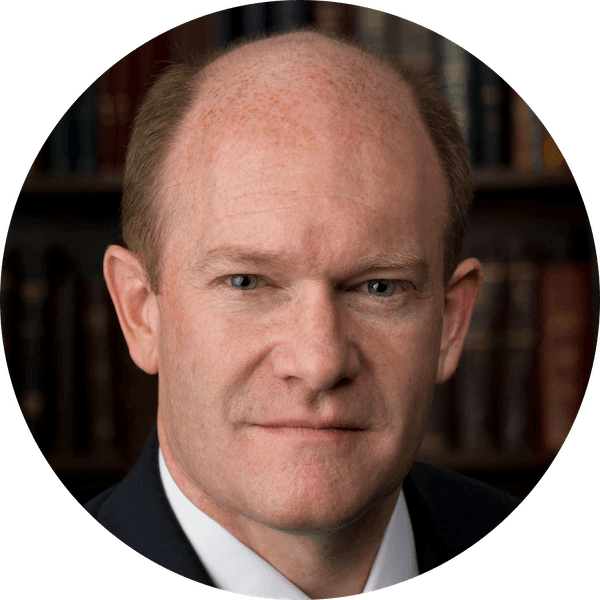
Christopher Coons
Democrat · DE

Marsha Blackburn
Republican · TN
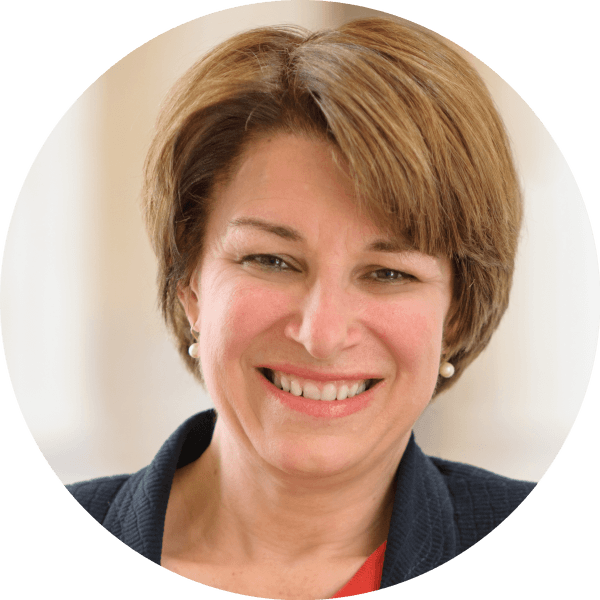
Amy Klobuchar
Democrat · MN
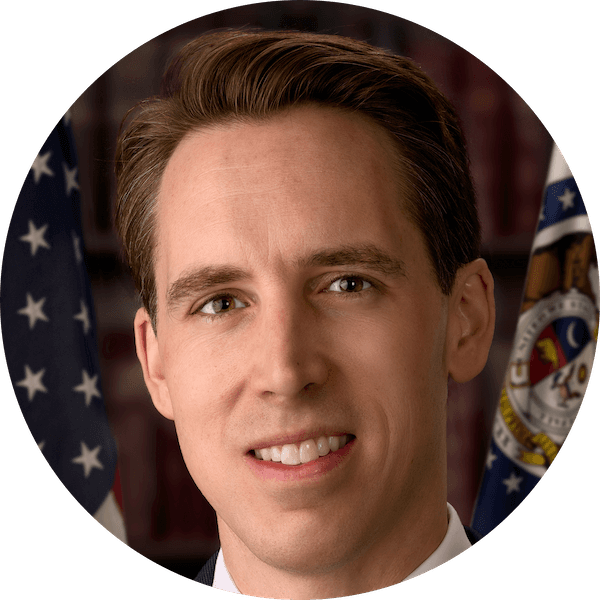
Josh Hawley
Republican · MO
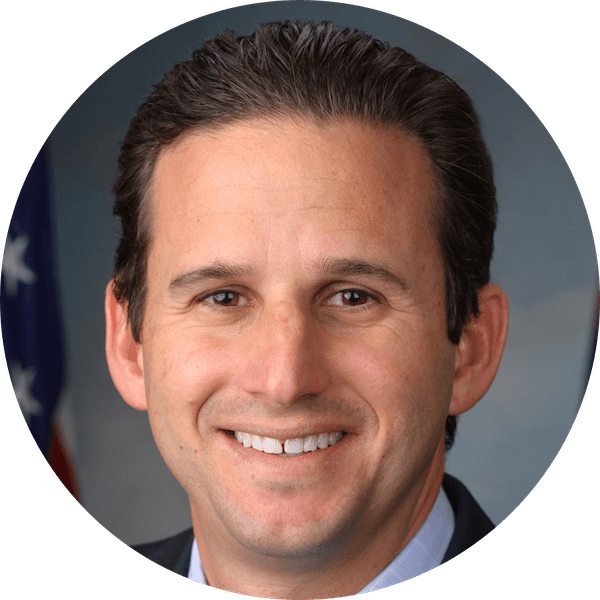
Brian Schatz
Democrat · HI
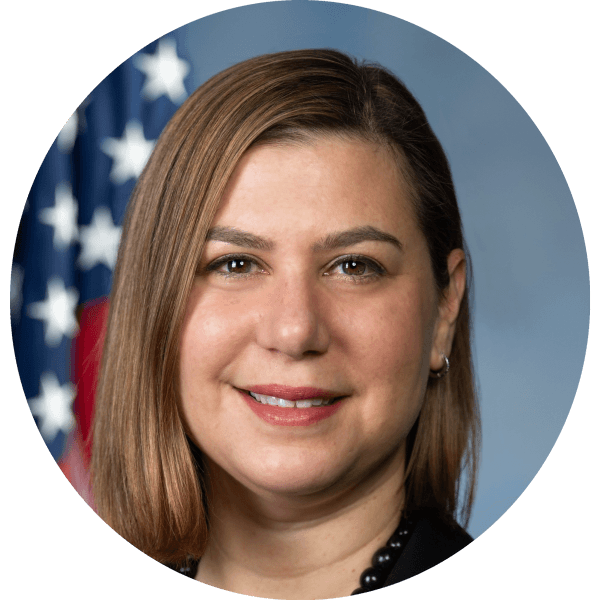
Elissa Slotkin
Democrat · MI
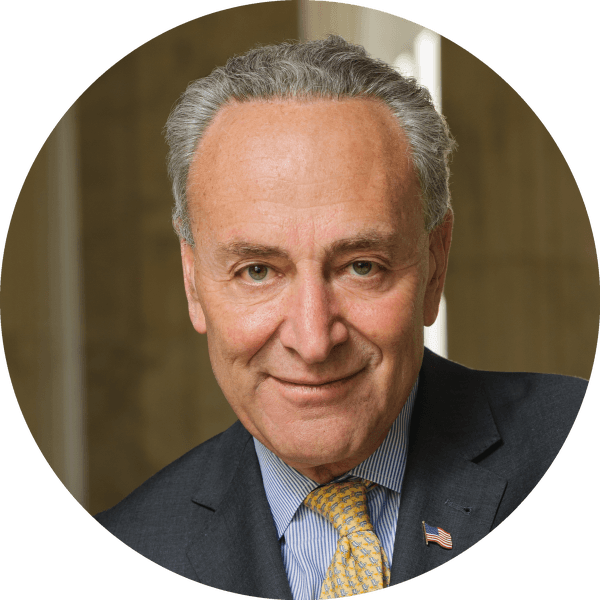
Charles Schumer
Democrat · NY
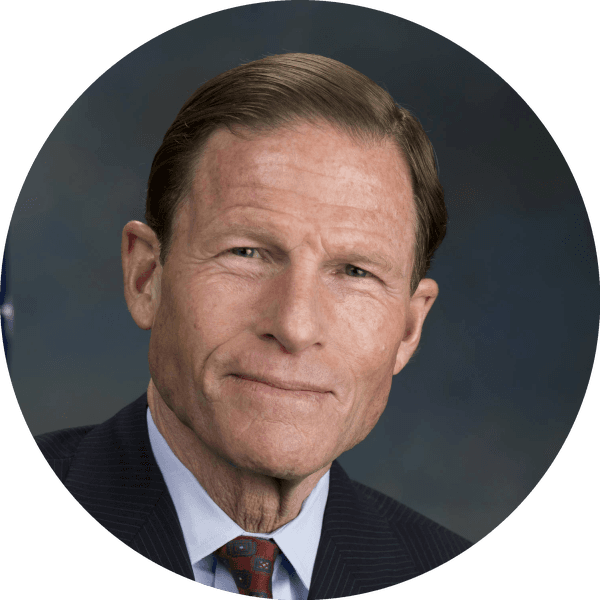
Richard Blumenthal
Democrat · CT

Kirsten Gillibrand
Democrat · NY

Richard Durbin
Democrat · IL
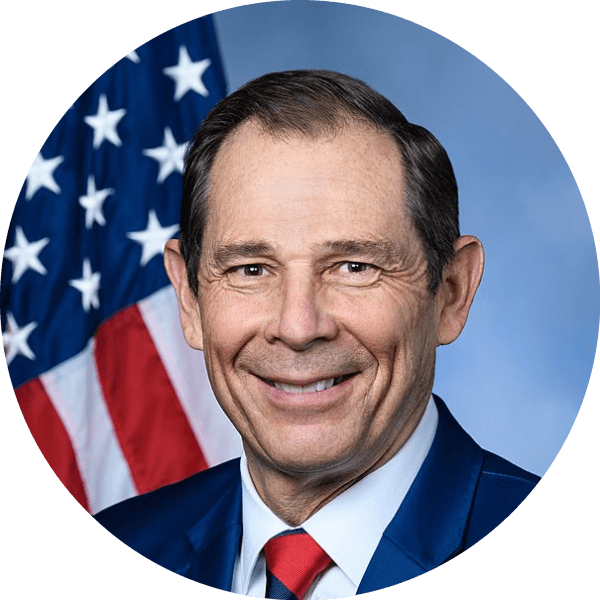
John Curtis
Republican · UT
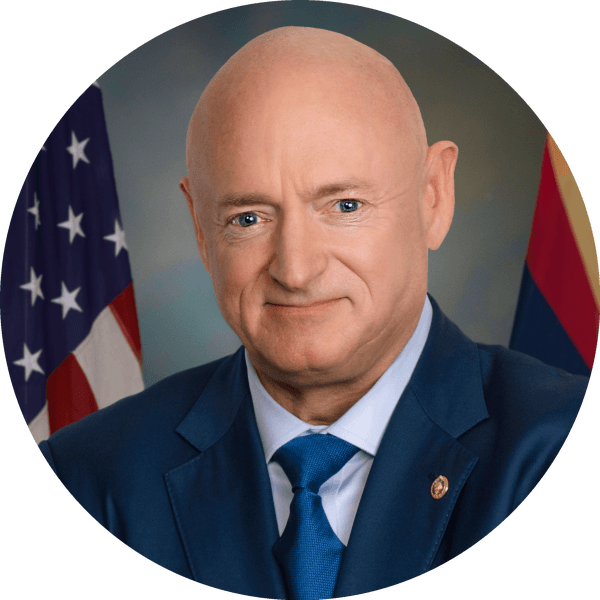
Mark Kelly
Democrat · AZ
Committee Sponsors
Health, Education, Labor, and Pensions Committee
1 of 23 committee members cosponsored

11 Republicans across this committee haven't cosponsored yet. Mobilize their constituents
S. 1792 Quick Facts
- Committee
- Health, Education, Labor, and Pensions
- Chamber
- Senate
- Policy
- Labor and Employment
- Introduced
- May 15, 2025
Read twice and Referred to Health, Education, Labor, and Pensions. for review
May 15, 2025
Official Sources
The official bill page tracking the AI Whistleblower Protection Act, its sponsors, cosponsors, and legislative status.
The Department of Labor program that enforces anti-retaliation protections — the agency where a worker under this bill would first file a complaint.
DOL guidance on the complaint process and filing deadlines, the front door for the Department of Labor stage this bill creates.
The online form OSHA uses to intake retaliation complaints, the practical mechanism behind the bill's Secretary of Labor filing step.
The existing air-safety whistleblower procedure the bill borrows wholesale, including the burdens of proof and the 180-day Department of Labor timeline.
The statute the bill points to for its definition of commerce and industry affecting commerce, which sets the reach of the protections.
Who is lobbying on S. 1792?
1 organization lobbying on this bill
BSA THE SOFTWARE ALLIANCE (FORMERLY BSA BUSINESS SOFTWARE ALLIANCE INC) | 8 |
Showing 1-1 of 1 organizations
S. 1792 Common Questions
How much can an AI whistleblower recover under S. 1792?
A worker who proves retaliation gets their job back with original seniority, two times the back pay they were owed plus interest, and compensation for litigation costs, expert witnesses, and attorneys' fees.
Can an AI whistleblower sue in federal court?
Yes. If the Department of Labor goes 180 days without a final decision and the holdup isn't the worker's fault, the worker can move the case to U.S. district court and is entitled to a jury trial.
How long do you have to file an AI retaliation claim under S. 1792?
Generally 6 years from the retaliation, or 3 years from when you learned the facts. The bill sets a hard outer limit of 10 years, no matter when the problem surfaces.
Are independent contractors protected for reporting AI risks?
Yes. S. 1792 covers current and former independent contractors alongside current and former employees — important in an industry that runs on contract labor for model training and safety testing.
Does S. 1792 ban forced arbitration for AI whistleblowers?
Yes. Any agreement forcing a worker into arbitration, mediation, or other dispute resolution before seeking relief is unenforceable, and the bill says these rights can't be signed away in a contract or company policy.
Can you report AI concerns to Congress or the Attorney General and stay protected?
Yes. Under S. 1792, protected warnings can go to Congress, the Attorney General, a regulator, law enforcement, or a supervisor with the authority to investigate or stop the misconduct.
What counts as an AI security vulnerability under S. 1792?
The bill defines it as a security failure or lapse that could let cutting-edge AI be stolen or otherwise acquired by someone, including a foreign entity.
What is an AI violation under S. 1792?
The bill defines it as breaking a federal law while developing or deploying AI, or failing to respond to a substantial, specific danger AI poses to public safety, public health, or national security.
Based on S. 1792 bill text
S. 1792 Bill Text
“To prohibit employment discrimination against whistleblowers reporting AI security vulnerabilities or AI violations, and for other purposes.”
Source: U.S. Government Publishing Office
Get notified when S. 1792 moves
Committee votes, floor action, cosponsor changes — straight to your inbox.
Bill alerts + Legisletter's monthly briefing. Unsubscribe anytime.
Labor and Employment Bills
9 related bills we're tracking
Protect America's Workforce Act

Received in the Senate.
Dec 15, 2025
Paycheck Fairness Act
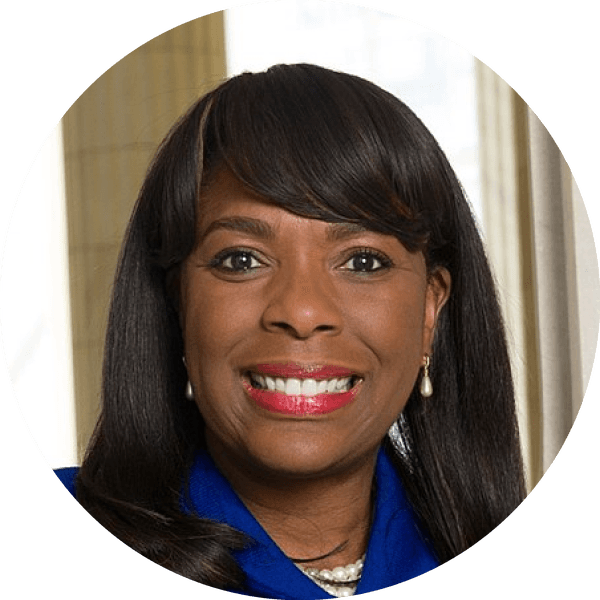
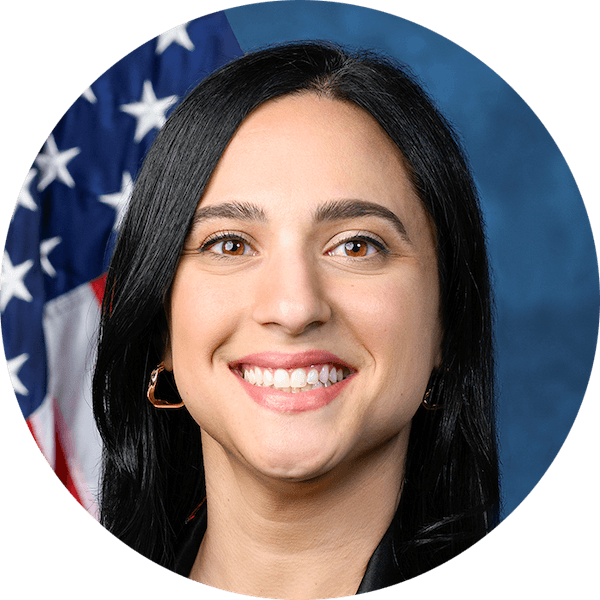
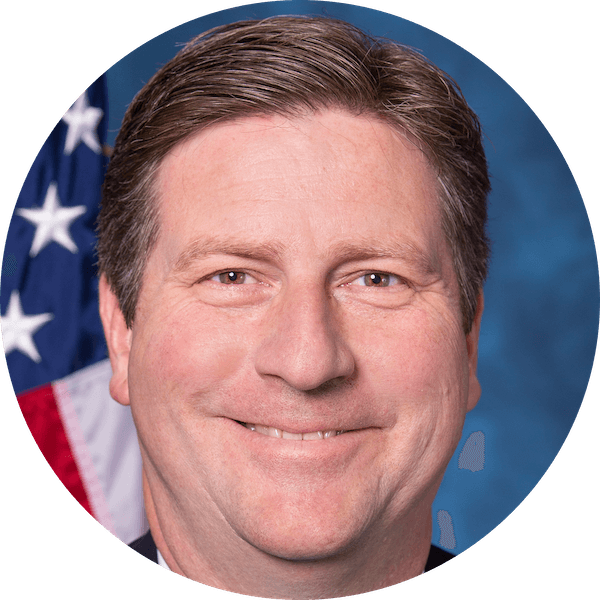
Referred to the Committee on Education and Workforce, and in addition to the Committee on Oversight and Government Reform, for a period to be subsequently determined by the Speaker, in each case for consideration of such provisions as fall within the jurisdiction of the committee concerned.
Mar 25, 2025
Richard L. Trumka Protecting the Right to Organize Act of 2025

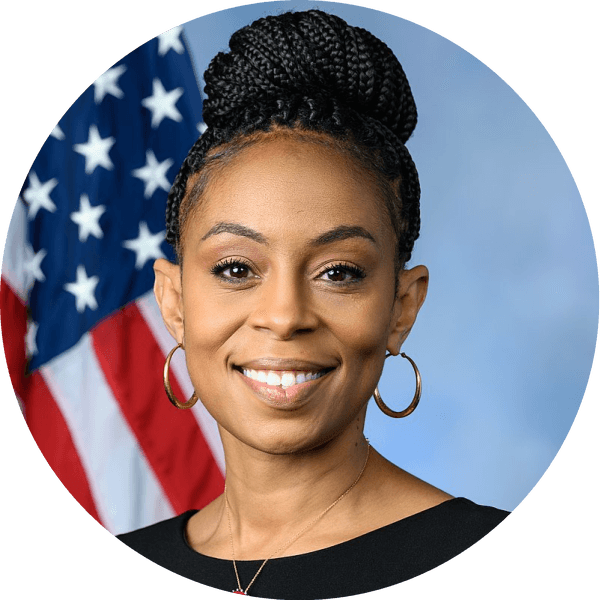
Referred to the House Committee on Education and Workforce.
Mar 5, 2025
FAMILY Act
Referred to the House Committee on Ways and Means.
Sep 16, 2025
Public Service Freedom to Negotiate Act of 2025

Referred to the House Committee on Education and Workforce.
Apr 8, 2025
Raise the Wage Act of 2025
Referred to the House Committee on Education and Workforce.
Apr 8, 2025
American Franchise Act
Placed on the Union Calendar, Calendar No. 702.
Sep 8, 2026
Healthy Families Act
Referred to the Committee on Education and Workforce, and in addition to the Committees on House Administration, and Oversight and Government Reform, for a period to be subsequently determined by the Speaker, in each case for consideration of such provisions as fall within the jurisdiction of the committee concerned.
Feb 12, 2026
Asunción Valdivia Heat Illness, Injury, and Fatality Prevention Act of 2025

Referred to the House Committee on Education and Workforce.
Jul 16, 2025
Trending Right Now
Bills gaining momentum across Congress
North Platte Canteen Congressional Gold Medal Act


Referred to the House Committee on Financial Services.
Feb 21, 2025
Fit to Serve Act
Referred to the House Committee on Armed Services.
May 21, 2025
ASAP Act
Ordered to be Reported in the Nature of a Substitute by the Yeas and Nays: 40 - 0.
Sep 16, 2026
Tracking Labor and Employment in Congress? Monitor bills, track cosponsor momentum, and launch advocacy campaigns — all from one advocacy platform.