H.R. 1232: National Right-to-Work Act
Sponsor
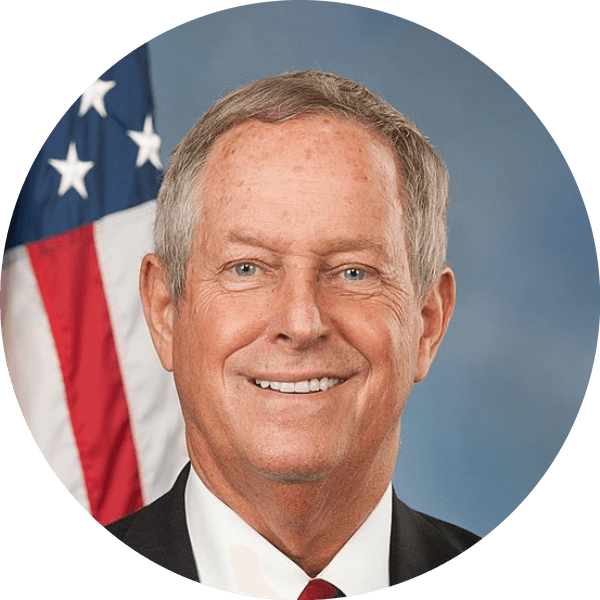
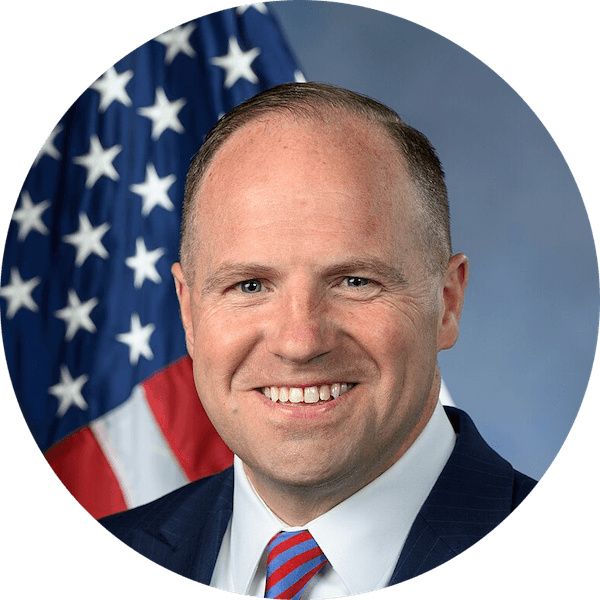
Joe Wilson
Republican · SC-2
GOP push to make right-to-work the federal rule
Why it matters
123 House Republicans want to end mandatory union dues in every state. Right-to-work laws already cover roughly half the country. This bill would extend that rule everywhere — and reach railroad and airline workers covered by separate federal labor law.
H.R. 1232, the National Right-to-Work Act, is short — three sections of legal text — but the change is sweeping.
The bill strikes the language in the National Labor Relations Act that currently lets unions and employers sign 'union-security agreements.' Those are the contracts that require workers in a unionized workplace to pay dues or fees as a condition of employment. The bill also strikes the parallel provision in the Railway Labor Act, the separate federal law that governs labor relations for railroads and airlines.
Roughly half the states have passed right-to-work laws that already ban union-security agreements within their borders. The rest still allow them. H.R. 1232 would override that state-by-state patchwork by removing the federal authority that lets these contracts exist in the first place.
The bill has 123 cosponsors, all Republicans, and was introduced by Joe Wilson of South Carolina in February 2025. It has been sitting in the House Education and Workforce Committee since then.
Bill Progress
Latest Action · Feb 12, 2025
Referred to the House Committee on Education and Workforce.
H.R. 1232 Bill Summary
What H.R. 1232 actually does.
Ends mandatory dues in every state
Workers covered by a union contract could no longer be required to pay union dues or fees as a condition of getting or keeping their job, anywhere in the country.
Workers keep the right to join, or not
Federal protections for workers who choose to join a union stay intact. The bill adds an explicit federal protection for workers who choose not to support one financially.
Overrides state union-security laws
States that currently allow union-security agreements would lose that authority. Federal law would make right-to-work the floor in every state, not just the 26 or so that have already passed their own laws.
Reaches railroads and airlines
A separate amendment to the Railway Labor Act removes the union-shop authority for rail and airline workers, who are covered by the RLA rather than the National Labor Relations Act.
No new spending or penalties
The bill works by repealing existing legal authority. It doesn't fund a new program or create new fines. Enforcement would fall to the labor agencies that already handle these laws.
Who benefits from H.R. 1232?
Workers in non-right-to-work states
In states that still allow union-security agreements, workers in a unionized workplace can be required by contract to pay dues. Under H.R. 1232, that requirement would no longer be enforceable.
Right-to-work advocacy groups
Groups like the National Right to Work Committee have pushed this exact change for decades. The bill is their long-stated policy goal in a single piece of legislation.
Employers in unionized industries
Companies operating in non-right-to-work states could see unions with reduced dues revenue and, over time, potentially less leverage at the bargaining table.
Rail and airline workers who object to dues
Employees covered by the Railway Labor Act currently have narrower rights to opt out of union financial support than workers under the NLRA. The bill would give them the same right-to-work protections for the first time.
Who is affected by H.R. 1232?
Labor unions
Unions would no longer be able to collect dues from workers covered by their contracts who choose not to pay. The AFL-CIO and major individual unions oppose the bill.
Union-covered workers
Workers in unionized shops would still receive the wages, benefits, and grievance representation negotiated in their contract. Federal law requires unions to represent everyone in the bargaining unit equally, whether or not they pay dues.
Workers in non-right-to-work states
The biggest practical change happens in the states that still allow union-security agreements. State law would no longer matter on this question.
Railroad and airline employees
Hundreds of thousands of workers covered by the Railway Labor Act would see their union-shop rules change for the first time since the law was last amended on this point in 1951.
HR1232 Legislative Journey
House: Committee Action
Feb 12, 2025
Referred to the House Committee on Education and Workforce.
About the Sponsor
Joe Wilson
Republican, South Carolina's 2nd congressional district · 25 years in Congress
Committees: Armed Services, Education and Workforce, Foreign Affairs
View full profile →
Cosponsors (129)
All 129 cosponsors are Republicans. Cosponsors represent 35 states: Alaska, Alabama, Arkansas, and 32 more.
Ben Cline
Republican · VA

Daniel Webster
Republican · FL
Scott Perry
Republican · PA

Darrell Issa
Republican · CA
Russ Fulcher
Republican · ID
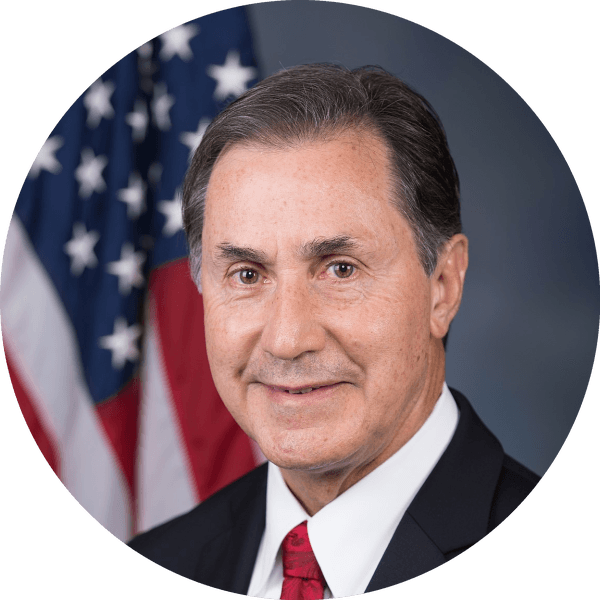
Gary Palmer
Republican · AL

John Moolenaar
Republican · MI
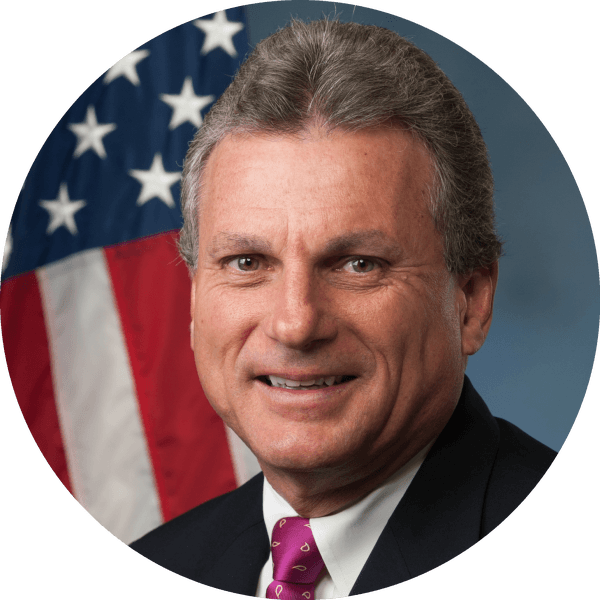
Earl Carter
Republican · GA
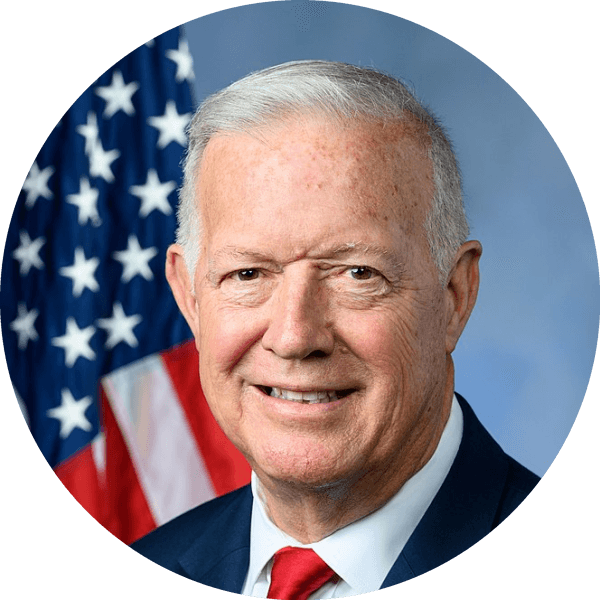
Randy Weber
Republican · TX

Harriet Hageman
Republican · WY

Kat Cammack
Republican · FL

Scott Fitzgerald
Republican · WI
Cosponsor Coverage Map
Committee Sponsors
Education and Workforce Committee
9 of 37 committee members cosponsored


11 Republicans across this committee haven't cosponsored yet. Mobilize their constituents
What laws does H.R. 1232 change?
3 changes
Sections Amended
Section 7 of National Labor Relations Act (29 U.S.C. 157)
striking ``except to'' and all that follows through ``authorized in section 8(a)(3)''
Section 8(f) of National Labor Relations Act (29 U.S.C. 158(f))
striking paragraph (2) and redesignating paragraphs (3) and (4) as paragraphs (2) and (3), respectively
Section 2 of Railway Labor Act (45 U.S.C. 152)
striking paragraph Eleventh
H.R. 1232 Quick Facts
- Committee
- Education and Workforce
- Chamber
- House
- Policy
- Labor and Employment
- Introduced
- Feb 12, 2025
Referred to the House Committee on Education and Workforce.
Feb 12, 2025
Official Sources
Official bill page with full text, cosponsors, and legislative actions for the National Right-to-Work Act.
NLRB overview of employee rights under the NLRA, including the right to join or refrain from union activity.
Explains current federal rules on union-security agreements and dues requirements that this bill would eliminate.
Federal protections for employees who choose not to participate in union organizing or concerted activity.
Full text of the NLRA whose Sections 7, 8(a)(3), 8(b)(2), 8(b)(5), and 8(f) would be amended by this bill.
The U.S. Code section guaranteeing employees the right to organize and bargain collectively, which this bill amends.
The Railway Labor Act section whose paragraph Eleventh (union-shop authority for rail and airline workers) this bill would strike.
H.R. 1232 Common Questions
What is the National Right-to-Work Act?
H.R. 1232 would make right-to-work the federal rule in every state. It strikes the language in federal labor law that currently lets unions and employers require workers to pay dues or fees as a condition of employment. The bill is three sections long but applies to every private-sector workplace covered by federal labor law.
Could a job still require you to pay union dues?
No. Under H.R. 1232, employers and unions could not require workers to pay union dues or fees to get or keep a job — even in workplaces with a union contract. Workers would still be free to pay dues voluntarily and join the union.
Does H.R. 1232 override state laws?
Effectively yes. About half the states already have right-to-work laws. The rest still allow union-security agreements. H.R. 1232 removes the federal authority for those agreements, so state laws permitting them would no longer have anything to authorize.
Would workers still get union representation if they stop paying dues?
Yes. Federal labor law requires unions to represent everyone in a bargaining unit — members and nonmembers — equally. Critics of right-to-work call this the 'free rider' problem. H.R. 1232 doesn't change this duty of fair representation.
Does the bill affect airline and railroad workers?
Yes. H.R. 1232 also strikes a provision in the Railway Labor Act, the separate federal law that governs unions in commercial aviation and railroads. That change extends right-to-work protections to airline and railroad employees for the first time.
Has a national right-to-work bill ever passed?
No. Versions of this bill have been introduced in nearly every Congress since the late 1940s. None has cleared both chambers. H.R. 1232 has 123 House cosponsors — all Republicans — and would likely need 60 Senate votes to overcome a filibuster.
What changes for workers already in a union shop?
If your contract requires dues or fees, that requirement would no longer be enforceable once the bill took effect. You'd keep your wages, benefits, and union representation, but paying dues would become voluntary. Existing dues-payers would have to actively keep paying.
Does the bill add penalties for unions or employers?
No. H.R. 1232 doesn't create new fines or criminal penalties. It works by removing the existing legal authority for union-security agreements. Enforcement would happen through the same federal agencies — the NLRB and the National Mediation Board — that already handle other labor law violations.
Based on H.R. 1232 bill text
H.R. 1232 Bill Text
“To preserve and protect the free choice of individual employees to form, join, or assist labor organizations, or to refrain from such activities.”
Source: U.S. Government Publishing Office
Get notified when H.R. 1232 moves
Committee votes, floor action, cosponsor changes — straight to your inbox.
Bill alerts + Legisletter's monthly briefing. Unsubscribe anytime.
Labor and Employment Bills
9 related bills we're tracking
Protect America's Workforce Act

Received in the Senate.
Dec 15, 2025
Paycheck Fairness Act




Referred to the Committee on Education and Workforce, and in addition to the Committee on Oversight and Government Reform, for a period to be subsequently determined by the Speaker, in each case for consideration of such provisions as fall within the jurisdiction of the committee concerned.
Mar 25, 2025
Richard L. Trumka Protecting the Right to Organize Act of 2025



Referred to the House Committee on Education and Workforce.
Mar 5, 2025
FAMILY Act

Referred to the House Committee on Ways and Means.
Sep 16, 2025
Public Service Freedom to Negotiate Act of 2025


Referred to the House Committee on Education and Workforce.
Apr 8, 2025
Raise the Wage Act of 2025


Referred to the House Committee on Education and Workforce.
Apr 8, 2025
American Franchise Act



Placed on the Union Calendar, Calendar No. 702.
Sep 8, 2026
Healthy Families Act


Referred to the Committee on Education and Workforce, and in addition to the Committees on House Administration, and Oversight and Government Reform, for a period to be subsequently determined by the Speaker, in each case for consideration of such provisions as fall within the jurisdiction of the committee concerned.
Feb 12, 2026
Asunción Valdivia Heat Illness, Injury, and Fatality Prevention Act of 2025


Referred to the House Committee on Education and Workforce.
Jul 16, 2025
Trending Right Now
Bills gaining momentum across Congress
North Platte Canteen Congressional Gold Medal Act



Referred to the House Committee on Financial Services.
Feb 21, 2025
Fit to Serve Act




Referred to the House Committee on Armed Services.
May 21, 2025
ASAP Act



Ordered to be Reported in the Nature of a Substitute by the Yeas and Nays: 40 - 0.
Sep 16, 2026
Tracking Labor and Employment in Congress? Monitor bills, track cosponsor momentum, and launch advocacy campaigns — all from one advocacy platform.