H.R. 7973: Momnibus Act
Sponsor

Lauren Underwood
Democrat · IL-14
Postpartum help shouldn't run out six months after birth
Why it matters
Right now your WIC nutrition benefits end six months after you give birth. H.R. 7973 would stretch that to 24 months and layer on more than $2.27 billion in authorized funding across dozens of maternal health programs.
The change you'd feel first is food support. H.R. 7973 would extend WIC postpartum eligibility from 6 months to 24 months, and breastfeeding-related eligibility from 12 months to 24 months.
From there, the bill stacks on grants, studies, workforce programs, telehealth models, prison protections, tribal set-asides, and veterans' maternity care funding. The stated goal, according to the bill, is to reduce preventable maternal deaths, severe complications, and gaps in care.
The money is spread across many programs instead of one giant pot. That includes $100 million a year for maternal health equity grants from 2027 through 2031, another $100 million a year for social determinants of health grants over the same span, and $73.4 million a year from 2027 through 2032 for the NIH IMPROVE Initiative.
The bill also reaches into systems that usually get less attention. States could lose 25% of certain federal justice grant funding if they don't restrict shackling of pregnant prisoners, and the Bureau of Prisons would have to launch maternal health programs in at least 6 facilities within 18 months.
Bill Progress
Latest Action · Apr 20, 2026
Assigned to Subcommittee on Health. for review
H.R. 7973 Bill Summary
What H.R. 7973 actually does.
WIC lasts up to two years after birth
H.R. 7973 would extend WIC postpartum eligibility from 6 months to 24 months. Breastfeeding-related eligibility would also run through 24 months instead of ending after 12 months.
$100 million a year for maternal health equity
The bill authorizes $100,000,000 annually from 2027 through 2031 for maternal health equity grants. It also authorizes $25,000,000 a year over that span for maternal mental health equity grants.
A federal bias study starts fast
The bill requires an agreement with the National Academies within 90 days of enactment. The resulting study and report would be due within 24 months.
States face a 25% grant penalty over shackling rules
States that do not restrict shackling of pregnant prisoners could lose 25% of their Edward Byrne Memorial Justice Grant funding. The bill also requires maternal health programs in at least 6 Bureau of Prisons facilities within 18 months.
Telehealth and digital care models get funding
Maternal telehealth models would take effect 1 year after enactment. The bill also authorizes $6,000,000 a year for technology-enabled collaborative learning and $6,000,000 a year for digital tools grants from 2027 through 2031.
Tribal, veteran, and research funding expands
The bill reserves at least $1,500,000 a year for tribes and tribal organizations within maternal mortality review committee grants, authorizes $15,000,000 a year for VA maternity care coordination, and provides $73,400,000 a year for the NIH IMPROVE Initiative.
Who benefits from H.R. 7973?
New mothers relying on WIC after childbirth
You could keep federal nutrition support for 24 months after birth instead of 6 months. For breastfeeding-related eligibility, support would run 24 months instead of 12.
Patients in communities with the highest maternal health gaps
The bill directs major funding toward equity-focused programs, including $100,000,000 a year for maternal health equity grants and $25,000,000 a year for maternal mental health equity grants from 2027 through 2031.
American Indian and Alaska Native communities
At least $1,500,000 a year would be reserved for tribes and tribal organizations within maternal mortality review grants, and the bill authorizes another $2,000,000 a year from 2027 through 2029 for an American Indian and Alaska Native study.
Pregnant and postpartum veterans
The Department of Veterans Affairs would get $15,000,000 a year from 2027 through 2031 for maternity care coordination, aimed at improving care before and after birth.
Pregnant people in prisons and jails
The bill would pressure states to restrict shackling during pregnancy and require maternal health programs in at least 6 federal prison facilities. It also authorizes $10,000,000 a year for incarcerated maternal health grants.
Who is affected by H.R. 7973?
State governments
States could apply for multiple new grants, but they would also face new conditions. If a state does not restrict shackling of pregnant prisoners, it could lose 25% of certain federal justice grant funding.
Hospitals, clinics, doulas, midwives, and other maternity providers
Providers could see new grant opportunities, training programs, telehealth models, and reporting requirements. The bill uses a broad definition of maternity care providers, so the changes would reach beyond hospitals alone.
Federal health agencies
HHS, NIH, the VA, and the Bureau of Prisons would have to launch or manage a long list of programs, reports, and grant competitions, some with quick deadlines like the 90-day bias study agreement.
Congress and future appropriators
Most of the bill's programs are authorizations, not automatic spending. Whether these programs fully materialize depends on whether lawmakers later provide the money.
Cost & Funding
Authorization
At least $2.2744 billion in specified authorizations, plus additional programs the bill authorizes without listing a dollar amount in the draft analysis.
- The biggest recurring items include $100,000,000 a year for maternal health equity grants and $100,000,000 a year for social determinants of health grants from 2027 through 2031.
- $73,400,000 a year for the NIH IMPROVE Initiative from 2027 through 2032 adds up to $440.4 million on its own.
- A $15,000,000 annual program over 5 years equals $75,000,000 — and the bill includes several programs at that level, including VA maternity care coordination and multiple workforce grants.
- The stated total is a floor, not a ceiling, because some authorized programs in the draft analysis do not have a specified dollar amount.
HR7973 Legislative Journey
House: Committee Action
Apr 20, 2026
Referred to the Subcommittee on Health.
House: Committee Action
Mar 18, 2026
Referred to the Committee on Energy and Commerce, and in addition to the Committees on Education and Workforce, Veterans' Affairs, Natural Resources, and the Judiciary, for a period to be subsequently determined by the Speaker, in each case for consideration of such provisions as fall within the jurisdiction of the committee concerned.
About the Sponsor
Lauren Underwood
Democrat, Illinois's 14th congressional district · 7 years in Congress
Committees: Appropriations
View full profile →
Cosponsors (213)
All 213 cosponsors are Democrats. Cosponsors represent 39 states: Alabama, Arizona, California, and 36 more.

Alma Adams
Democrat · NC
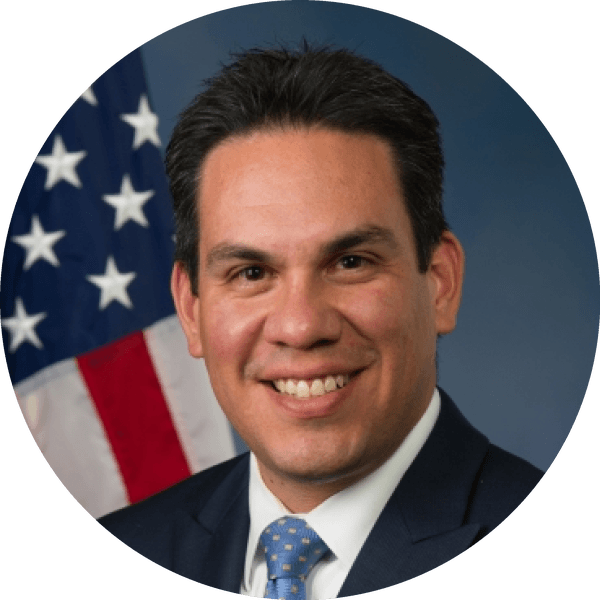
Pete Aguilar
Democrat · CA

Gabe Amo
Democrat · RI
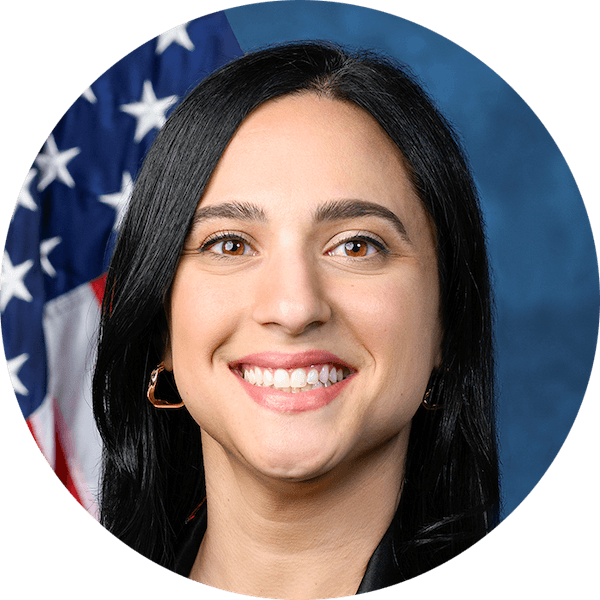
Yassamin Ansari
Democrat · AZ

Becca Balint
Democrat · VT
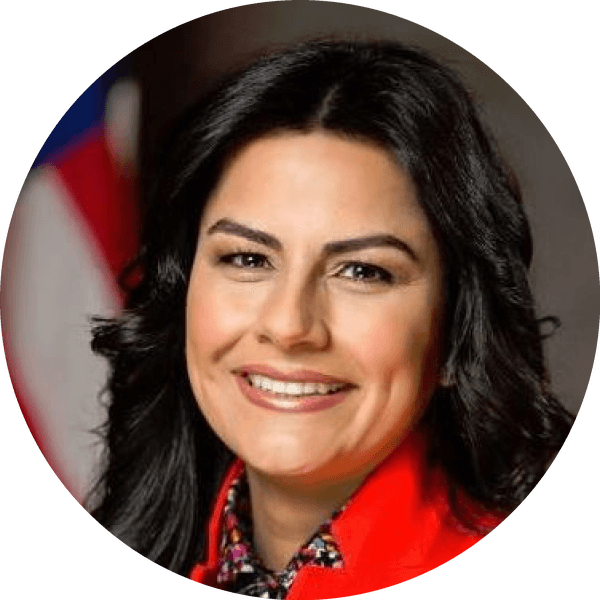
Nanette Barragán
Democrat · CA
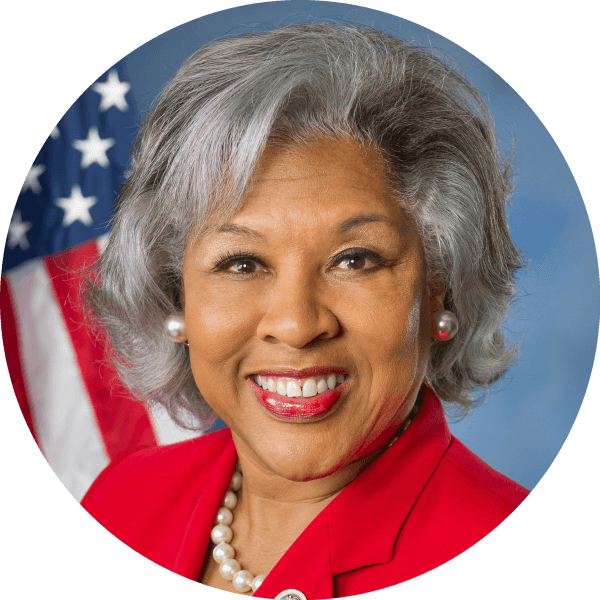
Joyce Beatty
Democrat · OH

Wesley Bell
Democrat · MO
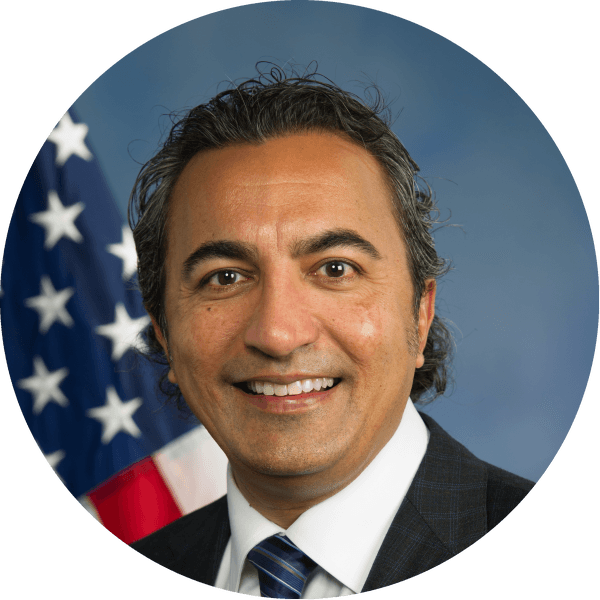
Ami Bera
Democrat · CA
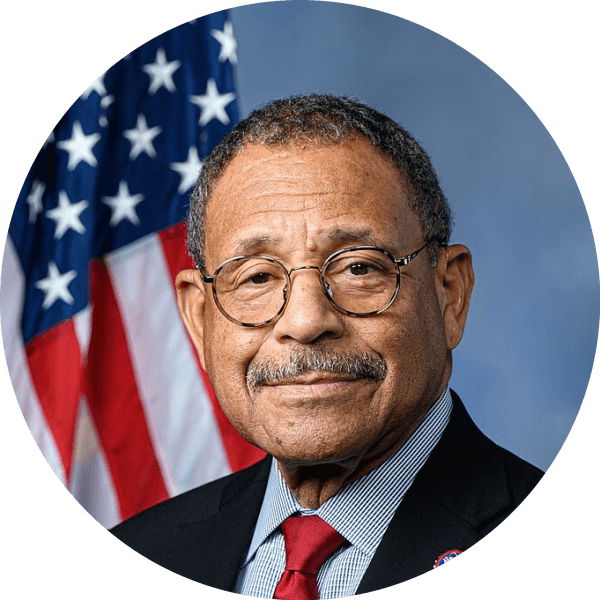
Sanford Bishop
Democrat · GA
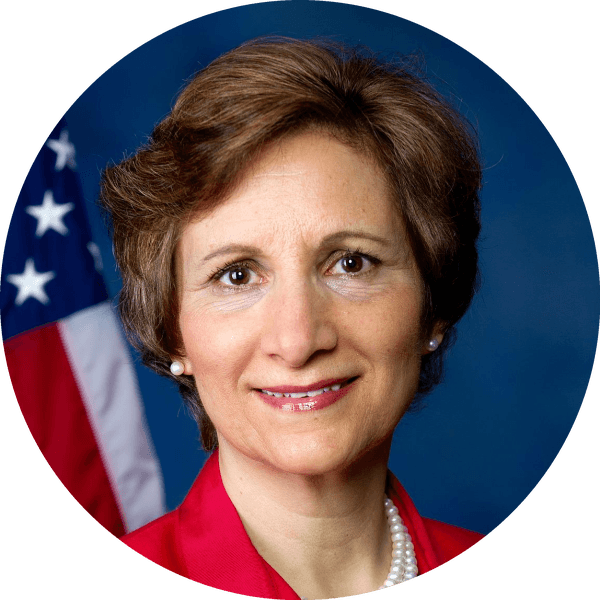
Suzanne Bonamici
Democrat · OR
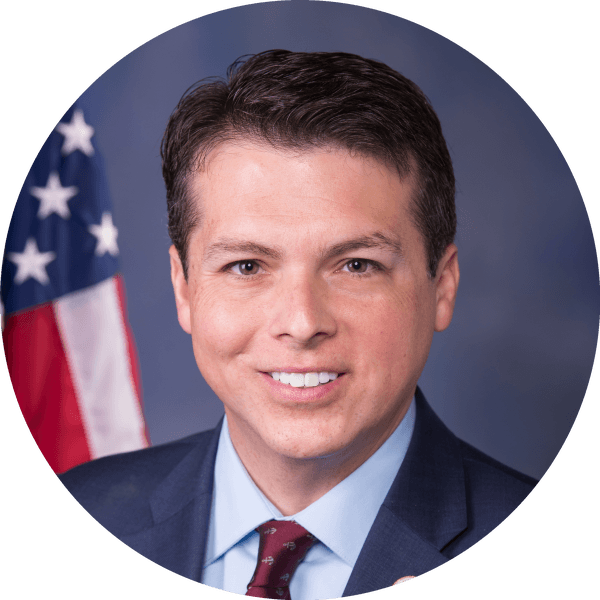
Brendan Boyle
Democrat · PA
Cosponsor Coverage Map
Committee Sponsors
Veterans' Affairs Committee
11 of 25 committee members cosponsored


Judiciary Committee
19 of 44 committee members cosponsored


Natural Resources Committee
20 of 45 committee members cosponsored


Education and Workforce Committee
16 of 37 committee members cosponsored


Energy and Commerce Committee
23 of 54 committee members cosponsored


1 Democrats across these committees haven't cosponsored yet. Mobilize their constituents
What laws does H.R. 7973 change?
2 changes
Sections Amended
Section 317K(d) of Public Health Service Act (42 U.S.C. 247b-12(d))
adding at the end the following: ``(9) Grants to promote representative community engagement in maternal mortality review committees
Section 317K(f) of Public Health Service Act (42 U.S.C. 247b-12(f))
adding at the end the following: ``Of the amount made available under the preceding sentence for a fiscal year, not less than $1,500,000 shall be reserved for grants to Indian Tribes, Tribal organizations, or Urban Indian organizations (as those terms are defined in section 4 of the Indian Health Care Improvement Act)''
H.R. 7973 Quick Facts
- Committee
- Veterans' Affairs
- Chamber
- House
- Policy
- Health
- Introduced
- Mar 18, 2026
Assigned to Subcommittee on Health. for review
Apr 20, 2026
Official Sources
Official bill page with status, text, cosponsors, and legislative actions for the Momnibus Act.
Official WIC resource relevant to the bill's extension of postpartum and breastfeeding-related eligibility.
Official program page for the Special Supplemental Nutrition Program for Women, Infants, and Children, which the bill would extend postpartum eligibility for.
Official NICHD page for the IMPROVE Initiative, the NIH maternal health research effort the bill would authorize $73.4 million a year to fund.
Official CDC page for the maternal mortality review committee program the bill funds, including its tribal set-aside.
Official Justice Department page for the Byrne JAG program tied to the bill's penalty for states that do not restrict shackling of pregnant prisoners.
Official VA page relevant to the bill's funding for veterans' maternity care coordination.
Official IHS program page relevant to the bill's tribal set-asides for maternal health among American Indian and Alaska Native communities.
H.R. 7973 Common Questions
Did H.R. 7973 pass?
No. H.R. 7973 has not passed. Its latest action listed here is referral to the House Subcommittee on Health.
How long would WIC benefits last after birth under H.R. 7973?
Postpartum WIC eligibility would extend from 6 months to 24 months. Breastfeeding-related eligibility would also last 24 months instead of 12.
How much money does H.R. 7973 authorize overall?
The bill authorizes at least $2.27 billion in specified funding, plus more programs it authorizes without attaching a dollar figure — so that total is a floor, not a ceiling.
What does H.R. 7973 do for maternal health equity grants?
It authorizes $100,000,000 a year from 2027 through 2031 for maternal health equity grants, plus $25,000,000 a year for maternal mental health equity grants.
Can states lose federal money over shackling pregnant prisoners?
Yes. A state that does not restrict shackling of pregnant prisoners could lose 25% of its Edward Byrne Memorial Justice Grant funding under H.R. 7973.
Does H.R. 7973 include funding for tribes?
Yes. The bill reserves at least $1,500,000 a year for Indian Tribes and tribal organizations within maternal mortality review committee grants.
Does H.R. 7973 fund veterans' maternity care?
Yes. The bill authorizes $15,000,000 a year from 2027 through 2031 for VA maternity care coordination.
What is the Momnibus Act?
It's the short title of H.R. 7973, a package of maternal health measures covering WIC, equity grants, workforce funding, telehealth, prison protections, and veterans' care. Title III is named for Kira Johnson.
Based on H.R. 7973 bill text
H.R. 7973 Bill Text
“To end preventable maternal mortality, severe maternal morbidity, and maternal health disparities in the United States, and for other purposes.”
Source: U.S. Government Publishing Office
Get notified when H.R. 7973 moves
Committee votes, floor action, cosponsor changes — straight to your inbox.
Bill alerts + Legisletter's monthly briefing. Unsubscribe anytime.
Health Bills
9 related bills we're tracking
Nancy Gardner Sewell Medicare Multi-Cancer Early Detection Screening Coverage Act



Reported (Amended) by the Committee on Ways and Means. H. Rept. 119-333, Part I.
Oct 3, 2025
Mikaela Naylon Give Kids a Chance Act




Received in the Senate.
Dec 2, 2025
Improving Seniors’ Timely Access to Care Act of 2025
Ordered to be Reported in the Nature of a Substitute by the Yeas and Nays: 42 - 0.
Jul 15, 2026
CONNECT for Health Act of 2025




Referred to the Committee on Energy and Commerce, and in addition to the Committee on Ways and Means, for a period to be subsequently determined by the Speaker, in each case for consideration of such provisions as fall within the jurisdiction of the committee concerned.
Jun 26, 2025
ASAP Act





Ordered to be Reported in the Nature of a Substitute by the Yeas and Nays: 40 - 0.
Sep 16, 2026
Right to Contraception Act

Referred to the House Committee on Energy and Commerce.
Feb 5, 2025
Women’s Health Protection Act of 2025



Referred to the Committee on Energy and Commerce, and in addition to the Committee on the Judiciary, for a period to be subsequently determined by the Speaker, in each case for consideration of such provisions as fall within the jurisdiction of the committee concerned.
Jun 24, 2025
Ensuring Lasting Smiles Act


Referred to the Committee on Energy and Commerce, and in addition to the Committees on Education and Workforce, and Ways and Means, for a period to be subsequently determined by the Speaker, in each case for consideration of such provisions as fall within the jurisdiction of the committee concerned.
May 8, 2025
EACH Act of 2025



Referred to the Subcommittee on Health.
Dec 19, 2025
Trending Right Now
Bills gaining momentum across Congress
Federal Firearms Licensee Protection Act of 2025

Referred to the House Committee on the Judiciary.
Mar 3, 2025
Therapeutic Fraud Prevention Act of 2025



Referred to the House Committee on Energy and Commerce.
May 7, 2025
Fit to Serve Act


Referred to the House Committee on Armed Services.
May 21, 2025
Tracking Health in Congress? Monitor bills, track cosponsor momentum, and launch advocacy campaigns — all from one advocacy platform.