H.R. 924: NO BAN Act
Sponsor

Judy Chu
Democrat · CA-28
Travel bans would need evidence and a 48-hour clock
Why it matters
H.R. 924 would force any future travel ban to come with evidence on the front end and a 48-hour congressional briefing on the back end — or it auto-terminates. The bill also adds religion to the immigration system's nondiscrimination rule and lets people in the U.S. sue over violations in federal court, including through class actions. 115 House Democrats have signed on; no Republican cosponsors yet.
The NO BAN Act rewrites a key part of immigration law that presidents have used to block entry for broad groups of people. Right now, that authority is open-ended. H.R. 924 would put new conditions around it.
Any future travel ban would have to address specific and credible facts about a security, public safety, human rights, democracy, or international stability concern. The Secretary of State, working with Homeland Security, would have to make that finding before the president acts. Restrictions would have to use the least restrictive means, state how long they last, and consider waivers — with a built-in presumption that family-based and humanitarian waivers should be granted.
Within 48 hours of imposing a ban, the administration would have to brief Congress and submit a written report explaining what it did, why, how many people are affected, and what legal authority it used. Miss that deadline and the ban automatically ends. After that, agencies must keep publishing 30-day reports in the Federal Register — also under threat of automatic termination.
The bill also expands the immigration system's nondiscrimination rule. The protection would apply not just to immigrant visas, but also to nonimmigrant visas, entry decisions, and other immigration benefits. Religion explicitly joins nationality, place of birth, and sex as a protected category.
People in the U.S. harmed by a violation would be able to sue in federal court for declaratory or injunctive relief. The bill expressly allows those cases to proceed as class actions.
H.R. 924 would also require a one-time backwards-looking report on Presidential Proclamations 9645, 9822, and 9983 and Executive Orders 13769, 13780, and 13815 — the Trump-era travel bans — within 90 days of enactment, including country-by-country visa application, approval, denial, and waiver data.
Bill Progress
Latest Action · Feb 4, 2025
Assigned to Subcommittee on Border Security and Enforcement. for review
H.R. 924 Bill Summary
What H.R. 924 actually does.
Travel bans would need evidence on the front end
A president could still impose restrictions, but only after the Secretary of State and Homeland Security identify specific and credible facts showing a real threat to security, public safety, human rights, democracy, or international stability.
Religion joins immigration's nondiscrimination list
Religion would join nationality, place of birth, and sex as a protected category. The rule would also expand from immigrant visas alone to cover nonimmigrant visas, entry decisions, and other immigration benefits.
Restrictions must be narrowly tailored
Any travel ban would have to be the least restrictive means of meeting a compelling government interest, with a stated duration. Bans could not be broader than necessary to address the specific threat.
Family and humanitarian waivers get a presumption
The administration would have to consider waivers to any class-based ban and apply a rebuttable presumption in favor of granting family-based and humanitarian waivers. The burden would shift onto the government to deny.
48-hour congressional briefing or auto-terminate
Within 48 hours of any ban, the State Department and Homeland Security would have to brief Congress and submit a written report on scope, legal authority, intelligence informing the action, and people affected. Miss the deadline and the restriction ends.
Legal challenges allowed in federal court
People or entities in the U.S. harmed by a violation could sue in federal district court for declaratory or injunctive relief. The bill expressly allows those cases to proceed as class actions.
Who benefits from H.R. 924?
Visa applicants from previously banned countries
Anyone whose nationality or religion has put them on a ban list before would have stronger protection against blanket future bans without specific, credible evidence of a threat.
U.S. families with relatives abroad
Family reunification would be harder to block in a future class-based ban. The bill builds in a presumption that family-based waivers should be granted.
Refugees and humanitarian cases
Humanitarian waivers would also start with a rebuttable presumption in favor of approval, instead of being case-by-case discretionary calls.
Civil rights and immigrant advocacy organizations
The bill creates a clear federal court path — including class actions — to challenge any travel ban that violates the new standards.
Who is affected by H.R. 924?
The White House
A president would lose much of the unilateral discretion that current law gives over class-based entry restrictions. Sweeping bans would need an evidentiary record and a public legal justification.
State Department and Homeland Security
Both agencies would take on more responsibility for finding facts, consulting Congress, processing waivers, briefing lawmakers, and publishing recurring Federal Register reports.
Congress
Lawmakers would get earlier notice, real-time evidence, and more leverage to oversee or politically challenge future entry restrictions. The eight committees named in the bill — Judiciary, Foreign Affairs, Homeland Security, and Intelligence in both chambers — would be the gatekeepers.
Commercial airlines flying to the U.S.
The authority to suspend entry of passengers transported by airlines that fail document fraud detection rules would shift from the Justice Department to Homeland Security. The penalty structure stays in place.
HR924 Legislative Journey
House: Committee Action
Feb 4, 2025
Referred to the Subcommittee on Border Security and Enforcement.
About the Sponsor
Judy Chu
Democrat, California's 28th congressional district · 17 years in Congress
Committees: Ways and Means, the Budget
View full profile →
Cosponsors (122)
All 122 cosponsors are Democrats. Cosponsors represent 30 states: Arizona, California, Colorado, and 27 more.
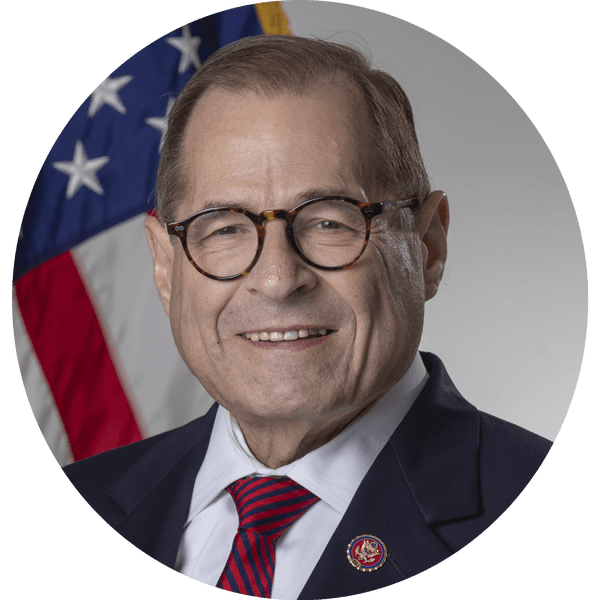
Jerrold Nadler
Democrat · NY
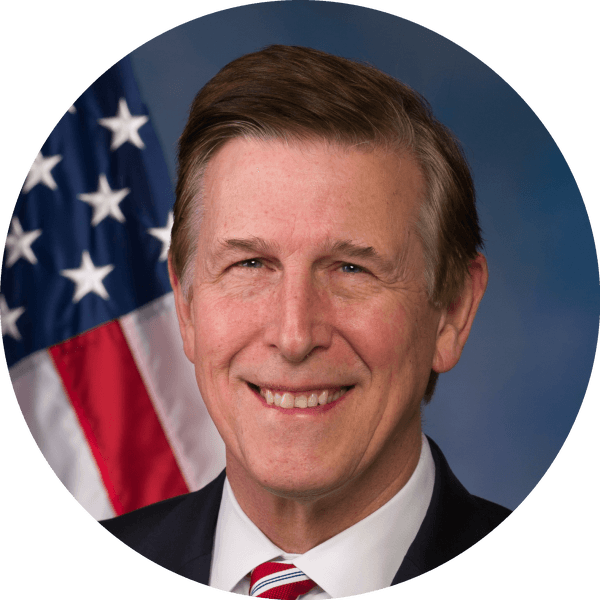
Donald Beyer
Democrat · VA

Rashida Tlaib
Democrat · MI

Ilhan Omar
Democrat · MN
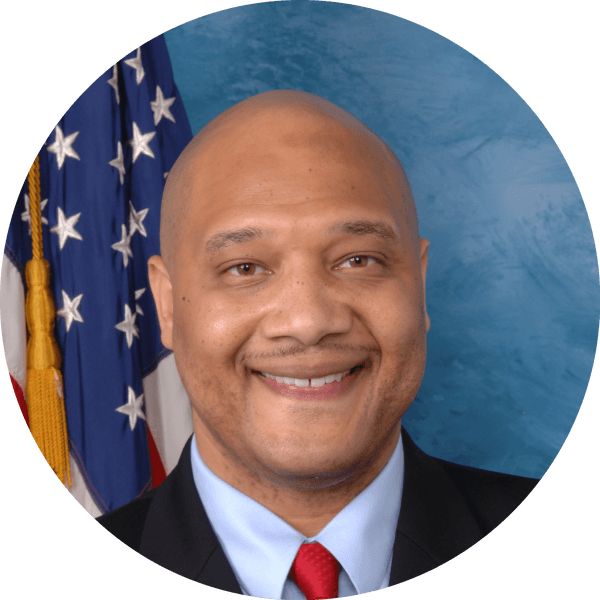
André Carson
Democrat · IN

Mary Scanlon
Democrat · PA

Raúl Grijalva
Democrat · AZ

Henry Johnson
Democrat · GA

Janice Schakowsky
Democrat · IL
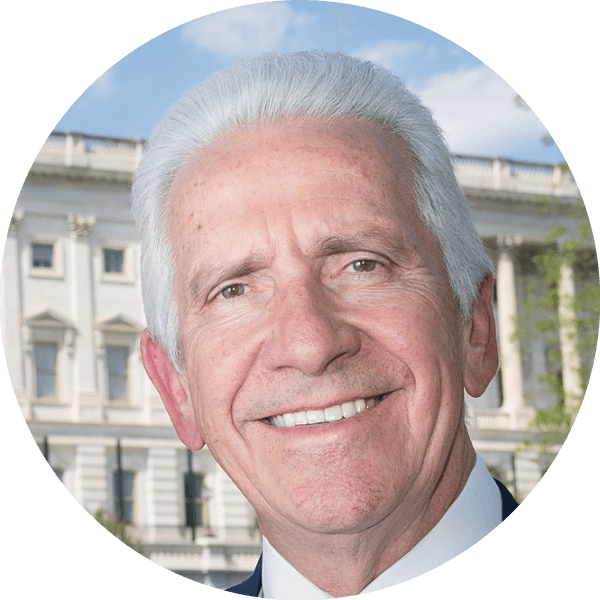
Jim Costa
Democrat · CA

Pramila Jayapal
Democrat · WA

Eleanor Norton
Democrat · DC
Cosponsor Coverage Map
Committee Sponsors
Homeland Security Committee
9 of 33 committee members cosponsored


Intelligence (Permanent Select) Committee
7 of 27 committee members cosponsored


Foreign Affairs Committee
13 of 53 committee members cosponsored


Judiciary Committee
15 of 44 committee members cosponsored


23 Democrats across these committees haven't cosponsored yet. Mobilize their constituents
What laws does H.R. 924 change?
1 changes
Sections Amended
Section 212(f) of Immigration and Nationality Act (8 U.S.C. 1182(f))
read as follows: ``(f) Authority To Suspend or Restrict the Entry of a Class of Aliens
H.R. 924 Quick Facts
- Committee
- Homeland Security
- Chamber
- House
- Policy
- Immigration
- Introduced
- Feb 4, 2025
Assigned to Subcommittee on Border Security and Enforcement. for review
Feb 4, 2025
Official Sources
Official bill page with text, status, cosponsors, and committee actions.
The Immigration and Nationality Act provision that H.R. 924 rewrites — current open-ended presidential authority to suspend entry.
The nondiscrimination provision that the bill expands to add religion and to cover nonimmigrant visas and other immigration benefits.
The original January 2017 travel ban referenced in the bill's mandatory backwards-looking report.
The September 2017 proclamation upheld in Trump v. Hawaii — the central travel ban this bill responds to.
The January 2020 expansion adding several African and Asian countries to the ban list.
Official State Department page documenting the 2021 rescission and visa processing rules afterward — relevant to the country-by-country report H.R. 924 would require.
The 2021 proclamation that revoked the Trump-era travel bans, providing the legal context for H.R. 924's codification effort.
H.R. 924 Common Questions
Can a president still impose a travel ban if H.R. 924 passes?
Yes, but the bill adds new conditions. The Secretary of State, working with Homeland Security, would have to identify specific and credible facts showing a real threat to security, public safety, human rights, democracy, or international stability before any restriction takes effect.
What standard would a new travel ban have to meet?
Four conditions: a compelling government interest, narrowly tailored restrictions, the least restrictive means, and a stated end date. The administration would also have to consider waivers for affected people on a case-by-case basis.
Does H.R. 924 add religion to immigration anti-discrimination rules?
Yes. Religion would join nationality, place of birth, and sex as a protected category. The rule would also extend to nonimmigrant visas, entry decisions, and other immigration benefits — not just immigrant visas as in current law.
What happens if a president doesn't brief Congress within 48 hours?
The travel ban terminates automatically unless Congress steps in. Within those 48 hours, the State Department and Homeland Security must brief lawmakers and submit a written report covering scope, legal authority, and the number of people affected.
Can people sue over a violation of the NO BAN Act?
Yes. Anyone in the U.S. harmed by a violation could sue in federal district court for declaratory or injunctive relief. The bill expressly allows those cases to proceed as class actions.
Would family and humanitarian waivers be easier to get?
Under H.R. 924, the government must consider waivers to any class-based travel restriction and start with a rebuttable presumption that family-based and humanitarian waivers will be granted. The burden shifts to the government to deny.
Does the NO BAN Act require ongoing public reports about a travel ban?
Yes. After a ban takes effect, the State Department and Homeland Security must publish unclassified 30-day reports in the Federal Register with country-by-country data on visas, approvals, denials, and waivers. Missing a report ends the restriction.
Would H.R. 924 require a report on the Trump-era travel bans?
Yes. Within 90 days of enactment, the State Department would have to report on Presidential Proclamations 9645, 9822, and 9983 and Executive Orders 13769, 13780, and 13815 — including visa applications, approvals, denials, and waivers under each.
Based on H.R. 924 bill text
H.R. 924 Bill Text
“To transfer and limit Executive Branch authority to suspend or restrict the entry of a class of aliens.”
Source: U.S. Government Publishing Office
Get notified when H.R. 924 moves
Committee votes, floor action, cosponsor changes — straight to your inbox.
Bill alerts + Legisletter's monthly briefing. Unsubscribe anytime.
Immigration Bills
9 related bills we're tracking
American Dream and Promise Act of 2025



Sponsor introductory remarks on measure. (CR H884)
Feb 27, 2025
Protecting Sensitive Locations Act


Referred to the House Committee on the Judiciary.
Feb 6, 2025
Born in the USA Act of 2025


Referred to the House Committee on the Judiciary.
May 13, 2025
Dignity for Detained Immigrants Act




Referred to the Subcommittee on Oversight, Investigations, and Accountability.
Dec 4, 2025
No Secret Police Act of 2025



Referred to the Subcommittee on Border Security and Enforcement.
Jun 27, 2025
Stop Excessive Force in Immigration Act of 2025

Referred to the House Committee on the Judiciary.
Nov 7, 2025
REMAIN in Mexico Act of 2025



Referred to the House Committee on the Judiciary.
Jan 9, 2025
Humanitarian Standards for Individuals in ICE and CBP Custody Act



Sponsor introductory remarks on measure. (CR H2018)
Feb 4, 2026
Birthright Citizenship Act of 2025




Referred to the House Committee on the Judiciary.
Jan 21, 2025
Trending Right Now
Bills gaining momentum across Congress
America’s Olympic and Paralympic Games Commemorative Coins Act




Referred to the House Committee on Financial Services.
Jul 14, 2025
Fit to Serve Act



Referred to the House Committee on Armed Services.
May 21, 2025
ASAP Act



Ordered to be Reported in the Nature of a Substitute by the Yeas and Nays: 40 - 0.
Sep 16, 2026
Tracking Immigration in Congress? Monitor bills, track cosponsor momentum, and launch advocacy campaigns — all from one advocacy platform.