H.R. 7335: Humanitarian Standards for Individuals in ICE and CBP Custody Act
Sponsor

Raul Ruiz
Democrat · CA-25
Hard deadlines for medical care in ICE and CBP custody
Why it matters
Right now, how fast a doctor sees you in ICE or CBP custody, whether you keep your medication, even how warm the room is can vary by facility. H.R. 7335 would replace that discretion with hard federal numbers: a medical screening within 12 hours of arrival, 6 hours if you're pregnant, a child, elderly, or sick; at least 1 gallon of drinking water and 2,000 calories a day; rooms held between 68 and 74 degrees; and unannounced inspections to check it's actually happening. It has 88 Democratic cosponsors and sits in the House Judiciary and Homeland Security Committees.
The heart of H.R. 7335 is a clock. Every person taken into ICE or CBP custody would have to get an in-person screening by a licensed medical professional within 12 hours of arriving. If you're pregnant, a child, elderly, visibly ill, or you tell them you have a condition that needs prompt attention, that window shrinks to 6 hours.
The screening isn't a glance. It would cover vital signs — pulse, temperature, blood pressure, oxygen, breathing — plus a blood-sugar check for known or suspected diabetics, a weight check for kids under 12, a physical exam, and a written care plan when one is needed. If your numbers come back badly off, you'd get a consultation with an emergency care professional and a re-check within 24 hours. The bill also says you can't be denied necessary medication, and staff have to review whatever prescriptions you brought with you.
Daily basics get hard floors too. At least 1 gallon of drinking water per person per day. Three meals, with at least 2,000 calories for anyone 12 or older and age-appropriate nutrition for younger children. Daily showers, soap, a toothbrush and toothpaste, adult diapers, menstrual products, and set ratios for toilet access.
Shelter gets numbers as well: rooms kept between 68 and 74 degrees, sleep-friendly light and noise from 10 p.m. to 6 a.m., and at least an hour outdoors every 24 hours for anyone held longer than 48 hours. Children who arrive with a relative or guardian generally stay with them unless there's a safety concern; unaccompanied minors must be housed away from adults in age-appropriate settings.
Then there's the watching. DHS would have 60 days to send Congress an implementation plan and 6 months to comply. The DHS inspector general would run unannounced inspections, members of Congress couldn't be turned away at the door, video would be kept for 90 days, and ICE and CBP would have to publish quarterly totals of sexual-abuse complaints.
One line in the bill matters as much as the standards: nothing in it authorizes holding anyone beyond 72 hours. It sets a floor for conditions in custody — it does not hand the agencies a new power to detain people longer.
Bill Progress
Latest Action · Feb 4, 2026
Sponsor introductory remarks on measure. (CR H2018)
H.R. 7335 Bill Summary
What H.R. 7335 actually does.
A doctor sees you within hours, not whenever
Requires an in-person health screening by a licensed medical professional within 12 hours of arrival, dropping to 6 hours for people who report an urgent need or are pregnant, children, elderly, or showing acute illness.
You keep the medication you came in with
Medical staff must review prescriptions a detainee carries or that were confiscated, and the bill says a person in custody may not be denied necessary and appropriate medication for managing an illness.
Water, food, and calories become non-negotiable floors
Sets a minimum of at least 1 gallon of drinking water per person per day, three meals daily, and at least 2,000 calories for detainees 12 and older, with age- and weight-appropriate nutrition for younger children.
Shelter conditions get put on a thermometer and a clock
Requires temperatures between 68 and 74 degrees, sleep-friendly lighting and noise from 10 p.m. to 6 a.m., daily showers and hygiene supplies, toilet ratios, and at least 1 hour outdoors every 24 hours for people held more than 48 hours.
Kids stay with family; unaccompanied minors stay away from adults
Children arriving with an adult relative or legal guardian generally stay with them unless there's a safety concern, and unaccompanied minors must be housed separately from adults in age-appropriate facilities.
Inspectors and Congress get inside, unannounced
Requires a DHS implementation plan within 60 days, full compliance within 6 months, unannounced inspector general inspections, quarterly publication of aggregate sexual-abuse complaint data, and access for members of Congress to ICE and CBP facilities.
Who benefits from H.R. 7335?
People who arrive sick, pregnant, elderly, or with a child
Instead of an open-ended wait, the bill puts you in the 6-hour screening group — a licensed medical professional has to see you within 6 hours of arrival, not whenever staffing allows.
Children and families in immigration custody
Kids get added health checks, age-appropriate calories, a chaperone or relative present during exams, and placement rules built to keep them with accompanying family unless there's a safety concern.
People who depend on daily medication
If you manage diabetes, a heart condition, or another chronic illness, the bill bars denial of necessary medication, requires review of what you carried in, and triggers follow-up care within 24 hours for high-risk cases.
Oversight bodies and the public
Unannounced inspections, guaranteed congressional access, 90-day video retention, and quarterly sexual-abuse complaint data would make conditions inside ICE and CBP facilities far easier to track.
Who is affected by H.R. 7335?
ICE, CBP, and detention contractors
They would have to meet fixed standards on medical staffing, food, water, hygiene supplies, sleep conditions, outdoor access, video retention, and recordkeeping across every covered facility.
Medical and emergency staff serving detention sites
Licensed professionals would need to run screenings on the clock, review medication, document care, arrange interpreters, and clear detainees as safe to travel before any transfer.
DHS leadership
The department would owe Congress an implementation plan within 60 days, full compliance within 6 months, support for unannounced inspections, and new quarterly public reporting.
People held longer than 48 hours
They would see the biggest day-to-day changes: guaranteed outdoor time, overnight sleep protections, set temperature ranges, and defined access to showers and toilets.
HR7335 Legislative Journey
House: Committee Action
Feb 4, 2026
Referred to the Subcommittee on Oversight, Investigations, and Accountability.
House: Committee Action
Feb 3, 2026
Referred to the Committee on the Judiciary, and in addition to the Committee on Homeland Security, for a period to be subsequently determined by the Speaker, in each case for consideration of such provisions as fall within the jurisdiction of the committee concerned.
About the Sponsor
Raul Ruiz
Democrat, California's 25th congressional district · 13 years in Congress
Committees: Energy and Commerce
View full profile →
Cosponsors (99)
All 99 cosponsors are Democrats. Cosponsors represent 31 states: Arizona, California, Colorado, and 28 more.

Frederica Wilson
Democrat · FL
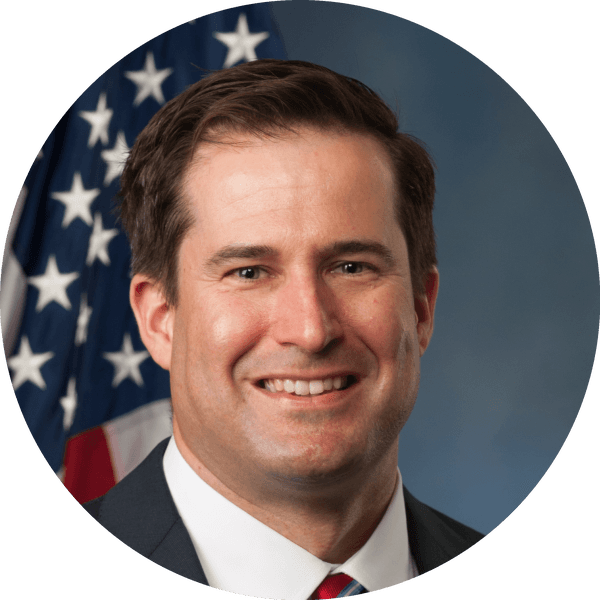
Seth Moulton
Democrat · MA

Sarah Elfreth
Democrat · MD

Doris Matsui
Democrat · CA

Eleanor Norton
Democrat · DC

Nanette Barragán
Democrat · CA

Lateefah Simon
Democrat · CA
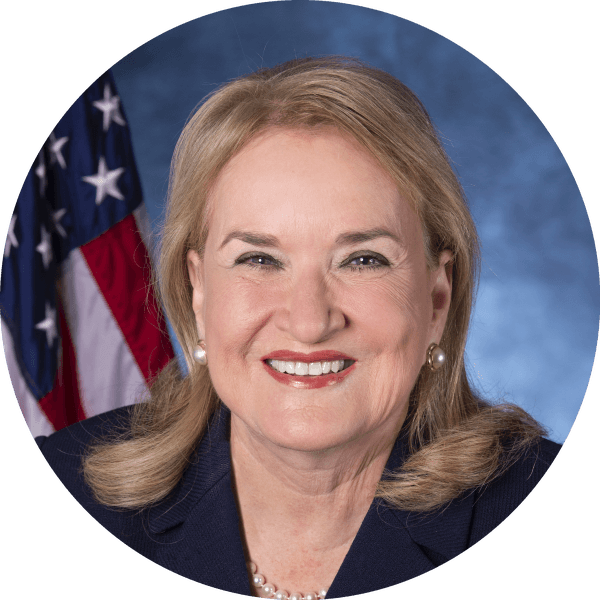
Sylvia Garcia
Democrat · TX

Bonnie Watson Coleman
Democrat · NJ

John Garamendi
Democrat · CA

Yassamin Ansari
Democrat · AZ

Kelly Morrison
Democrat · MN
Committee Sponsors
Homeland Security Committee
6 of 33 committee members cosponsored


Judiciary Committee
11 of 44 committee members cosponsored


17 Democrats across these committees haven't cosponsored yet. Mobilize their constituents
H.R. 7335 Quick Facts
- Committee
- Homeland Security
- Chamber
- House
- Policy
- Immigration
- Introduced
- Feb 3, 2026
Sponsor introductory remarks on measure. (CR H2018)
Feb 4, 2026
Official Sources
Official bill page with full text, actions, sponsors, and committee status for the Humanitarian Standards for Individuals in ICE and CBP Custody Act.
ICE's detention standards are the current federal baseline for medical care, food, and conditions that H.R. 7335 would replace with enforceable timelines and minimum-care floors.
Section 11 assigns unannounced inspections of ICE and CBP facilities to the DHS Inspector General; this is the OIG's immigration oversight and reports hub.
TEDS is CBP's current policy on hold-room temperature, water, food, and care of children in custody — the discretionary baseline H.R. 7335 would convert into statutory minimums.
Sections 11 and 13 tie compliance to this DHS regulation (the Prison Rape Elimination Act confinement standards) that the bill is explicitly written not to contradict.
Section 14 requires DHS to coordinate with the Office for Civil Rights and Civil Liberties to publish quarterly aggregate data on sexual-abuse complaints at ICE and CBP facilities.
Section 12 orders a GAO study of ICE and CBP detention compliance; this recent GAO report on DHS detention facility inspection programs is the closest official precedent.
H.R. 7335 Common Questions
How fast would a doctor have to see someone in ICE or CBP custody?
Within 12 hours of arrival. If you're pregnant, a child, elderly, visibly ill, or you flag an urgent condition, H.R. 7335 cuts that to 6 hours — and the screening has to be in person, by a licensed medical professional.
What happens if someone in custody is seriously sick or injured?
If the screening shows vital signs well outside normal range or flags you as high-risk, H.R. 7335 requires a consultation with an emergency care professional, a re-check within 24 hours, and a vitals clearance before you can be moved to another facility.
Can ICE or CBP take away someone's medication?
Not the medication they need. H.R. 7335 says a detainee can't be denied necessary and appropriate medication, and medical staff have to review whatever prescriptions you arrive with to decide how you keep access to them.
Does H.R. 7335 require ICE and CBP to provide water and food?
Yes, and it puts numbers on it: at least 1 gallon of drinking water per person per day, three meals daily, and at least 2,000 calories for anyone 12 or older, with age-appropriate nutrition for younger kids.
Would the bill set temperature and sleep rules in detention?
Yes. Indoor spaces would have to stay between 68 and 74 degrees Fahrenheit, and from 10 p.m. to 6 a.m. lighting and noise have to be safe for sleeping. People held over 48 hours also get at least an hour outdoors every 24 hours.
Does H.R. 7335 keep kids with their families?
Generally, yes. A child arriving with an adult relative or legal guardian stays with them unless there's a safety concern. Unaccompanied minors have to be housed in age-appropriate facilities, never with adults.
Does this bill let ICE or CBP hold people longer?
No. H.R. 7335 explicitly says nothing in it authorizes detention beyond 72 hours. It sets minimum conditions for the time someone is in custody — it does not create any new power to hold them longer.
How would anyone know if facilities actually follow these rules?
The DHS inspector general would run unannounced inspections, members of Congress couldn't be denied entry, video would be kept 90 days, and DHS would have to publish quarterly data on sexual-abuse complaints. A GAO study is also required within a year.
Based on H.R. 7335 bill text
H.R. 7335 Bill Text
“To require U.S. Immigration and Customs Enforcement and U.S. Customs and Border Protection to perform an initial health screening on detainees, and for other purposes.”
Source: U.S. Government Publishing Office
Get notified when H.R. 7335 moves
Committee votes, floor action, cosponsor changes — straight to your inbox.
Bill alerts + Legisletter's monthly briefing. Unsubscribe anytime.
Immigration Bills
9 related bills we're tracking
American Dream and Promise Act of 2025




Sponsor introductory remarks on measure. (CR H884)
Feb 27, 2025
Protecting Sensitive Locations Act





Referred to the House Committee on the Judiciary.
Feb 6, 2025
Born in the USA Act of 2025



Referred to the House Committee on the Judiciary.
May 13, 2025
Dignity for Detained Immigrants Act




Referred to the Subcommittee on Oversight, Investigations, and Accountability.
Dec 4, 2025
No Secret Police Act of 2025




Referred to the Subcommittee on Border Security and Enforcement.
Jun 27, 2025
NO BAN Act




Referred to the Subcommittee on Border Security and Enforcement.
Feb 4, 2025
Stop Excessive Force in Immigration Act of 2025


Referred to the House Committee on the Judiciary.
Nov 7, 2025
REMAIN in Mexico Act of 2025





Referred to the House Committee on the Judiciary.
Jan 9, 2025
Birthright Citizenship Act of 2025





Referred to the House Committee on the Judiciary.
Jan 21, 2025
Trending Right Now
Bills gaining momentum across Congress
North Platte Canteen Congressional Gold Medal Act



Referred to the House Committee on Financial Services.
Feb 21, 2025
America’s Olympic and Paralympic Games Commemorative Coins Act





Referred to the House Committee on Financial Services.
Jul 14, 2025
Fit to Serve Act




Referred to the House Committee on Armed Services.
May 21, 2025
Tracking Immigration in Congress? Monitor bills, track cosponsor momentum, and launch advocacy campaigns — all from one advocacy platform.