H.R. 2729: Carnivals are Real Entertainment Act
Sponsor

Zoe Lofgren
Democrat · CA-18
The traveling carnival gets its own visa lane
Why it matters
Every traveling carnival, circus, and fair concession stand in the country runs on seasonal crews that currently compete for H-2B visas — the general-purpose program Congress caps at 66,000 a year, shared with landscapers, hotels, and seafood plants. H.R. 2729 carves out a separate visa category just for mobile entertainment workers and puts Homeland Security and Labor on a clock: proposed rules within 180 days of enactment, final rules within a year. It has 40 bipartisan cosponsors and is sitting in the House Judiciary Committee.
H.R. 2729, the Carnivals are Real Entertainment Act, creates a new temporary visa category aimed squarely at one workforce: the people who move with traveling carnivals and circuses. Today these workers generally come in through the H-2B program, the general-purpose seasonal visa that carnival operators share with landscapers, hotels, and food processors. This bill builds them a dedicated lane instead.
The bill draws the boundaries tightly. It covers carnivals and circuses that travel the country on a seasonal or temporary basis, plus the affiliated operators that travel with them — the food stands, game booths, and concessions that show up at state and county fairs, local festivals, and nonprofit fundraising events. Permanent amusement parks and general event staffing are not what this is about.
It also spells out the work in concrete terms. The covered jobs run the full setup-to-teardown cycle: hauling, assembling, operating, taking apart, and maintaining the rides, games, novelties, and food and beverage concessions, plus the other tasks the industry needs to run safely.
Rather than invent a new compliance system, the bill plugs the new category into the rules that already govern H-2B employers through the Department of Labor. And it puts the government on a deadline: Homeland Security and Labor must each publish proposed rules within 180 days of the bill becoming law, and finalize them within a year. The text doesn't say how the new category interacts with the H-2B program's annual cap — that's left to the agencies.
Bill Progress
Latest Action · Apr 8, 2025
Referred to the House Committee on the Judiciary.
H.R. 2729 Bill Summary
What H.R. 2729 actually does.
Traveling carnivals get a visa category of their own
The bill creates a new temporary nonimmigrant status for people coming to the U.S. solely to do work that's essential to a traveling carnival or circus — a dedicated lane separate from the general seasonal-worker visa most of these employers use now.
Covers the whole traveling fair, not just the rides
A "mobile entertainment provider" is defined to include carnivals and circuses that travel seasonally, plus the affiliated food stands and game concessions that travel with them to state, county, and local fairs, festivals, and nonprofit fundraising events.
Defines the job from load-in to teardown
The covered work is spelled out concretely: transporting, assembling, operating, disassembling, and maintaining the rides, games, novelties, and food and beverage concessions, plus the other tasks the industry needs to run safely and efficiently.
Runs on the existing H-2B rulebook
Instead of building a new compliance system, the bill subjects these employers to the same labor-program requirements the Department of Labor already applies to H-2B seasonal employers.
Puts the agencies on a 180-day clock
Homeland Security and Labor must each publish proposed rules in the Federal Register no later than 180 days after the bill becomes law.
Final rules due within a year
Both agencies must publish final rules no later than one year after enactment, setting an outer deadline for the new system to be fully in place.
Who benefits from H.R. 2729?
Foreign seasonal carnival and circus crews
The workers who travel route to route setting up and running rides, games, and concessions. Today they generally enter on H-2B visas; the bill gives them a category defined around exactly the work they do.
Carnival and circus operators
Companies that move across the country on a seasonal schedule and have had to fit a general-purpose seasonal visa to a business that's constantly on the road. They'd get a pathway written for their model.
Food and game concessionaires
The independent funnel-cake, ring-toss, and midway-game operators that follow the fair circuit. The bill names them explicitly so they aren't left out of the carnival's workforce solution.
State and county fairs, festivals, and nonprofit fundraisers
The events that depend on a fully staffed traveling midway showing up — including the nonprofit fundraising events the bill specifically names.
Who is affected by H.R. 2729?
Carnival and circus employers
They'd be directly regulated under the same labor-program requirements as H-2B employers, meaning the recruitment, wage, and compliance obligations of that framework would apply to this new category too.
Department of Homeland Security
DHS would have to stand up and administer the new visa category and publish proposed rules within 180 days and final rules within a year, on top of its existing immigration workload.
Department of Labor
Labor would have to issue its own proposed and final rules on the same clock and extend the H-2B compliance machinery to a workforce that's constantly moving between states.
Other H-2B employers
Industries that share the H-2B program — landscaping, hospitality, seafood — could see traveling entertainment treated as a distinct category. Whether that eases or simply reshuffles competition for capped visas depends on how the rules handle the cap.
HR2729 Legislative Journey
House: Committee Action
Apr 8, 2025
Referred to the House Committee on the Judiciary.
About the Sponsor
Zoe Lofgren
Democrat, California's 18th congressional district · 31 years in Congress
Committees: Science, Space, and Technology, the Judiciary
View full profile →
Cosponsors (46)
This bill has 46 cosponsors: 17 Democrats, 29 Republicans, reflecting bipartisan support. Cosponsors represent 19 states: Arizona, California, Florida, and 16 more.

Maria Salazar
Republican · FL
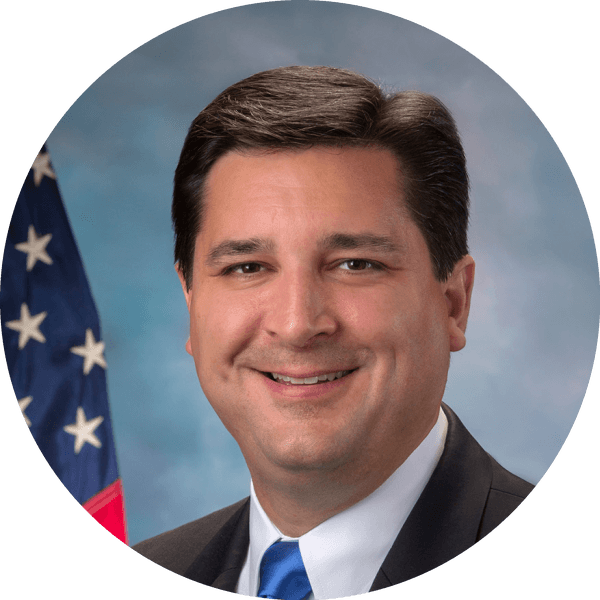
David Rouzer
Republican · NC

Pete Stauber
Republican · MN
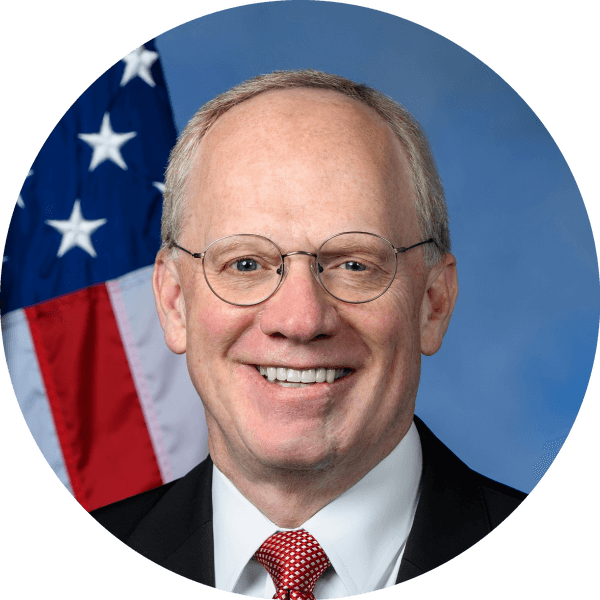
John Rose
Republican · TN
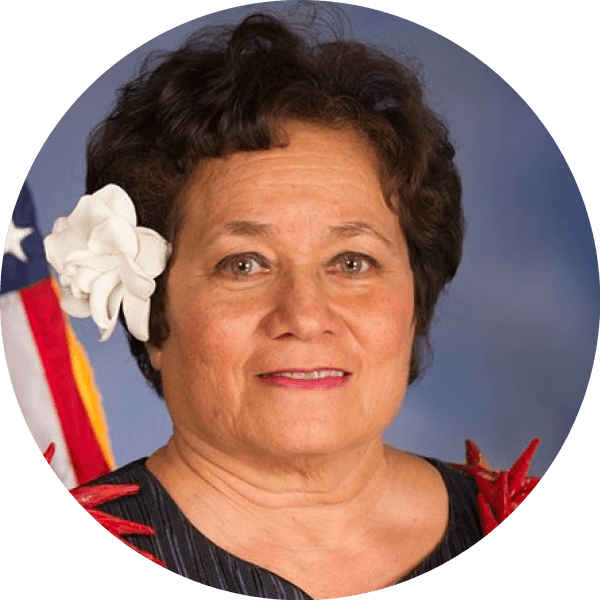
Aumua Amata Radewagen
Republican · AS

Scott Peters
Democrat · CA

Bill Huizenga
Republican · MI

Zachary Nunn
Republican · IA

Ann Wagner
Republican · MO

Angie Craig
Democrat · MN
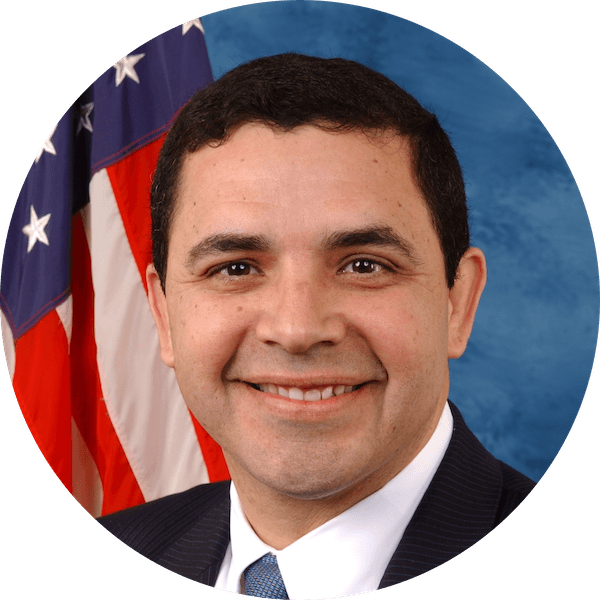
Henry Cuellar
Democrat · TX

Chuck Edwards
Republican · NC
Committee Sponsors

18 Democrats across this committee haven't cosponsored yet. Mobilize their constituents
What laws does H.R. 2729 change?
1 changes
Sections Amended
Section 214(c) of Immigration and Nationality Act (8 U.S.C. 1184(c)(4))
adding at the end the following: ``(I) The following shall apply to the admission of any alien under section 101(a)(15)(P)(iv): ``(i) The mobile entertainment provider shall be subject to the same program requirements that govern the admission of non- immigrants pursuant to section 101(a)(15)(H)(ii)(b) of the Immigration and Nationality Act (8 U
H.R. 2729 Quick Facts
- Committee
- Judiciary
- Chamber
- House
- Policy
- Immigration
- Introduced
- Apr 8, 2025
Referred to the House Committee on the Judiciary.
Apr 8, 2025
Official Sources
Official bill page with full text, sponsors, cosponsors, and committee status for the Carnivals are Real Entertainment Act.
The bill amends the nonimmigrant classifications in section 101(a)(15)(P) of this statute to add a new clause (iv) for mobile entertainment workers.
The bill amends section 214(c)(4) of this statute to set the program requirements and define the covered work for the new carnival visa category.
The bill ties the new carnival category to the same H-2B program requirements these workers generally enter the country under today.
The bill subjects mobile entertainment employers to the existing Department of Labor H-2B labor program requirements rather than creating a new compliance system.
The bill text explicitly names 20 C.F.R. Part 655 as the regulatory framework that would govern admission under the new category.
The bill requires Homeland Security and Labor to publish proposed rules within 180 days and final rules within a year in the Federal Register.
H.R. 2729 Common Questions
What does H.R. 2729 do?
It creates a new temporary visa category just for people who work for traveling carnivals and circuses — the crews that set up, run, and tear down rides, games, and concessions. Right now those workers mostly enter on general H-2B seasonal visas; this builds them a dedicated lane.
Which workers and businesses would the carnival visa cover?
Carnivals and circuses that travel the country seasonally, plus the food stands and game concessions that travel with them to state and county fairs, local festivals, and nonprofit fundraisers. Permanent amusement parks and general event staffing aren't included.
How is this different from the H-2B visa carnivals use now?
H-2B is a general-purpose seasonal visa shared across landscaping, hospitality, seafood, and more. H.R. 2729 carves out a separate category defined specifically around mobile entertainment work, while still applying the same Department of Labor program rules H-2B employers follow.
Would carnival workers still count against the H-2B annual cap?
The bill doesn't say. It puts these workers in a new visa category but ties them to H-2B program rules, and leaves the cap question to the agencies. Whether the new lane sidesteps the H-2B annual limit is the biggest open question — and it's left to the rulemaking.
When would the new carnival visa be available?
Not immediately. The bill gives Homeland Security and Labor 180 days after it becomes law to publish proposed rules, and up to one year to finalize them. The category exists on paper at enactment, but it can't operate until those rules are done.
Does H.R. 2729 have bipartisan support?
Yes. It's led by Zoe Lofgren, a California Democrat, and has 40 cosponsors from both parties, including Republicans like Florida's Maria Salazar. It was referred to the House Judiciary Committee in April 2025 and hasn't advanced yet.
Would these workers get the same labor protections as other seasonal workers?
The bill subjects carnival employers to the same Department of Labor program requirements that govern H-2B seasonal employers — the existing recruitment, wage, and compliance framework. It doesn't write new protections; it points the new category at the current rulebook.
Based on H.R. 2729 bill text
H.R. 2729 Bill Text
“To amend the Immigration and Nationality Act to provide nonimmigrant status to mobile entertainment workers, and for other purposes.”
Source: U.S. Government Publishing Office
Get notified when H.R. 2729 moves
Committee votes, floor action, cosponsor changes — straight to your inbox.
Bill alerts + Legisletter's monthly briefing. Unsubscribe anytime.
Immigration Bills
9 related bills we're tracking
American Dream and Promise Act of 2025

Sponsor introductory remarks on measure. (CR H884)
Feb 27, 2025
Protecting Sensitive Locations Act


Referred to the House Committee on the Judiciary.
Feb 6, 2025
Born in the USA Act of 2025


Referred to the House Committee on the Judiciary.
May 13, 2025
Dignity for Detained Immigrants Act





Referred to the Subcommittee on Oversight, Investigations, and Accountability.
Dec 4, 2025
No Secret Police Act of 2025



Referred to the Subcommittee on Border Security and Enforcement.
Jun 27, 2025
NO BAN Act



Referred to the Subcommittee on Border Security and Enforcement.
Feb 4, 2025
Stop Excessive Force in Immigration Act of 2025

Referred to the House Committee on the Judiciary.
Nov 7, 2025
REMAIN in Mexico Act of 2025




Referred to the House Committee on the Judiciary.
Jan 9, 2025
Humanitarian Standards for Individuals in ICE and CBP Custody Act




Sponsor introductory remarks on measure. (CR H2018)
Feb 4, 2026
Trending Right Now
Bills gaining momentum across Congress
America’s Olympic and Paralympic Games Commemorative Coins Act




Referred to the House Committee on Financial Services.
Jul 14, 2025
Fit to Serve Act




Referred to the House Committee on Armed Services.
May 21, 2025
ASAP Act



Ordered to be Reported in the Nature of a Substitute by the Yeas and Nays: 40 - 0.
Sep 16, 2026
Tracking Immigration in Congress? Monitor bills, track cosponsor momentum, and launch advocacy campaigns — all from one advocacy platform.