H.R. 3310: Venezuela TPS Act of 2025
Sponsor
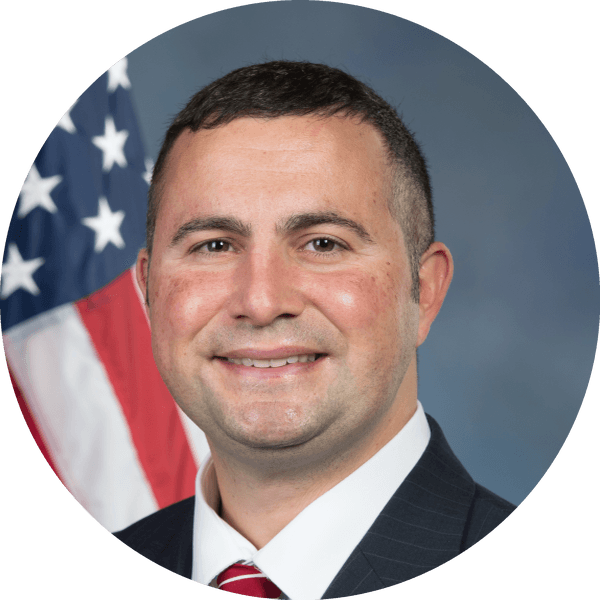
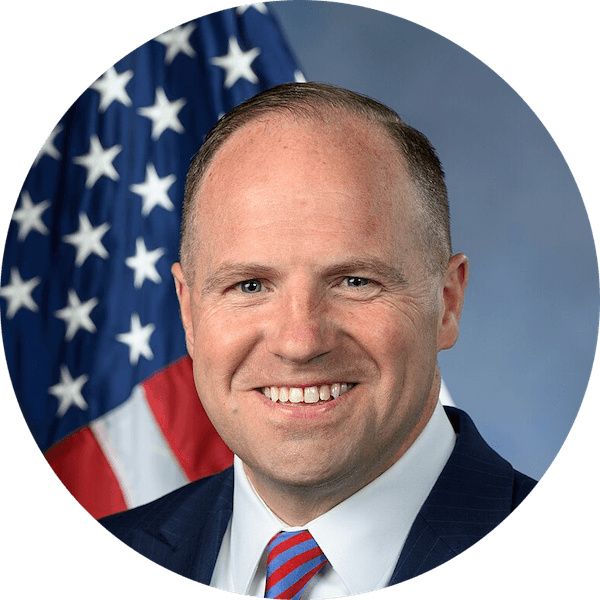
Darren Soto
Democrat · FL-9
Congress wants Venezuelan TPS written into law
Why it matters
H.R. 3310 would designate Venezuela for Temporary Protected Status directly in federal law — an 18-month shield from deportation for Venezuelans already in the country. Executive TPS designations can be issued by one administration and revoked by the next; this one would come from Congress. The catch: you'd have to prove you were physically present in the U.S. on the day the bill becomes law. Eight House members, including one Republican, have signed on.
H.R. 3310, the Venezuela TPS Act of 2025, does one thing: it tells immigration law to treat Venezuela as a country designated for Temporary Protected Status. TPS lets people from a designated country live and work in the U.S. without being deported while conditions back home remain dangerous.
What makes this version different is who's doing the designating. Today, TPS for Venezuela comes from the executive branch, which means it can be added, extended, or terminated by whoever runs the Department of Homeland Security. This bill would write an 18-month designation into federal law instead.
The clock matters. The 18 months start on the day the bill is signed, and to qualify you must have been continuously physically present in the U.S. since that exact date. Venezuelans who arrive even a day later wouldn't be covered by this designation.
The screening is the standard TPS process. You'd have to be admissible as an immigrant (with the usual TPS exceptions), clear the disqualification rules that already apply to TPS, and register the way DHS sets out. There's a $360 application fee, but DHS would have to let you apply for a waiver if you can't afford it.
Travel is tightly limited. You could only leave the country and return if DHS approves it in advance, and only for a brief emergency trip you can document. The bill doesn't create a green card or any path to permanent status — it's an 18-month reprieve, not a finish line.
Bill Progress
Latest Action · May 8, 2025
Referred to the Judiciary, and in addition to the Committee on the Budget, for a period to be subsequently determined by the Speaker, in each case for consideration of such provisions as fall within the jurisdiction of the committee concerned. for review
H.R. 3310 Bill Summary
What H.R. 3310 actually does.
An 18-month shield from deportation for Venezuelans
The bill treats Venezuela as designated for Temporary Protected Status, letting eligible Venezuelans live and work in the U.S. without being removed for 18 months starting on the date the bill becomes law.
You must already be here on the day it's signed
To qualify, you must be a Venezuelan national who has been continuously physically present in the United States since the date of enactment. Anyone arriving after that date isn't covered.
Designation written into statute, not left to the executive
Rather than relying on an executive TPS designation that can be revoked, the bill places the 18-month designation directly in federal law.
Standard TPS screening still applies
Applicants must be admissible as immigrants, apart from the exceptions already built into TPS, must not fall under the existing TPS disqualifications, and must register in the manner DHS establishes.
Travel allowed only for documented emergencies
DHS would grant permission to travel abroad and return only when an applicant shows that an emergency and extenuating circumstances beyond their control require a brief, temporary trip.
$360 fee, with a required waiver option
DHS could charge $360 per application from people eligible only because of this bill, but it must also let applicants request a waiver of the fees tied to their application.
Who benefits from H.R. 3310?
Venezuelans already living in the U.S.
If you're a Venezuelan national who was physically present in the country when the bill becomes law, you could apply to stay and work legally for 18 months without fear of removal.
Venezuelans who can't afford the fee
The $360 application fee is real, but DHS would be required to let you apply for a waiver — so cost alone wouldn't shut anyone out.
Families facing emergencies back home
TPS holders could get advance permission to make a brief trip abroad and return, if they can document an emergency beyond their control.
Anyone who wants TPS that outlasts a change in administration
Because the designation would live in federal law rather than an executive order, it couldn't be revoked by a future DHS secretary during the 18-month window.
Who is affected by H.R. 3310?
Venezuelans who arrive after enactment
The continuous-presence rule is tied to the enactment date, so Venezuelans who come to the U.S. afterward wouldn't qualify under this designation.
Department of Homeland Security
DHS would have to stand up the registration process, collect the $360 fee, rule on waiver requests, and decide every request for emergency travel.
Applicants with disqualifying records
The bill keeps the existing TPS bars in place, so people who fail the standard admissibility or disqualification rules still wouldn't be eligible.
HR3310 Legislative Journey
House: Committee Action
May 8, 2025
Referred to the Committee on the Judiciary, and in addition to the Committee on the Budget, for a period to be subsequently determined by the Speaker, in each case for consideration of such provisions as fall within the jurisdiction of the committee concerned.
About the Sponsor
Darren Soto
Democrat, Florida's 9th congressional district · 9 years in Congress
Committees: Energy and Commerce, Natural Resources
View full profile →
Cosponsors (11)
This bill has 11 cosponsors: 10 Democrats, 1 Republican. Cosponsors represent 6 states: Florida, Illinois, Indiana, and 3 more.

Maria Salazar
Republican · FL

Debbie Wasserman Schultz
Democrat · FL

Frederica Wilson
Democrat · FL

Mary Gay Scanlon
Democrat · PA

Yvette Clarke
Democrat · NY
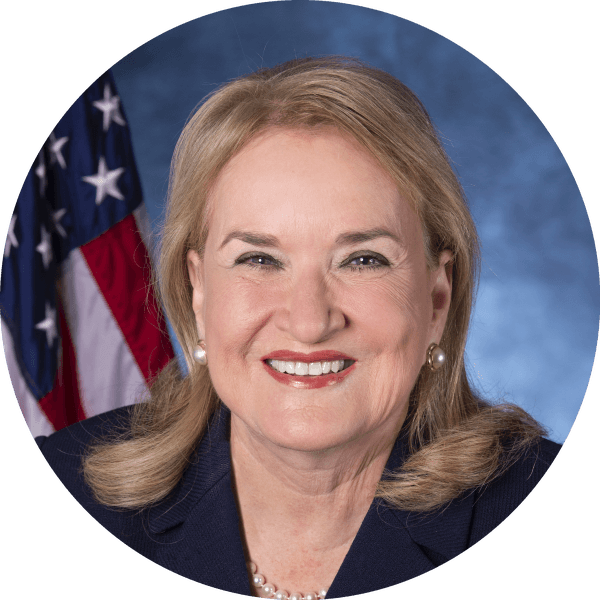
Sylvia Garcia
Democrat · TX

Pablo Hernández
Democrat · PR
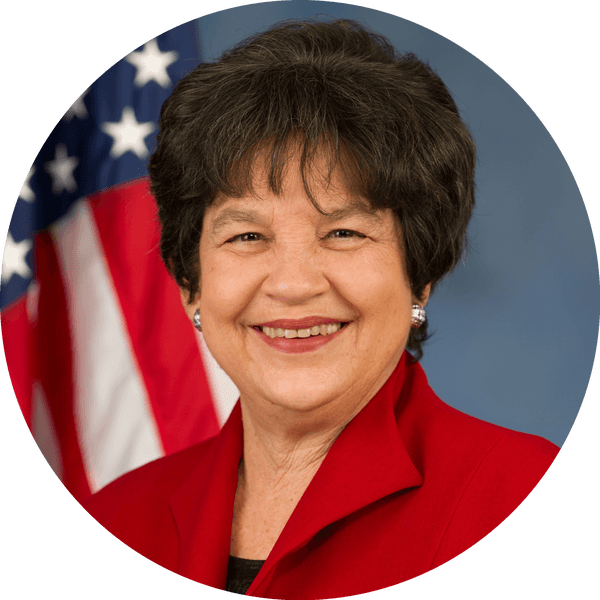
Lois Frankel
Democrat · FL

Jared Moskowitz
Democrat · FL

Janice Schakowsky
Democrat · IL

André Carson
Democrat · IN
Committee Sponsors
Budget Committee
0 of 37 committee members cosponsored
No committee members have cosponsored this bill
Judiciary Committee
2 of 44 committee members cosponsored


31 Democrats across these committees haven't cosponsored yet. Mobilize their constituents
H.R. 3310 Quick Facts
- Committee
- Budget
- Chamber
- House
- Policy
- Immigration
- Introduced
- May 8, 2025
Referred to the Judiciary, and in addition to the Committee on the Budget, for a period to be subsequently determined by the Speaker, in each case for consideration of such provisions as fall within the jurisdiction of the committee concerned. for review
May 8, 2025
Official Sources
Official Congress.gov page for the Venezuela TPS Act of 2025, with bill text, status, and legislative actions.
USCIS’s main TPS page explains eligibility, registration, and how TPS works under immigration law.
Official country-specific USCIS page for TPS related to Venezuela, directly relevant to questions about Venezuelan eligibility and TPS rules.
Official U.S. Code page for 8 U.S.C. 1254a, the Temporary Protected Status statute incorporated by the bill.
Official USCIS form page for applying for TPS, relevant to the bill’s registration requirement and application process.
Official USCIS fee waiver page, relevant because the bill requires DHS to permit fee-waiver applications.
Official USCIS page for travel document requests, relevant to the bill’s requirement for prior DHS consent for temporary travel abroad.
Official House Budget Committee site, relevant because the bill’s budget effects are tied to the chairman’s PAYGO statement before passage.
H.R. 3310 Common Questions
How long would Venezuela TPS last under H.R. 3310?
Eighteen months. The clock starts the day the bill becomes law, and the designation could be extended later under the normal TPS rules.
Who would be eligible for Venezuela TPS under H.R. 3310?
Venezuelan nationals who were already physically present in the U.S. when the bill becomes law, who clear the standard TPS admissibility and disqualification rules, and who register the way DHS requires.
Could Venezuelans who arrive after the bill becomes law qualify?
No. You'd have to prove you were continuously physically present in the U.S. since the exact date of enactment. Anyone arriving even a day later isn't covered by this designation.
How much is the Venezuela TPS application fee under H.R. 3310?
$360 per application, on top of any other fees already required by law, for people who qualify only because of this bill.
Can you get the application fee waived?
Yes. The bill requires DHS to let applicants apply for a waiver of the fees tied to their TPS application, so cost alone wouldn't disqualify anyone.
Could a Venezuela TPS holder travel abroad and come back?
Only with DHS approval in advance, and only for a brief emergency trip you can document. Without prior consent, leaving the country risks your status.
Does H.R. 3310 create a path to a green card?
No. It's an 18-month designation, not permanent status. TPS lets you stay and work temporarily, but it doesn't lead to a green card or citizenship on its own.
Does H.R. 3310 waive the normal TPS background checks?
No. Applicants still have to be admissible as immigrants and clear the same disqualification rules that already apply to TPS. The bill changes who's designated, not the screening.
Based on H.R. 3310 bill text
H.R. 3310 Bill Text
“To designate Venezuela under section 244 of the Immigration and Nationality Act to permit nationals of Venezuela to be eligible for temporary protected status under such section, and for other purposes.”
Source: U.S. Government Publishing Office
Get notified when H.R. 3310 moves
Committee votes, floor action, cosponsor changes — straight to your inbox.
Bill alerts + Legisletter's monthly briefing. Unsubscribe anytime.
Immigration Bills
9 related bills we're tracking
American Dream and Promise Act of 2025

Sponsor introductory remarks on measure. (CR H884)
Feb 27, 2025
Protecting Sensitive Locations Act


Referred to the House Committee on the Judiciary.
Feb 6, 2025
Born in the USA Act of 2025


Referred to the House Committee on the Judiciary.
May 13, 2025
Dignity for Detained Immigrants Act




Referred to the Subcommittee on Oversight, Investigations, and Accountability.
Dec 4, 2025
No Secret Police Act of 2025



Referred to the Subcommittee on Border Security and Enforcement.
Jun 27, 2025
NO BAN Act




Referred to the Subcommittee on Border Security and Enforcement.
Feb 4, 2025
Stop Excessive Force in Immigration Act of 2025


Referred to the House Committee on the Judiciary.
Nov 7, 2025
REMAIN in Mexico Act of 2025




Referred to the House Committee on the Judiciary.
Jan 9, 2025
Humanitarian Standards for Individuals in ICE and CBP Custody Act



Sponsor introductory remarks on measure. (CR H2018)
Feb 4, 2026
Trending Right Now
Bills gaining momentum across Congress
America’s Olympic and Paralympic Games Commemorative Coins Act





Referred to the House Committee on Financial Services.
Jul 14, 2025
Fit to Serve Act




Referred to the House Committee on Armed Services.
May 21, 2025
ASAP Act



Ordered to be Reported in the Nature of a Substitute by the Yeas and Nays: 40 - 0.
Sep 16, 2026
Tracking Immigration in Congress? Monitor bills, track cosponsor momentum, and launch advocacy campaigns — all from one advocacy platform.