H.R. 1061: Protecting Sensitive Locations Act
Sponsor
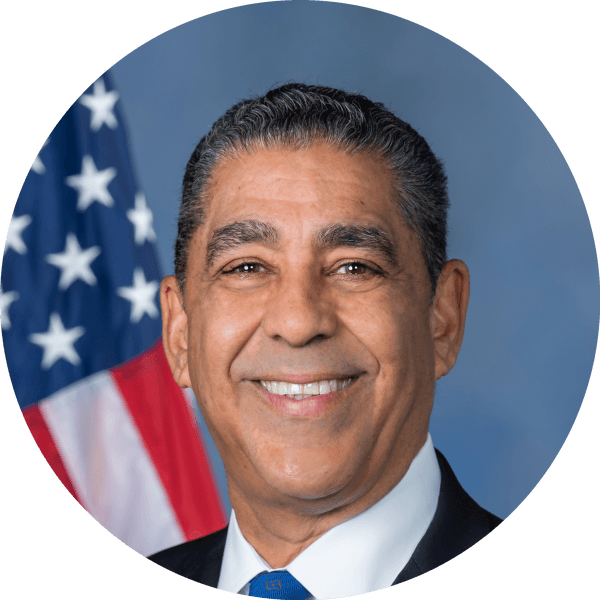
Adriano Espaillat
Democrat · NY-13
The school nurse can't help your kid if the parking lot is an ICE staging area
Why it matters
On January 20, 2025, the Trump administration rescinded decades-old protections that kept ICE out of schools, hospitals, and churches. What followed was measurable: back-to-school vaccinations for Hispanic children in Dallas dropped by half, Chicago school attendance in Latino neighborhoods fell after ICE operations began, and 84% of surveyed health care workers reported significant decreases in patient visits. This bill would take protections that used to be agency guidance — erasable with a memo — and write them into federal statute, where only Congress can undo them.
For decades, a simple agency memo kept immigration enforcement away from schools, hospitals, and churches. The policy worked — not because it had legal teeth, but because administrations honored it. On January 20, 2025, DHS rescinded that protection, and what followed landed in the data almost immediately.
School attendance dropped measurably in immigrant neighborhoods after ICE operations were announced. Back-to-school vaccinations for Hispanic children in Dallas fell from 11,500 to 5,800 — a 50% drop in one year. One in five immigrant parents reported their child's well-being suffered from immigration-related fear, including changes in eating, sleeping, and school performance. The chilling effect reached health care workers too: 84% reported significant or moderate decreases in patient visits after January 2025.
H.R. 1061 takes the protections that existed as policy guidance and writes them into federal law — specifically, into Section 287 of the Immigration and Nationality Act. The bill bars ICE, CBP, and state or local officers acting under federal immigration authority from conducting enforcement actions at, focused on, or within 1,000 feet of any sensitive location. The list is exhaustive: hospitals, schools (preschool through university), churches, courthouses, polling places, domestic violence shelters, child care centers, DMVs, Social Security offices, public libraries, disaster relief sites, labor union halls, congressional offices, funerals, and weddings.
The enforcement mechanism is what separates this from the old policy memos. If an agent conducts an arrest that violates the 1,000-foot rule, two things happen: every piece of information gathered during that action gets thrown out of the removal proceeding, and the person targeted can file a motion for immediate termination of their case. That turns a policy preference into a legal tripwire — agents who break the rule don't just get scolded, they lose the case.
The bill builds in a real-time check for gray areas. If an agent isn't sure whether an emergency justifies action near a sensitive location, the bill requires them to stop, contact a supervisor, and wait for affirmative confirmation before proceeding. No confirmation, no action. That supervisor requirement runs through a specific chain of command — ICE Field Office Directors, CBP Chief Patrol Agents, and named officials who must authorize any action.
Exceptions exist but they're narrow. True emergencies — imminent risk of death or violence, hot pursuit of someone posing an immediate danger, a direct national security threat, or imminent destruction of criminal evidence — still permit enforcement. And a rare, premeditated operation targeting a terrorism suspect or someone posing extraordinary public safety danger can proceed with prior written approval from a senior official. But the bill requires a detailed report to the DHS Inspector General and the Office for Civil Rights and Civil Liberties within 30 days of every sensitive-location enforcement action, plus annual reports from both ICE and CBP to six congressional committees.
Senator Blumenthal introduced a Senate companion bill the same day. The bill has 146 cosponsors — all Democrats — and sits in the House Judiciary Committee, where the Republican majority controls whether it moves.
Bill Progress
Latest Action · Feb 6, 2025
Referred to the House Committee on the Judiciary.
H.R. 1061 Bill Summary
What H.R. 1061 actually does.
1,000-foot enforcement-free zone around 18 categories of locations
ICE, CBP, and deputized state and local officers cannot arrest, detain, interview, search, or surveil anyone for immigration purposes within 1,000 feet of schools, hospitals, churches, courthouses, polling places, shelters, libraries, DMVs, Social Security offices, disaster relief sites, congressional offices, or labor union halls — unless an emergency qualifies.
Evidence gets thrown out if agents break the rule
Any information gathered during a violation cannot be entered into the record or used as evidence in a removal proceeding. The person targeted can file for immediate termination of their case. This turns the 1,000-foot rule from guidance into a legal consequence that agents and prosecutors feel directly.
Mandatory supervisor check for gray areas
If an agent isn't certain an emergency justifies acting near a sensitive location, the bill requires a full stop — contact a supervisor in real time, wait for affirmative confirmation. No confirmation means no action. This eliminates the 'I thought it was an emergency' defense.
30-day reporting to Inspector General after every incident
DHS must report each sensitive-location enforcement action to the Inspector General and the Office for Civil Rights and Civil Liberties within 30 days, with detailed documentation including the justification, the target, how many people were arrested, how many were collateral arrests, and whether a supervisor approved the action.
Narrow exceptions for genuine emergencies and terrorism
The bill permits enforcement during imminent threats of death or violence, hot pursuit of dangerous individuals, direct national security threats, or imminent destruction of criminal evidence. Preplanned operations targeting terrorism suspects require prior written authorization from named senior officials.
Annual congressional reporting from ICE, CBP, and the IG
ICE and CBP must each submit yearly reports to six congressional committees detailing every sensitive-location enforcement action — including dates, locations, targets, arrests, collateral arrests, and whether location administrators were contacted. The DHS Inspector General files a separate annual complaint report.
Who benefits from H.R. 1061?
Families deciding whether to take their kid to school or the doctor
The chilling effect is real and documented — vaccination rates, school attendance, and clinic visits have all dropped in immigrant communities since January 2025. This bill would put federal law between those families and the fear that showing up for essential services means risking deportation.
Hospitals, clinics, and health care workers
84% of surveyed health care workers reported significant decreases in patient visits after ICE protections were rescinded. When patients avoid care, conditions worsen, emergency rooms fill up, and public health outcomes deteriorate for entire communities — not just immigrants.
Schools and educators
Chicago attendance data showed measurable drops in Latino neighborhoods after ICE operations began. Los Angeles and Miami-Dade saw 4% enrollment decreases. When families pull kids from school, districts lose per-pupil funding and children lose instruction time they may never recover.
Churches, shelters, and community organizations
Houses of worship, domestic violence shelters, food banks, and legal aid offices would gain explicit statutory protection — not just policy guidance that can be rescinded with a memo. Over 1,400 churches have already sought federal court injunctions for protection; this bill would make those court orders unnecessary.
Who is affected by H.R. 1061?
ICE officers and Homeland Security Investigations agents
Face a new legal framework with real consequences: evidence exclusion, case termination, mandatory supervisor checks before acting in gray areas, annual training requirements, and detailed reporting obligations for every sensitive-location action.
CBP officers operating away from the border
The restrictions apply equally to Customs and Border Protection, including interior enforcement operations. CBP Chief Patrol Agents, the Director of Field Operations, and the Director of Air and Marine Operations are specifically named as authorizing officials.
State and local police working under 287(g) agreements
Any officer deputized to perform federal immigration enforcement functions must follow the same 1,000-foot rule, supervisor requirements, and reporting obligations as federal agents.
Immigration judges and government attorneys
Removal cases built on evidence from violations would face exclusion motions and potential immediate termination — changing how prosecutors evaluate whether to pursue cases that originated near sensitive locations.
What Congress Is Saying
H.R. 1061 has come up 31 times in the Congressional Record so far.
H.R. 1061 also appeared in 1 more House floor reference and 30 routine cosponsor filings.
HR1061 Legislative Journey
House: Committee Action
Feb 6, 2025
Referred to the House Committee on the Judiciary.
About the Sponsor
Adriano Espaillat
Democrat, New York's 13th congressional district · 9 years in Congress
Committees: Appropriations
View full profile →
Cosponsors (157)
All 157 cosponsors are Democrats. Cosponsors represent 34 states: Alabama, Arizona, California, and 31 more.
James McGovern
Democrat · MA
Linda Sánchez
Democrat · CA

Paul Tonko
Democrat · NY
Henry Johnson
Democrat · GA

Rashida Tlaib
Democrat · MI

Zoe Lofgren
Democrat · CA

Mark Takano
Democrat · CA

LaMonica McIver
Democrat · NJ
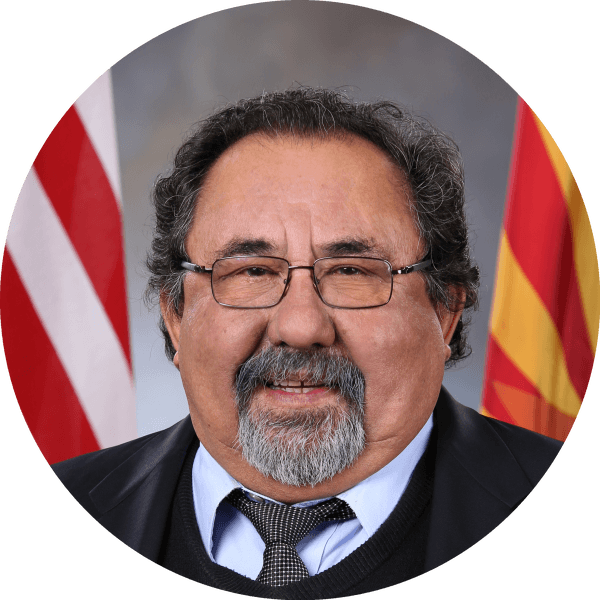
Raúl Grijalva
Democrat · AZ
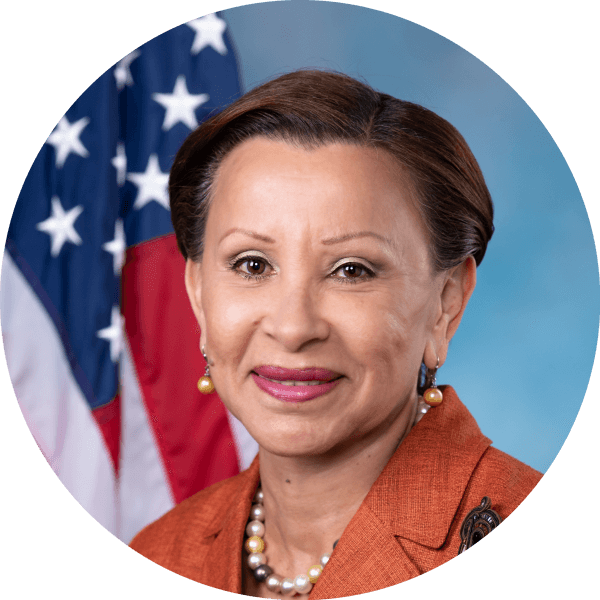
Nydia Velázquez
Democrat · NY
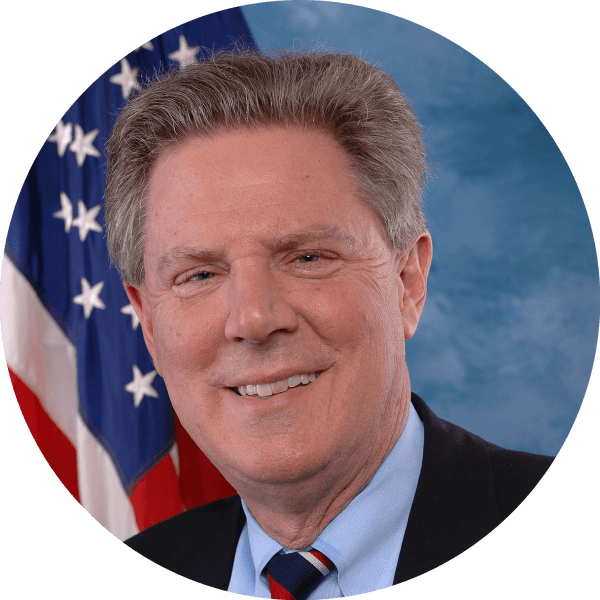
Frank Pallone
Democrat · NJ
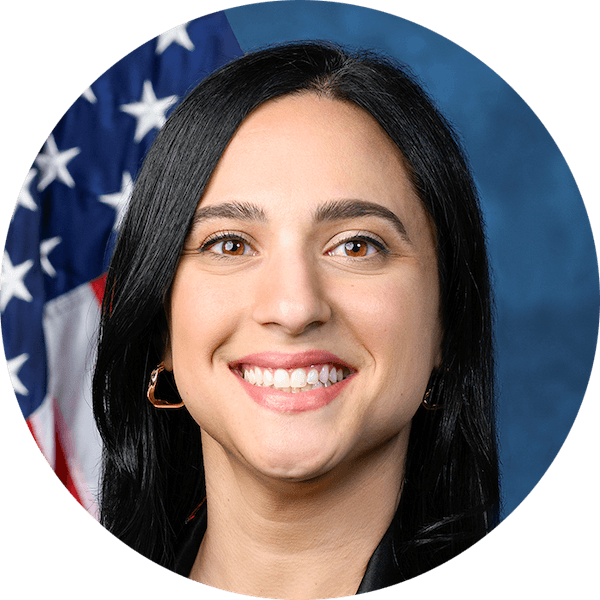
Yassamin Ansari
Democrat · AZ
Cosponsor Coverage Map
Committee Sponsors
Judiciary Committee
15 of 44 committee members cosponsored


4 Democrats across this committee haven't cosponsored yet. Mobilize their constituents
What laws does H.R. 1061 change?
1 changes
Sections Amended
Section 287 of Immigration and Nationality Act (8 U.S.C. 1357)
adding at the end the following: ``(i)(1) In order to ensure individuals' access to sensitive locations, this subsection shall apply to any enforcement action by-- ``(A) officers or agents of the Department of Homeland Security, including officers and agents of U
H.R. 1061 Quick Facts
- Committee
- Judiciary
- Chamber
- House
- Policy
- Immigration
- Introduced
- Feb 6, 2025
Referred to the House Committee on the Judiciary.
Feb 6, 2025
Official Sources
Full bill text, cosponsors, and legislative history for the Protecting Sensitive Locations Act
Sponsor announcement with bicameral introduction alongside Senator Blumenthal
Senate companion bill introduction with 53 original congressional co-leads
ICE's current enforcement policy for protected areas — the administrative guidance this bill would replace with federal statute
The section of federal law H.R. 1061 would amend by adding subsection (i) — the sensitive locations enforcement restrictions
The watchdog office that would receive 30-day incident reports for every sensitive-location enforcement action under the bill
Who is lobbying on H.R. 1061?
1 organization lobbying on this bill
CONFERENCE OF PROVINCIALS OF NORTH AMERICA | 1 |
Showing 1-1 of 1 organizations
H.R. 1061 Common Questions
Can ICE arrest someone near a school or hospital under H.R. 1061?
Not within 1,000 feet — roughly three football fields — unless a genuine emergency is underway. The bill bars arrests, interviews, searches, and surveillance for immigration purposes at or near 18 categories of protected locations. If agents aren't sure whether an emergency qualifies, they must stop and get real-time supervisor approval before continuing.
What counts as a 'sensitive location' under the Protecting Sensitive Locations Act?
The list is broader than most people expect. It covers hospitals and clinics, all schools from preschool through university, churches and mosques, courthouses, polling places, domestic violence shelters, child care centers, DMVs, Social Security offices, public libraries, disaster relief sites, congressional district offices, labor union halls, funerals, weddings, and public demonstrations. The DHS Secretary can add more.
What happens if ICE violates the 1,000-foot rule?
Two consequences that hit the government's case directly. First, any information gathered during the violation gets excluded from the removal proceeding — it cannot be entered into the record or used as evidence. Second, the person targeted can file a motion for immediate termination of their case. These are legal teeth, not policy suggestions.
Does H.R. 1061 apply to local police working with ICE under 287(g) agreements?
Yes. The restrictions apply to any individual designated to perform immigration enforcement functions under 8 U.S.C. 1357(g). That means state and local officers who've been deputized for immigration enforcement must follow the same 1,000-foot rule, supervisor requirements, and reporting obligations as federal agents.
Can ICE still make arrests near a church or school if there's a terrorism suspect?
Only under narrow conditions. A rare, premeditated operation targeting a terrorism suspect, a clear national security threat, or someone posing extraordinary public safety danger can proceed — but only with prior written approval from a named senior official (ICE Executive Associate Directors or CBP Chief Patrol Agents). The action must be reported to the DHS Inspector General within 30 days.
What must ICE agents do if they're unsure whether an emergency justifies acting near a protected location?
Full stop. The bill requires the agent to cease the enforcement action immediately, contact their supervisor in real time, and wait for affirmative confirmation that exigent circumstances exist before continuing. No confirmation, no action. This eliminates judgment calls in the field — the decision moves up the chain.
How is H.R. 1061 different from the old ICE sensitive locations policy?
The old protections were agency policy — internal guidance that could be rescinded by any administration with a memo, which is exactly what happened on January 20, 2025. H.R. 1061 writes the protections into Section 287 of the Immigration and Nationality Act (federal statute), meaning only Congress can change them. It also adds consequences the old policy never had: evidence exclusion, case termination, mandatory reporting, and a supervisor approval chain.
Are courthouses and lawyers' offices protected from immigration enforcement under this bill?
Yes. Federal, state, and local courthouses are on the protected list, along with the offices of an individual's legal counsel or representative, and probation offices. The 1,000-foot buffer applies around all of them. This addresses documented cases where immigrants have avoided court appearances — including as crime victims and witnesses — out of fear of ICE presence.
What reporting does H.R. 1061 require when ICE acts at a sensitive location?
Three layers. Within 30 days of any incident, DHS reports to the Inspector General and the Office for Civil Rights and Civil Liberties with nine categories of detail — date, location, agency, justification, target description, arrest numbers, collateral arrests, and supervisor contact certification. Annually, ICE and CBP each file reports to six congressional committees. The IG files a separate annual complaint report.
When would the Protecting Sensitive Locations Act take effect?
90 days after the president signs it into law. DHS must also publish implementing regulations within the same 90-day window. The bill currently sits in the House Judiciary Committee with 146 cosponsors, all Democrats, and faces a difficult path in the Republican-controlled House.
Based on H.R. 1061 bill text
H.R. 1061 Bill Text
“To amend section 287 of the Immigration and Nationality Act to limit immigration enforcement actions at sensitive locations, to clarify the powers of immigration officers at sensitive locations, and for other purposes.”
Source: U.S. Government Publishing Office
Get notified when H.R. 1061 moves
Committee votes, floor action, cosponsor changes — straight to your inbox.
Bill alerts + Legisletter's monthly briefing. Unsubscribe anytime.
Immigration Bills
9 related bills we're tracking
American Dream and Promise Act of 2025

Sponsor introductory remarks on measure. (CR H884)
Feb 27, 2025
Born in the USA Act of 2025

Referred to the House Committee on the Judiciary.
May 13, 2025
Dignity for Detained Immigrants Act




Referred to the Subcommittee on Oversight, Investigations, and Accountability.
Dec 4, 2025
No Secret Police Act of 2025
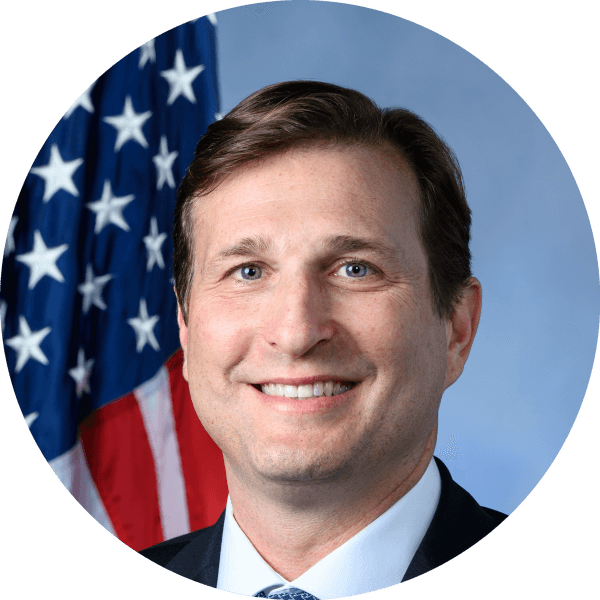
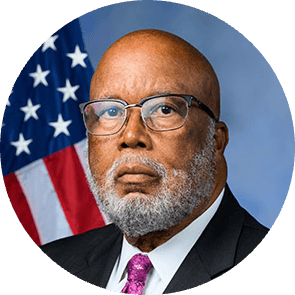
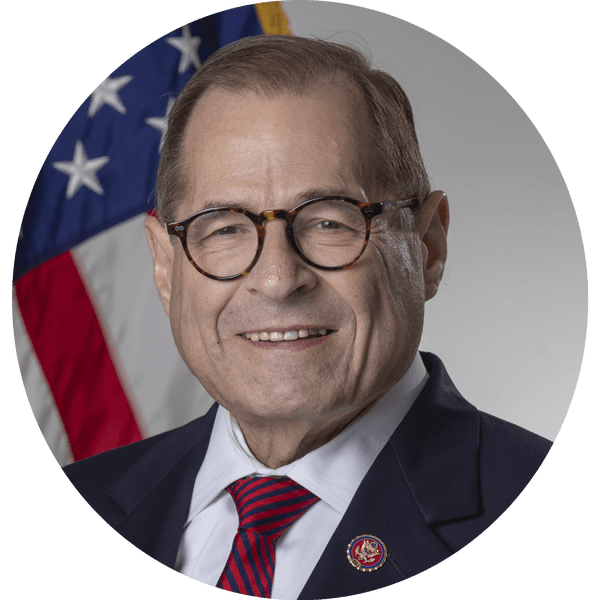
Referred to the Subcommittee on Border Security and Enforcement.
Jun 27, 2025
NO BAN Act

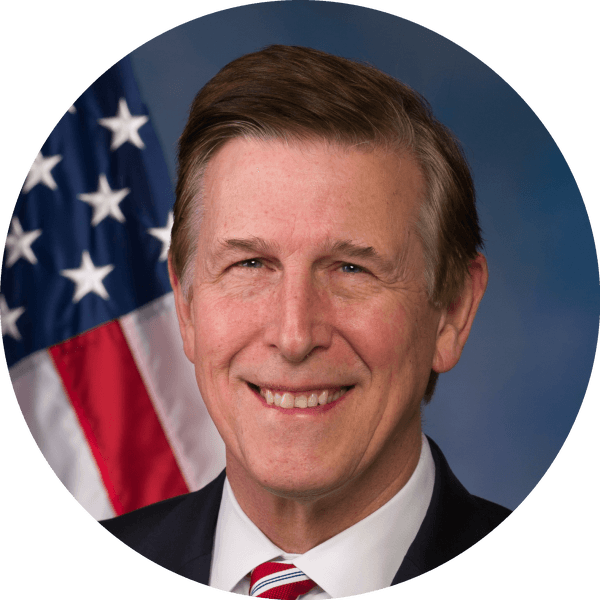

Referred to the Subcommittee on Border Security and Enforcement.
Feb 4, 2025
Stop Excessive Force in Immigration Act of 2025

Referred to the House Committee on the Judiciary.
Nov 7, 2025
REMAIN in Mexico Act of 2025

Referred to the House Committee on the Judiciary.
Jan 9, 2025
Humanitarian Standards for Individuals in ICE and CBP Custody Act


Sponsor introductory remarks on measure. (CR H2018)
Feb 4, 2026
Birthright Citizenship Act of 2025
Referred to the House Committee on the Judiciary.
Jan 21, 2025
Trending Right Now
Bills gaining momentum across Congress
North Platte Canteen Congressional Gold Medal Act


Referred to the House Committee on Financial Services.
Feb 21, 2025
Fit to Serve Act



Referred to the House Committee on Armed Services.
May 21, 2025
ASAP Act




Ordered to be Reported in the Nature of a Substitute by the Yeas and Nays: 40 - 0.
Sep 16, 2026
Tracking Immigration in Congress? Monitor bills, track cosponsor momentum, and launch advocacy campaigns — all from one advocacy platform.