H.R. 5973: Stop Excessive Force in Immigration Act of 2025
Sponsor

Scott Peters
Democrat · CA-50
No more masked, unidentified immigration raids
Why it matters
Federal immigration agents would have to show their faces, wear visible identification, and turn on a body camera for every operation — with that footage kept for one to three years and reviewable by the people detained and their lawyers. Flash-bangs, rubber bullets, pepper balls, and tear gas would be off-limits in routine interior arrests. The Department of Homeland Security would get 180 days to put cameras on every agent and every vehicle.
The Stop Excessive Force in Immigration Act of 2025 writes a new rulebook for how federal immigration agents conduct arrests and raids, and puts it directly into immigration law.
The core rule on force is a proportionality test: agents could use non-deadly force only when no reasonably safe and workable alternative exists, and the force has to match the resistance they actually face. They'd have to weigh a person's age, size, injury, or disability first, make real efforts to de-escalate, and — importantly — step in and report it when another agent crosses the line. The bill also creates a duty to call for or give medical aid when someone is hurt.
The most visible changes are about identity. Agents would generally have to wear a uniform or clear identification showing they're federal immigration personnel, and they could not use the word "Police" or anything that makes them look like local cops. Masks and face coverings would be limited to three narrow situations — a national security threat, future covert work, or an environmental health hazard — and only with a supervisor's written sign-off. The bill's findings note that federal regulations already require agents to identify themselves at the time of arrest; this bill adds cameras and consequences to make that stick.
Within 180 days, DHS would have to require body-worn cameras on all personnel and dashboard cameras on all vehicles, on by default. Footage would be kept one year — three years for any use-of-force or complaint incident, and until any related investigation or lawsuit ends. The person in the video, their lawyer, the parents of a detained minor, and the next of kin of someone who died could all inspect that footage, though not alter it.
Crowd-control weapons get pulled back too. Flash-bangs, rubber bullets, pepper balls, and tear gas would be barred except at the border or against a documented public-safety or national-security threat with a supervisor-approved tactical plan, and only for trained, certified personnel. The bill specifies that lawful protest and other First Amendment activity does not, by itself, count as a safety risk that justifies that equipment.
Agents would have to notify local police before operating in their area, train at least annually on use of force and constitutional limits, and DHS and the Justice Department would owe Congress reports every six months. A searchable database — public in redacted form — would track use-of-force incidents, significant incidents, and civil-rights complaints. The bill states it grants no new deadly-force authority, doesn't stop agents from protecting themselves, and doesn't require state or local police to help with immigration enforcement.
Bill Progress
Latest Action · Nov 7, 2025
Referred to the House Committee on the Judiciary.
H.R. 5973 Bill Summary
What H.R. 5973 actually does.
Agents have to show their faces and say who they are
Personnel would generally have to wear a uniform or visible identification marking them as federal immigration agents, and could not use the title "Police." Masks would be allowed only with written supervisor approval for a national security threat, future covert work, or an environmental health hazard.
Body cameras on every agent and vehicle within 180 days
DHS would have to issue a directive requiring body-worn cameras on all personnel and dashboard cameras on all vehicles, recording on by default, within 180 days of enactment.
Footage the detained person and their lawyer can review
Recordings would be kept one year — three years for any use-of-force or complaint incident, and until a related investigation or lawsuit ends. The subject, their counsel, parents of a detained minor, and next of kin of a deceased subject could inspect the footage but not alter it.
Tear gas and flash-bangs barred from routine arrests
Flash-bangs, rubber bullets, pepper balls, and tear gas would be prohibited except at the border or against a documented public-safety or national-security threat with a supervisor-approved tactical plan, used only by trained, certified personnel. Lawful protest alone would not justify them.
Force only when there's no safer option
Non-deadly force would be permitted only when no reasonably safe and workable alternative exists and the force is proportional to the resistance faced, with agents required to weigh the person's age, size, injury, or disability.
A duty to step in — and report it
Agents would have an affirmative duty to intervene to stop another agent's excessive force, report it to their chain of command or the DHS Inspector General, and request or render medical aid when needed.
Who benefits from H.R. 5973?
People stopped or detained in immigration operations
They would face clearly identified agents instead of masked, plainclothes ones, tighter limits on force, and the ability to later review camera footage of their own encounter through a lawyer.
Families and lawyers of those detained
A parent of a detained minor, a person's attorney, and the next of kin of someone who died in custody could inspect the body camera footage during the retention window.
Bystanders, journalists, and lawful protesters
Crowd-control weapons would be pulled back from routine operations, and the bill specifies that lawful protest does not by itself count as a safety risk that justifies tear gas or rubber bullets.
Members of Congress and the public
Members representing the affected district or sitting on relevant committees could access an unredacted incident database; a redacted version would be public.
Who is affected by H.R. 5973?
ICE, CBP, and other federal immigration personnel
They would operate under new limits on force, masks, uniforms, crowd-control equipment, mandatory body cameras, annual training, and a duty to intervene and report misconduct.
DHS supervisors
Supervisors would have to give written approval for masks, identification exceptions, and tactical plans for restricted equipment — and would be held accountable for improper approvals or untrained personnel using that equipment.
The DHS Secretary and Attorney General
They would owe Congress reports every six months on force, assaults on agents, unidentified operations, and impersonation, plus the 180-day camera directive and a searchable incident database.
Local law enforcement
Federal agents would have to notify local police before operating in their jurisdiction, though the bill states it does not require state or local police to assist.
HR5973 Legislative Journey
House: Committee Action
Nov 7, 2025
Referred to the House Committee on the Judiciary.
About the Sponsor
Scott Peters
Democrat, California's 50th congressional district · 13 years in Congress
Committees: the Budget, Energy and Commerce
View full profile →
Cosponsors (112)
All 112 cosponsors are Democrats. Cosponsors represent 27 states: Alabama, Arizona, California, and 24 more.

Daniel Goldman
Democrat · NY

Raja Krishnamoorthi
Democrat · IL
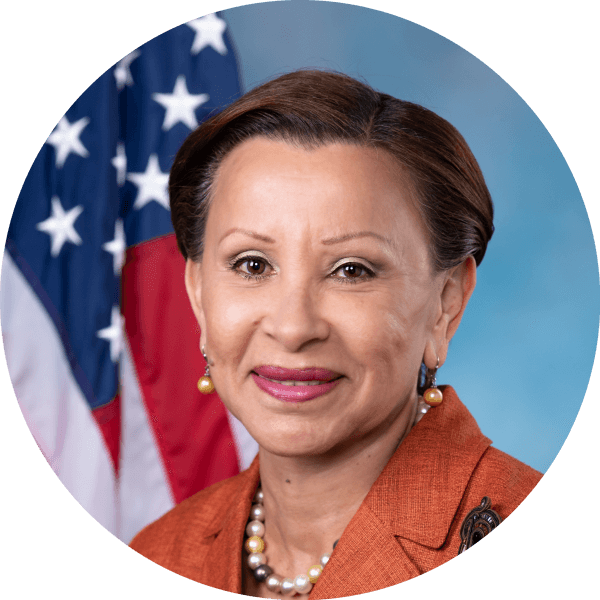
Nydia Velázquez
Democrat · NY

Yvette Clarke
Democrat · NY

Ro Khanna
Democrat · CA
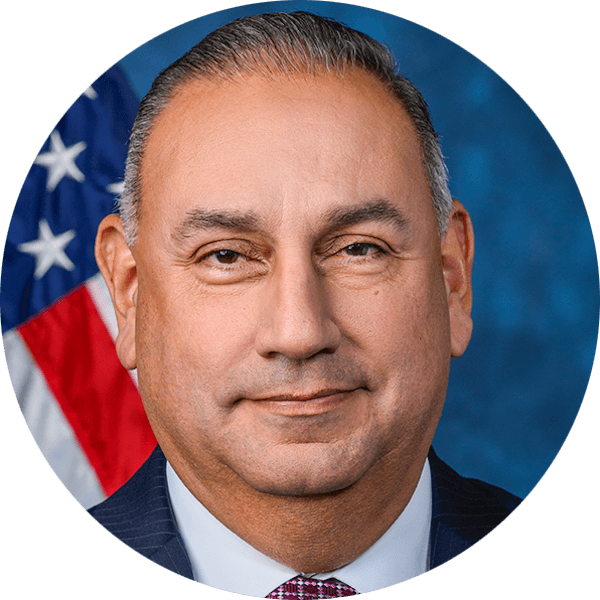
Gilbert Cisneros
Democrat · CA

Judy Chu
Democrat · CA

Bradley Schneider
Democrat · IL
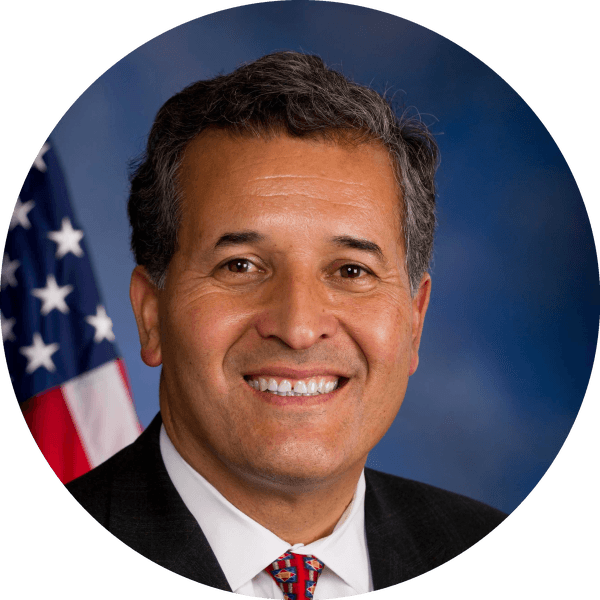
Juan Vargas
Democrat · CA

Emily Randall
Democrat · WA
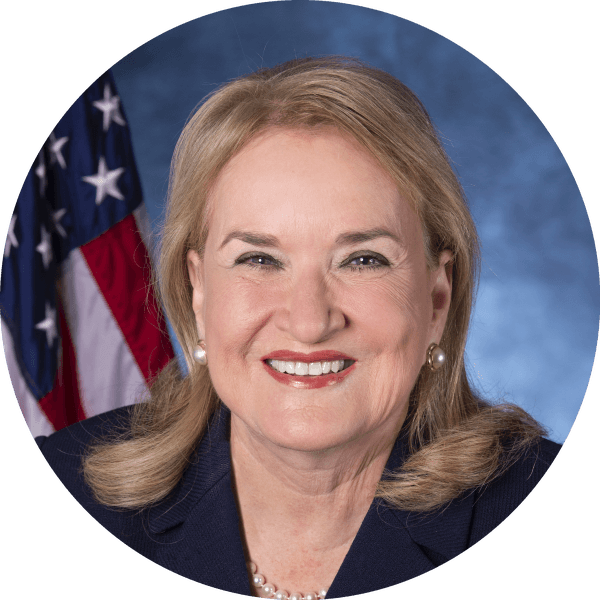
Sylvia Garcia
Democrat · TX

Mike Quigley
Democrat · IL
Cosponsor Coverage Map
Committee Sponsors
Judiciary Committee
10 of 44 committee members cosponsored


9 Democrats across this committee haven't cosponsored yet. Mobilize their constituents
H.R. 5973 Quick Facts
- Committee
- Judiciary
- Chamber
- House
- Policy
- Immigration
- Introduced
- Nov 7, 2025
Referred to the House Committee on the Judiciary.
Nov 7, 2025
Official Sources
The official bill page — sponsor Scott Peters, 109 cosponsors, full text, and the latest Judiciary Committee action.
The introduced text of the Stop Excessive Force in Immigration Act of 2025, as printed by the Government Publishing Office.
The existing federal regulation the bill's findings cite — it already requires officers to identify themselves as immigration officers at the time of arrest.
Section 287 of the Immigration and Nationality Act — the bill inserts its new enforcement-limits section (287A) directly after this statute.
Section 236 of the Immigration and Nationality Act — one of the two arrest authorities the bill's definition of covered enforcement personnel points to.
The independent oversight body the bill designates to receive reports when an agent witnesses excessive force.
Where misconduct by DHS immigration personnel — including civil rights abuses — can be reported.
H.R. 5973 Common Questions
Can immigration agents wear masks under H.R. 5973?
Mostly no. Face coverings would need written approval from a supervisor and would be limited to three situations: a national security threat, future covert work, or an environmental health hazard. Routine raids would not qualify.
Does H.R. 5973 require body cameras, and how long is the footage kept?
Yes. Within 180 days, DHS would have to require body cameras on all agents and dashboard cameras on all vehicles, on by default. Footage is kept one year — three years for any use-of-force or complaint incident, and until any related investigation or lawsuit ends.
Can people who were detained or their lawyers see the body camera footage?
Yes. The person in the video and their attorney can inspect it, along with the parent of a detained minor and the next of kin of someone who died. They can review the footage but cannot keep or alter it.
Which crowd-control weapons would immigration agents be barred from using?
Flash-bangs, rubber bullets, pepper balls, and tear gas — except at the border or against a documented public-safety or national-security threat with a supervisor-approved plan. The bill says lawful protest alone does not justify deploying them.
Can immigration agents call themselves "Police" under H.R. 5973?
No. Uniforms and identifiers could not use the title "Police" or anything that might make people think the agents are local officers. Personnel would generally have to clearly show they are federal immigration enforcement.
What are the new rules for using force on people in immigration arrests?
Non-deadly force would be allowed only when there is no reasonably safe and workable alternative, and it has to be proportional to the resistance faced. Agents would have to factor in a person's age, size, injury, or disability first.
Does H.R. 5973 make agents stop another agent who uses excessive force?
Yes. Agents would have an affirmative duty to intervene to stop excessive force, report it to their chain of command or the DHS Inspector General, and call for or provide medical aid when someone is hurt.
Does H.R. 5973 stop ICE from making arrests?
No. It limits how arrests are carried out, not whether they happen. The bill states it grants no new deadly-force authority, does not stop agents from protecting themselves or bystanders, and does not require state or local police to assist.
Based on H.R. 5973 bill text
H.R. 5973 Bill Text
“To establish certain limitations on Federal immigration enforcement personnel.”
Source: U.S. Government Publishing Office
Get notified when H.R. 5973 moves
Committee votes, floor action, cosponsor changes — straight to your inbox.
Bill alerts + Legisletter's monthly briefing. Unsubscribe anytime.
Immigration Bills
9 related bills we're tracking
American Dream and Promise Act of 2025


Sponsor introductory remarks on measure. (CR H884)
Feb 27, 2025
Protecting Sensitive Locations Act




Referred to the House Committee on the Judiciary.
Feb 6, 2025
Born in the USA Act of 2025


Referred to the House Committee on the Judiciary.
May 13, 2025
Dignity for Detained Immigrants Act





Referred to the Subcommittee on Oversight, Investigations, and Accountability.
Dec 4, 2025
No Secret Police Act of 2025



Referred to the Subcommittee on Border Security and Enforcement.
Jun 27, 2025
NO BAN Act



Referred to the Subcommittee on Border Security and Enforcement.
Feb 4, 2025
REMAIN in Mexico Act of 2025





Referred to the House Committee on the Judiciary.
Jan 9, 2025
Humanitarian Standards for Individuals in ICE and CBP Custody Act




Sponsor introductory remarks on measure. (CR H2018)
Feb 4, 2026
Birthright Citizenship Act of 2025




Referred to the House Committee on the Judiciary.
Jan 21, 2025
Trending Right Now
Bills gaining momentum across Congress
North Platte Canteen Congressional Gold Medal Act



Referred to the House Committee on Financial Services.
Feb 21, 2025
Fit to Serve Act




Referred to the House Committee on Armed Services.
May 21, 2025
ASAP Act




Ordered to be Reported in the Nature of a Substitute by the Yeas and Nays: 40 - 0.
Sep 16, 2026
Tracking Immigration in Congress? Monitor bills, track cosponsor momentum, and launch advocacy campaigns — all from one advocacy platform.