H.R. 1589: American Dream and Promise Act of 2025
Sponsor
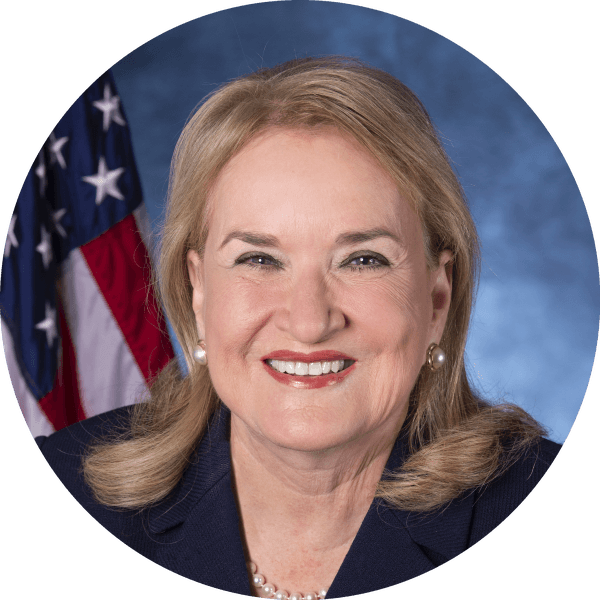
Sylvia Garcia
Democrat · TX-29
Dreamers shouldn't have to live in legal limbo
Why it matters
215 House members have signed onto H.R. 1589, which would give many people brought to the U.S. as children a 10-year legal status and a route to a green card, and let some long-term TPS and DED holders apply for permanent residence directly. It replaces the cycle of renewals and cutoff dates with a defined application process, capped fees, and privacy protections for what you put on the form.
H.R. 1589 bundles two immigration pathways into one bill. For many Dreamers, it creates a 10-year conditional permanent resident status if you entered the U.S. at age 18 or younger, have lived here continuously since January 1, 2021, and meet a school or credential requirement.
From there, you could drop the conditional label four ways: finish a college degree, complete at least 2 years of a bachelor's program, serve 2 years in the military with an honorable discharge, or show 3 years of work history covering at least 75% of the time you were authorized to work.
The bill also opens a separate door for some people with Temporary Protected Status or Deferred Enforced Departure. If your country had a TPS designation on January 1, 2017, or you were eligible for DED as of January 20, 2021, you could apply straight for permanent residence, provided you've been physically present in the U.S. for at least 3 years and file within a 3-year window.
It also limits what the government can do with your application. The bill says the information you submit generally cannot be used for immigration enforcement, and a knowing confidentiality violation could bring a fine of up to $10,000.
There are still hard exclusions. Applicants with certain criminal records, including any felony, three or more misdemeanors, or a misdemeanor domestic violence conviction, could be barred, though the bill carves out exceptions for survivors of abuse.
Bill Progress
Latest Action · Feb 27, 2025
Sponsor introductory remarks on measure. (CR H884)
H.R. 1589 Bill Summary
What H.R. 1589 actually does.
Dreamers get a 10-year legal status option
People brought to the U.S. at age 18 or younger could apply for 10 years of conditional permanent resident status if they have lived in the country continuously since January 1, 2021 and meet education-related requirements.
Multiple ways to turn conditional status into a green card
Applicants could remove conditions by earning a degree, completing at least 2 years of a bachelor's program, serving 2 years in the military with an honorable discharge, or showing 3 years of earned income for at least 75% of their work-authorized period.
TPS and DED holders get a permanent-status pathway
Some people with TPS or DED could apply for permanent resident status if they meet the bill's covered-date rules, have at least 3 years of continuous physical presence, and apply within 3 years after enactment.
Application costs are capped—and some people pay nothing
Dreamer applications could cost no more than $495, while TPS or DED adjustment applications could cost no more than $1,140. Fee exemptions would apply for some low-income applicants, younger applicants, people in foster care, and people with serious chronic disabilities.
Your application information gets privacy protection
The bill says information submitted in an application generally cannot be used for immigration enforcement or referred to ICE or CBP for that purpose. A knowing confidentiality violation could bring a fine of up to $10,000.
Certain criminal records block eligibility
The bill would bar applicants with specified criminal histories, including any felony, three or more misdemeanors, or a misdemeanor crime of domestic violence. It excludes simple cannabis possession from the count and lets survivors of domestic violence, sexual assault, or trafficking show their conviction was tied to being victimized.
Who benefits from H.R. 1589?
People brought here as children
If you grew up in the U.S. but never had permanent legal status, H.R. 1589 could give you a formal 10-year status and a route to stay permanently through school, military service, or work history.
DACA recipients already known to DHS
People who had DACA as of January 1, 2017 could avoid the Dreamer application fee in many cases. That can mean up to $495 less to file.
Long-term TPS and DED holders
If you've spent years in the U.S. under temporary protection, this bill could let you apply for something more durable: permanent resident status instead of another cycle of extensions and uncertainty.
Low-income applicants and people needing legal help
The bill includes fee exemptions for some applicants under 150% of the federal poverty line, applicants 18 or younger, people in foster care, and people with serious chronic disabilities. It also creates a $25 surcharge on non-exempt applications to help fund appointed counsel during judicial review.
Who is affected by H.R. 1589?
Applicants with disqualifying criminal records
People with a felony, three or more misdemeanors, or a misdemeanor domestic violence conviction could be excluded, even if they otherwise meet the age and residency rules.
DHS, USCIS, and immigration courts
Federal immigration agencies would have to create forms, process new applications, review fee waivers, protect applicant data, and meet the bill's 90-day and 180-day rulemaking deadlines.
ICE and CBP personnel
The bill would limit how enforcement agencies can use application information. That means new compliance obligations and potential penalties if protected information is knowingly misused.
States and public colleges
The bill would repeal a long-standing restriction tied to higher-education benefits for undocumented students, which could change how some states and schools handle in-state tuition or similar policies.
HR1589 Legislative Journey
Introduced
Feb 27, 2025
Sponsor introductory remarks on measure. (CR H884)
House: Committee Action
Feb 26, 2025
Referred to the Committee on the Judiciary, and in addition to the Committee on Education and Workforce, for a period to be subsequently determined by the Speaker, in each case for consideration of such provisions as fall within the jurisdiction of the committee concerned.
About the Sponsor
Sylvia Garcia
Democrat, Texas's 29th congressional district · 7 years in Congress
Committees: Ethics, Financial Services
View full profile →
Cosponsors (220)
This bill has 220 cosponsors: 218 Democrats, 2 Republicans. Cosponsors represent 39 states: Alabama, Arizona, California, and 36 more.
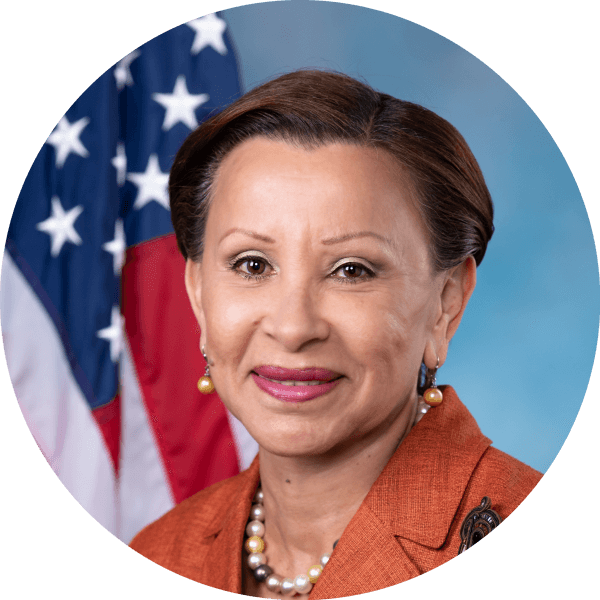
Nydia Velázquez
Democrat · NY

Yvette Clarke
Democrat · NY

Maria Salazar
Republican · FL

Zoe Lofgren
Democrat · CA

Pramila Jayapal
Democrat · WA

Delia Ramirez
Democrat · IL
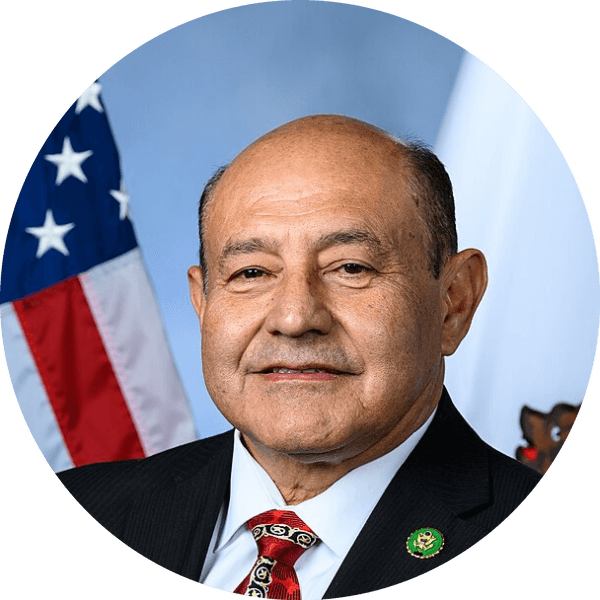
J. Correa
Democrat · CA

Judy Chu
Democrat · CA
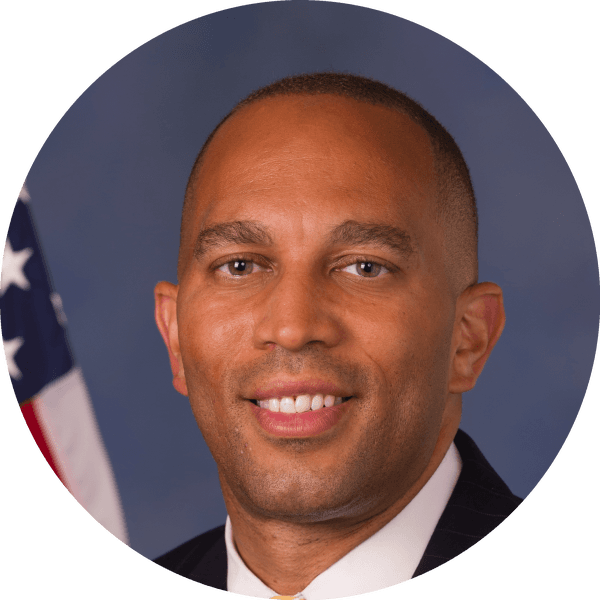
Hakeem Jeffries
Democrat · NY

Katherine Clark
Democrat · MA
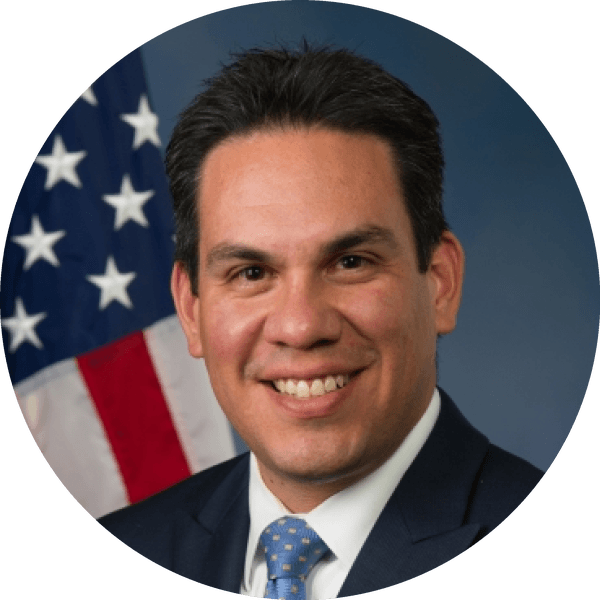
Pete Aguilar
Democrat · CA

Ted Lieu
Democrat · CA
Cosponsor Coverage Map
Committee Sponsors
Education and Workforce Committee
16 of 37 committee members cosponsored


Judiciary Committee
19 of 44 committee members cosponsored


What laws does H.R. 1589 change?
1 changes
Sections Repealed
505 of Illegal Immigration Reform and Immigrant Responsibility Act of 1996 (8 U.S.C. 1623)
H.R. 1589 Quick Facts
- Committee
- Education and Workforce
- Chamber
- House
- Policy
- Immigration
- Introduced
- Feb 26, 2025
Sponsor introductory remarks on measure. (CR H884)
Feb 27, 2025
Official Sources
The official Congress.gov page for the American Dream and Promise Act of 2025 is the primary source for bill text, status, sponsors, and actions.
USCIS's DACA page provides official background on the existing program many Dreamer applicants may already know or have used.
This USCIS page explains Temporary Protected Status, which is central to the bill's separate pathway for certain TPS holders.
USCIS's green card eligibility overview helps explain how lawful permanent residence fits into the bill's pathway from conditional status to permanent status.
The USCIS fee schedule is the official reference point for immigration filing fees and helps contextualize the bill's fee caps and exemptions.
The USCIS Policy Manual is the agency's official guidance source on adjustment of status, admissibility, and related eligibility standards discussed in the bill.
DHS would be responsible for implementing the bill's rulemaking deadlines and overseeing USCIS, ICE, and CBP compliance with its provisions.
This USCIS page explains Deferred Enforced Departure, which the bill uses to define a separate permanent-residence pathway for certain DED-eligible people.
H.R. 1589 Common Questions
Who could qualify as a Dreamer under H.R. 1589?
You'd generally need to have entered the U.S. at age 18 or younger, lived here continuously since January 1, 2021, and be in school or hold a diploma, GED, or similar credential.
Would H.R. 1589 give Dreamers green cards right away?
Not usually. Most Dreamer applicants would first get 10 years of conditional permanent resident status, then later apply to remove those conditions.
How do you remove conditional status under H.R. 1589?
Four ways: earn a college degree, complete 2 years of a bachelor's program, serve 2 years in the military with an honorable discharge, or show 3 years of qualifying work.
Can TPS or DED holders apply for permanent residency?
Yes, some could. H.R. 1589 covers people tied to specific TPS or DED dates and gives them a 3-year window to apply if they meet presence rules.
How much would it cost to apply under H.R. 1589?
Dreamer applications could cost up to $495. TPS or DED permanent-residency applications could cost up to $1,140, though some applicants could qualify for fee exemptions.
Would DACA recipients get a fee waiver?
In many cases, yes. The bill sets up a streamlined process for people who qualified for DACA under the program's January 1, 2017 rules, and generally waives the Dreamer application fee for them.
Can immigration officials use your application against you?
The bill says application information generally could not be used for immigration enforcement. A knowing confidentiality violation could bring a fine of up to $10,000.
What kinds of criminal records could block eligibility?
Any felony, three or more misdemeanors, or a misdemeanor domestic violence conviction could bar you. Simple cannabis possession doesn't count, and abuse survivors get an exception.
Based on H.R. 1589 bill text
H.R. 1589 Bill Text
“To authorize the cancellation of removal and adjustment of status of certain aliens, and for other purposes.”
Source: U.S. Government Publishing Office
Get notified when H.R. 1589 moves
Committee votes, floor action, cosponsor changes — straight to your inbox.
Bill alerts + Legisletter's monthly briefing. Unsubscribe anytime.
Immigration Bills
9 related bills we're tracking
Protecting Sensitive Locations Act



Referred to the House Committee on the Judiciary.
Feb 6, 2025
Born in the USA Act of 2025

Referred to the House Committee on the Judiciary.
May 13, 2025
Dignity for Detained Immigrants Act



Referred to the Subcommittee on Oversight, Investigations, and Accountability.
Dec 4, 2025
No Secret Police Act of 2025




Referred to the Subcommittee on Border Security and Enforcement.
Jun 27, 2025
NO BAN Act



Referred to the Subcommittee on Border Security and Enforcement.
Feb 4, 2025
Stop Excessive Force in Immigration Act of 2025


Referred to the House Committee on the Judiciary.
Nov 7, 2025
REMAIN in Mexico Act of 2025





Referred to the House Committee on the Judiciary.
Jan 9, 2025
Humanitarian Standards for Individuals in ICE and CBP Custody Act




Sponsor introductory remarks on measure. (CR H2018)
Feb 4, 2026
Birthright Citizenship Act of 2025





Referred to the House Committee on the Judiciary.
Jan 21, 2025
Trending Right Now
Bills gaining momentum across Congress
ASAP Act



Ordered to be Reported in the Nature of a Substitute by the Yeas and Nays: 40 - 0.
Sep 16, 2026
Federal Firearms Licensee Protection Act of 2025



Referred to the House Committee on the Judiciary.
Mar 3, 2025
Therapeutic Fraud Prevention Act of 2025

Referred to the House Committee on Energy and Commerce.
May 7, 2025
Tracking Immigration in Congress? Monitor bills, track cosponsor momentum, and launch advocacy campaigns — all from one advocacy platform.