H.R. 3368: Born in the USA Act of 2025
Sponsor
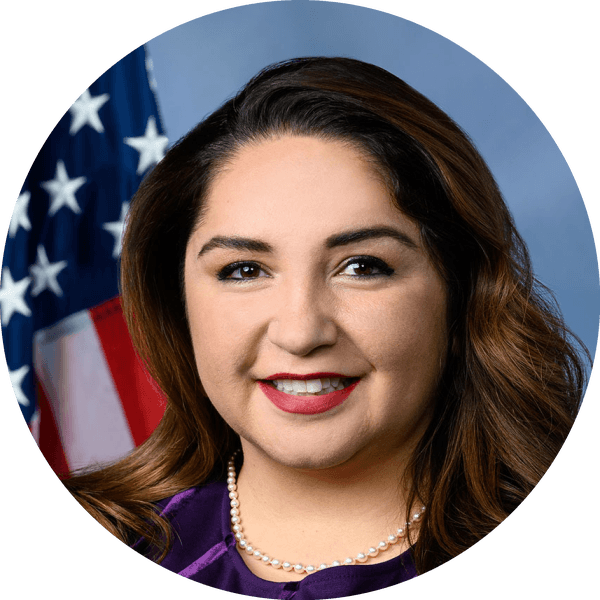
Delia Ramirez
Democrat · IL-3
Not one federal dollar for Trump's birthright citizenship order
Why it matters
Researchers at the Migration Policy Institute have estimated that roughly 255,000 babies a year would be born without recognized U.S. citizenship if Executive Order 14160 were enforced. H.R. 3368 does not argue that point in court. It shuts the money off: no federal agency could spend a dollar carrying out the order, or any regulation or policy written to replace it.
Strip out the title and the findings and what is left of H.R. 3368 fits in a single sentence. No federal money may be appropriated or otherwise made available to carry out Executive Order 14160, or any successor executive order, regulation, or policy. That is the entire mechanism.
The order it targets was signed on January 20, 2025. It directs federal agencies to stop issuing or accepting documents that recognize U.S. citizenship for children born here when the mother is in the country unlawfully or on a temporary visa and the father is neither a citizen nor a lawful permanent resident. In practice that means passports and Social Security numbers — the documents that turn a state birth certificate into federally recognized citizenship.
The successor clause is what gives the bill reach. An executive order can be withdrawn and reissued under a new number in an afternoon. A policy can be moved out of an order and into an agency memo or a regulation. The bill's language follows the effort wherever it goes, so a rewrite would be defunded the moment it was signed.
The rest of the bill is Congress explaining itself. The findings call the order "flagrantly and clearly unconstitutional," quote the 14th Amendment's citizenship clause, and lean on the Supreme Court's 1898 Wong Kim Ark decision, which the bill says settled that children born on U.S. soil to non-citizen parents are citizens. The findings go one step further than most: they assert that birthright citizenship cannot be rescinded by executive order or by an act of Congress.
What the bill does not do is decide anyone's citizenship. It writes no new rule about who is a citizen at birth, and it does not end the court fight over the order. It removes the federal government's ability to spend money enforcing the order while that fight plays out — and afterward, if the order survives.
Bill Progress
Latest Action · May 13, 2025
Referred to the House Committee on the Judiciary.
H.R. 3368 Bill Summary
What H.R. 3368 actually does.
Every federal agency loses the money to enforce the order
No federal funds may be appropriated or otherwise made available to carry out Executive Order 14160. The ban is not aimed at one department. It covers any agency that would have a role, from the Social Security Administration to the State Department to Homeland Security.
A renamed or rewritten version is defunded too
The prohibition extends to any successor executive order, regulation, or policy. Moving the same rule into a new order number, an agency regulation, or an internal memo would not restore the funding.
Congress puts its legal argument in the text
The findings quote the 14th Amendment, cite the Supreme Court's 1898 Wong Kim Ark decision, and note that federal courts have ruled against the order. They describe the order as flagrantly and clearly unconstitutional — the sponsors' position, not a court's final word.
Congress says even Congress could not undo birthright citizenship
The final finding states that birthright citizenship is guaranteed by the Constitution and federal law and cannot be rescinded by executive order or by an act of Congress. That is the sponsors' constitutional view, written into the bill, not a binding legal rule.
Who benefits from H.R. 3368?
Children born in the U.S. to parents without permanent status
The order applies to babies whose mother is unlawfully present or in the country temporarily and whose father is not a citizen or green-card holder. The Migration Policy Institute has estimated roughly 255,000 births a year fall into that category. The bill would keep federal agencies from denying those children passports or Social Security numbers under the order.
Parents on work, student, and tourist visas
The order reaches beyond unlawful presence. A child born to a mother on an H-1B or F-1 visa, with a father who is also a non-citizen without a green card, is covered. For those families the bill removes the money that would fund the refusal.
Passport and Social Security front-line staff
Adjudicators and field-office workers would have a single instruction from Congress: the order cannot be carried out with federal money, whatever the current state of the litigation.
Who is affected by H.R. 3368?
The White House
The administration would lose the ability to spend appropriated money implementing its order or any replacement. Because the restriction would have to be signed into law, a veto is likely unless the language rides on a bill the president needs.
Homeland Security, the State Department, and Social Security
Any office that would verify a parent's immigration status before issuing a child's documents would have to stop, because doing that work costs money the bill says cannot be spent.
Families waiting on the courts
The bill does not resolve whether the order is constitutional. Families whose children were born after the order's February 19, 2025 start date still depend on the litigation for a final answer. The bill would only guarantee that federal agencies cannot fund enforcement in the meantime.
HR3368 Legislative Journey
House: Committee Action
May 13, 2025
Referred to the House Committee on the Judiciary.
About the Sponsor
Delia Ramirez
Democrat, Illinois's 3rd congressional district · 3 years in Congress
Committees: Homeland Security, Veterans' Affairs
View full profile →
Cosponsors (140)
All 140 cosponsors are Democrats. Cosponsors represent 36 states: Alabama, Arizona, California, and 33 more.
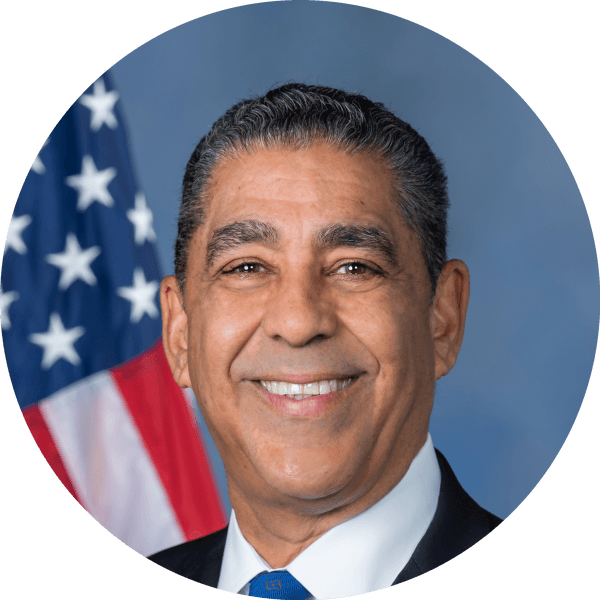
Adriano Espaillat
Democrat · NY
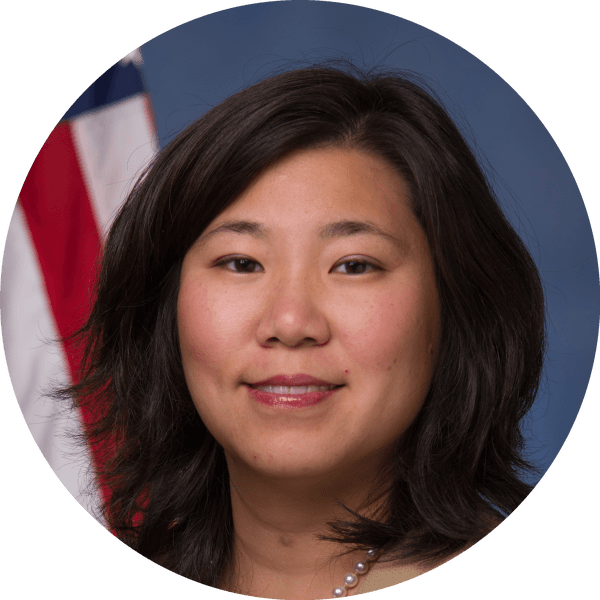
Grace Meng
Democrat · NY
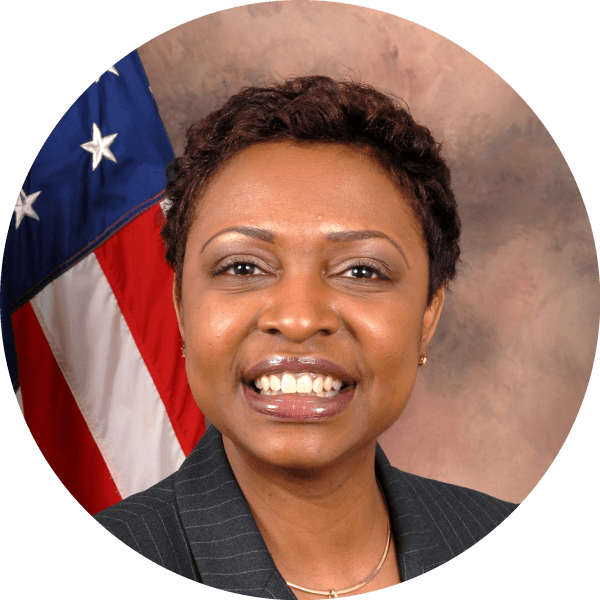
Yvette Clarke
Democrat · NY
Jamie Raskin
Democrat · MD

Derek Tran
Democrat · CA
Raja Krishnamoorthi
Democrat · IL

Eleanor Norton
Democrat · DC
Juan Vargas
Democrat · CA

Shri Thanedar
Democrat · MI
Rashida Tlaib
Democrat · MI
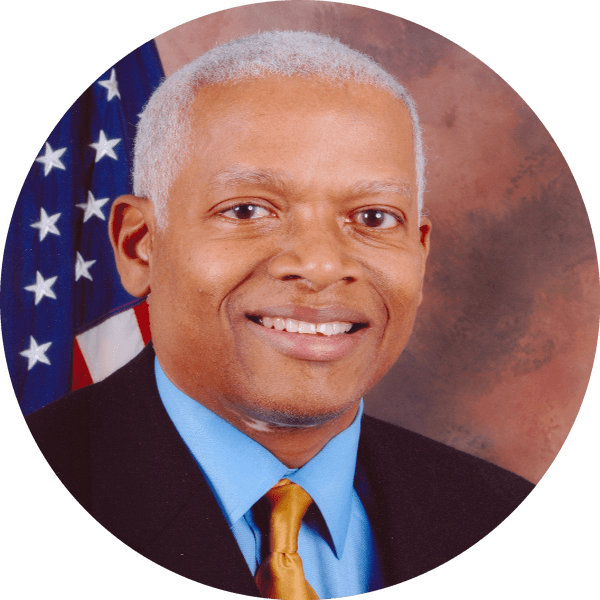
Henry Johnson
Democrat · GA

Jasmine Crockett
Democrat · TX
Cosponsor Coverage Map
Committee Sponsors
Judiciary Committee
15 of 44 committee members cosponsored


4 Democrats across this committee haven't cosponsored yet. Mobilize their constituents
H.R. 3368 Quick Facts
- Committee
- Judiciary
- Chamber
- House
- Policy
- Immigration
- Introduced
- May 13, 2025
Referred to the House Committee on the Judiciary.
May 13, 2025
Official Sources
Official bill page with text, 140 cosponsors, and referral to the House Judiciary Committee.
The official publication of the birthright citizenship order at 90 FR 8449 that the bill defunds.
The Citizenship Clause the bill quotes in its findings, with the Library of Congress annotations.
The Immigration and Nationality Act section the findings cite as enshrining birthright citizenship in federal law.
The full text of the 1898 Supreme Court decision the bill quotes on citizenship by birth.
The June 2025 ruling on the nationwide injunctions against the order, which shapes whether it can take effect.
How USCIS currently determines citizenship at birth under INA 301 and 309.
The agency guidance for carrying out the order that the bill would leave without funding.
H.R. 3368 Common Questions
What does H.R. 3368 do?
It blocks all federal funding for Executive Order 14160, President Trump's birthright citizenship order, and for any replacement order, regulation, or policy. Agencies could not spend money carrying it out.
What does Executive Order 14160 actually do?
It directs federal agencies to stop recognizing the citizenship of children born in the U.S. after February 19, 2025, when the mother is unlawfully present or here temporarily and the father is not a citizen or green-card holder.
Does H.R. 3368 change who is a U.S. citizen at birth?
No. It writes no citizenship rule. Existing law and the 14th Amendment stay exactly as they are. The bill only stops federal money from being used to enforce the order that narrows how agencies recognize citizenship.
Can a funding ban really stop an executive order?
It stops agencies from acting on it. Checking a parent's status and refusing a passport or Social Security number takes staff time and systems, all paid for with appropriated money. Without funding, the order stays on paper.
Could the administration just reissue the order under a new name?
The bill anticipates that. The ban covers any successor executive order, regulation, or policy, so a rewrite or an agency memo pursuing the same result would be defunded too.
Is the birthright citizenship order in effect right now?
Federal courts blocked it before its February 2025 start date, and the constitutional fight has continued since. H.R. 3368 does not depend on the outcome. It cuts off enforcement money whether or not the order survives in court.
What is the bill's legal argument against the order?
The findings quote the 14th Amendment's citizenship clause and the Supreme Court's 1898 Wong Kim Ark ruling, which sponsors say guarantees citizenship to children born here to non-citizen parents. They also note federal courts have ruled against the order.
Who sponsors H.R. 3368 and where does it stand?
Rep. Delia Ramirez (D-IL) introduced it on May 13, 2025, with 140 House cosponsors, all Democrats. It was referred to the House Judiciary Committee and has not had a hearing or vote.
Based on H.R. 3368 bill text
H.R. 3368 Bill Text
“To prohibit the use of Federal funds to carry out Executive Order 14160.”
Source: U.S. Government Publishing Office
Get notified when H.R. 3368 moves
Committee votes, floor action, cosponsor changes — straight to your inbox.
Bill alerts + Legisletter's monthly briefing. Unsubscribe anytime.
Immigration Bills
9 related bills we're tracking
American Dream and Promise Act of 2025
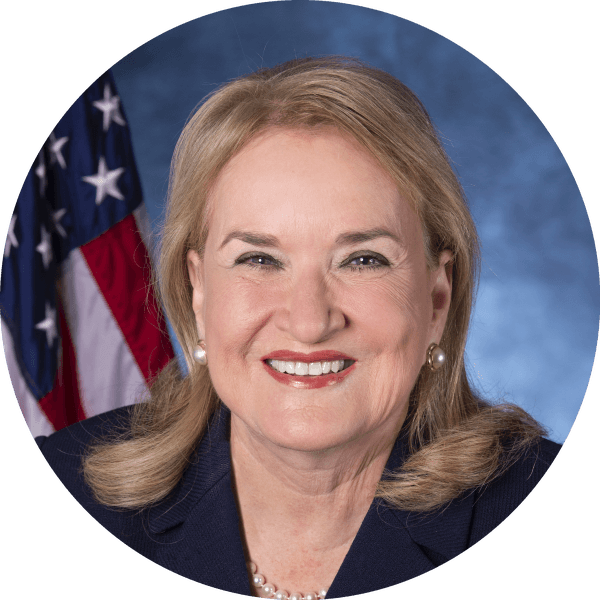
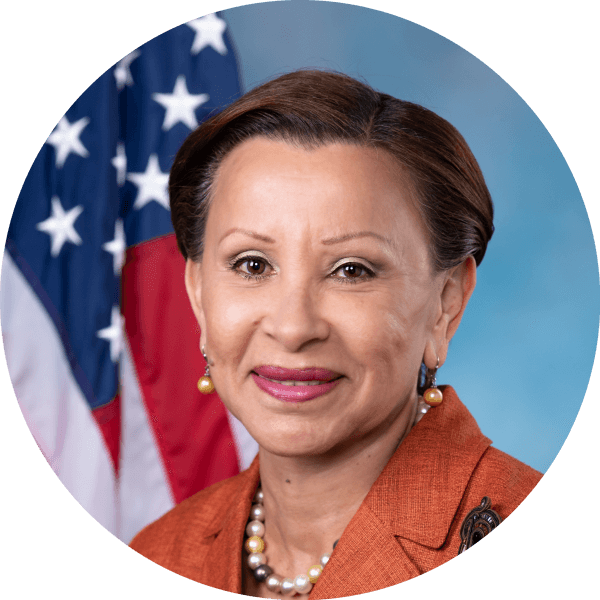
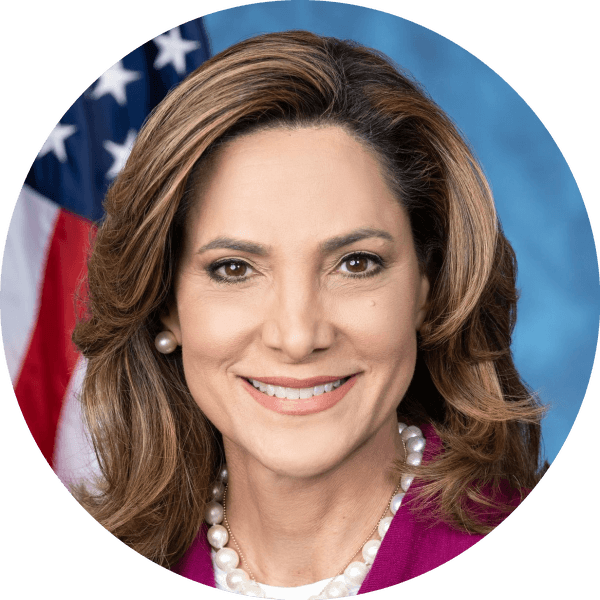

Sponsor introductory remarks on measure. (CR H884)
Feb 27, 2025
Protecting Sensitive Locations Act
Referred to the House Committee on the Judiciary.
Feb 6, 2025
Dignity for Detained Immigrants Act


Referred to the Subcommittee on Oversight, Investigations, and Accountability.
Dec 4, 2025
No Secret Police Act of 2025


Referred to the Subcommittee on Border Security and Enforcement.
Jun 27, 2025
NO BAN Act

Referred to the Subcommittee on Border Security and Enforcement.
Feb 4, 2025
Stop Excessive Force in Immigration Act of 2025

Referred to the House Committee on the Judiciary.
Nov 7, 2025
REMAIN in Mexico Act of 2025

Referred to the House Committee on the Judiciary.
Jan 9, 2025
Humanitarian Standards for Individuals in ICE and CBP Custody Act


Sponsor introductory remarks on measure. (CR H2018)
Feb 4, 2026
Birthright Citizenship Act of 2025


Referred to the House Committee on the Judiciary.
Jan 21, 2025
Trending Right Now
Bills gaining momentum across Congress
North Platte Canteen Congressional Gold Medal Act



Referred to the House Committee on Financial Services.
Feb 21, 2025
Fit to Serve Act

Referred to the House Committee on Armed Services.
May 21, 2025
ASAP Act

Ordered to be Reported in the Nature of a Substitute by the Yeas and Nays: 40 - 0.
Sep 16, 2026
Tracking Immigration in Congress? Monitor bills, track cosponsor momentum, and launch advocacy campaigns — all from one advocacy platform.