H.R. 3449: Stronger Communities through Better Transit Act
Sponsor
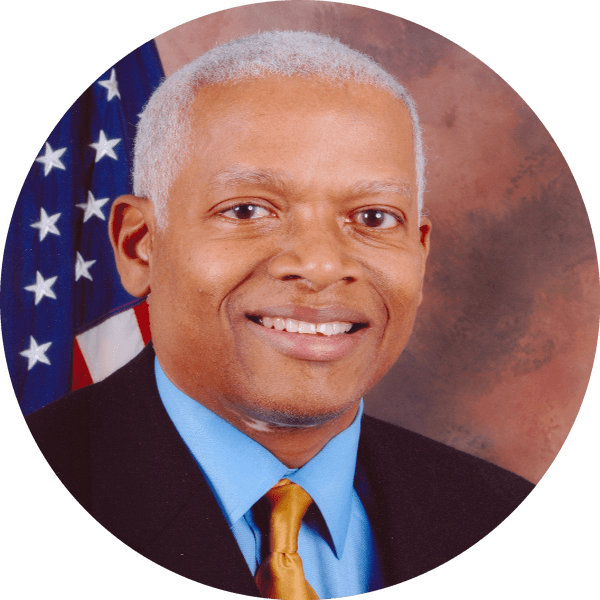
Henry Johnson
Democrat · GA-4
$80 billion aimed at how often your bus comes
Why it matters
$20 billion a year — $80 billion over four years — that transit agencies could put into running service instead of building it: shorter waits, later hours, routes that reach a job or a clinic. Most of every grant would have to benefit underserved communities or areas of persistent poverty, though the bill leaves it to the Department of Transportation to define exactly how much "most" means. No agency could pull more than 80 percent of its recent operating costs out of the program in a single year. H.R. 3449 carries 147 cosponsors.
H.R. 3449 would create a new grant program at the Department of Transportation with one purpose: paying the bills that come with actually operating a transit system. Drivers, dispatchers, fuel, the hours a vehicle spends in service. Federal dollars would go toward how long a bus is on the road, not just toward the bus.
The authorization is $20 billion a year for fiscal years 2025 through 2028, or $80 billion in total. Each urbanized area, state, and Tribe would start with an amount equal to half its average annual operating costs over the previous three years, and whatever is left over would be split in proportion to operating costs reported nationally. No recipient could draw more than 80 percent of its own three-year average out of the program in any one year.
The list of what the money can buy reads like a list of rider complaints. Shorter waits between vehicles. New or expanded service areas, hours, or days. Reliability and travel-time improvements, including giving transit priority on the road. Real-time arrival information. Fare coordination and payment that works across systems. Signage that tells you where to go. Service planning aimed at reaching jobs, health care, child care, education, food, and banking. Extra cleaning. Hiring and training the workers needed to keep service running.
A preponderance of every grant would have to go to projects benefiting underserved communities or areas of persistent poverty. Persistent poverty means a county that has stayed at or above a 20 percent poverty rate across the most recent 30-year period, or a census tract at 20 percent in the 2014 through 2018 Census survey data. Underserved is broader — six separate definitions covering median income at or below 80 percent of the area median, census tracts with a minority population of at least 30 percent, families in disaster-affected areas, and communities the Secretary finds have low access to jobs and essential services. What "preponderance" means in practice is left to the Department, which would have a year after enactment to write that rule.
The strings attached are mostly about not backsliding. Each year an agency would have to certify what it spends on transit operations from every source other than this program. An agency that lets its own transit spending slip loses a third of the next year's federal grant. The money is meant to add service, not to swap out a local budget line. Agencies would also have to survey both riders and non-riders in the target communities at least every two years and publish the results online, report service frequency and job access to the national transit database, and, in the case of states, file an annual list of rural communities that have no reported transit service at all or sit in the bottom fifth of the country for rural transit availability.
Two pieces sit outside the main program. Tribal recipients would owe no local match at all — the federal share for them is the full 100 percent. And a separate provision raises the federal share for rural operating assistance to 80 percent of net operating costs. The bill also records a sense of Congress that transit capital funding should increase, positioning operating money as something that sits alongside construction dollars rather than replacing them.
Bill Progress
Latest Action · May 16, 2025
Assigned to Subcommittee on Highways and Transit. for review
H.R. 3449 Bill Summary
What H.R. 3449 actually does.
Federal money could pay to run service, not just build it
H.R. 3449 authorizes $20 billion a year for fiscal years 2025 through 2028 — $80 billion total — for a grant program covering the operating costs of public transportation. Agencies could spend it on the hours a vehicle is in service rather than on construction or vehicle purchases.
Shorter waits, later buses, and a way to know when yours is coming
Eligible uses include decreasing headways, adding new or expanded service areas, hours, or days, improving reliability and travel times through transit prioritization, real-time transit data, fare coordination and multimodal payment, wayfinding and signage, and service planning aimed at reaching jobs, health care, child care, education, food, and financial services.
Most of every grant has to reach high-poverty and underserved areas
A preponderance of each grant must be used for projects benefiting underserved communities or areas of persistent poverty. The bill defines persistent poverty as a 20 percent poverty rate sustained across three decades in a county, or 20 percent in a census tract under the 2014 through 2018 American Community Survey. It gives six alternative definitions of an underserved community, and leaves the Department of Transportation to define how much of a grant counts as a preponderance.
Agencies pay less where local budgets are thinnest
The federal share is capped at 50 percent of project costs in general, rises to 80 percent for operating assistance in an area of persistent poverty or an underserved community, and reaches 100 percent for Indian Tribes. Up to a quarter of the required non-federal share can be met with money spent on associated capital improvements tied to the project.
Cities cannot swap federal money in for their own
Recipients must certify within 30 days of each fiscal year that they will maintain their transit spending effort from all other sources, and report what they spent last year and expect to spend this year. A recipient that fails to maintain that certified level has the following year's grant reduced by one-third.
Agencies have to ask the people who do not ride
Recipients must show they have surveyed current riders and non-riding residents of underserved communities and areas of persistent poverty within the past year and at least every two years after, using methods designed to maximize participation from both groups, and publish the survey online. They must also report service frequency, revenue vehicle hours, and access to jobs and essential services to the National Transit Database.
Rural systems get a bigger federal share, and states must name the gaps
A separate provision raises the federal share for rural operating assistance to 80 percent of net operating costs. States must also file an annually updated report identifying underserved and persistent-poverty rural areas with no reported transit service, or where rural transit availability or use falls in the bottom quintile nationally, along with progress toward serving them.
Who benefits from H.R. 3449?
Riders on service that is infrequent, ends early, or does not go far enough
Decreasing headways, extending hours and days, and expanding service areas are the first three eligible uses named in the bill. This is money aimed at the schedule rather than at new construction.
People without a car trying to reach work, a clinic, or child care
The bill funds service planning built specifically around essential trips — employment, health care facilities, child care, education and workforce training, food sources, banking, and retail — and funds measuring how well transit reaches those destinations, particularly for non-drivers.
Residents of areas of persistent poverty and underserved communities
A preponderance of every grant must benefit these areas, and the federal share for operating assistance there rises from 50 to 80 percent. The bill's persistent-poverty definition covers counties at or above a 20 percent poverty rate over three decades and census tracts at 20 percent in recent Census survey data.
Tribal transit operators
Indian Tribes would receive a 100 percent federal share, removing the local match entirely. Tribal recipients get their own apportionment line equal to half their average annual operating costs over the prior three years.
Rural systems and the towns with no bus at all
The federal share for rural operating assistance would rise to 80 percent of net operating costs. States would separately have to publish which rural communities have no reported transit service or land in the bottom fifth nationally for availability, and what they plan to do about it.
Transit workers
Workforce development initiatives needed to improve or maintain service are an eligible use, as are cleaning and safety measures. The bill also directs the Secretary to apply the federal transit labor protections that cover other chapter 53 programs to this one.
Who is affected by H.R. 3449?
Local transit agencies
Agencies would gain an operating funding stream tied to their own costs, and take on new obligations: annual maintenance-of-effort certification, biennial surveys of riders and non-riders published online, expanded reporting on service frequency and job access, and a requirement to direct most of each grant to high-need areas.
City and county budget officials
The maintenance-of-effort condition means local transit spending cannot fall while the federal grant flows. A locality that reduces its own contribution costs the agency one-third of the following year's federal money.
State transportation departments
States would administer apportionments for their rural subrecipients, ensure each subrecipient runs and publishes the required surveys, and file an annual report identifying unserved and bottom-quintile rural communities along with progress toward reaching them.
The Department of Transportation and FTA
The Department would have to stand up the program, issue regulations within one year including definitions of "preponderance of a grant" and "access to jobs and essential services," build a multimodal access measurement interface open to any public agency, and manage reapportionment of funds left unobligated after two years.
Appropriators and taxpayers
The bill authorizes up to $80 billion over four years but does not appropriate it. Funding operations at this scale would be a shift from a federal transit role that has leaned heavily toward capital spending, and every dollar would still have to clear the annual appropriations process.
The Government Accountability Office
GAO would owe Congress a report within four years of enactment reviewing what the program produced — new service, and improvements in access to work and essential services, with specific attention to areas of persistent poverty and underserved communities.
Cost & Funding
Authorization
$20,000,000,000 for each of fiscal years 2025 through 2028 — up to $80,000,000,000 authorized in total
- Authorized, not appropriated. Congress would still have to fund the $20 billion each year through the annual appropriations process.
- The first tranche equals 50 percent of a recipient's average annual operating costs over the prior three years. Anything left in the pot after that is split in proportion to nationally reported operating costs.
- The hard ceiling is 80 percent of a recipient's three-year average operating costs in any single year. A system averaging $300 million in annual operating costs would start with $150 million and could not draw more than $240 million.
- The federal share of a project is capped at 50 percent, rising to 80 percent for operating assistance in areas of persistent poverty or underserved communities, and 100 percent for Indian Tribes.
- Up to 25 percent of the required non-federal share can be met with money spent on associated capital improvements related to the project, rather than cash.
- Recipients have two years after the fiscal year of apportionment to obligate the money. Anything unobligated rolls back into the following year's apportionment within 30 days.
- Failing the annual maintenance-of-effort certification costs a recipient one-third of the next year's grant.
- A separate provision raises the federal share for rural operating assistance to 80 percent of net operating costs.
HR3449 Legislative Journey
House: Committee Action
May 16, 2025
Referred to the Subcommittee on Highways and Transit.
House: Committee Action
May 15, 2025
Referred to the House Committee on Transportation and Infrastructure.
About the Sponsor
Henry Johnson
Democrat, Georgia's 4th congressional district · 19 years in Congress
Committees: Transportation and Infrastructure, the Judiciary
View full profile →
Cosponsors (150)
This bill has 150 cosponsors: 149 Democrats, 1 Republican. Cosponsors represent 37 states: Alabama, Arizona, California, and 34 more.

Steve Cohen
Democrat · TN
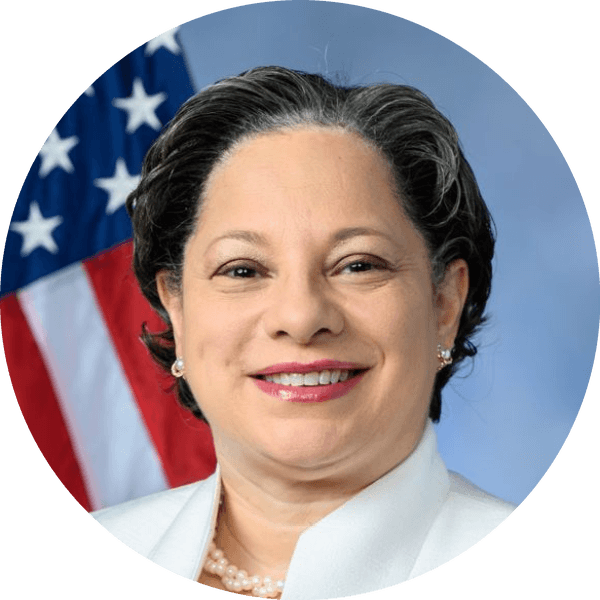
Jennifer McClellan
Democrat · VA

Rashida Tlaib
Democrat · MI

Maxwell Frost
Democrat · FL
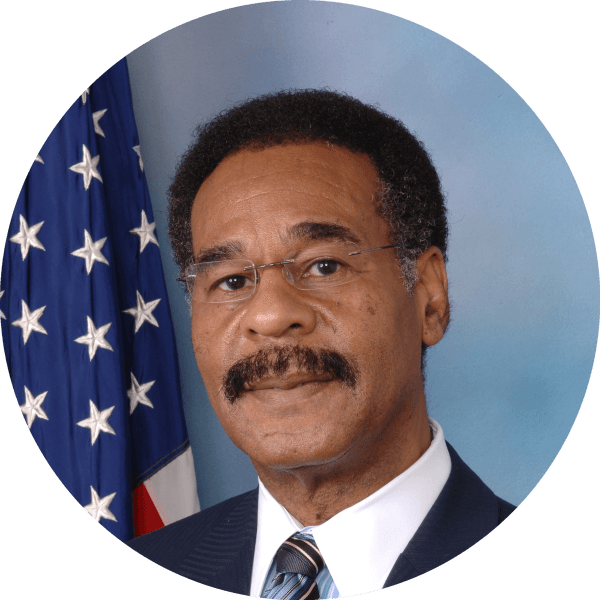
Emanuel Cleaver
Democrat · MO

Madeleine Dean
Democrat · PA
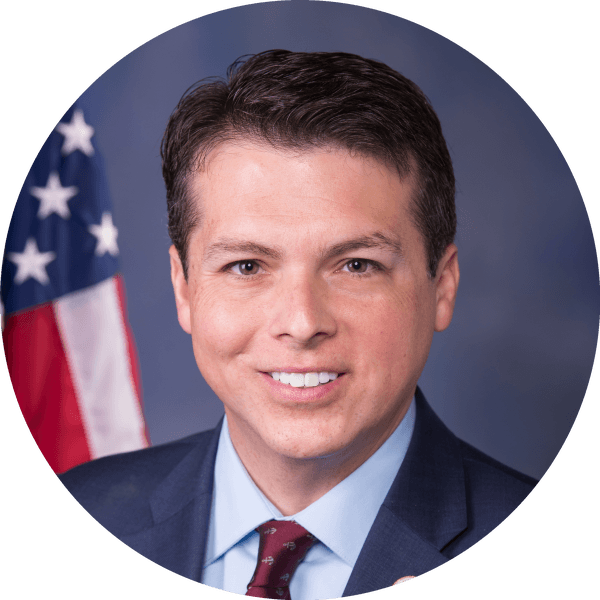
Brendan Boyle
Democrat · PA

Lloyd Doggett
Democrat · TX
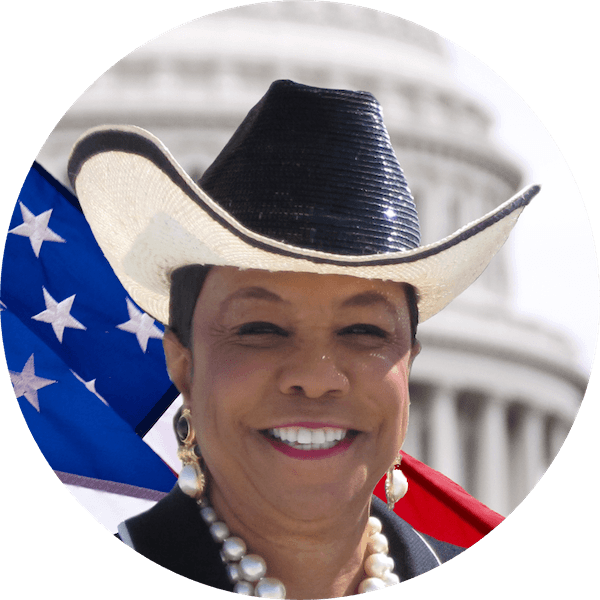
Frederica Wilson
Democrat · FL

Delia Ramirez
Democrat · IL
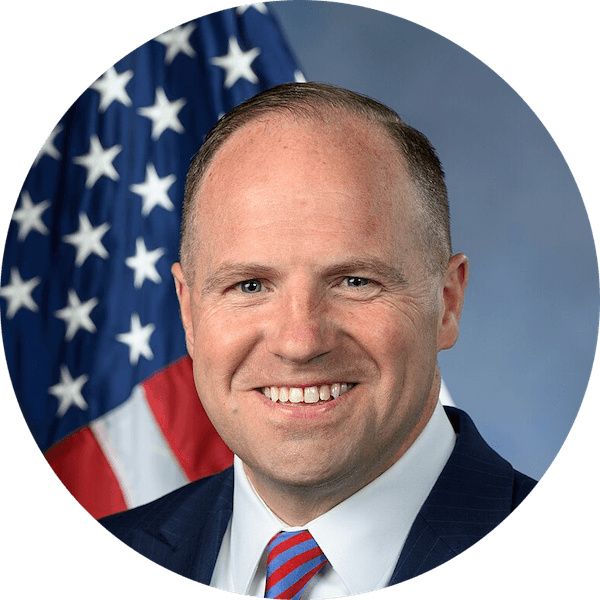
Timothy Kennedy
Democrat · NY

LaMonica McIver
Democrat · NJ
Cosponsor Coverage Map
Committee Sponsors
Transportation and Infrastructure Committee
22 of 67 committee members cosponsored


9 Democrats across this committee haven't cosponsored yet. Mobilize their constituents
H.R. 3449 Quick Facts
- Committee
- Transportation and Infrastructure
- Chamber
- House
- Policy
- Transportation and Public Works
- Introduced
- May 15, 2025
Assigned to Subcommittee on Highways and Transit. for review
May 16, 2025
Official Sources
Official bill page with status, text, sponsors, cosponsors, and actions for the Stronger Communities through Better Transit Act.
The bill inserts a new section 5308 immediately after section 5307, and draws its list of eligible recipients from this existing urbanized-area formula program.
Eligible recipients also include subrecipients under section 5311, and a separate provision of the bill raises the federal share for rural operating assistance to 80 percent.
The bill gives Indian Tribes their own apportionment line and a 100 percent federal share, on top of this existing tribal transit formula program.
Apportionments are calculated from operating costs reported here, and recipients would have to report service frequency and access to jobs to this database.
The statutory text the bill amends, showing the existing chapter 53 grant structure the new operating-cost program would sit inside.
Section 2(c) of the bill directs the Secretary to apply the section 5333 transit labor protections, administered by DOL, to the new program.
The bill defines a persistent-poverty census tract using the 2014 through 2018 5-year data series from this Census survey.
H.R. 3449 Common Questions
What does H.R. 3449 actually do?
It creates a federal grant program for the cost of running transit, not building it. Agencies could put the money toward drivers, fuel, and the hours vehicles spend in service, so buses and trains come more often and run later.
How much money is in H.R. 3449, and is it real money yet?
The bill authorizes $20 billion a year for fiscal years 2025 through 2028, up to $80 billion total. Authorizing is not the same as funding. Appropriators would still have to write the check each year for anything to reach an agency.
Would this make my bus come more often?
That is what the money is for. Eligible uses start with decreasing headways and adding service hours, days, and coverage, then include reliability improvements, transit priority on the road, real-time arrival information, and fare and payment coordination across systems.
Who has to get the money under H.R. 3449?
A preponderance of every grant must go to projects benefiting underserved communities or areas of persistent poverty. The bill sets a 20 percent poverty threshold for qualifying counties and census tracts, and leaves the Department of Transportation to define how much counts as a preponderance.
How much of a transit agency's costs would the federal government cover?
Up to 50 percent as a rule. That rises to 80 percent for operating assistance in an area of persistent poverty or an underserved community, and to 100 percent for Indian Tribes. A quarter of the local share can be met with related capital spending instead of cash.
Could my city use this money to cut its own transit budget?
The bill is written against that. Recipients must certify each year that they will maintain their transit spending from all other sources. If that level slips, the following year's federal grant is reduced by one-third.
Does H.R. 3449 do anything for rural or Tribal transit?
Both. Tribal recipients would owe no local match, with the federal share set at 100 percent. Separately, the bill raises the federal share for rural operating assistance to 80 percent of net operating costs, and requires states to publish which rural communities have no transit service at all.
Where does H.R. 3449 stand right now?
It was introduced in May 2025 and referred to the Highways and Transit subcommittee the next day, where it has stayed without a hearing or markup. It carries 147 cosponsors. Two of the four fiscal years it authorizes have already passed.
Based on H.R. 3449 bill text
H.R. 3449 Bill Text
“To amend title 49, United States Code, to establish a program to provide grants to eligible recipients for eligible operating support costs of public transportation, and for other purposes.”
Source: U.S. Government Publishing Office
Get notified when H.R. 3449 moves
Committee votes, floor action, cosponsor changes — straight to your inbox.
Bill alerts + Legisletter's monthly briefing. Unsubscribe anytime.
Transportation and Public Works Bills
9 related bills we're tracking
SHIPS for America Act of 2025


Referred to the Subcommittee on Coast Guard and Maritime Transportation.
May 1, 2025
ALERT Act

Received in the Senate and Read twice and referred to the Committee on Commerce, Science, and Transportation.
Apr 15, 2026
PART Act

Forwarded by Subcommittee to Full Committee by Voice Vote.
Feb 10, 2026
ROTOR Act


On motion to suspend the rules and pass the bill Failed by the Yeas and Nays: (2/3 required): 264 - 133 (Roll no. 72).
Feb 24, 2026
SELF DRIVE Act of 2026




Forwarded by Subcommittee to Full Committee by the Yeas and Nays: 12 - 11.
Feb 10, 2026
BASICS Act


Referred to the House Committee on Transportation and Infrastructure.
Feb 9, 2026
She DRIVES Act


Placed on Senate Legislative Calendar under General Orders. Calendar No. 141.
Jul 31, 2025
To amend title 23, United States Code, and the Infrastructure Investment and Jobs Act with respect to vehicle roadside crashes, work zone safety, and for other purposes.

Referred to the Subcommittee on Highways and Transit.
Apr 24, 2025
Air Carrier Access Amendments Act of 2026

Referred to the House Committee on Transportation and Infrastructure.
Jun 18, 2026
Trending Right Now
Bills gaining momentum across Congress
North Platte Canteen Congressional Gold Medal Act



Referred to the House Committee on Financial Services.
Feb 21, 2025
America’s Olympic and Paralympic Games Commemorative Coins Act




Referred to the House Committee on Financial Services.
Jul 14, 2025
Fit to Serve Act



Referred to the House Committee on Armed Services.
May 21, 2025
Tracking Transportation and Public Works in Congress? Monitor bills, track cosponsor momentum, and launch advocacy campaigns — all from one advocacy platform.