H.R. 7390: SELF DRIVE Act of 2026
Sponsor

Robert Latta
Republican · OH-5
Driverless cars need one federal safety rulebook
Why it matters
Every crash in which a self-driving system was engaged in the last 30 seconds would have to be reported to a federal database within 30 days. H.R. 7390 also requires every driverless car maker to prove its system is safe before selling it, and bars states from banning cars that clear that bar.
Before a company could sell a self-driving system or a car built around one, it would have to write a "safety case": a documented argument, backed by evidence, that the system won't pose an unreasonable risk of crashes, death, or injury. The case covers the car's sensors, braking, steering, and backup systems, where and when it's designed to drive, how it reacts to an imminent crash, and a cybersecurity plan against hacking and false control commands.
The system also has to meet a list of basic skills. It must spot and respond to pedestrians, cyclists, and wheelchair users, yield to emergency vehicles and school buses, obey local traffic laws, and know when it has left the conditions it was built for. Manufacturers hand the safety case to NHTSA on request, and NHTSA must turn the requirement into a formal safety standard by September 30, 2027.
If you ride in a car with no steering wheel, you must be able to tell it to pull over safely and then get out. That is the trade-off for dropping the pedals and wheel: fully driverless vehicles no longer have to carry human-driver controls, and cargo-only vehicles are exempt entirely.
Crashes go into a new National Automated Vehicle Safety Data Repository. Any crash involving a death, a hospital trip, an airbag, a tow, or a pedestrian or cyclist being hit must be reported if the system was engaged within 30 seconds beforehand. Companies also report their driverless miles every quarter for five years. The repository replaces NHTSA's existing 2021 crash-reporting order for these vehicles.
States could no longer ban the sale of a self-driving car whose maker has completed a safety case, or demand their own crash reports. States keep control of traffic laws, registration, inspections, insurance, congestion management, consumer protection, and environmental rules, and injured people can still sue under state common law.
The bill also lets NHTSA approve paid robotaxi rides and freight hauling during testing, with caps on fleet size, mileage, revenue, or duration so testing doesn't turn into full-scale deployment. A final section orders the Commerce Department to review its 2025 rule restricting connected-car technology from foreign adversaries.
Bill Progress
Latest Action · Feb 10, 2026
Forwarded by Subcommittee to Full Committee by the Yeas and Nays: 12 - 11.
H.R. 7390 Bill Summary
What H.R. 7390 actually does.
Carmakers must prove a driverless system is safe before selling it
No self-driving system or vehicle can be sold or imported without a safety case: evidence-backed claims covering hardware and software, operating conditions, hazard analysis, crash response, warning signals to nearby road users, and a cybersecurity plan. NHTSA must write this into a formal safety standard by September 30, 2027, or explain the delay to Congress.
Self-driving cars must handle pedestrians, school buses, and ambulances
Each system must show it can detect and respond to vulnerable road users, emergency vehicles and personnel, and school buses; follow state and local traffic laws; and recognize when conditions fall outside what it was designed for. Level 3 systems must give a human driver enough lead time to take over; Level 4 and 5 systems must be able to stop safely on their own.
Riders keep a way to stop the car and get out
Fully driverless vehicles that carry passengers can skip the steering wheel and pedals, but only if a rider can command the car to reach a safe stop from inside and then exit safely. Vehicles built only to carry cargo are exempt from manual controls outright.
Serious crashes go into a federal database
Manufacturers must report any crash on a public road involving a death, a hospital transport, an airbag deployment, a tow, or a strike on a pedestrian, cyclist, motorcyclist, or wheelchair user, if the system was engaged in the 30 seconds before. Reports are due within 30 days of the crash or 10 days after the company learns of it, whichever is later, and include time, location, injuries, and a summary.
Quarterly mileage reports for five years
Companies must report total miles driven with the system engaged each quarter, including miles in paid service. The requirement ends five years after the crash database rule is finalized.
One national standard in place of state bans
States and localities can't prohibit the sale of self-driving cars whose makers have completed a safety case, and can't require separate crash reporting. They keep authority over traffic laws, registration, inspections, insurance, consumer protection, environmental rules, and dealer sales and repair. Following federal rules does not shield a company from common-law lawsuits.
Paid robotaxi and freight trips allowed during testing
NHTSA may let manufacturers carry paying passengers or haul freight as part of testing, subject to limits on fleet size, mileage, revenue, or duration set jurisdiction by jurisdiction so testing doesn't become de facto deployment of vehicles that don't meet current standards.
Commerce reviews its foreign connected-car rule
Within one year, the Commerce Department must review how its January 2025 rule on connected-vehicle technology supply chains is being implemented, then brief the House and Senate commerce and foreign affairs committees within 60 days.
Who benefits from H.R. 7390?
Robotaxi and autonomous trucking companies
Waymo-style ride services and driverless freight operators would get one national set of rules in place of a state-by-state patchwork, protection from state sales bans once a safety case is done, and a federal path to charge for rides and haul freight while still testing.
Pedestrians, cyclists, and wheelchair users
The bill names them as vulnerable road users. Every self-driving system must demonstrate it can detect and respond to them, and any engaged-system crash that strikes one must be reported to federal regulators.
Riders in vehicles with no steering wheel
Anyone riding in a fully driverless car is guaranteed an in-cabin way to command a safe stop and a safe way out once the car stops.
People who can't drive
The bill's stated purpose includes improving mobility and accessibility. Wider deployment of driverless vehicles could expand transportation options for people with disabilities and older adults who no longer drive.
Who is affected by H.R. 7390?
State and local governments
States like California that license driverless deployment and collect their own crash reports would lose the power to ban sales of vehicles with a completed safety case or to require separate crash reports. They could still enforce identical requirements and keep control of traffic laws, registration, inspections, insurance, and consumer protection.
Self-driving car manufacturers
Every system version needs a documented safety case, every covered crash must be reported within 30 days, and driverless miles must be reported quarterly for five years. Compliance doesn't protect them from lawsuits by people injured in crashes.
Anyone looking for crash details
The bill requires a public data-sharing system, but crash information stays subject to federal confidential-business-information protections. Data shared with state agencies is exempt from public-records requests, so journalists, researchers, and crash victims may see less than regulators do.
NHTSA and the Commerce Department
NHTSA must write the crash database rule and the safety case standard on fixed deadlines, review any SAE definition changes within 180 days, and report to Congress within four years on new standards. Commerce must review its connected-vehicle supply chain rule within a year.
HR7390 Legislative Journey
House: Vote: 12-11
Feb 10, 2026
Forwarded by Subcommittee to Full Committee by the Yeas and Nays: 12 - 11.
House: Committee Action
Feb 5, 2026
Referred to the Subcommittee on Commerce, Manufacturing, and Trade.
About the Sponsor
Robert Latta
Republican, Ohio's 5th congressional district · 19 years in Congress
Committees: Energy and Commerce
View full profile →
Cosponsors (15)
All 15 cosponsors are Republicans. Cosponsors represent 12 states: Arizona, California, Florida, and 9 more.

Craig Goldman
Republican · TX

Thomas Kean
Republican · NJ

David Schweikert
Republican · AZ

Troy Balderson
Republican · OH

Burgess Owens
Republican · UT

Gus Bilirakis
Republican · FL

Erin Houchin
Republican · IN

Matt Van Epps
Republican · TN

Mariannette Miller-Meeks
Republican · IA
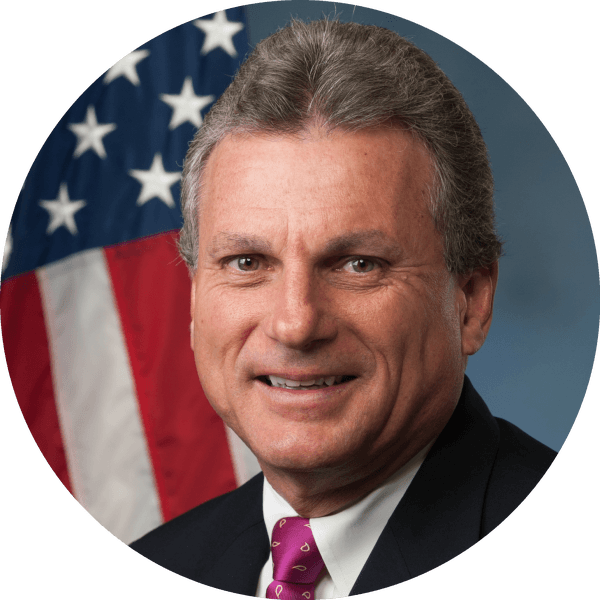
Earl Carter
Republican · GA
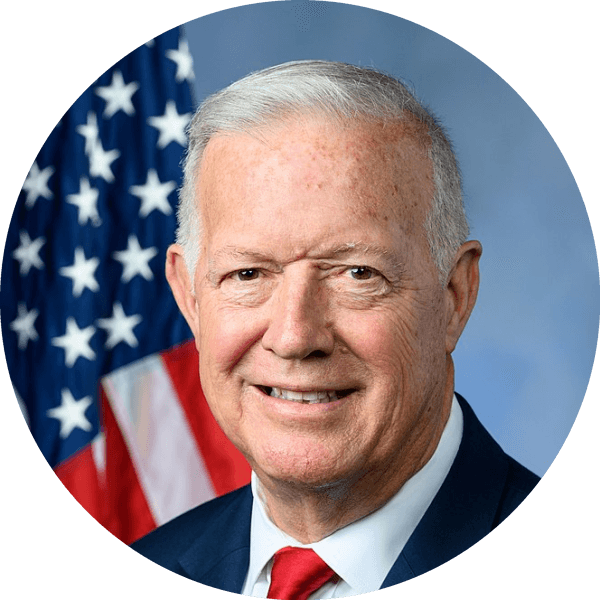
Randy Weber
Republican · TX

Richard Hudson
Republican · NC
Committee Sponsors
Energy and Commerce Committee
11 of 54 committee members cosponsored


46 Republicans across these committees haven't cosponsored yet. Mobilize their constituents
H.R. 7390 Quick Facts
- Committee
- Energy and Commerce
- Chamber
- House
- Policy
- Transportation and Public Works
- Introduced
- Feb 5, 2026
Forwarded by Subcommittee to Full Committee by the Yeas and Nays: 12 - 11.
Feb 10, 2026
Official Sources
Official bill page for H.R. 7390 with status, full text, sponsors, and committee actions.
The 2021 crash-reporting order for automated vehicles that the bill would repeal and replace with a national crash database.
NHTSA's overview of automated driving technology and how the agency currently oversees self-driving vehicle testing.
The federal motor vehicle safety law the bill amends to add safety case, crash reporting, and preemption provisions.
The standard-setting authority NHTSA would use to turn the safety case requirement into a formal safety standard.
The civil penalty section the bill extends to cover violations of the new safety case and crash reporting rules.
The January 2025 connected-vehicle supply chain rule (90 Fed. Reg. 5360) that Commerce must review under Section 6.
The Commerce office that administers the connected-vehicle rule, including authorizations and compliance guidance.
Who is lobbying on H.R. 7390?
7 organizations lobbying on this bill
AMERICAN CHEMISTRY COUNCIL | 2 |
WAYMO LLC | 2 |
GENERAL MOTORS | 2 |
NATIONAL AUTOMOBILE DEALERS ASSOCIATION | 2 |
WAYMO LLC | 2 |
NOSSAMAN LLP ON BEHALF OF SAN FRANCISCO COUNTY TRANSPORTATION AUTHORITY | 2 |
WAYMO LLC | 1 |
Showing 1-7 of 7 organizations
H.R. 7390 Common Questions
What does the SELF DRIVE Act of 2026 do?
H.R. 7390 sets federal rules for self-driving cars. Makers must document why their system is safe before selling it, report serious crashes to a national database, and give riders a way to stop the car and get out. States couldn't ban sales of vehicles that meet those rules.
Can a self-driving car be sold without a steering wheel or pedals?
Yes, if it's fully driverless. A car designed to drive itself on every trip can skip human controls, but only if a rider can command it to pull over safely from inside and then get out. Cargo-only vehicles don't need manual controls at all.
Which self-driving car crashes have to be reported?
Any crash on a public road involving a death, a hospital trip, an airbag deployment, a tow, or hitting a pedestrian, cyclist, or wheelchair user, if the system was engaged in the 30 seconds before. Reports are due within 30 days, or 10 days after the company learns of the crash, whichever is later.
Will the public be able to see self-driving car crash data?
Partly. The bill requires NHTSA to publicly share repository data, but only after federal protections for confidential business information are applied. Crash details passed to state agencies are exempt from public-records requests.
Could states still ban driverless cars under H.R. 7390?
Not if the manufacturer has completed a safety case. States also couldn't require their own crash reports. They'd still control traffic laws, registration, inspections, insurance, consumer protection, environmental rules, and dealer sales and repair.
Can I still sue if a self-driving car hits me?
Yes. The bill says following the federal safety case and crash-reporting rules does not exempt a company from liability under common law, so personal injury claims in state court remain available.
What is a safety case for a self-driving car?
It's the manufacturer's evidence-backed argument that its system won't pose an unreasonable risk of crashes, death, or injury. It covers sensors, braking, steering, backups, where the car is designed to drive, crash response, and cybersecurity. NHTSA can request it at any time.
Could robotaxi companies charge for rides while still testing?
Yes, with NHTSA approval. The agency could allow paid passenger rides and freight hauling during testing, with limits on fleet size, mileage, revenue, or duration so testing doesn't become full deployment.
Based on H.R. 7390 bill text
Full Bill Text
Get notified when H.R. 7390 moves
Committee votes, floor action, cosponsor changes — straight to your inbox.
Bill alerts + Legisletter's monthly briefing. Unsubscribe anytime.
Transportation and Public Works Bills
9 related bills we're tracking
Stronger Communities through Better Transit Act





Referred to the Subcommittee on Highways and Transit.
May 16, 2025
SHIPS for America Act of 2025




Referred to the Subcommittee on Coast Guard and Maritime Transportation.
May 1, 2025
ALERT Act



Received in the Senate and Read twice and referred to the Committee on Commerce, Science, and Transportation.
Apr 15, 2026
PART Act



Forwarded by Subcommittee to Full Committee by Voice Vote.
Feb 10, 2026
ROTOR Act





On motion to suspend the rules and pass the bill Failed by the Yeas and Nays: (2/3 required): 264 - 133 (Roll no. 72).
Feb 24, 2026
BASICS Act




Referred to the House Committee on Transportation and Infrastructure.
Feb 9, 2026
She DRIVES Act



Placed on Senate Legislative Calendar under General Orders. Calendar No. 141.
Jul 31, 2025
To amend title 23, United States Code, and the Infrastructure Investment and Jobs Act with respect to vehicle roadside crashes, work zone safety, and for other purposes.


Referred to the Subcommittee on Highways and Transit.
Apr 24, 2025
Air Carrier Access Amendments Act of 2026


Referred to the House Committee on Transportation and Infrastructure.
Jun 18, 2026
Trending Right Now
Bills gaining momentum across Congress
North Platte Canteen Congressional Gold Medal Act



Referred to the House Committee on Financial Services.
Feb 21, 2025
ASAP Act



Ordered to be Reported in the Nature of a Substitute by the Yeas and Nays: 40 - 0.
Sep 16, 2026
Fit to Serve Act



Referred to the House Committee on Armed Services.
May 21, 2025
Tracking Transportation and Public Works in Congress? Monitor bills, track cosponsor momentum, and launch advocacy campaigns — all from one advocacy platform.