H.R. 2992: To amend title 23, United States Code, and the Infrastructure Investment and Jobs Act with respect to vehicle roadside crashes, work zone safety, and for other purposes.
Sponsor

Troy Carter
Democrat · LA-2
Roadside and work-zone deaths get a real federal count
Why it matters
When your car breaks down and you step onto the shoulder — or when a road crew works a few feet from live traffic — you're in one of the most dangerous spots on the highway. Yet the federal government doesn't track roadside deaths or work-zone deaths as their own category, which makes them harder to study and prevent. H.R. 2992 would put both on the books as named data categories and stand up two crash working groups to dig into the causes. It's bipartisan: sponsored by a Louisiana Democrat, with four Republicans and two Democrats signed on.
H.R. 2992 doesn't build roads or hand out grants. It changes what the federal government tracks, who it plans for, and who it pulls together to study two kinds of crashes that tend to get buried in the broader fatality numbers.
First, it widens who counts in highway safety planning. The Highway Safety Improvement Program — the federal-state process for targeting dangerous spots — would have to specifically consider "occupants and pedestrians associated with disabled vehicles." That means a person sitting in or standing near a broken-down car becomes part of the safety picture, not an afterthought.
Second, it sharpens the data. Federal injury data would have to name "roadside deaths and work zone deaths" as their own categories rather than folding them into a general fatality count. And reviews of "move over" laws — the rules telling drivers to slow down or change lanes near a stopped vehicle — would expand beyond emergency vehicles to cover stranded motorists, disabled vehicles, and workers and machinery in a work zone.
Third, it builds the machinery to act on that data. The Secretary of Transportation would convene two working groups — one on disabled-vehicle crashes, one on work-zone crashes — pulling in OSHA, the Federal Highway Administration, truckers, first responders, insurers, contractors, engineers, labor unions, and automakers. Each group would collect and publish detailed crash data, write a strategic plan to cut fatal and injury crashes, improve data sharing with the National Highway Traffic Safety Administration, and report annual updates.
Finally, it adds accountability on the money states already have. The Federal Highway Administration would owe Congress a yearly report naming which states used their work-zone safety contingency fund authority, exactly how much each dedicated, and recommendations to improve the program nationwide.
Bill Progress
Latest Action · Apr 24, 2025
Assigned to Subcommittee on Highways and Transit. for review
H.R. 2992 Bill Summary
What H.R. 2992 actually does.
Stranded motorists count in highway safety planning
The Highway Safety Improvement Program would have to consider "occupants and pedestrians associated with disabled vehicles" alongside the other vulnerable road users that federal and state safety planners review.
Roadside and work-zone deaths become named data categories
Federal injury data collection would explicitly include "roadside deaths and work zone deaths" rather than lumping them into a single general fatality count, creating two categories agencies must track.
Move-over law reviews cover more than emergency vehicles
Federal reviews of public-awareness laws would expand from "authorized emergency vehicle" to also cover a stranded motorist, disabled vehicle, and workers, vehicles, or machinery in a work zone.
Two crash working groups, one for the roadside and one for work zones
The Secretary of Transportation would convene a Disabled Vehicle Crash Working Group with OSHA and a Work Zone Crash Working Group with OSHA and FHWA, each tasked with collecting, analyzing, and publishing crash data and building a strategic plan for fatal and non-fatal injury crashes.
Annual updates and better data sharing with NHTSA
Both working groups would report annual updates on awareness and intervention efforts, improve crash-data sharing with the National Highway Traffic Safety Administration, and promote local adoption of the Model Minimum Uniform Crash Criteria.
Yearly report on how states spend work-zone safety funds
The Federal Highway Administration would submit an annual report to Congress naming which states used their work-zone safety contingency fund authority, the specific dollar amounts each dedicated, and recommendations to improve nationwide use.
Who benefits from H.R. 2992?
Anyone broken down on the shoulder
Drivers and passengers waiting beside a disabled vehicle would, for the first time, be named in federal highway safety planning — which could push states to target the roadside crash risks that put them in danger.
Road construction and maintenance crews
Work-zone workers would get a dedicated crash working group convened with OSHA and FHWA, plus annual federal reporting on how states are funding work-zone safety — visibility that advocates say has been missing.
First responders and tow operators
The disabled-vehicle working group would include truckers, traffic incident responders, and first responders — the people who repeatedly work inches from live traffic and stand to gain from better data on what kills them.
Safety planners and public-health researchers
Clearer data rules would require tracking "roadside deaths and work zone deaths" as distinct categories, and both working groups would share more with NHTSA, giving researchers cleaner numbers to work from.
Who is affected by H.R. 2992?
The Secretary of Transportation
The Secretary would have to convene and run two working groups — one on disabled-vehicle crashes and one on work-zone crashes — in coordination with OSHA, and with FHWA on the work-zone group.
The Federal Highway Administration
FHWA would join the work-zone working group, and its Administrator would owe Congress an annual report identifying which states used work-zone safety contingency fund authority and how much each dedicated.
States using highway and work-zone safety funds
States would face more visibility, since annual federal reporting would name which ones tapped their work-zone safety contingency fund authority and disclose exactly how much money each put in.
Industry, labor, and law enforcement stakeholders
The bill names specific outside participants for the working groups — including technology and automobile manufacturers, insurers, law enforcement, contractors, pavers, engineers, and construction labor unions — pulling them into the federal process.
HR2992 Legislative Journey
House: Committee Action
Apr 24, 2025
Referred to the Subcommittee on Highways and Transit.
About the Sponsor
Troy Carter
Democrat, Louisiana's 2nd congressional district · 5 years in Congress
Committees: Homeland Security, Energy and Commerce
View full profile →
Cosponsors (10)
This bill has 10 cosponsors: 5 Democrats, 5 Republicans, reflecting bipartisan support. Cosponsors represent 6 states: Iowa, Indiana, Michigan, and 3 more.




Committee Sponsors
Transportation and Infrastructure Committee
4 of 67 committee members cosponsored


28 Democrats across this committee haven't cosponsored yet. Mobilize their constituents
What laws does H.R. 2992 change?
1 changes
Sections Amended
Section 24109(a) of Infrastructure Investment and Jobs Act (Public Law 117- 58)
inserting ``or motorist, disabled vehicle, worker, vehicle or machinery in a work zone'' after ``authorized emergency vehicle''
H.R. 2992 Quick Facts





- Committee
- Transportation and Infrastructure
- Chamber
- House
- Policy
- Transportation and Public Works
- Introduced
- Apr 24, 2025
Assigned to Subcommittee on Highways and Transit. for review
Apr 24, 2025
Official Sources
Official bill page with text, actions, sponsors, and status for H.R. 2992.
OSHA is specifically named as a partner in both the disabled vehicle crash and work zone crash working groups.
The bill amends sections 24108 and 24109 of the Infrastructure Investment and Jobs Act, so the enacted law text is a key official source.
Official U.S. Code collection containing Title 23 provisions such as sections 120 and 148 that H.R. 2992 would amend.
The Federal Highway Administration is named in the Work Zone Crash Working Group; this is its program hub for work-zone safety, data, and policy.
NHTSA is the agency with which both working groups must improve crash data sharing; CrashStats is its public crash data portal.
H.R. 2992 Common Questions
What deaths would H.R. 2992 require the government to track?
Roadside deaths and work-zone deaths. Federal injury data currently folds these into a general 'fatalities' count. H.R. 2992 would name both as their own categories so they can be tracked separately — the first step toward studying and preventing them.
Does H.R. 2992 protect people standing next to a broken-down car?
It puts them on the map. The bill adds 'occupants and pedestrians associated with disabled vehicles' to the groups that federal and state highway safety planning must account for, so someone stranded on the shoulder is treated as part of the safety picture rather than an afterthought.
What is a 'move over' law, and how would H.R. 2992 change it?
Move-over laws tell drivers to slow down or change lanes near a stopped vehicle. Federal reviews of those laws currently focus on emergency vehicles. H.R. 2992 would widen the review to also cover stranded motorists, disabled vehicles, and workers and machinery in a work zone.
What would the two crash working groups actually do?
The Transportation Secretary would convene one group on disabled-vehicle crashes and one on work-zone crashes. Both would collect and publish detailed crash data, build a strategic plan to cut fatal and injury crashes, share data with NHTSA, and report annual updates.
Who would sit on the working groups?
Industry and non-government experts. The disabled-vehicle group includes truckers, first responders, insurers, law enforcement, and tech and auto manufacturers. The work-zone group includes contractors, pavers, engineers, construction labor unions, and state transportation officials.
Does H.R. 2992 spend any money or create new funding?
No. The bill doesn't authorize new money, fines, or penalties. It's a data-and-coordination measure — it changes what the government tracks and adds new reporting, but it doesn't create a spending program.
Does the bill track how states spend work-zone safety funds?
Yes. The Federal Highway Administration would send Congress an annual report naming which states tapped their work-zone safety contingency fund authority, how much each dedicated, and recommendations to improve the program nationwide.
What's the status of H.R. 2992?
It was introduced in April 2025 and referred to the House Subcommittee on Highways and Transit. It has six bipartisan cosponsors but hasn't yet had a committee vote.
Based on H.R. 2992 bill text
H.R. 2992 Bill Text
“To amend title 23, United States Code, and the Infrastructure Investment and Jobs Act with respect to vehicle roadside crashes, work zone safety, and for other purposes.”
Source: U.S. Government Publishing Office
Get notified when H.R. 2992 moves
Committee votes, floor action, cosponsor changes — straight to your inbox.
Bill alerts + Legisletter's monthly briefing. Unsubscribe anytime.
Transportation and Public Works Bills
9 related bills we're tracking
Stronger Communities through Better Transit Act





Referred to the Subcommittee on Highways and Transit.
May 16, 2025
SHIPS for America Act of 2025





Referred to the Subcommittee on Coast Guard and Maritime Transportation.
May 1, 2025
ALERT Act

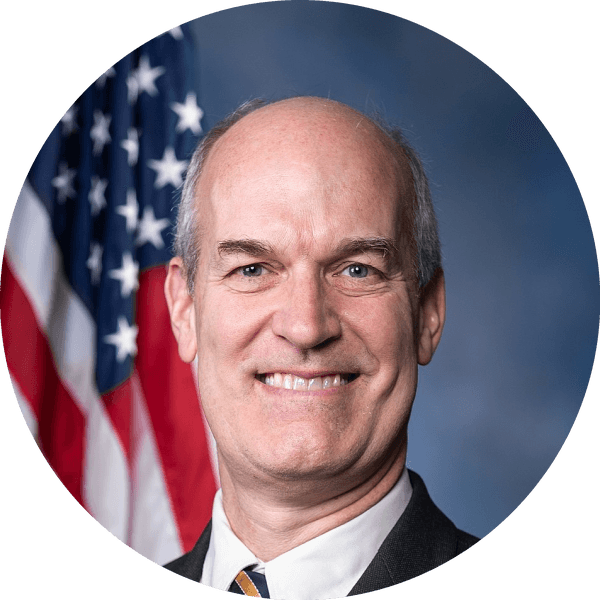



Received in the Senate and Read twice and referred to the Committee on Commerce, Science, and Transportation.
Apr 15, 2026
PART Act

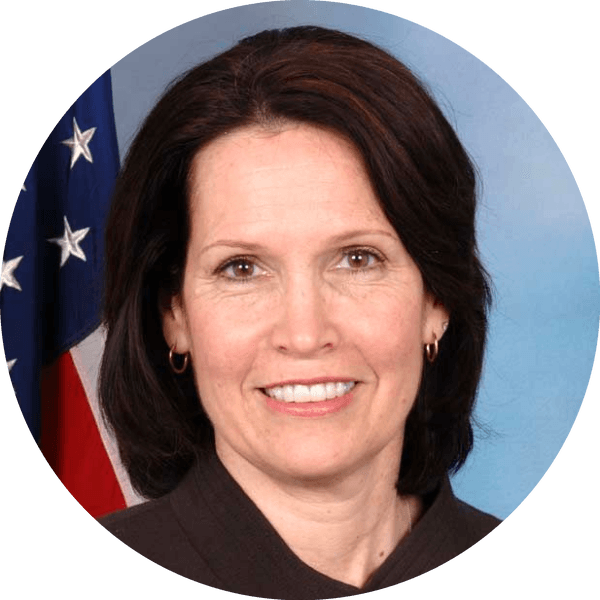



Forwarded by Subcommittee to Full Committee by Voice Vote.
Feb 10, 2026
ROTOR Act





On motion to suspend the rules and pass the bill Failed by the Yeas and Nays: (2/3 required): 264 - 133 (Roll no. 72).
Feb 24, 2026
SELF DRIVE Act of 2026





Forwarded by Subcommittee to Full Committee by the Yeas and Nays: 12 - 11.
Feb 10, 2026
BASICS Act



Referred to the House Committee on Transportation and Infrastructure.
Feb 9, 2026
She DRIVES Act




Placed on Senate Legislative Calendar under General Orders. Calendar No. 141.
Jul 31, 2025
Air Carrier Access Amendments Act of 2026


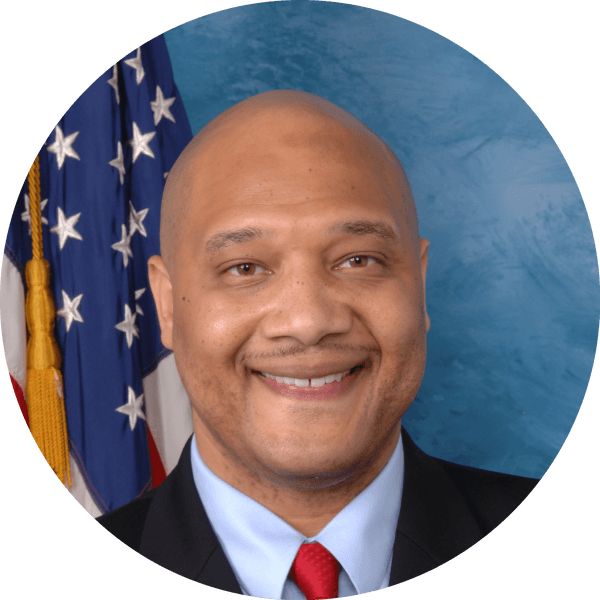
Referred to the House Committee on Transportation and Infrastructure.
Jun 18, 2026
Trending Right Now
Bills gaining momentum across Congress
America’s Olympic and Paralympic Games Commemorative Coins Act





Referred to the House Committee on Financial Services.
Jul 14, 2025
Fit to Serve Act




Referred to the House Committee on Armed Services.
May 21, 2025
ASAP Act





Ordered to be Reported in the Nature of a Substitute by the Yeas and Nays: 40 - 0.
Sep 16, 2026
Tracking Transportation and Public Works in Congress? Monitor bills, track cosponsor momentum, and launch advocacy campaigns — all from one advocacy platform.