Mr. Speaker, on February 24, 2026, a historic blizzard and flight cancellations prevented me from making it to Washington, D.C. in time to vote in support of the ROTOR Act. Had I been present, I would have voted YEA on Roll Call No. 72, S. 2503—ROTOR Act.
S. 2503: ROTOR Act
Introduced Jul 29, 202521 cosponsors
Sponsor

Ted Cruz
Republican · TX
Military aircraft can fly invisible. This bill ends that.
4 min readLast updated May 29, 2026
Why it matters
Government and military aircraft can legally switch off the transponders that broadcast their location to everyone else in the sky. After an Army Black Hawk collided with a passenger jet near Reagan National, the ROTOR Act would strip that exception down to genuine sensitive missions and require every affected aircraft to carry collision-warning gear by the end of 2031.
The ROTOR Act attacks the problem from both ends. It starts by narrowing the "sensitive government mission" exception that lets aircraft fly without broadcasting their location. Under the bill, that exception can no longer cover routine flights, training, proficiency checks, or trips for officials below Cabinet rank. Only genuine sensitive missions, signed off at the Cabinet level or by the Chairman of the Joint Chiefs, would still qualify.
On the other end, it requires aircraft to start receiving other planes' positions, not just transmitting their own. Today's rules make many aircraft broadcast where they are, but don't require them to receive where everyone else is. The bill phases in that receiving capability, essentially a collision-warning display in the cockpit, with a hard deadline of December 31, 2031.
When an agency does fly dark on a real sensitive mission, it has to tell air traffic control in the moment and report to Congress every month. If any agency uses the exception five or more times in a single month, the FAA has to flag it to Congress within 14 days.
The bill also takes aim at the conditions behind the crash. It repeals a 2025 law that had exempted certain military helicopters from tracking rules in the Washington, DC area, orders the Army's Inspector General to audit the Black Hawk unit that flies the capital's airspace, and stands up a new FAA office to coordinate military and civilian flights, starting with a safety review of Reagan National.
Bill Progress
IntroducedJul 29
Committee
Pass SenateDec 17
Pass House
Signed
Law
Latest Action · Feb 24, 2026
1/3
Passed the Senate, received in House
S. 2503 Bill Summary
What S. 2503 actually does.
1
The "fly dark" exception gets narrowed
Routine, training, and proficiency flights could no longer use the sensitive-mission exception to switch off position broadcasting. Only genuine sensitive missions, and only those involving Cabinet-level officials or the Chairman of the Joint Chiefs, would still qualify.
2
Collision-warning gear required by 2031
Aircraft already required to broadcast their position would also have to receive other aircraft's positions and show traffic advisories in the cockpit. The FAA writes the rule within two years, and aircraft must comply by December 31, 2031.
3
A cheaper path for small planes
For general-aviation aircraft under 12,500 pounds, the FAA must approve low-cost alternatives such as portable receivers and tablet-based displays, rather than requiring an expensive panel installation.
4
Monthly reporting when aircraft fly untracked
An agency flying a sensitive mission without broadcasting must notify air traffic control in the moment and report each such flight to Congress monthly. Five uses in a single month triggers a 14-day alert to Congress.
5
A direct audit of DC Black Hawk operations
The Army's Inspector General must, within 60 days, audit the 12th Army Aviation Brigade's coordination with the FAA, its Black Hawk maintenance protocols, and loss-of-separation incidents in the Washington region, with the results made public.
6
A new FAA-DOD coordination office
The bill repeals a 2025 exemption for military helicopters in the DC area and creates an office to coordinate military and civilian airspace, beginning with a safety review of Reagan National and expanding to other busy airports.
Who benefits from S. 2503?
Commercial pilots and their passengers
Airline crews would finally see the military and government aircraft that can vanish from their cockpit displays today. Every affected aircraft would both broadcast and receive position data.
Air traffic controllers
Controllers working crowded airspace like Reagan National would get fuller tracking data and a standing FAA office dedicated to coordinating military flights.
People who live and fly near Washington, DC
The bill zeroes in on the capital region: repealing the helicopter tracking exemption, auditing the Army unit that flies there, and reviewing Reagan National before any other airport.
Aviation safety advocates
Gain recurring oversight tools, including GAO review, annual Inspector General audits, and public reporting on how often agencies fly without broadcasting.
Who is affected by S. 2503?
Military and government flight operations
Lose the ability to switch off position broadcasting for routine and training flights. Sensitive-mission secrecy is limited to Cabinet-level officials and the Chairman of the Joint Chiefs, with monthly reporting to Congress.
The Army's DC-area helicopter units
Face an Inspector General audit, released without redactions, of their FAA coordination, maintenance protocols, and past loss-of-separation incidents in the Washington region.
General aviation owners
Must equip their aircraft with receiving gear by the end of 2031. The FAA is directed to approve low-cost options for planes under 12,500 pounds, and operators can apply for up to a one-year extension.
Airlines and large aircraft operators
Bear the cost of installing the equipment across their fleets, though the bill builds in a phased retrofit process and instructs the FAA to presume the gear is cost-beneficial for safety.
On the Record
What Congress Is Saying
23 legislators have weighed in on S. 2503 — 13 Democrats, 10 Republicans.
Mr. Speaker, I rise today in support of S. 2503, the ROTOR Act. Last year's January 29 midair collision at Reagan National Airport tragically took 67 lives, but it was preventable. It is our duty to do everything we can to keep this tragedy from ever happening again. This bill would implement a central recommendation from the NTSB's final report on the collision: a requirement to use Automatic Dependent Surveillance-Broadcast technology, ADS-B Out and In. NTSB has recommended an ADS-B In requirement 17 times before.
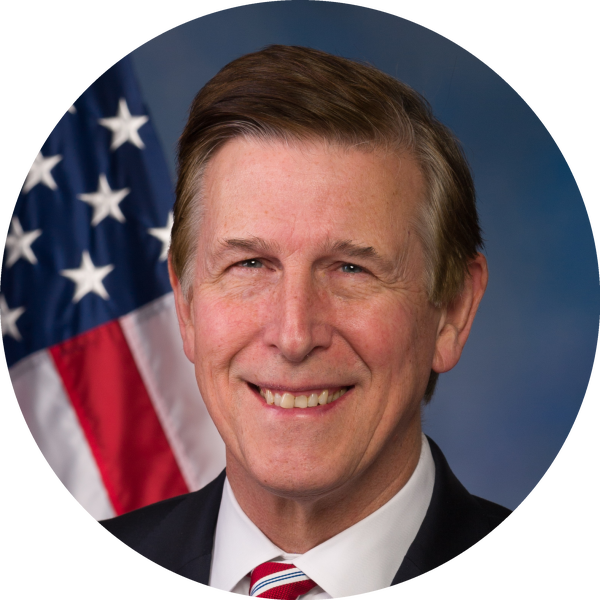
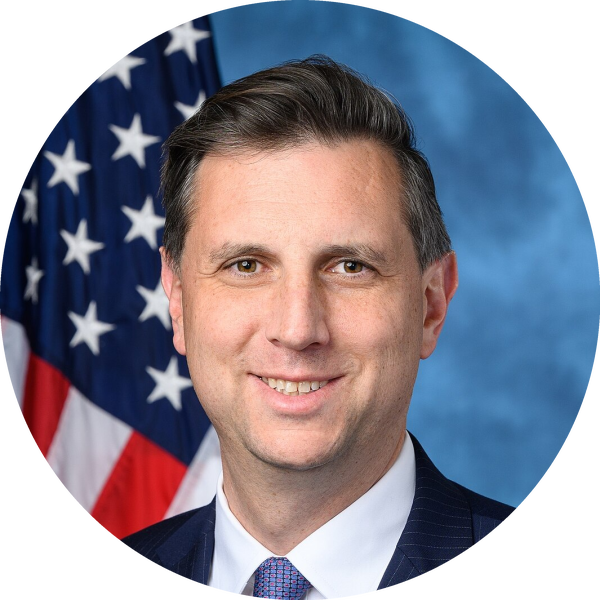
Mr. Speaker, on February 24, 2026, I was unable to make it to the floor for three votes. Had I been present, I would have voted YEA on Roll Call No. 71, On Motion to Suspend the Rules and Pass H.R. 6329; NAY on Roll Call No. 72, On Motion to Suspend the Rules and Pass S. 2503; and YEA on Roll Call No. 73, On Ordering the Previous Question.
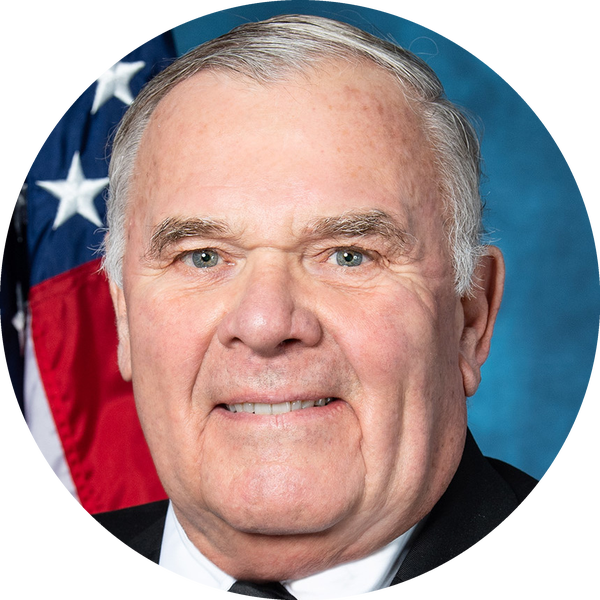
Mr. Speaker, I was absent for recorded votes due to a personal commitment. Had I been present, I would have voted as follows: YEA on Roll Call No. 71, H.R. 6329; YEA on Roll Call No. 72, S. 2503; NAY on Roll Call No. 73, Ordering the Previous Question on H. Res. 1075; NAY on Roll Call No. 74, H. Res. 1075; YEA on Roll Call No. 75, motion to recommit on H.R. 4626; and NAY on Roll Call No. 76, Passage of H.R. 4626.

Mr. Speaker, I was absent from the floor and missed Roll Call Nos. 71 through 74. Had I been present, I would have voted YEA on Roll Call No. 71, H.R. 6329, YEA on Roll Call No. 72, S. 2503, NAY on Roll Call No. 73, the previous question on H. Res. 1075, and NAY on Roll Call No. 74, adoption of H. Res. 1075.
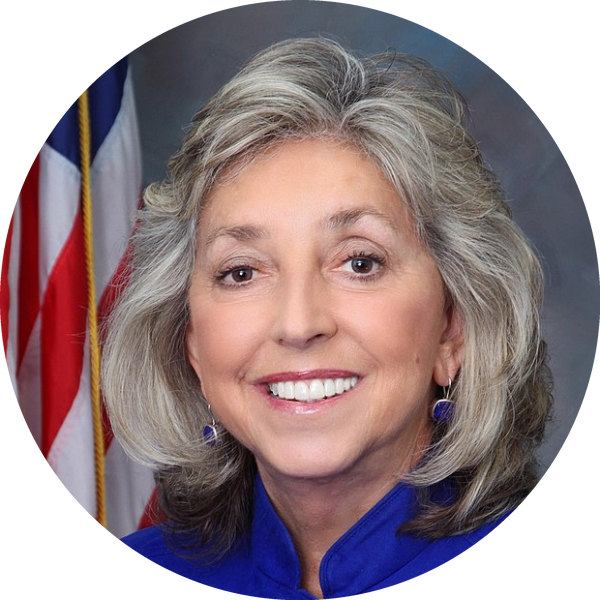
S. 2503 also appeared in 1 more House floor reference and 5 routine cosponsor filings.
S2503 Legislative Journey
House: Failed
Feb 24, 2026
On motion to suspend the rules and pass the bill Failed by the Yeas and Nays: (2/3 required): 264 - 133 (Roll no. 72).
+2 more actions this day
House: Vote Held
Feb 23, 2026
At the conclusion of debate, the Yeas and Nays were demanded and ordered. Pursuant to the provisions of clause 8, rule XX, the Chair announced that further proceedings on the motion would be postponed.
House: Action Taken
Dec 18, 2025
Held at the desk.
Passed 8813-8817
Dec 17, 2025
Passed Senate with an amendment by Unanimous Consent. (text: CR S8813-8817)
+3 more actions this day
Committee Action
Nov 18, 2025
Committee on Commerce, Science, and Transportation. Reported by Senator Cruz with an amendment in the nature of a substitute. Without written report.
Passed Committee
Oct 21, 2025
Committee on Commerce, Science, and Transportation. Ordered to be reported with an amendment in the nature of a substitute favorably.
Committee Action
Jul 29, 2025
Read twice and referred to the Committee on Commerce, Science, and Transportation.
About the Sponsor
Ted Cruz
Republican, TX · 13 years in Congress
Committees: Commerce, Science, and Transportation, Rules and Administration, the Judiciary
View full profile →
Cosponsors (21)
No new cosponsors in 227 days — momentum stalled
This bill has 21 cosponsors: 11 Democrats, 10 Republicans, reflecting bipartisan support. Cosponsors represent 19 states: Connecticut, Delaware, Georgia, and 16 more.
11Democrats10Republicans·19 statesBipartisan

Jerry Moran
Republican · KS

Marsha Blackburn
Republican · TN

Ted Budd
Republican · NC

Shelley Capito
Republican · WV
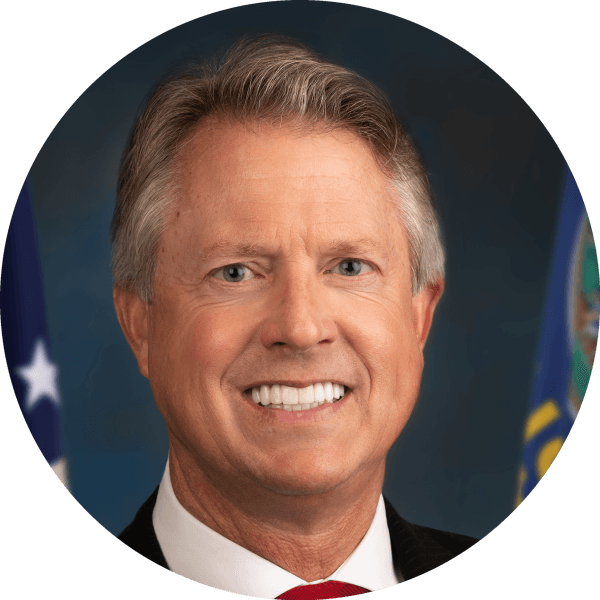
Roger Marshall
Republican · KS
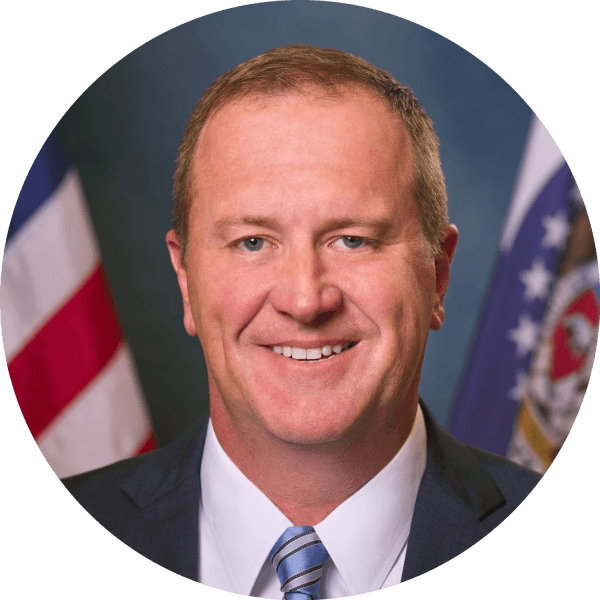
Eric Schmitt
Republican · MO

Tim Sheehy
Republican · MT

Todd Young
Republican · IN

Maria Cantwell
Democrat · WA

Tammy Duckworth
Democrat · IL
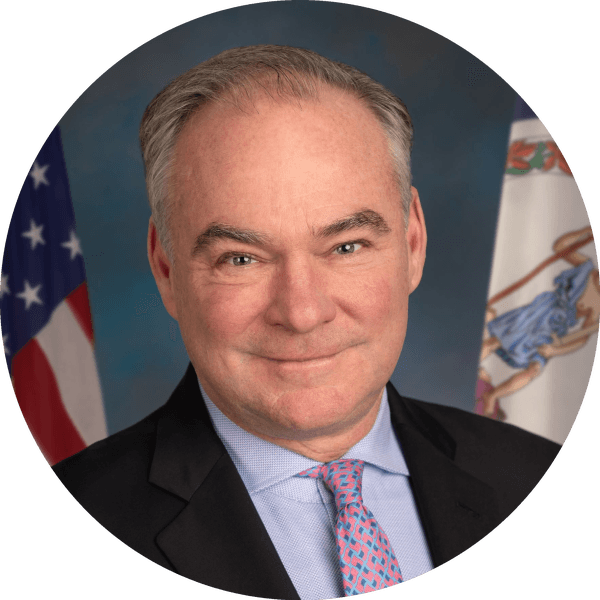
Timothy Kaine
Democrat · VA

Mark Warner
Democrat · VA
Committee Sponsors
Commerce, Science, and Transportation Committee
13D15R
|14 signed14 not yet14 of 28 committee members cosponsored


6 Republicans across this committee haven't cosponsored yet. Mobilize their constituents
What laws does S. 2503 change?
1 changes
Sections Repealed
373(a) of National Defense Authorization Act for Fiscal Year 2026
S. 2503 Quick Facts
Cosponsors
21
- Committee
- Commerce, Science, and Transportation
- Chamber
- Senate
- Policy
- Transportation and Public Works
- Introduced
- Jul 29, 2025
Passed the Senate, received in House
Feb 24, 2026
Official Sources
FAA: Equip ADS-B Program
The FAA's central page on the ADS-B surveillance technology this bill expands, covering equipment requirements and the broader airspace modernization effort.
FAA: ADS-B Ins and Outs
Explains the difference between ADS-B Out (broadcasting your position) and ADS-B In (receiving others'), the exact gap the bill closes by mandating ADS-B In.
FAA: ADS-B Frequently Asked Questions
The FAA's plain-language answers on how ADS-B works, what equipment is required, and which aircraft are affected.
14 CFR 91.225 — ADS-B Out Equipment and Use
The federal regulation whose sensitive-government-mission exception, in subsection (f), the bill narrows so it can no longer cover routine or training flights.
14 CFR 91.227 — ADS-B Out Performance Requirements
The technical performance standard for ADS-B Out broadcasts that the bill's definitions reference throughout.
NTSB Investigation: DCA25MA108
The official investigation into the January 2025 Army Black Hawk and PSA Airlines collision near Reagan National that prompted this legislation.
S. 2503 Common Questions
What does the ROTOR Act actually do?
Two main things. It narrows the exception that lets military and government aircraft fly without broadcasting their location, and it requires aircraft to carry collision-warning gear that receives other planes' positions, with a deadline of December 31, 2031.
Can military or government aircraft still fly without broadcasting their location?
Only in narrow cases. The exception would no longer cover routine, training, or proficiency flights, or trips for officials below Cabinet rank. When an aircraft does fly dark on a genuine sensitive mission, the agency must alert air traffic control and report it to Congress monthly.
When would aircraft need the new collision-warning equipment?
By December 31, 2031. The FAA has to issue the final rule within two years of the bill becoming law, and operators can apply for up to one extra year if they can show they're making progress equipping their fleets.
Will small private planes have to buy expensive equipment?
The bill tries to avoid that. For aircraft under 12,500 pounds, it directs the FAA to approve low-cost alternatives like portable receivers and tablet-based displays, instead of requiring a costly panel-mounted installation.
What does this bill have to do with the Reagan National collision?
It targets the conditions behind it directly. The bill repeals a 2025 law that exempted certain military helicopters from tracking rules near Washington, orders the Army's Inspector General to audit the Black Hawk unit that flies the capital, and requires a safety review of Reagan National first.
Did the ROTOR Act pass?
Not yet. It passed the Senate by unanimous consent in December 2025. In the House on February 24, 2026, it fell one vote short of the two-thirds needed for fast-track passage, 264 to 133. It can return for a regular vote, where it would need only a simple majority.
What happens if an agency keeps flying dark?
If an agency uses the exception five or more times in a single month, the FAA must notify Congress within 14 days. The bill also orders a GAO review of how the exceptions are used and annual audits by the Transportation Department's Inspector General.
What's the difference between broadcasting your position and receiving others'?
Broadcasting (ADS-B Out) sends your aircraft's location to controllers and nearby planes. Receiving (ADS-B In) shows you where everyone else is. Many aircraft broadcast today but aren't required to receive. The bill closes that gap so pilots get traffic warnings in the cockpit.
Based on S. 2503 bill text
S. 2503 Bill Text
“To require all aircraft to be equipped with Automatic Dependent Surveillance–Broadcast In, to improve aviation safety, and for other purposes.”
Source: U.S. Government Publishing Office
Bill Alerts
Get notified when S. 2503 moves
Committee votes, floor action, cosponsor changes — straight to your inbox.
Bill alerts + Legisletter's monthly briefing. Unsubscribe anytime.
Transportation and Public Works Bills
9 related bills we're tracking
H.R. 3449
Stronger Communities through Better Transit Act

Henry JohnsonD-GA




+144
148 cosponsors
+1 this monthReferred to the Subcommittee on Highways and Transit.
May 16, 2025
HouseTransportation and Public Works
H.R. 3151
SHIPS for America Act of 2025
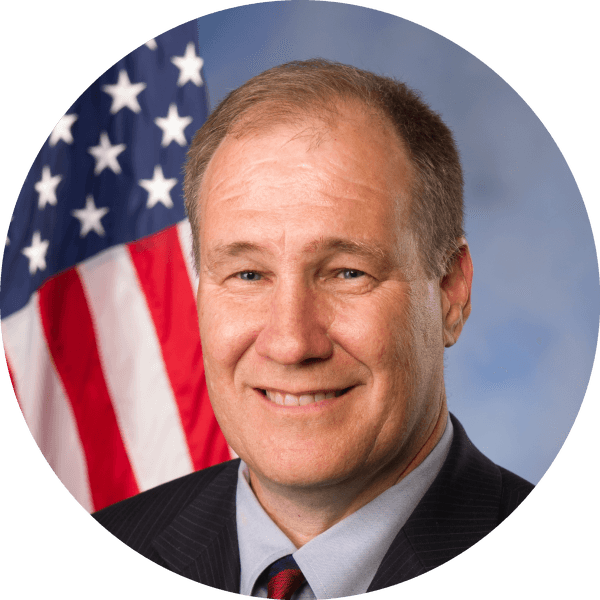
Trent KellyR-MS




+140
144 cosponsors
+1 this monthReferred to the Subcommittee on Coast Guard and Maritime Transportation.
May 1, 2025
HouseTransportation and Public Works
H.R. 7613
ALERT Act
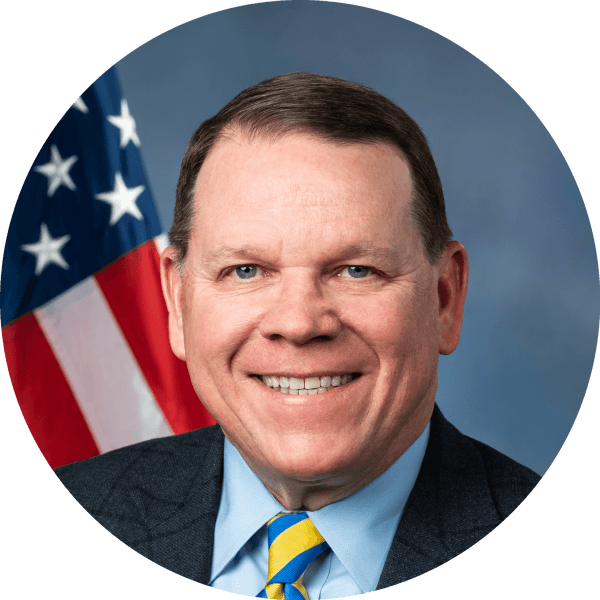
Sam GravesR-MO

+83
87 cosponsors
Received in the Senate and Read twice and referred to the Committee on Commerce, Science, and Transportation.
Apr 15, 2026
HouseTransportation and Public Works
H.R. 5221Gaining+8
PART Act
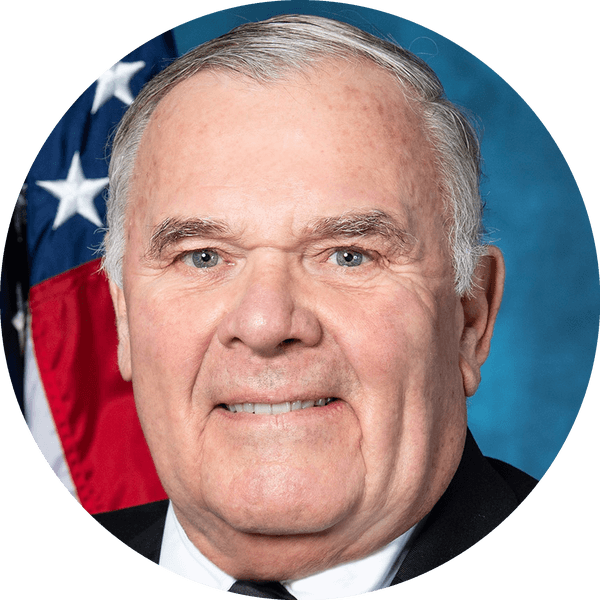
James BairdR-IN


+70
74 cosponsors
+8 this monthForwarded by Subcommittee to Full Committee by Voice Vote.
Feb 10, 2026
HouseTransportation and Public Works
H.R. 7390
SELF DRIVE Act of 2026

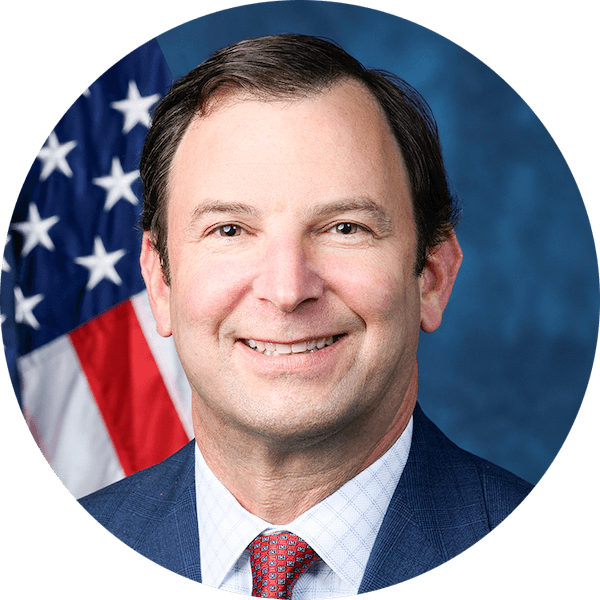
Robert LattaR-OH


+11
15 cosponsors
Forwarded by Subcommittee to Full Committee by the Yeas and Nays: 12 - 11.
Feb 10, 2026
HouseTransportation and Public Works
H.R. 7437
BASICS Act
Kristen McDonald RivetD-MI

+9
13 cosponsors
Referred to the House Committee on Transportation and Infrastructure.
Feb 9, 2026
HouseTransportation and Public Works
S. 161
She DRIVES Act

Deb FischerR-NE


+9
13 cosponsors
Placed on Senate Legislative Calendar under General Orders. Calendar No. 141.
Jul 31, 2025
SenateTransportation and Public Works
H.R. 2992
To amend title 23, United States Code, and the Infrastructure Investment and Jobs Act with respect to vehicle roadside crashes, work zone safety, and for other purposes.

Troy CarterD-LA


+6
10 cosponsors
Referred to the Subcommittee on Highways and Transit.
Apr 24, 2025
HouseTransportation and Public Works
H.R. 9373
Air Carrier Access Amendments Act of 2026
Dina TitusD-NV

+3
7 cosponsors
+1 this monthReferred to the House Committee on Transportation and Infrastructure.
Jun 18, 2026
HouseTransportation and Public Works
Trending Right Now
Bills gaining momentum across Congress
H.R. 6130Surging+18
ASAP Act

Vern BuchananR-FL


+220
224 cosponsors
+18 this monthOrdered to be Reported in the Nature of a Substitute by the Yeas and Nays: 40 - 0.
Sep 16, 2026
HouseHealth
H.R. 1773Surging+27
Federal Firearms Licensee Protection Act of 2025
John RutherfordR-FL

+137
141 cosponsors
+27 this monthReferred to the House Committee on the Judiciary.
Mar 3, 2025
HouseCrime and Law Enforcement
H.R. 3243Surging+25
Therapeutic Fraud Prevention Act of 2025

Ted LieuD-CA

+196
200 cosponsors
+25 this monthReferred to the House Committee on Energy and Commerce.
May 7, 2025
HouseCommerce
Tracking Transportation and Public Works in Congress? Monitor bills, track cosponsor momentum, and launch advocacy campaigns — all from one advocacy platform.