H.R. 9373: Air Carrier Access Amendments Act of 2026
Sponsor

Dina Titus
Democrat · NV-1
Disabled flyers deserve the right to sue airlines directly
Why it matters
Forty years after the Air Carrier Access Act banned disability discrimination in air travel, a passenger whose wheelchair is wrecked still cannot take the airline to court under that law. H.R. 9373 creates that right, with a 2-year window to file, punitive damages on the table, and mandatory federal fines for five specific failures.
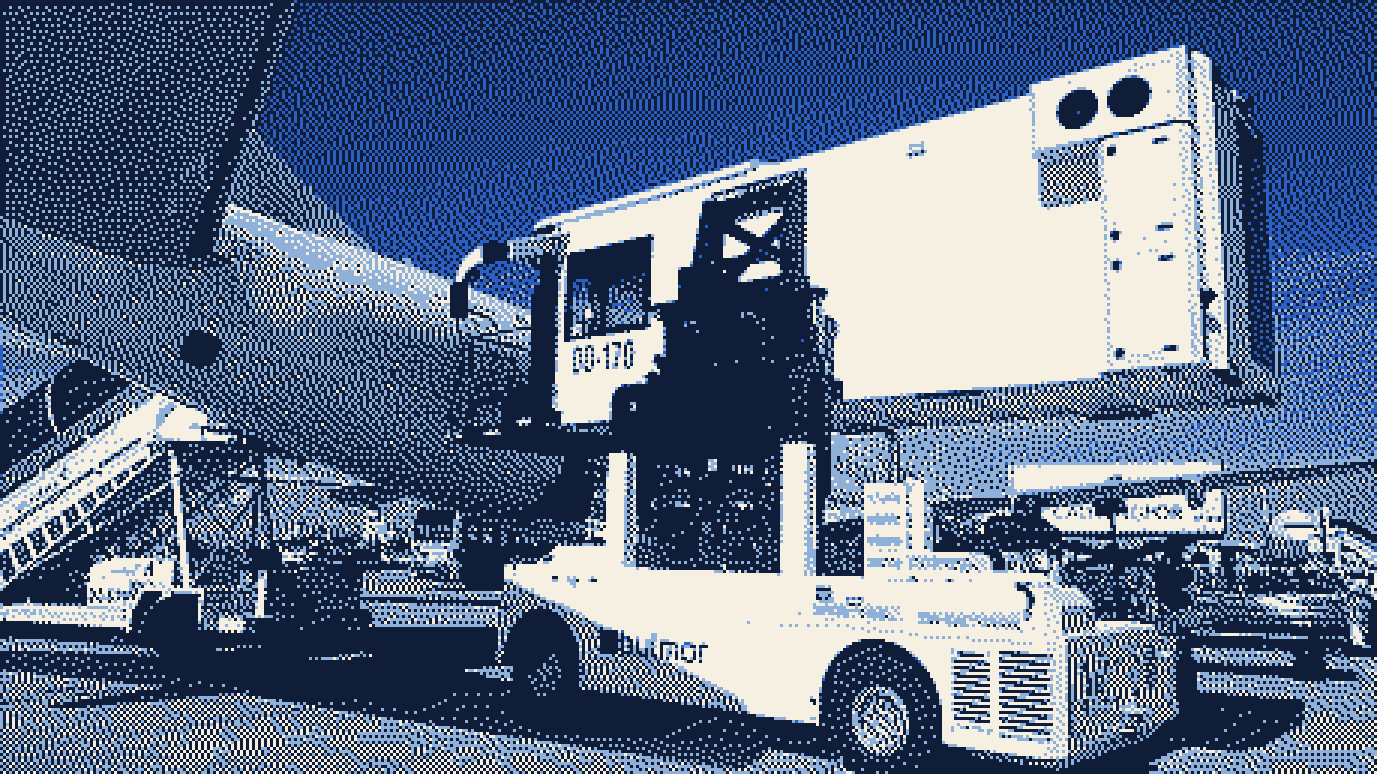
In 1986, President Reagan signed the Air Carrier Access Act, which bars airlines from discriminating against passengers with disabilities. The bill's findings say travelers with disabilities, including veterans, still run into damaged mobility devices, physical injuries, inaccessible planes and communications, inadequate help, mistreatment of service animals, and a lack of suitable seating.
The bill's sponsors point to a structural gap. Unlike most civil rights laws, the 1986 act gives individuals no right to sue, so enforcement runs almost entirely through the Department of Transportation. Congress, in the bill's own words, calls this an anomaly it must correct.
Under H.R. 9373, any passenger harmed by a violation could sue the airline in federal court, without first going through the Department of Transportation's complaint process. The window is 2 years from the date of the violation. A court could award compensatory and punitive damages, and must award attorney's fees, expert fees, and court costs to whichever side wins.
The bill also takes discretion away from regulators in five situations. The Department of Transportation would have to fine a U.S. or foreign airline for a lost, delayed, or significantly damaged wheelchair or scooter; for physically injuring or killing a passenger while providing disability-related service; for failing to help a passenger board or deplane when an aisle chair is needed; for improperly denying boarding to a passenger with a disability or refusing a service animal; and for gross negligence toward a passenger with a disability. Those five are a floor, not a ceiling.
For larger problems, the department would fine the airline first and then refer the case to the Justice Department whenever it sees a pattern of discrimination or an issue of broad public importance. The Attorney General could then sue on behalf of the passengers affected, seeking court orders, damages for those passengers, and an additional civil penalty. An airline could face a private lawsuit, a federal fine, and a Justice Department case over the same kind of conduct.
The bill does not override any federal, state, or local law that gives travelers with disabilities stronger protections.
Bill Progress
Latest Action · Jun 18, 2026
Referred to the House Committee on Transportation and Infrastructure.
H.R. 9373 Bill Summary
What H.R. 9373 actually does.
Passengers can take airlines to court
Anyone harmed by an airline's violation of federal disability access law, or the rules written under it, could sue a U.S. or foreign airline in federal district court within 2 years of the violation.
No need to wait on a federal complaint first
Passengers would not have to exhaust the Department of Transportation's administrative process before filing. They could go straight to court.
Damages, including punitive, plus legal fees
Courts could award compensatory and punitive damages. The court must award reasonable attorney's fees, expert fees, and court costs to the prevailing party, which as written could be either the passenger or the airline.
Broken or lost wheelchairs trigger a mandatory fine
The Department of Transportation would be required to assess a civil penalty when an airline delays, loses, or significantly damages a wheelchair or scooter.
Fines required for injuries, boarding failures, and refused service animals
Mandatory penalties would also apply to physical harm or death during disability-related service, failure to provide aisle chair help when boarding or deplaning, improper denial of boarding or of a service animal, and gross negligence toward a passenger with a disability. The list is a minimum; the department can fine for other violations too.
Repeat problems go to the Justice Department
When the department sees a pattern of discrimination or an issue of general public importance, it must fine the airline and then refer the case to the Attorney General, who can sue for court orders, damages for affected passengers, and an additional civil penalty.
Who benefits from H.R. 9373?
Power wheelchair and scooter users
The people whose devices go in the cargo hold, often custom-built and hard to replace. A lost or badly damaged chair would automatically mean a federal fine, and the owner could also sue.
Passengers who need an aisle chair
Travelers who can't walk down a plane's aisle and depend on crew to transfer them on and off. Failing to provide that help when it's required would carry a mandatory penalty.
Service animal handlers
Blind travelers, veterans with PTSD, and others who fly with a trained service animal. Being turned away in violation of federal or applicable foreign aviation rules would trigger a required fine.
Veterans with disabilities
The bill's findings name veterans specifically among the travelers still facing barriers when they fly.
Who is affected by H.R. 9373?
U.S. and foreign airlines
They would face private lawsuits with possible punitive damages, required fines for five categories of failures, and possible Justice Department suits. Airlines that win in court could also recover their legal fees under the bill's wording.
Department of Transportation
Its enforcement would shift from discretionary to required for the listed violations, and it would have to refer pattern-of-discrimination cases to the Justice Department after fining the airline.
Justice Department and federal courts
The Attorney General would gain authority to sue airlines on passengers' behalf, and district courts would hear a new category of disability access cases.
Disability rights attorneys
A federal right to sue with fee-shifting would open a new area of practice, since fee awards make smaller individual cases more viable to bring.
HR9373 Legislative Journey
House: Committee Action
Jun 18, 2026
Referred to the House Committee on Transportation and Infrastructure.
About the Sponsor
Dina Titus
Democrat, Nevada's 1st congressional district · 17 years in Congress
Committees: Foreign Affairs, Transportation and Infrastructure
View full profile →
Cosponsors (7)
All 7 cosponsors are Democrats. Cosponsors represent 6 states: California, Connecticut, District of Columbia, and 3 more.


Committee Sponsors
Transportation and Infrastructure Committee
5 of 67 committee members cosponsored


26 Democrats across this committee haven't cosponsored yet. Mobilize their constituents
H.R. 9373 Quick Facts





- Committee
- Transportation and Infrastructure
- Chamber
- House
- Policy
- Transportation and Public Works
- Introduced
- Jun 18, 2026
Referred to the House Committee on Transportation and Infrastructure.
Jun 18, 2026
Official Sources
Official bill page with status, cosponsors, committee referral, and actions for the Air Carrier Access Amendments Act of 2026.
The official introduced text, including the findings on the Air Carrier Access Act's missing private right to sue.
The original 1986 law barring airlines from discriminating against passengers with disabilities, which this bill amends.
The codified Air Carrier Access Act, the section where H.R. 9373 would add the right to sue, required fines, and Justice Department referrals.
The existing federal civil penalty law that would set the amount of the fines H.R. 9373 makes mandatory.
The Department of Transportation rules on wheelchairs, boarding assistance, service animals, and complaints that passengers could sue to enforce under the bill.
H.R. 9373 Common Questions
Can I sue an airline for damaging my wheelchair?
Not under the Air Carrier Access Act as it stands, which has no private right to sue. H.R. 9373 would change that: you could sue the airline in federal court, and the Department of Transportation would also be required to fine it.
How long would I have to sue an airline for disability discrimination?
Two years from the date of the violation, under H.R. 9373.
Do I have to file a DOT complaint before suing an airline?
Not under this bill. H.R. 9373 says passengers don't have to exhaust administrative remedies first, so you could go straight to federal court.
What could I recover if I win a case against an airline?
Compensatory damages, possibly punitive damages, plus attorney's fees, expert fees, and court costs. As written, those fees go to whichever side prevails, so an airline that wins could recover its fees too.
Which airline failures would require a federal fine?
Five at a minimum: a lost, delayed, or badly damaged wheelchair or scooter; injuring a passenger during disability-related service; no aisle chair help when it's needed; improperly denying boarding or a service animal; and gross negligence toward a passenger with a disability.
Can an airline be fined for refusing my service animal?
Yes, if the refusal breaks federal rules or the applicable foreign aviation rules. H.R. 9373 would make a fine mandatory in that case rather than up to the Department of Transportation's discretion.
Would the bill apply to foreign airlines?
Yes. The right to sue, the required fines, and Justice Department enforcement all cover foreign air carriers as well as U.S. airlines.
Can the Justice Department sue an airline for disability discrimination?
Under H.R. 9373, yes. The Department of Transportation would fine the airline and then refer pattern-of-discrimination cases to the Attorney General, who could sue for court orders, damages for passengers, and another penalty.
Based on H.R. 9373 bill text
H.R. 9373 Bill Text
“To amend title 49, United States Code, to provide for certain remedies for air transportation passengers with disabilities who are discriminated against, and for other purposes. Be it enacted by the Senate and House of Representatives of the United States of America in Congress assembled, SECTION 1.”
Source: U.S. Government Publishing Office
Get notified when H.R. 9373 moves
Committee votes, floor action, cosponsor changes — straight to your inbox.
Bill alerts + Legisletter's monthly briefing. Unsubscribe anytime.
Transportation and Public Works Bills
9 related bills we're tracking
Stronger Communities through Better Transit Act




Referred to the Subcommittee on Highways and Transit.
May 16, 2025
SHIPS for America Act of 2025





Referred to the Subcommittee on Coast Guard and Maritime Transportation.
May 1, 2025
ALERT Act





Received in the Senate and Read twice and referred to the Committee on Commerce, Science, and Transportation.
Apr 15, 2026
PART Act





Forwarded by Subcommittee to Full Committee by Voice Vote.
Feb 10, 2026
ROTOR Act





On motion to suspend the rules and pass the bill Failed by the Yeas and Nays: (2/3 required): 264 - 133 (Roll no. 72).
Feb 24, 2026
SELF DRIVE Act of 2026





Forwarded by Subcommittee to Full Committee by the Yeas and Nays: 12 - 11.
Feb 10, 2026
BASICS Act




Referred to the House Committee on Transportation and Infrastructure.
Feb 9, 2026
She DRIVES Act




Placed on Senate Legislative Calendar under General Orders. Calendar No. 141.
Jul 31, 2025
To amend title 23, United States Code, and the Infrastructure Investment and Jobs Act with respect to vehicle roadside crashes, work zone safety, and for other purposes.



Referred to the Subcommittee on Highways and Transit.
Apr 24, 2025
Trending Right Now
Bills gaining momentum across Congress
North Platte Canteen Congressional Gold Medal Act





Referred to the House Committee on Financial Services.
Feb 21, 2025
America’s Olympic and Paralympic Games Commemorative Coins Act





Referred to the House Committee on Financial Services.
Jul 14, 2025
Fit to Serve Act




Referred to the House Committee on Armed Services.
May 21, 2025
Tracking Transportation and Public Works in Congress? Monitor bills, track cosponsor momentum, and launch advocacy campaigns — all from one advocacy platform.