H.R. 6182: Find It Early Act
Sponsor

Rosa DeLauro
Democrat · CT-3
The follow-up breast scan shouldn't cost you
Why it matters
When a routine mammogram isn't enough, the follow-up — an ultrasound, an MRI, a 3D scan — can come with copays and a deductible, even when your doctor says you need it. H.R. 6182 would erase that cost-sharing for higher-risk patients and people with dense breast tissue, and it reaches across private insurance, Medicare, Medicaid, TRICARE, and VA care. It has picked up 69 cosponsors from both parties.
The Find It Early Act does one thing across a lot of programs: it bars your health plan from charging you for breast cancer screening and diagnostic imaging if you qualify. No copay, no coinsurance, no deductible.
It's broader than a routine mammogram. The bill names 2D and 3D mammograms, breast ultrasound, breast MRI, molecular breast imaging, and contrast-enhanced mammography, plus newer technologies that clinical guidelines recognize.
Three groups qualify. People flagged as higher-risk under American College of Radiology or National Comprehensive Cancer Network guidelines. People with heterogeneously or extremely dense breast tissue under BI-RADS standards. And people whose own doctor decides imaging is warranted based on factors like age, family history, race, or ethnicity.
The reach is wide. The no-cost rule would apply to private and employer plans — including older grandfathered plans that usually sidestep new mandates — as well as Medicare, Medicare Advantage, Medicaid benchmark coverage, TRICARE, and VA care.
This isn't unlimited imaging on demand. How often a scan is covered tracks the National Comprehensive Cancer Network's recommended timing, so the free coverage follows medical guidelines rather than patient requests.
Bill Progress
Latest Action · Jan 15, 2026
Assigned to Subcommittee on Health. for review
H.R. 6182 Bill Summary
What H.R. 6182 actually does.
Qualifying breast imaging comes with no out-of-pocket cost
For plan years starting on or after January 1, 2026, private health plans and insurers would have to cover qualifying breast cancer screening and diagnostic imaging without copays, deductibles, or other cost-sharing.
Dense breast tissue qualifies you on its own
If your tissue is classified as heterogeneously or extremely dense under BI-RADS standards, the bill says qualifying screening and diagnostic imaging must be covered without cost-sharing.
Higher-risk patients are covered under existing guidelines
People identified as at increased risk of breast cancer under American College of Radiology or National Comprehensive Cancer Network guidance would qualify for no-cost imaging.
Your doctor can qualify you based on your history
Even outside the bill's named categories, a health care provider could determine that imaging is needed based on factors like age, race, ethnicity, or personal or family medical history.
Coverage goes beyond the standard mammogram
The bill names 2D and 3D mammograms, breast ultrasound, breast MRI, molecular breast imaging, and contrast-enhanced mammography, along with other technologies recognized by current guidelines.
The rule reaches Medicare, Medicaid, TRICARE, and the VA
The no-cost requirement would extend beyond private insurance to Medicare and Medicare Advantage, certain Medicaid coverage, TRICARE plans, and eligible veterans receiving VA care, all beginning in 2026.
Who benefits from H.R. 6182?
People with dense breast tissue
If a mammogram shows heterogeneously or extremely dense tissue, qualifying follow-up imaging would be covered with nothing owed at the point of care instead of leaving you to absorb copays or your deductible.
Patients with elevated breast cancer risk
If clinical guidelines place you at higher risk, the bill would require coverage for recommended screening and diagnostic imaging across most major insurance systems.
People whose doctor sees risk in their history
The bill isn't limited to one checklist. If your clinician decides your age, family history, race, or ethnicity warrants more imaging, you could still qualify for no-cost coverage.
Medicare patients, military families, and veterans
The bill would extend the no-cost rule to Medicare, TRICARE, and VA care, so the same follow-up scan is less likely to depend on which coverage card you carry.
Who is affected by H.R. 6182?
Private insurers and employer health plans
They would need to remove patient cost-sharing for qualifying breast imaging and update benefits for 2026 plan years, including in grandfathered plans.
Medicare and Medicare Advantage
They would need to cover qualifying imaging without cost-sharing and align payment rules with current National Comprehensive Cancer Network recommendations.
State Medicaid programs
States offering benchmark or benchmark-equivalent coverage would need to include the required imaging and drop cost-sharing, though the bill allows extra time where state legislation is needed.
VA and TRICARE administrators
Federal health systems serving veterans and military families would need to add or standardize no-cost coverage for the imaging types the bill names.
HR6182 Legislative Journey
House: Committee Action
Jan 15, 2026
Referred to the Subcommittee on Health.
House: Committee Action
Nov 20, 2025
Referred to the Committee on Energy and Commerce, and in addition to the Committees on Ways and Means, Education and Workforce, Armed Services, and Veterans' Affairs, for a period to be subsequently determined by the Speaker, in each case for consideration of such provisions as fall within the jurisdiction of the committee concerned.
About the Sponsor
Rosa DeLauro
Democrat, Connecticut's 3rd congressional district · 35 years in Congress
Committees: Appropriations
View full profile →
Cosponsors (76)
This bill has 76 cosponsors: 66 Democrats, 10 Republicans, reflecting bipartisan support. Cosponsors represent 26 states: Alabama, Arizona, California, and 23 more.
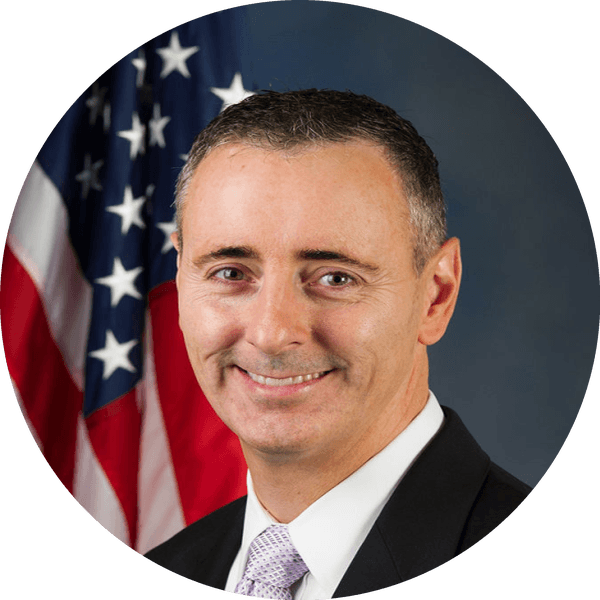
Brian Fitzpatrick
Republican · PA

Gregory Murphy
Republican · NC

Greg Landsman
Democrat · OH
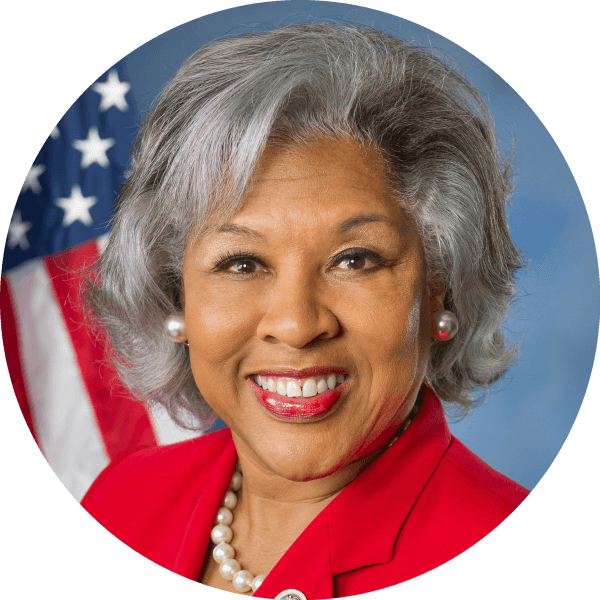
Joyce Beatty
Democrat · OH
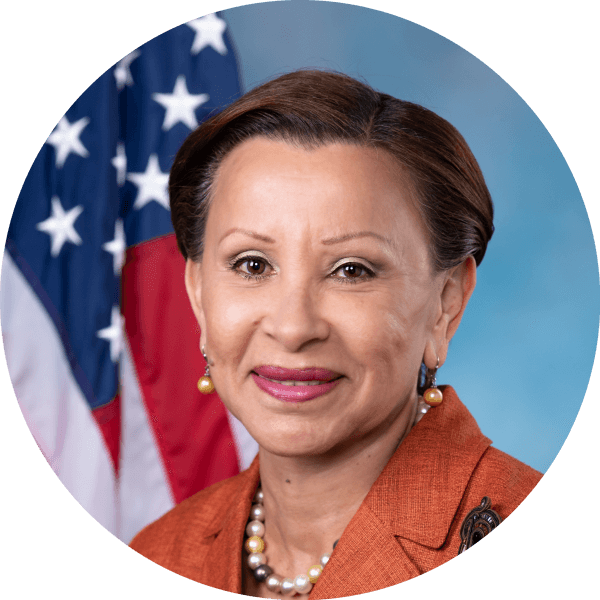
Nydia Velázquez
Democrat · NY

Lateefah Simon
Democrat · CA

Lloyd Doggett
Democrat · TX

Mike Quigley
Democrat · IL

Jerrold Nadler
Democrat · NY
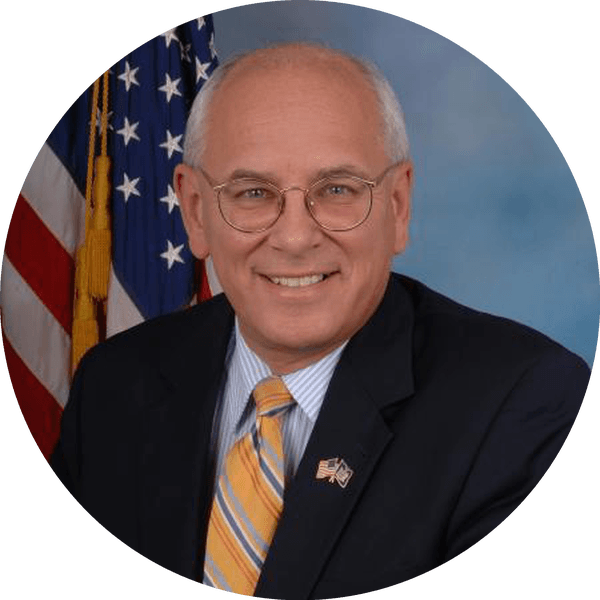
Paul Tonko
Democrat · NY

John Larson
Democrat · CT

Chrissy Houlahan
Democrat · PA
Committee Sponsors
Veterans' Affairs Committee
2 of 25 committee members cosponsored


Armed Services Committee
5 of 57 committee members cosponsored


Education and Workforce Committee
6 of 37 committee members cosponsored


Ways and Means Committee
14 of 45 committee members cosponsored


Energy and Commerce Committee
8 of 54 committee members cosponsored


64 Democrats across these committees haven't cosponsored yet. Mobilize their constituents
What laws does H.R. 6182 change?
2 changes
Sections Amended
Section 1 of Employee Retirement Income Security Act of 1974 (29 U.S.C. 1001 note)
inserting after the item relating to section 725 the following new item: ``Sec
Section 1937(b) of Social Security Act (42 U.S.C. 1396u-7(b))
adding at the end the following new paragraph: ``(9) Coverage of certain breast cancer screening and diagnostic imaging for certain individuals
H.R. 6182 Quick Facts
- Committee
- Veterans' Affairs
- Chamber
- House
- Policy
- Health
- Introduced
- Nov 20, 2025
Assigned to Subcommittee on Health. for review
Jan 15, 2026
Official Sources
Official bill page with status, text, sponsors, and actions for the Find It Early Act.
CDC explains heterogeneously and extremely dense breast tissue, the BI-RADS category that qualifies a patient for no-cost imaging under the bill.
National Cancer Institute guidance provides official federal background on the screening methods named in the bill, including mammography, ultrasound, and MRI.
Veterans Health Administration mammography program page, relevant because the bill adds no-cost breast imaging for eligible veterans receiving VA care.
VA Women's Health page covering mammograms, ultrasound, and MRI for veterans at higher risk, the population the bill's VA provisions target.
Official TRICARE coverage portal, relevant because the bill expressly applies its no-cost imaging rule to TRICARE Prime and Select plans.
H.R. 6182 Common Questions
What would H.R. 6182 do?
H.R. 6182, the Find It Early Act, would require no-cost breast cancer screening and diagnostic imaging for eligible patients across private insurance, Medicare, Medicaid benchmark coverage, TRICARE, and VA care starting in 2026.
Would breast MRIs and ultrasounds be free under H.R. 6182?
If you qualify, yes. The bill lists 2D and 3D mammograms, breast ultrasound, breast MRI, molecular breast imaging, and contrast-enhanced mammography, all with no cost-sharing.
Who qualifies for no-cost imaging under H.R. 6182?
Three groups: people at increased breast cancer risk under ACR or NCCN guidelines, people with heterogeneously or extremely dense breast tissue, and people whose clinician says imaging is needed based on factors like age, race, ethnicity, or family history.
Does it cover diagnostic imaging, or just routine screening?
Both. That's the point of the bill. It covers screening and diagnostic imaging without cost-sharing, so the follow-up scan after an inconclusive mammogram isn't billed differently than the screening that flagged it.
Would Medicare Advantage have to stop charging copays?
Yes. The bill says Medicare Advantage plans could not impose cost-sharing for covered breast imaging beginning January 1, 2026.
Would TRICARE and the VA be included?
Yes. The bill extends the no-cost imaging rule to TRICARE Prime and Select plans and to eligible veterans receiving VA care, not just people with private insurance.
How often could imaging be covered under the bill?
The bill ties coverage frequency to current National Comprehensive Cancer Network recommendations, so it follows guideline timing rather than allowing unlimited repeat imaging.
What is the current status of H.R. 6182?
H.R. 6182 was introduced by Rep. Rosa DeLauro and, according to Congress.gov, was referred to the House Subcommittee on Health on January 15, 2026. It has 69 cosponsors from both parties.
Based on H.R. 6182 bill text
H.R. 6182 Bill Text
“To provide for health coverage with no cost-sharing for additional breast screenings for certain individuals at greater risk for breast cancer.”
Source: U.S. Government Publishing Office
Get notified when H.R. 6182 moves
Committee votes, floor action, cosponsor changes — straight to your inbox.
Bill alerts + Legisletter's monthly briefing. Unsubscribe anytime.
Health Bills
9 related bills we're tracking
Nancy Gardner Sewell Medicare Multi-Cancer Early Detection Screening Coverage Act




Reported (Amended) by the Committee on Ways and Means. H. Rept. 119-333, Part I.
Oct 3, 2025
Mikaela Naylon Give Kids a Chance Act




Received in the Senate.
Dec 2, 2025
Improving Seniors’ Timely Access to Care Act of 2025


Ordered to be Reported in the Nature of a Substitute by the Yeas and Nays: 42 - 0.
Jul 15, 2026
CONNECT for Health Act of 2025





Referred to the Committee on Energy and Commerce, and in addition to the Committee on Ways and Means, for a period to be subsequently determined by the Speaker, in each case for consideration of such provisions as fall within the jurisdiction of the committee concerned.
Jun 26, 2025
ASAP Act



Ordered to be Reported in the Nature of a Substitute by the Yeas and Nays: 40 - 0.
Sep 16, 2026
Momnibus Act



Referred to the Subcommittee on Health.
Apr 20, 2026
Ensuring Lasting Smiles Act


Referred to the Committee on Energy and Commerce, and in addition to the Committees on Education and Workforce, and Ways and Means, for a period to be subsequently determined by the Speaker, in each case for consideration of such provisions as fall within the jurisdiction of the committee concerned.
May 8, 2025
Right to Contraception Act


Referred to the House Committee on Energy and Commerce.
Feb 5, 2025
Women’s Health Protection Act of 2025


Referred to the Committee on Energy and Commerce, and in addition to the Committee on the Judiciary, for a period to be subsequently determined by the Speaker, in each case for consideration of such provisions as fall within the jurisdiction of the committee concerned.
Jun 24, 2025
Trending Right Now
Bills gaining momentum across Congress
North Platte Canteen Congressional Gold Medal Act


Referred to the House Committee on Financial Services.
Feb 21, 2025
America’s Olympic and Paralympic Games Commemorative Coins Act





Referred to the House Committee on Financial Services.
Jul 14, 2025
Fit to Serve Act


Referred to the House Committee on Armed Services.
May 21, 2025
Tracking Health in Congress? Monitor bills, track cosponsor momentum, and launch advocacy campaigns — all from one advocacy platform.