H.R. 4606: Ally’s Act
Sponsor

Joe Neguse
Democrat · CO-2
Hearing implants insurers would have to keep working
Why it matters
A cochlear or bone-conduction implant only works through an external sound processor — a piece of technology that wears out, breaks, and goes obsolete. H.R. 4606, the Ally's Act, would make private health plans cover not just the implant and the surgery but the maintenance, the repairs, and a guaranteed upgrade or replacement every five years, and bar plans from putting harsher copays or limits on this care than on other medical treatment. It has drawn 83 cosponsors from both parties and sits before three House committees.
Ally's Act sets a coverage floor for hearing implants in private insurance. Plans would have to cover the implant device itself — cochlear implants and bone-conduction implants — along with the external sound processor that makes it work, the surgery, the hearing assessments before and after, the activation and fitting visits, and aural rehabilitation. In plain terms, the whole path from diagnosis to actually using the device.
The part that breaks new ground is what happens after. Plans would have to cover maintenance and repairs, the adapters and headbands that hold the equipment in place, and — every five years — an upgrade of the device or processor, or a replacement if no upgrade exists. For a child who gets an implant young, that means the technology can keep pace as they grow instead of stalling at whatever was available on surgery day. For an adult, it means an aging processor does not quietly become a personal expense.
The bill also tries to stop plans from treating this as second-class coverage. Copays, deductibles, and treatment limits on hearing implant care could be no stricter than what the plan applies to most other medical and surgical care, and there could be no separate cost-sharing aimed only at this benefit. If a physician or qualified audiologist determines the care is medically necessary, the plan could not deny or scale it back.
The requirement is written into the main laws that govern private coverage, so it would reach employer-sponsored plans, plans sold on the individual and group market, and even older grandfathered plans — with that last group brought in for plan years starting January 1, 2026.
Bill Progress
Latest Action · Jul 22, 2025
Referred to Energy and Commerce, and in addition to the Committees on Education and Workforce, and Ways and Means, for a period to be subsequently determined by the Speaker, in each case for consideration of such provisions as fall within the jurisdiction of the committee concerned. for review
H.R. 4606 Bill Summary
What H.R. 4606 actually does.
The implant and the surgery are covered
Private plans would have to cover auditory implant devices — cochlear implants and bone-conduction implants — the external sound processor that operates them, and the surgery to place them.
So is everything around the surgery
Coverage would extend to comprehensive hearing assessments, the preoperative medical assessment, postoperative medical visits, activation and fitting visits, and aural rehabilitation.
Repairs and replacement parts are covered, not just the device
Plans would have to pay for maintenance, repairs, and the adhesive adapters and softband headbands that keep the equipment in place — the recurring costs families often carry on their own.
A guaranteed upgrade or replacement every five years
At least every five years, plans would have to cover an upgrade of the implant device or sound processor, or a full replacement if no upgrade is available.
Hearing implant care can't be singled out for worse terms
Copays, deductibles, and treatment limits on this care could be no more restrictive than the plan's predominant terms for most medical and surgical benefits, with no separate cost-sharing aimed only at it.
A medical-necessity determination can't be overridden
If a physician or qualified audiologist determines an item or service is medically necessary, the plan could not deny or otherwise limit coverage for it.
Who benefits from H.R. 4606?
Children who get implants young
The five-year upgrade rule means a child's technology can keep pace as they grow and as devices improve, rather than freezing at whatever was available on surgery day.
Adults relying on an aging processor
Repairs and a guaranteed refresh would replace the out-of-pocket bills that come when an older sound processor breaks down or loses manufacturer support.
Families carrying recurring equipment costs
The small, constant expenses — repairs, adapters, headbands — would become covered benefits instead of a steady personal cost.
People whose plans stop at the surgery
Anyone whose coverage pays for the implant but little of what comes after would see the after-surgery gap closed.
Who is affected by H.R. 4606?
Private health insurers
Insurers would have to add or expand this coverage and could not apply tougher cost-sharing or treatment limits to it than to other medical care.
Employer-sponsored health plans
Job-based plans would carry the new benefit and its claims cost, while offering broader hearing coverage to workers and dependents.
Individual and group market plans
Plans sold to individuals and groups would be held to the same coverage floor, including older grandfathered plans starting in 2026.
Plan administrators and HR teams
Benefit documents, claims rules, and member communications would need updating to reflect the new required coverage.
HR4606 Legislative Journey
House: Committee Action
Jul 22, 2025
Referred to the Committee on Energy and Commerce, and in addition to the Committees on Education and Workforce, and Ways and Means, for a period to be subsequently determined by the Speaker, in each case for consideration of such provisions as fall within the jurisdiction of the committee concerned.
About the Sponsor
Joe Neguse
Democrat, Colorado's 2nd congressional district · 7 years in Congress
Committees: Natural Resources, Rules, the Judiciary
View full profile →
Cosponsors (111)
This bill has 111 cosponsors: 90 Democrats, 21 Republicans, reflecting bipartisan support. Cosponsors represent 34 states: Alabama, Arizona, California, and 31 more.
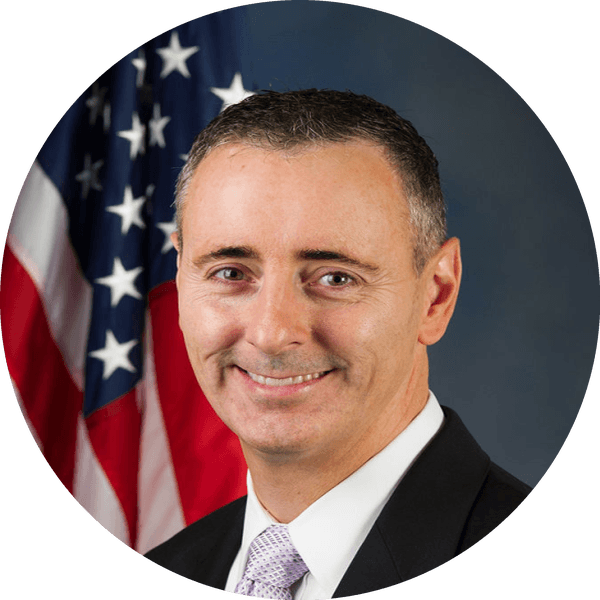
Brian Fitzpatrick
Republican · PA
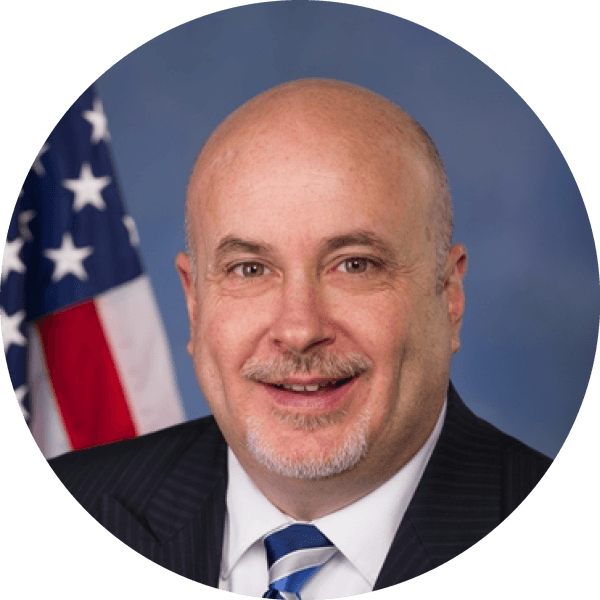
Mark Pocan
Democrat · WI

John Rutherford
Republican · FL
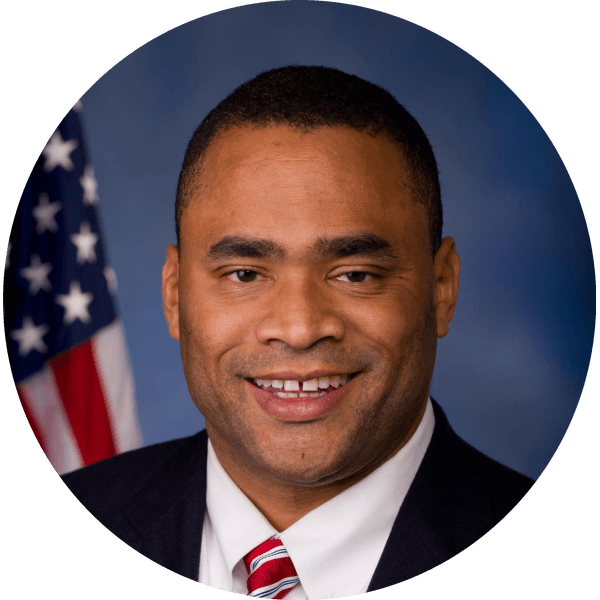
Marc Veasey
Democrat · TX
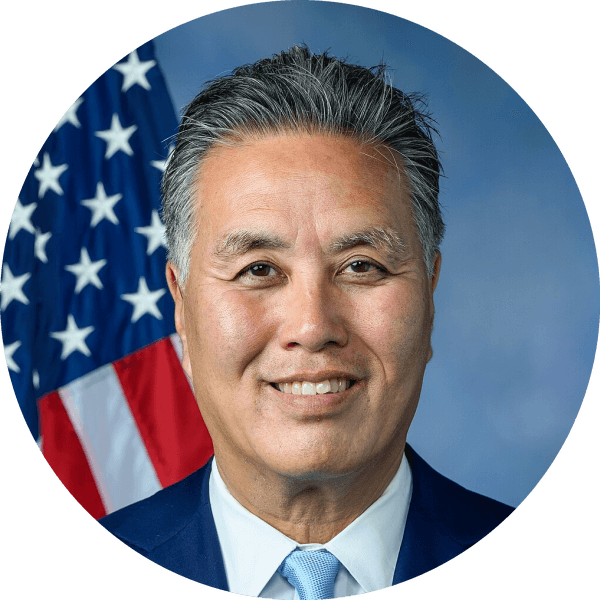
Mark Takano
Democrat · CA

Steve Cohen
Democrat · TN
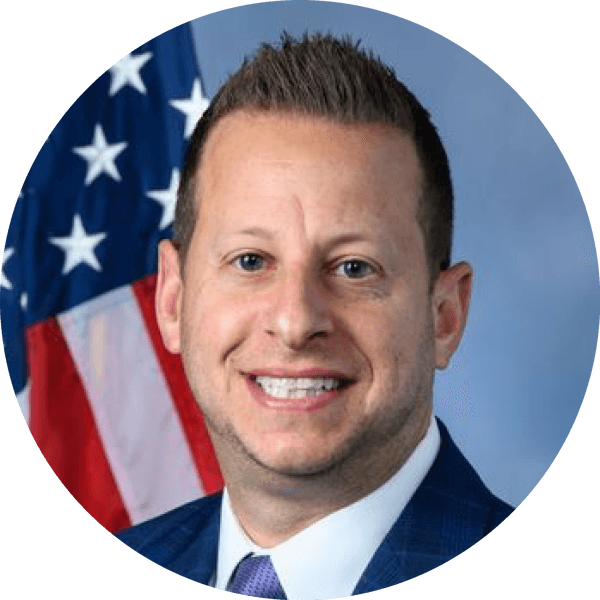
Jared Moskowitz
Democrat · FL

Christopher Deluzio
Democrat · PA

Brittany Pettersen
Democrat · CO

Judy Chu
Democrat · CA

Doris Matsui
Democrat · CA

Andrea Salinas
Democrat · OR
Cosponsor Coverage Map
Committee Sponsors
Ways and Means Committee
10 of 45 committee members cosponsored


Education and Workforce Committee
8 of 37 committee members cosponsored


Energy and Commerce Committee
22 of 54 committee members cosponsored


26 Democrats across these committees haven't cosponsored yet. Mobilize their constituents
What laws does H.R. 4606 change?
2 changes
Sections Amended
Section 1861(r) of Social Security Act) or qualified audiologist (as defined in section 1861(ll)(4)(B) of such Act) determines meets an indication (including unilateral or bilateral hearing loss) for an auditory implant device and external sound processor described in subsection (a)(1).''. (2) Clerical amendment.--The table of contents in section 1 of the Employee Retirement Income Security Act of 1974 (29 U.S.C. 1001 et seq.)
inserting after the item relating to section 725 the following new item: ``Sec
Section 1861(r) of Social Security Act) or qualified audiologist (as defined in section 1861(ll)(4)(B) of such Act) determines meets an indication (including unilateral or bilateral hearing loss) for an auditory implant device and external sound processor described in subsection (a)(1).''. (2) Clerical amendment.--The table of sections for subchapter B of chapter 100 of the Internal Revenue Code of 1986
inserting after the item relating to section 9825 the following new item: ``Sec
H.R. 4606 Quick Facts
- Committee
- Ways and Means
- Chamber
- House
- Policy
- Health
- Introduced
- Jul 22, 2025
Referred to Energy and Commerce, and in addition to the Committees on Education and Workforce, and Ways and Means, for a period to be subsequently determined by the Speaker, in each case for consideration of such provisions as fall within the jurisdiction of the committee concerned. for review
Jul 22, 2025
Official Sources
The bill's official status page — current committee referrals, the 83 cosponsors, and full legislative actions for Ally's Act.
The Government Publishing Office's authoritative published text of the bill as introduced, the source for every coverage requirement described here.
The Senate version of Ally's Act, showing the same hearing-device coverage mandate is moving in parallel in the other chamber.
NIH's explainer on cochlear implants and the external sound processor — the wear-and-tear component whose maintenance and replacement the bill is built around.
Federal prevalence data on hearing loss in U.S. adults and children, the population affected by the coverage gap this bill closes.
The part of the Public Health Service Act the bill amends, adding new section 2799A–11 to set the hearing-device coverage floor for private plans.
H.R. 4606 Common Questions
Does Ally's Act require insurance to cover cochlear implants and bone-conduction implants?
Yes. H.R. 4606 would require private group and individual health plans to cover auditory implant devices — both cochlear implants and bone-conduction (osseointegrated) implants — along with the external sound processor that makes them work.
How often would my insurance have to upgrade or replace the sound processor?
Every five years. Under Ally's Act, plans would have to cover an upgrade of the implant device or external sound processor at least every five years — or a full replacement if no upgrade is available.
Can insurers charge extra copays or set tighter limits on hearing implant coverage?
No. H.R. 4606 says copays, deductibles, and treatment limits on hearing implant care can be no stricter than what the plan applies to most other medical and surgical care, and bars any separate cost-sharing aimed only at this benefit.
Does it cover repairs and replacement parts, or just the implant itself?
Both. Ally's Act would require coverage for maintenance and repairs of the device and processor, plus the adhesive adapters and softband headbands that hold the equipment in place — not only the initial implant.
Can an insurer deny a cochlear implant if my doctor says it's medically necessary?
No. Under H.R. 4606, if a physician or qualified audiologist determines an item or service is medically necessary, the plan cannot deny or otherwise limit coverage for it.
What hearing care is covered before and after implant surgery?
Ally's Act would cover a comprehensive hearing assessment, a preoperative medical assessment, the surgery itself, postoperative medical visits, activation and fitting visits, and aural rehabilitation — the full path, not just the device.
Does Ally's Act apply to employer plans, marketplace plans, or both?
Both. H.R. 4606 writes the requirement into the main laws covering private insurance, so it would reach employer-sponsored group plans as well as group and individual coverage sold in the private market.
When would Ally's Act take effect?
The bill sets coverage to begin for plan years starting on or after January 1, 2026, and it specifically extends the requirement to older grandfathered health plans, which are normally exempt from new mandates.
Based on H.R. 4606 bill text
H.R. 4606 Bill Text
“To amend title XXVII of the Public Health Service Act, the Employee Retirement Income Security Act of 1974, the Internal Revenue Code of 1986, and the Patient Protection and Affordable Care Act to require coverage of hearing devices and systems in certain private health insurance plans, and for other purposes.”
Source: U.S. Government Publishing Office
Get notified when H.R. 4606 moves
Committee votes, floor action, cosponsor changes — straight to your inbox.
Bill alerts + Legisletter's monthly briefing. Unsubscribe anytime.
Health Bills
9 related bills we're tracking
Nancy Gardner Sewell Medicare Multi-Cancer Early Detection Screening Coverage Act


Reported (Amended) by the Committee on Ways and Means. H. Rept. 119-333, Part I.
Oct 3, 2025
Mikaela Naylon Give Kids a Chance Act




Received in the Senate.
Dec 2, 2025
Improving Seniors’ Timely Access to Care Act of 2025

Ordered to be Reported in the Nature of a Substitute by the Yeas and Nays: 42 - 0.
Jul 15, 2026
CONNECT for Health Act of 2025



Referred to the Committee on Energy and Commerce, and in addition to the Committee on Ways and Means, for a period to be subsequently determined by the Speaker, in each case for consideration of such provisions as fall within the jurisdiction of the committee concerned.
Jun 26, 2025
ASAP Act



Ordered to be Reported in the Nature of a Substitute by the Yeas and Nays: 40 - 0.
Sep 16, 2026
Momnibus Act


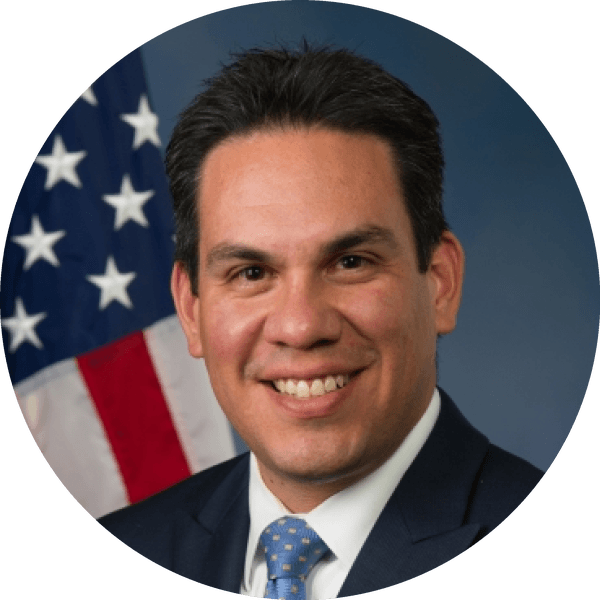

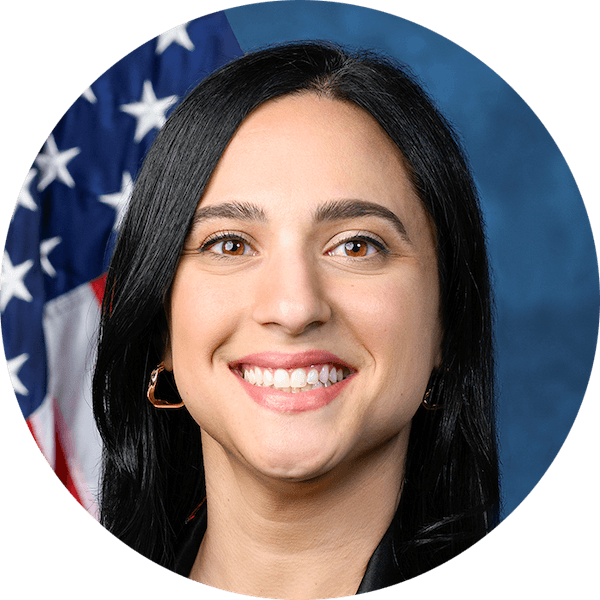
Referred to the Subcommittee on Health.
Apr 20, 2026
Ensuring Lasting Smiles Act
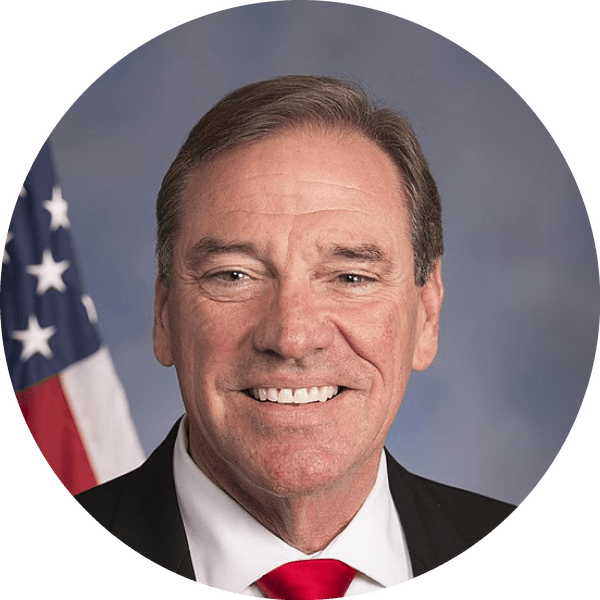



Referred to the Committee on Energy and Commerce, and in addition to the Committees on Education and Workforce, and Ways and Means, for a period to be subsequently determined by the Speaker, in each case for consideration of such provisions as fall within the jurisdiction of the committee concerned.
May 8, 2025
Right to Contraception Act
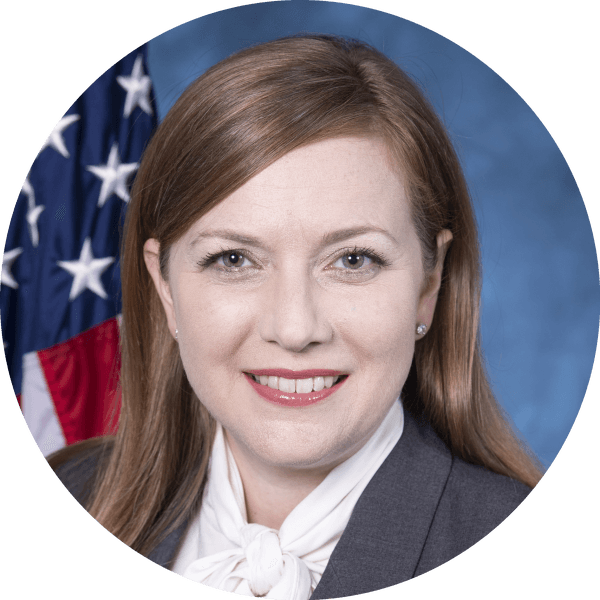
Referred to the House Committee on Energy and Commerce.
Feb 5, 2025
Women’s Health Protection Act of 2025


Referred to the Committee on Energy and Commerce, and in addition to the Committee on the Judiciary, for a period to be subsequently determined by the Speaker, in each case for consideration of such provisions as fall within the jurisdiction of the committee concerned.
Jun 24, 2025
Trending Right Now
Bills gaining momentum across Congress
North Platte Canteen Congressional Gold Medal Act


Referred to the House Committee on Financial Services.
Feb 21, 2025
Fit to Serve Act



Referred to the House Committee on Armed Services.
May 21, 2025
Accelerating Access to Critical Therapies for ALS Reauthorization Act of 2026



Message on Senate action sent to the House.
Oct 14, 2026
Tracking Health in Congress? Monitor bills, track cosponsor momentum, and launch advocacy campaigns — all from one advocacy platform.