H.R. 2821: FDA Modernization Act 3.0
Sponsor
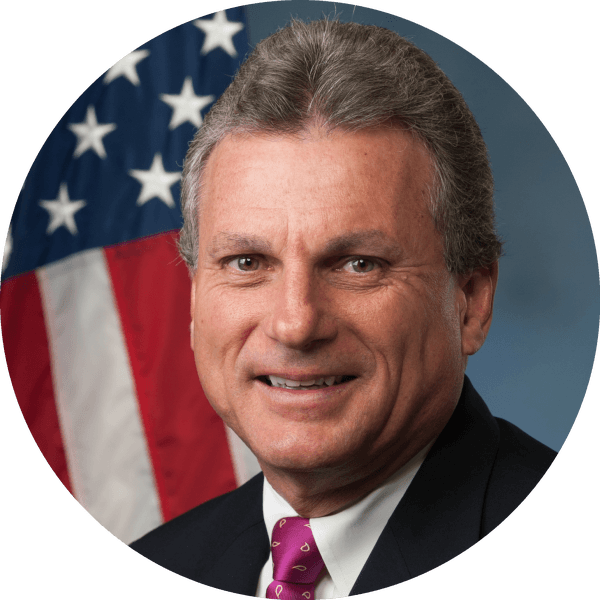
Earl Carter
Republican · GA-1
FDA's drug rules are overdue to drop animal-only language
Why it matters
Congress ended the federal law's animal-testing requirement for new drugs in late 2022, but at least 21 FDA regulations still describe preclinical safety work in animal terms. H.R. 2821 gives FDA one year to rewrite them, and the rewrite takes effect the day it is published.
The mismatch dates to the Consolidated Appropriations Act, 2023, which carried the change widely known as the FDA Modernization Act 2.0. It rewrote the drug law so a company could support a new drug with "nonclinical" tests, a category that covers cell-based assays, organ chips, computer models, and animal studies alike. FDA's own regulations were never updated to match.
H.R. 2821 orders FDA to swap "animal" for "nonclinical" across 21 named regulations within a year, with the change taking effect immediately. The list touches applications to begin human trials, full approval applications for brand-name and generic drugs, diagnostic radiopharmaceuticals, over-the-counter drug reviews, and biologics. A catch-all lets FDA fix any other regulation that conflicts with the 2022 law.
The bill also writes the statute's definition of a nonclinical test into four core definition sections of FDA's rules, so reviewers and companies read the same term the same way.
Normally an agency that skips public comment before a rule takes effect has to justify the shortcut. This bill waives that step. FDA publishes, the rule is live, and comments can come afterward.
Animal testing stays legal and stays on the list of acceptable evidence; what changes is that the rules stop treating it as the only kind. A final housekeeping fix relabels a duplicate subsection in the drug law so two unrelated provisions no longer share the same letter.
Bill Progress
Latest Action · Jul 21, 2026
Passed the House, received in Senate
H.R. 2821 Bill Summary
What H.R. 2821 actually does.
Drug rules stop defaulting to animal studies
FDA must replace references to animal tests, data, studies, models, and research with "nonclinical" in 21 listed regulations covering investigational drugs, brand-name and generic drug applications, diagnostic radiopharmaceuticals, over-the-counter drugs, and biologics.
One year, then the change is live
FDA has one year after enactment to publish an interim final rule. It takes effect immediately on publication rather than after a comment period.
Agency skips the usual justification
FDA does not have to show good cause for bypassing advance notice and comment. Congress makes that call in the bill itself.
One definition across four rulebooks
The statute's definition of a nonclinical test gets added to the definition sections governing investigational drugs, drug applications, diagnostic radiopharmaceuticals, and biologics.
Room to fix what the list missed
FDA may amend any other regulation needed to bring its rules in line with the 2022 change to the drug law.
A labeling error in the law gets corrected
The drug law currently has two subsections lettered (z). The one on clinical trial diversity action plans becomes subsection (aa).
Who benefits from H.R. 2821?
Companies building animal-free testing methods
Makers of organ chips, lab-grown tissue models, and computer simulations would see their methods named in the same regulations drug sponsors read line by line.
Drug and biotech sponsors, especially small ones
A startup preparing its first application to begin human trials would no longer have to reconcile a statute that allows alternatives with forms that describe animal studies.
FDA reviewers
Reviewers would apply one definition written by Congress, instead of reading older animal-specific wording alongside a law that no longer requires it.
Groups working to reduce animal use in research
The bill turns a 2022 change in the law into day-to-day regulatory text, which advocates have pushed for since the law passed.
Who is affected by H.R. 2821?
FDA and HHS
The agency must draft and publish the rule within a year, across five parts of its drug and biologics regulations.
Regulatory affairs and compliance teams
Companies would update templates, standard operating procedures, and submission language to reflect the new terminology.
Contract labs that run animal studies
Animal data remains acceptable, but those labs would compete in regulations that list it as one nonclinical option among several.
Anyone who wants to comment before the rule takes effect
Because the rule takes effect on publication, public feedback would come after the change is already in force.
What Congress Is Saying
H.R. 2821 has come up 25 times in the Congressional Record so far.
Mr. Speaker, I rise in support of H.R. 2821, the FDA Modernization Act 3.0, led by Representative Barragan and Representative Carter of Georgia. The FDA Modernization Act 3.0 would require the Food and Drug Administration to update regulations to replace references to animal tests, data, studies, models, and research in specified sections of Title 21 of the Code of Federal Regulations with references to nonclinical tests.
H.R. 2821 also appeared in 21 routine cosponsor filings.
HR2821 Legislative Journey
Sent to Senate
Jul 21, 2026
Received in the Senate.
House: Vote Held
Jul 20, 2026
On motion to suspend the rules and pass the bill Agreed to by voice vote. (text: CR H4639)
House: Committee Action
Jun 18, 2026
Reported by the Committee on Energy and Commerce. H. Rept. 119-706.
House: Vote: 44-0
May 21, 2026
Ordered to be Reported by the Yeas and Nays: 44 - 0.
House: Vote Held
May 13, 2026
Forwarded by Subcommittee to Full Committee by Voice Vote.
House: Committee Action
Apr 10, 2026
Referred to the Subcommittee on Health.
House: Committee Action
Apr 10, 2025
Referred to the House Committee on Energy and Commerce.
About the Sponsor
Earl Carter
Republican, Georgia's 1st congressional district · 11 years in Congress
Committees: Energy and Commerce, the Budget
View full profile →
Cosponsors (41)
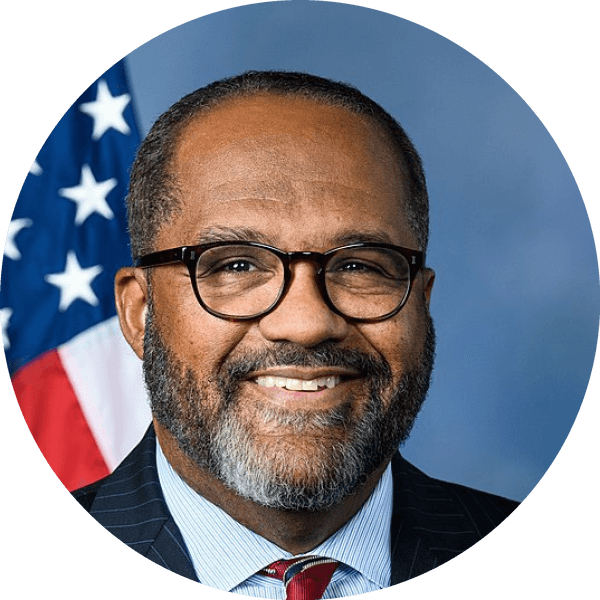
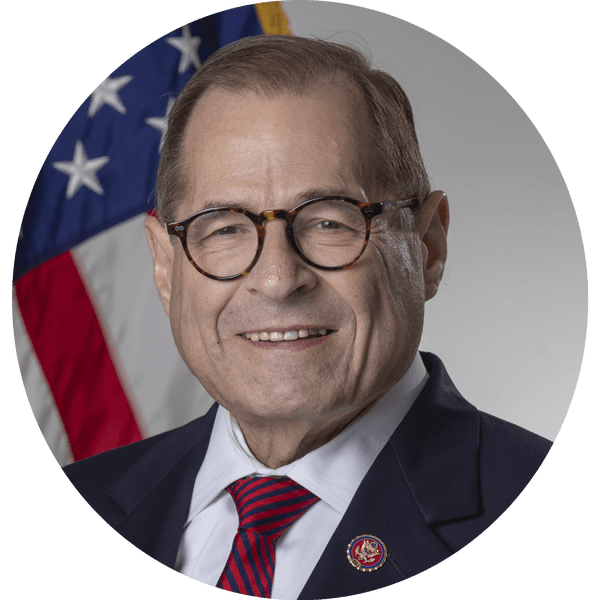
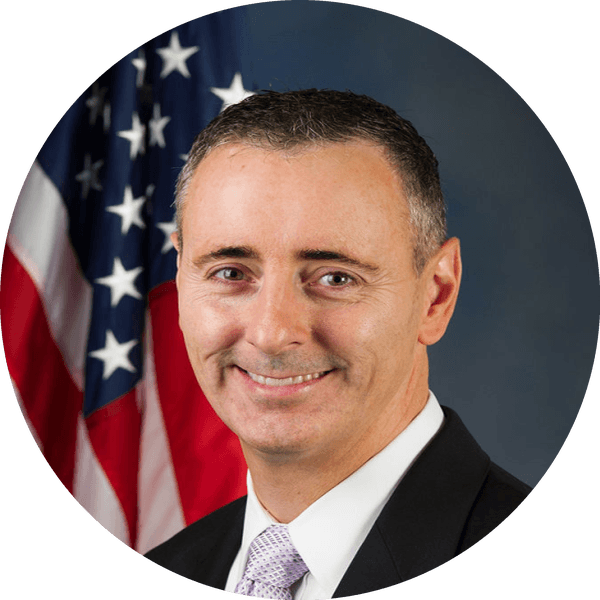
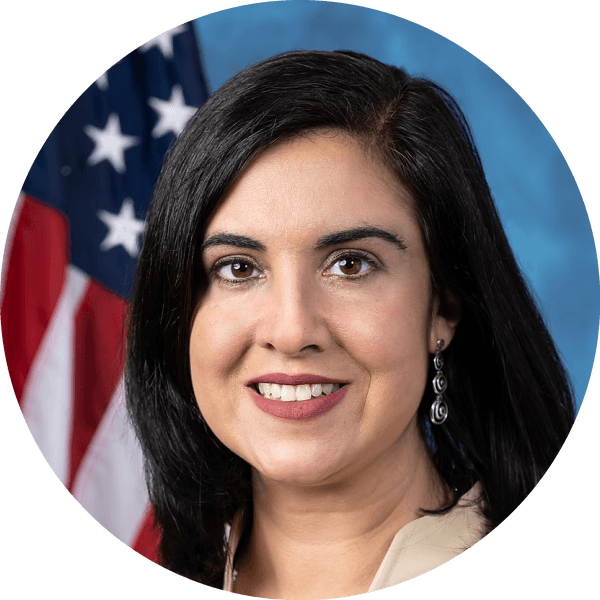
This bill has 41 cosponsors: 21 Democrats, 20 Republicans, reflecting bipartisan support. Cosponsors represent 16 states: California, Colorado, Connecticut, and 13 more.
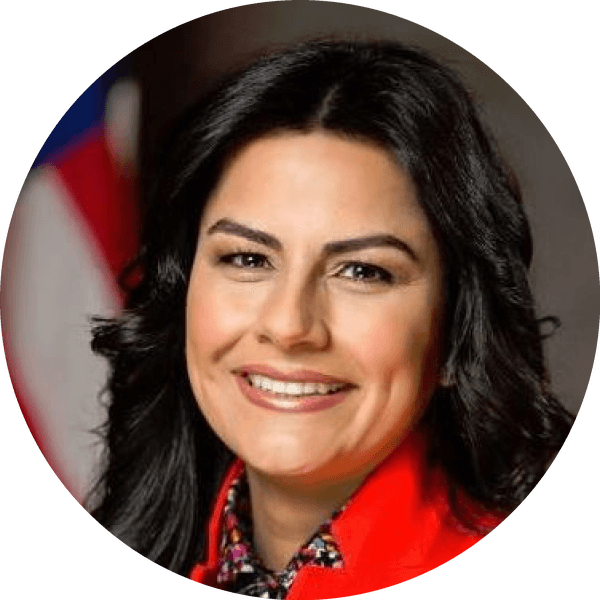
Nanette Barragán
Democrat · CA

Vern Buchanan
Republican · FL
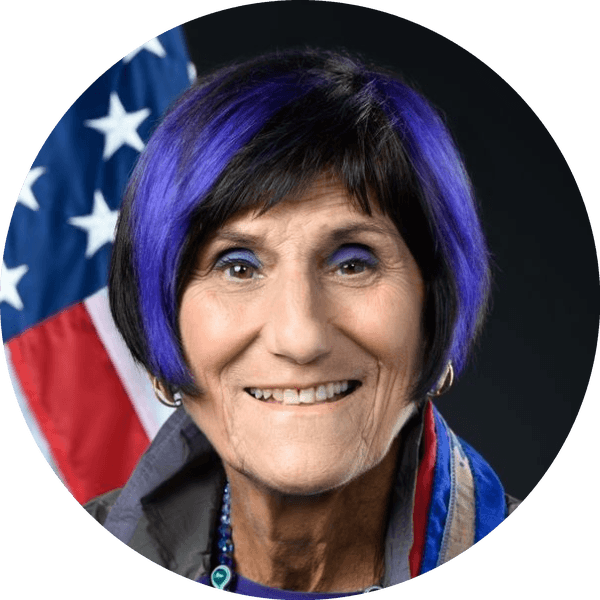
Rosa DeLauro
Democrat · CT

Diana Harshbarger
Republican · TN
Troy Carter
Democrat · LA

Lloyd Doggett
Democrat · TX
Jerrold Nadler
Democrat · NY

Mike Carey
Republican · OH
Brian Fitzpatrick
Republican · PA
Nicole Malliotakis
Republican · NY

Dan Crenshaw
Republican · TX

Judy Chu
Democrat · CA
Committee Sponsors
Energy and Commerce Committee
11 of 54 committee members cosponsored


22 Republicans across this committee haven't cosponsored yet. Mobilize their constituents
H.R. 2821 Quick Facts
- Committee
- Energy and Commerce
- Chamber
- House
- Policy
- Health
- Introduced
- Apr 10, 2025
Passed the House, received in Senate
Jul 21, 2026
Official Sources
Official bill page with text, status, and actions for the FDA Modernization Act 3.0.
FDA's September 2026 rule swapping "animal" for "nonclinical" in Parts 312, 314, 315, 361, and 601, covering much of what H.R. 2821 would require.
The drug-approval statute whose 2022 nonclinical-test amendments the bill implements, and whose duplicate subsection (z) it relabels.
FDA's hub for cell-based assays, organ chips, and computer models that qualify as nonclinical evidence.
FDA drug center guidance on where non-animal methods can reduce or replace animal studies in drug development.
The rules for starting human trials, where H.R. 2821 adds the nonclinical test definition to section 312.3.
Brand-name and generic approval rules the bill would update, including the definitions in section 314.3.
Biologics licensing rules where the bill adds the nonclinical test definition to section 601.31.
H.R. 2821 Common Questions
What does H.R. 2821 do?
It orders FDA to replace "animal" with "nonclinical" in 21 drug and biologics regulations within one year, so the rules match a 2022 change to federal drug law.
Does H.R. 2821 ban animal testing?
No. Animal studies still count as nonclinical evidence. The bill removes wording that treats them as the only option; it does not stop any company from using them.
What counts as a nonclinical test?
The 2022 law defines it to include cell-based assays, organ chips and microphysiological systems, computer modeling, and other human or non-human biology-based methods, including animal tests.
Didn't the FDA Modernization Act 2.0 already do this?
It changed the statute in December 2022. FDA's regulations were never rewritten to match, so they still describe animal studies. H.R. 2821, titled the FDA Modernization Act 3.0, targets that gap.
When would the new FDA rules take effect?
FDA has one year after the bill becomes law to publish the rule. It takes effect the day it is published, with no advance comment period.
Which FDA rules would change?
Rules for starting human trials, brand-name and generic drug applications, diagnostic radiopharmaceuticals, over-the-counter drug reviews, and biologics. FDA can also fix any other rule that conflicts with the 2022 law.
Will this get new drugs to patients faster?
The bill does not change approval timelines. Supporters expect clearer rules to help companies use faster or more human-relevant testing methods, but any speedup would be indirect.
Has H.R. 2821 passed?
It passed the House by voice vote on July 20, 2026, after a 44-0 committee vote, and was received in the Senate on July 21. The Senate has not acted yet.
Based on H.R. 2821 bill text
H.R. 2821 Bill Text
“To require the Secretary of Health and Human Services, acting through the Commissioner of Food and Drugs, to publish a final rule relating to nonclinical testing methods.”
Source: U.S. Government Publishing Office
Get notified when H.R. 2821 moves
Committee votes, floor action, cosponsor changes — straight to your inbox.
Bill alerts + Legisletter's monthly briefing. Unsubscribe anytime.
Health Bills
9 related bills we're tracking
Nancy Gardner Sewell Medicare Multi-Cancer Early Detection Screening Coverage Act



Reported (Amended) by the Committee on Ways and Means. H. Rept. 119-333, Part I.
Oct 3, 2025
Mikaela Naylon Give Kids a Chance Act



Received in the Senate.
Dec 2, 2025
Improving Seniors’ Timely Access to Care Act of 2025
Ordered to be Reported in the Nature of a Substitute by the Yeas and Nays: 42 - 0.
Jul 15, 2026
CONNECT for Health Act of 2025




Referred to the Committee on Energy and Commerce, and in addition to the Committee on Ways and Means, for a period to be subsequently determined by the Speaker, in each case for consideration of such provisions as fall within the jurisdiction of the committee concerned.
Jun 26, 2025
ASAP Act


Ordered to be Reported in the Nature of a Substitute by the Yeas and Nays: 40 - 0.
Sep 16, 2026
Momnibus Act



Referred to the Subcommittee on Health.
Apr 20, 2026
Ensuring Lasting Smiles Act


Referred to the Committee on Energy and Commerce, and in addition to the Committees on Education and Workforce, and Ways and Means, for a period to be subsequently determined by the Speaker, in each case for consideration of such provisions as fall within the jurisdiction of the committee concerned.
May 8, 2025
Right to Contraception Act

Referred to the House Committee on Energy and Commerce.
Feb 5, 2025
Women’s Health Protection Act of 2025


Referred to the Committee on Energy and Commerce, and in addition to the Committee on the Judiciary, for a period to be subsequently determined by the Speaker, in each case for consideration of such provisions as fall within the jurisdiction of the committee concerned.
Jun 24, 2025
Trending Right Now
Bills gaining momentum across Congress
Fit to Serve Act



Referred to the House Committee on Armed Services.
May 21, 2025
America’s Olympic and Paralympic Games Commemorative Coins Act




Referred to the House Committee on Financial Services.
Jul 14, 2025
Therapeutic Fraud Prevention Act of 2025



Referred to the House Committee on Energy and Commerce.
May 7, 2025
Tracking Health in Congress? Monitor bills, track cosponsor momentum, and launch advocacy campaigns — all from one advocacy platform.