Mr. Speaker, last night the Rules Committee met and reported a rule, House Resolution 53, providing for consideration of two measures, the first of which is H.R. 471, the Fix Our Forests Act, to be considered under a structured rule. The rule provides for 1 hour of debate, equally divided and controlled by the chair and ranking member of the Committee on Natural Resources, or their respective designees, provides for one motion to recommit, and makes two amendments in order. Additionally, the rule provides for consideration of S. 5, the Laken Riley Act, under a closed rule.
S. 5: Laken Riley Act
Introduced Jan 6, 202553 cosponsors
Sponsor
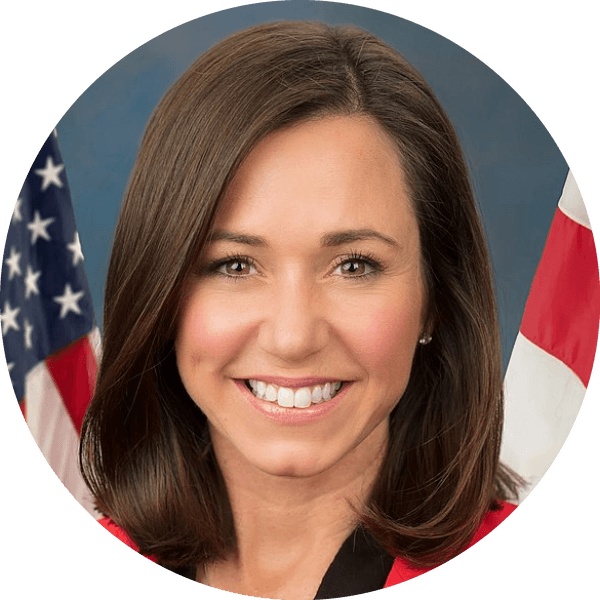
Katie Britt
Republican · AL
Certain Arrests Now Mandate Immigration Detention
4 min readLast updated November 5, 2026
Why it matters
More than $100 in alleged financial harm can support a state challenge to specified federal immigration decisions. The law also requires federal custody for certain inadmissible noncitizens after an arrest, charge, conviction, or qualifying admission involving six categories of offenses.
The Laken Riley Act is now federal law. It expands mandatory immigration detention to certain inadmissible noncitizens who are arrested for, charged with, convicted of, or admit committing acts that amount to burglary, theft, larceny, shoplifting, assaulting a law enforcement officer, or a crime causing death or serious bodily injury.
For covered noncitizens, an arrest or charge is enough to trigger mandatory federal custody; the law does not wait for a conviction. Homeland Security must issue a detainer and take custody promptly when federal, state, or local authorities are not already holding the person. Local law where the conduct occurred determines what the named offenses and serious bodily injury mean.
The law separately authorizes state attorneys general and other designated state officers to seek court orders against federal officials. These suits can challenge specified decisions involving detention at the border, release or bond, visa restrictions for countries that refuse deportees, humanitarian or public-benefit parole, and detention during the removal period.
The law expressly treats more than $100 in alleged financial harm as sufficient harm for these state enforcement suits. Courts must move the cases forward as quickly as practicable, although the law sets no fixed deadline.
Parole remains limited to individual decisions based on urgent humanitarian reasons or a significant public benefit. The law names the Homeland Security secretary as the official responsible for that authority and allows states to sue over alleged violations of those limits.
Bill Progress
IntroducedJan 6
Committee
Pass SenateJan 20
Pass HouseJan 22
SignedJan 29
LawJan 29
Latest Action · Jan 29, 2025
1/4
Became Public Law No: 119-1.
S. 5 Bill Summary
What S. 5 actually does.
1
An arrest can require federal custody
Mandatory detention applies when a covered noncitizen is arrested for, charged with, convicted of, or makes a qualifying admission involving a listed offense. A criminal conviction is not required.
2
Six offense categories trigger the rule
The covered conduct is burglary, theft, larceny, shoplifting, assault of a law enforcement officer, or a crime causing death or serious bodily injury. The jurisdiction where the conduct occurred supplies the definitions.
3
Homeland Security must take custody
Homeland Security must issue a detainer for a covered person and take custody promptly if federal, state, or local authorities are not already holding that person.
4
States can challenge five kinds of decisions
Authorized state officials can seek court orders involving detention at entry, release or bond, visa restrictions for countries that refuse deportees, case-by-case parole, and detention during the removal period.
5
More than $100 can open a courthouse door
The law treats alleged financial harm exceeding $100 to a state or its residents as sufficient harm under the new enforcement provisions. Courts must prioritize these cases and resolve them as quickly as practicable.
6
Humanitarian parole remains case by case
The Homeland Security secretary controls parole decisions, which remain limited to individual cases involving urgent humanitarian reasons or a significant public benefit. States can seek court orders over alleged violations of those limits.
Who benefits from S. 5?
State attorneys general
They gain a direct route to seek federal court orders across five areas of immigration enforcement, with qualifying cases placed on an expedited track.
States and residents alleging immigration-related costs
The law expressly recognizes more than $100 in alleged financial harm as sufficient harm for the new state enforcement actions.
People affected by the six covered offense categories
The law requires federal custody for eligible noncitizens connected to offenses ranging from shoplifting to crimes causing death or serious bodily injury. It does not create compensation or a private lawsuit for victims.
Who is affected by S. 5?
Covered noncitizens arrested or charged
People within the law’s specified inadmissibility categories face mandatory detention after an arrest, charge, conviction, or qualifying admission involving a covered offense. A conviction is not required.
Department of Homeland Security
The department must issue detainers and promptly take custody of covered people who are not already being held, increasing demands on detention personnel, transportation, and available beds.
Federal immigration and diplomatic officials
The Homeland Security secretary, attorney general, and secretary of state can face state lawsuits over specified detention, release, parole, removal, and visa decisions.
Federal courts
Judges must prioritize qualifying state cases and handle them as quickly as practicable, with no fixed deadline imposed by the law.
State and local justice systems
Their criminal definitions help determine whether conduct falls within the six covered categories. The law requires Homeland Security to issue detainers but does not itself direct every state or local agency to honor them.
On the Record
What Congress Said
S. 5 was signed into law on Jan 23, 2025.
Mr. Speaker, I rise in opposition to S. 5. We have all these fine speeches and all these fancy parties with billionaires and Congressmen in tuxedos; all these executive orders for Big Oil and tech broligarchs; all these complete and unconditional pardons for Proud Boys, Oath Keepers, and violent extremists who chanted ``Hang Mike Pence'' and smashed, swarmed, and wounded our police officers in this building with steel poles, baseball bats, American flags, Confederate battle flags, and bear mace--all this sound and fury on day one and week one, but nothing to bring down grocery prices; nothing…
Mr. Speaker, I rise today in support of the rule and the underlying bill, the Fix Our Forests Act. Mr. Speaker, first and foremost, I express my sincere condolences to the families who have lost loved ones, homes, and history in the tragic fires in southern California. Our hearts break for them, and our prayers continue to be with them. Today, we have an opportunity to help mitigate future forest fires and protect not only homes and communities but critical wildlife habitat. Proper forest management can, in fact, help prevent forest fires.
S. 5 also appeared in 2 more House floor references, 42 more Senate floor references, 3 in the Extensions of Remarks, and 14 routine cosponsor filings.
S5 Legislative Journey
Signed into Law
Jan 29, 2025
Became Public Law No: 119-1.
+3 more actions this day
Action Taken
Jan 23, 2025
Presented to President.
House: Passed 263-156
Jan 22, 2025
On passage Passed by the Yeas and Nays: 263 - 156 (Roll no. 23). (text: CR H277-278)
+9 more actions this day
House: Committee Action
Jan 21, 2025
Rules Committee Resolution H. Res. 53 Reported to House. Rule provides for consideration of H.R. 471 and S. 5. The resolution provides for consideration of H.R. 471 under a structured rule with one hour of general debate and one motion to recommit. Also, the resolution provides for consideration of S. 5 under a closed rule with one hour of general debate and one motion to commit.
Passed 64-35
Jan 20, 2025
Passed Senate with an amendment by Yea-Nay Vote. 64 - 35. Record Vote Number: 7. (text: CR S250-251)
+2 more actions this day
Floor Action
Jan 17, 2025
Considered by Senate. (consideration: CR S237-241)
Floor Action
Jan 16, 2025
Considered by Senate. (consideration: CR S198-218)
Floor Action
Jan 15, 2025
Considered by Senate. (consideration: CR S161-182)
Floor Action
Jan 14, 2025
Considered by Senate. (consideration: CR S130)
Floor Action
Jan 13, 2025
Motion to proceed to measure considered in Senate. (CR S83)
Floor Action
Jan 9, 2025
Motion to proceed to measure considered in Senate. (CR S70)
Action Taken
Jan 8, 2025
Cloture motion on the motion to proceed to the measure presented in Senate. (CR S46)
Action Taken
Jan 7, 2025
Read the second time. Placed on Senate Legislative Calendar under General Orders. Calendar No. 1.
Introduced
Jan 6, 2025
Introduced in the Senate. Read the first time. Placed on Senate Legislative Calendar under Read the First Time.
+1 more action this day
About the Sponsor
Katie Britt
Republican, AL · 3 years in Congress
Committees: Commission on Security and Cooperation in Europe, Banking, Housing, and Urban Affairs, Rules and Administration
View full profile →
Cosponsors at time of passage (53)
This bill has 53 cosponsors: 2 Democrats, 51 Republicans. Cosponsors represent 29 states: Alaska, Alabama, Arkansas, and 26 more.
2Democrats51Republicans·29 states
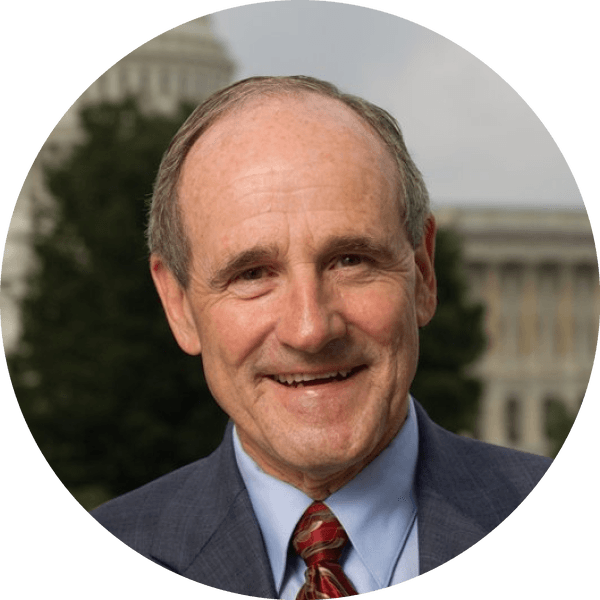
James Risch
Republican · ID
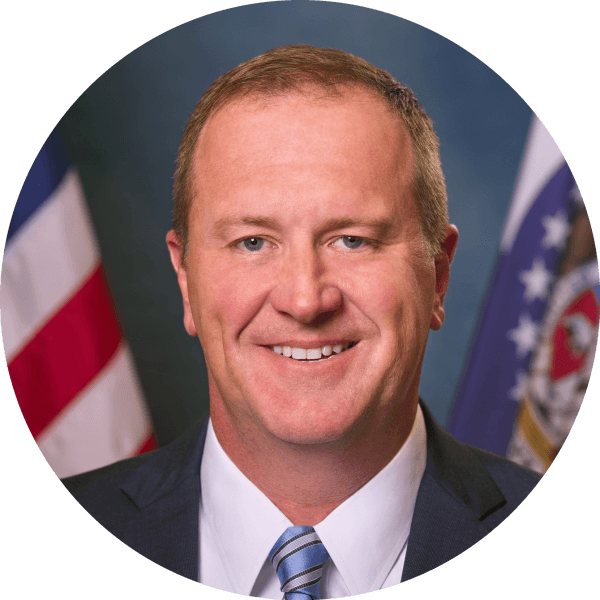
Eric Schmitt
Republican · MO
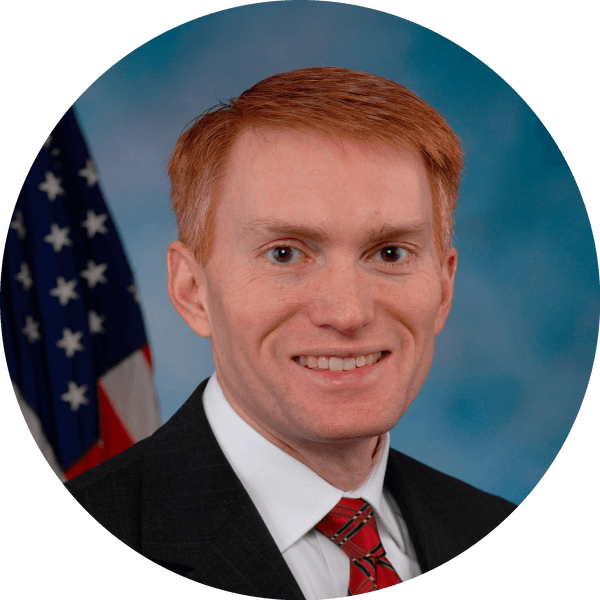
James Lankford
Republican · OK

Kevin Cramer
Republican · ND
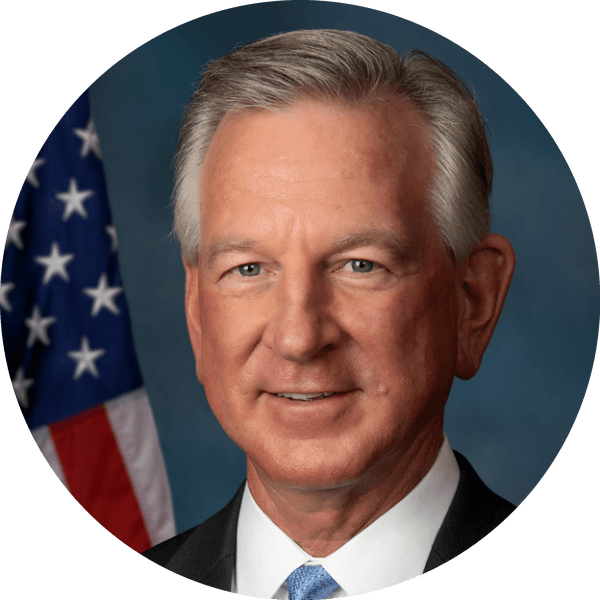
Tommy Tuberville
Republican · AL
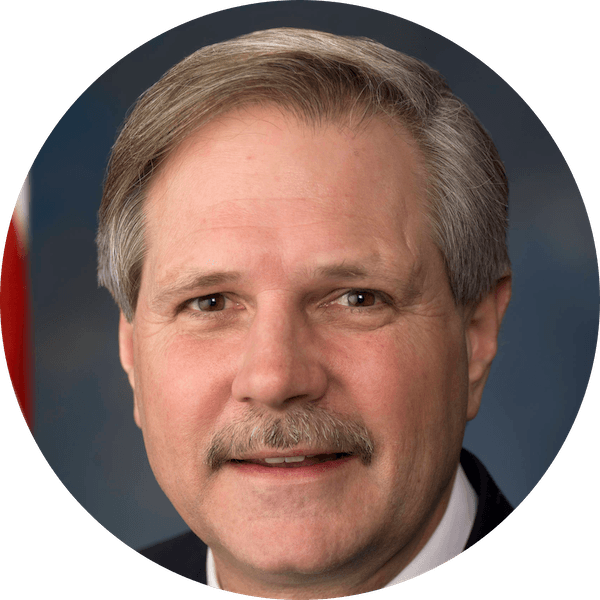
John Hoeven
Republican · ND
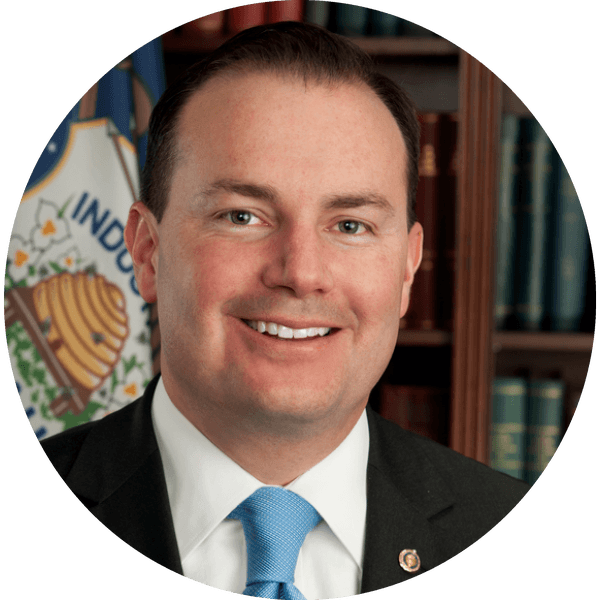
Mike Lee
Republican · UT

Ron Johnson
Republican · WI
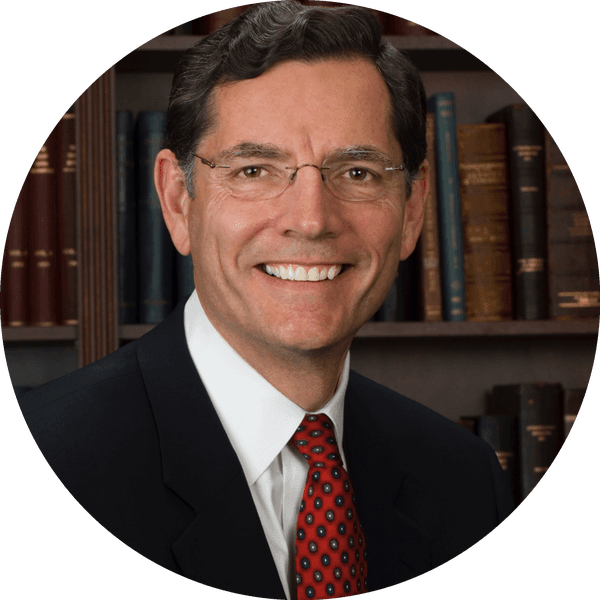
John Barrasso
Republican · WY
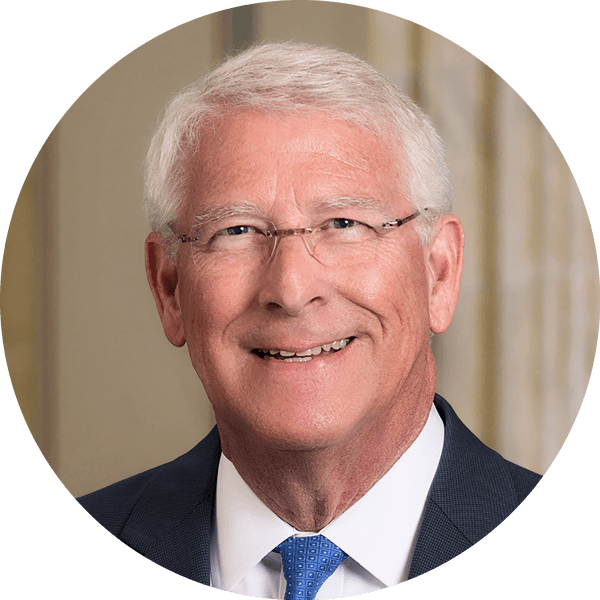
Roger Wicker
Republican · MS

Cynthia Lummis
Republican · WY
John Thune
Republican · SD
What laws does S. 5 change?
2 changes
Sections Amended
Section 243 of Immigration and Nationality Act (8 U.S.C. 1253)
adding at the end the following: ``(e) Enforcement by Attorney General of a State
Section 242(f) of Immigration and Nationality Act (8 U.S.C. 1252(f))
adding at the end following: ``(3) Certain actions
S. 5 Quick Facts
Cosponsors
53
- Chamber
- Senate
- Policy
- Immigration
- Introduced
- Jan 6, 2025
Became Public Law No: 119-1.
Jan 29, 2025
Official Sources
S. 5 — Laken Riley Act on Congress.gov
Congress.gov provides the official bill text, legislative history, actions, and enactment information for the Laken Riley Act.
Public Law 119-1 on GovInfo
GovInfo provides the official enrolled text of the Laken Riley Act as Public Law 119-1.
ICE Immigration Detainers
ICE explains immigration detainers, which the Act requires the Homeland Security secretary to issue for covered noncitizens.
USCIS Humanitarian Parole
USCIS explains the federal process for requesting discretionary parole based on urgent humanitarian reasons or significant public benefit.
About Legisletter
Legisletter is the advocacy platform that tracks every bill from introduction to Public Law — and connects the constituents affected by a bill to the legislators who vote on it.
S. 5 Common Questions
Is the Laken Riley Act now law?
Yes. S. 5 became Public Law 119-1. Its detention requirements and state enforcement provisions are enacted federal law, not a pending proposal.
Who can be detained under the Laken Riley Act?
The law covers people within three specified inadmissibility categories who are arrested for, charged with, convicted of, or make a qualifying admission involving one of the covered offenses.
What offenses trigger detention under the Laken Riley Act?
The six categories are burglary, theft, larceny, shoplifting, assault of a law enforcement officer, and crimes causing death or serious bodily injury. Local law where the conduct occurred supplies the definitions.
Does detention require a criminal conviction?
No. For a covered noncitizen, an arrest, charge, conviction, or qualifying admission can trigger mandatory detention. The law does not require the criminal case to end in a guilty verdict.
Does the law require local police to hold someone for ICE?
The law requires Homeland Security to issue a detainer and take custody promptly if another authority is not already holding the person. It does not itself say that every state or local agency must honor the detainer.
When can a state sue under the Laken Riley Act?
An authorized state official can seek a court order over specified detention, release, parole, removal, or visa decisions. The law treats more than $100 in alleged financial harm as sufficient harm and requires expedited handling.
Did the Laken Riley Act end humanitarian parole?
No. Parole remains available case by case for urgent humanitarian reasons or a significant public benefit. The law names the Homeland Security secretary as the responsible official and lets states challenge alleged violations.
Does the Laken Riley Act fund more detention beds?
No specific funding is included. Homeland Security must carry out the expanded detention mandate, but the law does not state how much money is available for beds, transportation, personnel, or related court costs.
Based on S. 5 bill text
S. 5 Bill Text
“To require the Secretary of Homeland Security to take into custody aliens who have been charged in the United States with theft, and for other purposes.”
Source: U.S. Government Publishing Office
Bill Alerts
Get notified when S. 5 moves
Committee votes, floor action, cosponsor changes — straight to your inbox.
Bill alerts + Legisletter's monthly briefing. Unsubscribe anytime.
Immigration Bills
9 related bills we're tracking
H.R. 1589
American Dream and Promise Act of 2025
Sylvia GarciaD-TX



+217
221 cosponsors
+1 this monthSponsor introductory remarks on measure. (CR H884)
Feb 27, 2025
HouseImmigration
H.R. 1061
Protecting Sensitive Locations Act
Adriano EspaillatD-NY

+153
157 cosponsors
+1 this monthReferred to the House Committee on the Judiciary.
Feb 6, 2025
HouseImmigration
H.R. 3368
Born in the USA Act of 2025

Delia RamirezD-IL

+136
140 cosponsors
Referred to the House Committee on the Judiciary.
May 13, 2025
HouseImmigration
H.R. 6397
Dignity for Detained Immigrants Act

Pramila JayapalD-WA



+129
133 cosponsors
Referred to the Subcommittee on Oversight, Investigations, and Accountability.
Dec 4, 2025
HouseImmigration
H.R. 4176
No Secret Police Act of 2025
Daniel GoldmanD-NY

+126
130 cosponsors
Referred to the Subcommittee on Border Security and Enforcement.
Jun 27, 2025
HouseImmigration
H.R. 924
NO BAN Act
Judy ChuD-CA


+118
122 cosponsors
Referred to the Subcommittee on Border Security and Enforcement.
Feb 4, 2025
HouseImmigration
H.R. 5973
Stop Excessive Force in Immigration Act of 2025

Scott PetersD-CA

+108
112 cosponsors
Referred to the House Committee on the Judiciary.
Nov 7, 2025
HouseImmigration
H.R. 273
REMAIN in Mexico Act of 2025
Brandon GillR-TX


+106
110 cosponsors
Referred to the House Committee on the Judiciary.
Jan 9, 2025
HouseImmigration
H.R. 7335
Humanitarian Standards for Individuals in ICE and CBP Custody Act
Raul RuizD-CA


+95
99 cosponsors
Sponsor introductory remarks on measure. (CR H2018)
Feb 4, 2026
HouseImmigration
Trending Right Now
Bills gaining momentum across Congress
H.R. 1502Surging+19
North Platte Canteen Congressional Gold Medal Act

Adrian SmithR-NE

+266
270 cosponsors
+19 this monthReferred to the House Committee on Financial Services.
Feb 21, 2025
HouseArmed Forces and National Security
H.R. 3277Surging+15
Ensuring Lasting Smiles Act
Neal DunnR-FL

+218
222 cosponsors
+15 this monthReferred to the Committee on Energy and Commerce, and in addition to the Committees on Education and Workforce, and Ways and Means, for a period to be subsequently determined by the Speaker, in each case for consideration of such provisions as fall within the jurisdiction of the committee concerned.
May 8, 2025
HouseHealth
H.R. 6130Surging+11
ASAP Act
Vern BuchananR-FL

+231
235 cosponsors
+11 this monthOrdered to be Reported in the Nature of a Substitute by the Yeas and Nays: 40 - 0.
Sep 16, 2026
HouseHealth
Tracking Immigration in Congress? Monitor bills, track cosponsor momentum, and launch advocacy campaigns — all from one advocacy platform.