H.R. 8831: Protecting Our Democracy Act
Sponsor
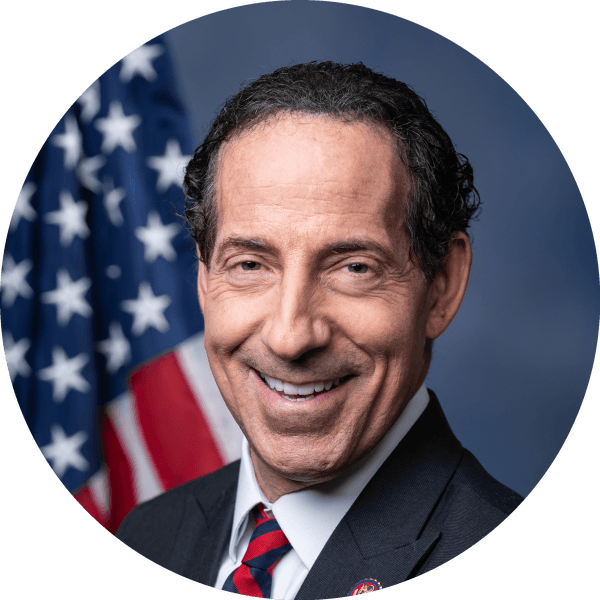
Jamie Raskin
Democrat · MD-8
A president's pardon should come with a paper trail
Why it matters
110 House members have signed onto H.R. 8831, which would give Congress the Justice Department's full file within 30 days of certain presidential pardons, void any self-pardon, and stop the criminal statute of limitations from running while a president is in office. It also caps inaugural donations at $50,000 per person and requires campaigns to report certain foreign contacts to the FBI within a week. The result: more of what happens at the top of the executive branch would have to be written down, disclosed, or answered for in court.
H.R. 8831 is a package of more than a dozen smaller bills, sponsored by Rep. Jamie Raskin (D-MD). Almost every piece aims at the same question: what happens when the person who oversees federal law enforcement is the one under scrutiny?
Start with pardons. A president could not pardon themselves: the bill declares a self-pardon void and says it gives no immunity from investigation or prosecution. When a president pardons a relative, a political appointee, a campaign staffer, or someone tied to an investigation of the president, the Attorney General would have 30 days to hand the prosecution's files to the Judiciary Committees. Pardons and commutations would also count as "things of value" under federal bribery law, so selling one could be charged as a bribe.
Then the clock. Time a person spends as president or vice president would not count toward the deadline for charging them with a federal crime. A four-year term would no longer eat four years of a five-year limitations period.
Money is the next layer. The president, vice president, and Cabinet members could not hold federal contracts. Senior officials who knowingly accept prohibited foreign payments would face up to a year in prison and a fine of $50,000 or the full amount taken, whichever is greater. People the president appoints or grants clemency could not make payments to the president or businesses the president owns.
Inaugural committees could take money only from individuals, capped at $50,000 each, with donations of $1,000 or more disclosed within 24 hours. Campaigns would have to report certain contacts from foreign governments and their agents to the FBI within one week.
The rest rebalances power toward Congress. Declared national emergencies would expire after 20 days unless Congress votes to approve them. Congress could sue in federal court to enforce its subpoenas, agencies withholding records would have to log what they're withholding and why, and presidents and vice-presidential nominees would have to file 10 years of tax returns with the Federal Election Commission.
Bill Progress
Latest Action · May 14, 2026
Referred to Oversight and Government Reform, and in addition to the Committees on the Judiciary, House Administration, the Budget, Transportation and Infrastructure, Rules, Foreign Affairs, Ways and Means, and Intelligence (Permanent Select), for a period to be subsequently determined by the Speaker, in each case for consideration of such provisions as fall within the jurisdiction of the committee concerned. for review
H.R. 8831 Bill Summary
What H.R. 8831 actually does.
A self-pardon means nothing
A president's pardon of themselves would be void. It would not block courts from hearing a case or give the president immunity from investigation or prosecution.
Congress sees the file behind politically connected pardons
When a pardon or commutation covers a relative of the president, a political appointee, a campaign staffer, or an investigation targeting the president, the Attorney General would send the Judiciary Committees the prosecution and investigative materials within 30 days. Grand jury secrecy rules would not block the handoff.
Selling a pardon could be charged as bribery
The president and vice president would be covered as public officials under the federal bribery law, and pardons, commutations, and reprieves would count as things of value.
Time in office stops the criminal clock
Years spent as president or vice president would not count toward the statute of limitations on federal crimes, including crimes committed before taking office.
Foreign payments carry prison time
Senior officials who knowingly accept prohibited foreign payments could face up to 1 year in prison and a fine of $50,000 or the total payments, whichever is greater. The Attorney General could also seek civil penalties of up to $5,000 more than the payment's retail value.
Inaugural donations get a cap and a 24-hour clock
Only individuals could donate to an inaugural committee, foreign nationals are barred, gifts are capped at $50,000 per person, and donations of $1,000 or more must be disclosed within 24 hours.
Campaigns must tell the FBI about foreign contacts
Committees would report certain contacts from foreign governments and their agents to the FBI within 1 week. Knowingly failing to report could bring fines up to $500,000 and 5 years in prison; concealing or destroying related materials, up to $1,000,000.
Emergencies expire unless Congress approves them
A national emergency declared by the president would end after 20 days of session unless Congress passes a law approving it.
Subpoenas become enforceable in court
Congress could file civil suits to enforce subpoenas, and officials withholding information would have to give Congress a privilege log explaining each item held back.
Who benefits from H.R. 8831?
Anyone who wants to know why a pardon was granted
When a pardon goes to someone close to the president, the investigative record would reach Congress within 30 days instead of staying inside the Justice Department.
Voters seeing political ads online
Large platforms, those with at least 50 million monthly U.S. visitors, would keep public records of certain political ad purchases, and campaigns would face faster reporting on foreign contacts.
Congressional committees in both parties
Whichever party holds the gavel, committees would get a direct route to court when a subpoena is ignored and a written log of anything the executive branch withholds.
Federal employees who report wrongdoing
The bill expands whistleblower protections and limits disclosure of whistleblowers' identities, including in intelligence community complaints.
Who is affected by H.R. 8831?
Current and future presidents and vice presidents
They would face the self-pardon ban, a paused statute of limitations while in office, Hatch Act limits on federal property, tax return filing with the FEC, and limits on payments from appointees and clemency recipients.
Cabinet members and senior officials
They could not hold federal contracts, would face criminal exposure for prohibited foreign payments, and would be subject to stricter recusal and ethics pledge rules.
Political appointees
Knowing Hatch Act violations could bring civil penalties up to $50,000, and some violations could be prosecuted with fines and up to 1 year in prison.
Campaigns, inaugural committees, and large online platforms
They would need new compliance systems: FBI reports on foreign contacts within a week, donor screening and 24-hour disclosure for inaugural gifts, and public records of political ads.
Former presidents convicted of certain felonies
They would lose the pension-style allowance and support funds under the Former Presidents Act for felonies committed during or after their term. Security protection continues.
HR8831 Legislative Journey
House: Committee Action
May 14, 2026
Referred to the Committee on Oversight and Government Reform, and in addition to the Committees on the Judiciary, House Administration, the Budget, Transportation and Infrastructure, Rules, Foreign Affairs, Ways and Means, and Intelligence (Permanent Select), for a period to be subsequently determined by the Speaker, in each case for consideration of such provisions as fall within the jurisdiction of the committee concerned.
About the Sponsor
Jamie Raskin
Democrat, Maryland's 8th congressional district · 9 years in Congress
Committees: the Judiciary
View full profile →
Cosponsors (110)
All 110 cosponsors are Democrats. Cosponsors represent 33 states: Alabama, Arizona, California, and 30 more.
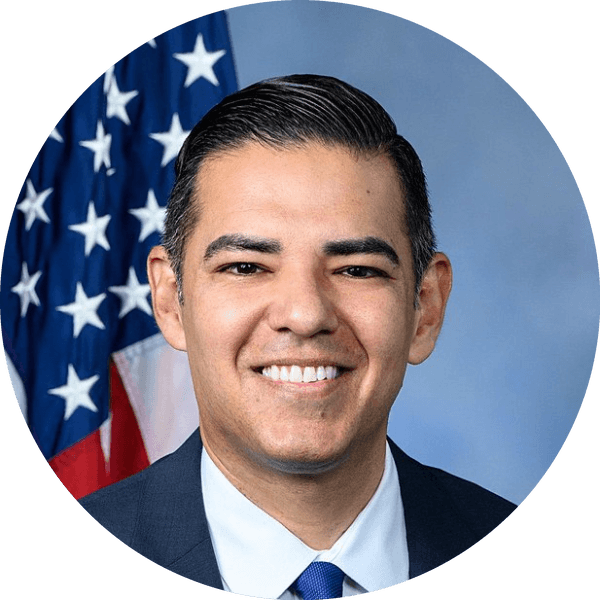
Robert Garcia
Democrat · CA
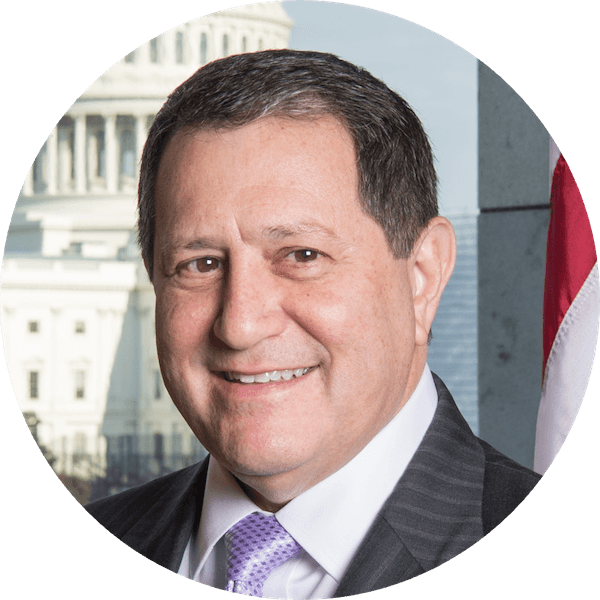
Joseph Morelle
Democrat · NY

Gabe Amo
Democrat · RI

Yassamin Ansari
Democrat · AZ

Becca Balint
Democrat · VT

Nanette Barragán
Democrat · CA

Joyce Beatty
Democrat · OH

Wesley Bell
Democrat · MO
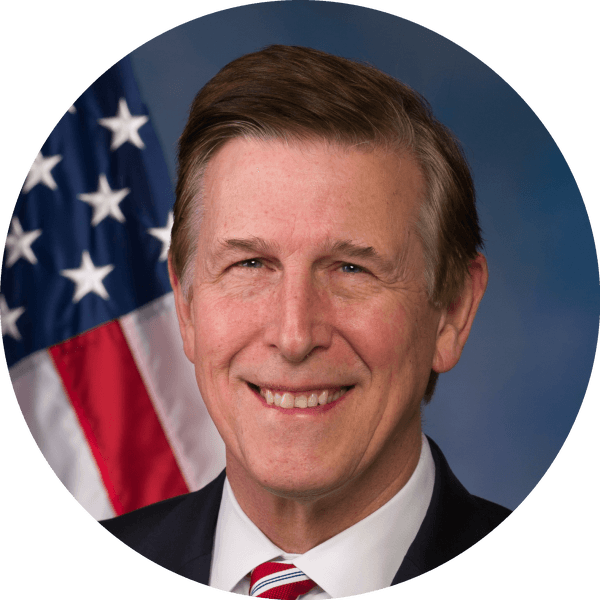
Donald Beyer
Democrat · VA

Brendan Boyle
Democrat · PA

Julia Brownley
Democrat · CA

Salud Carbajal
Democrat · CA
Cosponsor Coverage Map
Committee Sponsors
Intelligence (Permanent Select) Committee
6 of 27 committee members cosponsored


Ways and Means Committee
10 of 45 committee members cosponsored


Foreign Affairs Committee
14 of 53 committee members cosponsored


Rules Committee
2 of 13 committee members cosponsored


Transportation and Infrastructure Committee
19 of 67 committee members cosponsored


Budget Committee
8 of 37 committee members cosponsored


Committee on House Administration
3 of 12 committee members cosponsored


Judiciary Committee
11 of 44 committee members cosponsored


Oversight and Government Reform Committee
17 of 47 committee members cosponsored


50 Democrats across these committees haven't cosponsored yet. Mobilize their constituents
What laws does H.R. 8831 change?
16 changes
Sections Amended
Section 304 of Federal Election Campaign Act of 1971 (52 U.S.C. 30104) is amended-- (A) by striking subsection (h); and (B) by redesignating subsection (i) as subsection (h). (2) Section 309(a)(4)(C)(iv)(I)
striking ``or (i)'' and inserting ``or (h)''
Section 1365a of title 28 and section 105 of the Revised Statutes shall apply to such a request in the same manner as such sections 1365a and 105 apply to a subpoena.''. TITLE XXII--REASSERTING CONGRESSIONAL POWER OF THE PURSE SEC. 2201. SHORT TITLE. This title may be cited as the ``Congressional Power of the Purse Act''. Subtitle A--Strengthening Congressional Control and Review To Prevent Impoundment SEC. 2221. STRENGTHENING CONGRESSIONAL CONTROL. (a) In General.--Part B of the Impoundment Control Act of 1974 (2 U.S.C. 682 et seq.)
adding at the end the following: ``prudent obligation of budget authority and specific requirements for expiring budget authority ``Sec
Section 1(b) of such Act
inserting after the item relating to section 1017 the following: ``Sec
Section 1016 of Impoundment Control Act of 1974 (2 U.S.C. 687)
read as follows: ``suits by comptroller general ``Sec
Section 401 of National Emergencies Act (50 U.S.C. 1641)
adding at the end the following: ``(d) Report on Emergencies
Section 3 of such Act (50 U.S.C. 3003)
adding at the end the following new paragraphs: ``(8) The term `covered Inspector General' means each of the following: ``(A) The Inspector General of the Intelligence Community
Sections Repealed
203 of International Emergency Economic Powers Act (50 U.S.C. 1702) is amended-- (1) by redesignating subsection (c) as subsection (d); and (2) by inserting after subsection (b) the following: ``(c)(1) The authority granted to the President by this section does not include the authority to impose duties or tariff-rate quotas or (subject to paragraph (2)) other quotas on articles entering the United States. ``(2) The limitation under paragraph (1) does not prohibit the President from excluding all articles imported from a country from entering the United States.''. (d) Conforming Amendment.--Title III of the National Emergencies Act (50 U.S.C. 1631)
110 of Whistleblower Protection Enhancement Act of 2012 (5 U.S.C. 2302 note)
H.R. 8831 Quick Facts
- Committee
- Intelligence (Permanent Select)
- Chamber
- House
- Policy
- Government Operations and Politics
- Introduced
- May 14, 2026
Referred to Oversight and Government Reform, and in addition to the Committees on the Judiciary, House Administration, the Budget, Transportation and Infrastructure, Rules, Foreign Affairs, Ways and Means, and Intelligence (Permanent Select), for a period to be subsequently determined by the Speaker, in each case for consideration of such provisions as fall within the jurisdiction of the committee concerned. for review
May 14, 2026
Official Sources
Official bill text, cosponsors, committee referrals, and legislative history for the Protecting Our Democracy Act.
The Library of Congress analysis of whether a president can pardon themselves, the open question the bill answers by voiding self-pardons.
The Justice Department office that handles clemency petitions, whose files on politically connected pardons would go to the Judiciary Committees.
Background on the constitutional ban on foreign payments to federal officials, which the bill backs with criminal and civil penalties.
Current FEC guidance barring foreign money in elections and inaugural committees, which the bill extends with FBI reporting of foreign contacts.
The Office of Special Counsel enforces the Hatch Act, which the bill strengthens with new penalties and extends to the president and vice president.
The current law on declaring national emergencies, which the bill amends so emergencies lapse after 20 days without congressional approval.
H.R. 8831 Common Questions
Can a president pardon themselves under H.R. 8831?
No. H.R. 8831 declares a self-pardon void and says it gives no immunity from investigation or prosecution. Congress has never passed this rule before, so courts would likely decide whether it can limit the pardon power this way.
Which pardons would have to be disclosed to Congress?
Pardons and commutations for the president's relatives, political appointees, campaign staff, or anyone in an investigation targeting the president. Within 30 days, the Attorney General would send the prosecution and investigative files to the Judiciary Committees.
Could a president be charged after leaving office for crimes committed while in office?
The bill makes that more likely. Time spent as president or vice president would not count toward the statute of limitations, so a term in office would not run out the clock on a federal charge.
How much can one person give to an inaugural committee?
Under H.R. 8831, no more than $50,000. Corporations and foreign nationals could not give at all, and any donation of $1,000 or more would have to be disclosed within 24 hours.
What is the penalty for accepting illegal foreign payments?
A senior official who knowingly accepts one could get up to 1 year in prison and a fine of $50,000 or the total amount taken, whichever is greater. The Attorney General could also sue for up to $5,000 more than the payment's value.
Would campaigns have to report foreign contacts to the FBI?
Yes, within 1 week for certain contacts from foreign governments and their agents. Knowingly failing to report could mean fines up to $500,000 and 5 years in prison. Hiding or destroying related records raises the fine cap to $1,000,000.
Would presidents have to release their tax returns?
Yes. Major-party nominees for president and vice president would file their last 10 years of returns with the Federal Election Commission within 15 days of becoming candidates, and sitting presidents and vice presidents would file each year.
What changes for Hatch Act violations?
Knowing violations could bring a $50,000 fine and up to 1 year in prison, with the fine doubling for repeat violations. The Hatch Act's political activity limits would also apply to the president and vice president on federal property.
Based on H.R. 8831 bill text
H.R. 8831 Bill Text
“To protect our democracy by preventing abuses of Presidential power, restoring checks and balances and accountability and transparency in government, and defending elections against foreign interference, and for other purposes.”
Source: U.S. Government Publishing Office
Get notified when H.R. 8831 moves
Committee votes, floor action, cosponsor changes — straight to your inbox.
Bill alerts + Legisletter's monthly briefing. Unsubscribe anytime.
Government Operations and Politics Bills
9 related bills we're tracking
Protect Our Letter Carriers Act of 2025



Referred to the Committee on the Judiciary, and in addition to the Committee on Oversight and Government Reform, for a period to be subsequently determined by the Speaker, in each case for consideration of such provisions as fall within the jurisdiction of the committee concerned.
Feb 6, 2025
John R. Lewis Voting Rights Advancement Act of 2025


Referred to the House Committee on the Judiciary.
Mar 5, 2025
Washington, D.C. Admission Act


Referred to the Committee on Oversight and Government Reform, and in addition to the Committees on Rules, Armed Services, the Judiciary, and Energy and Commerce, for a period to be subsequently determined by the Speaker, in each case for consideration of such provisions as fall within the jurisdiction of the committee concerned.
Jan 3, 2025
Rights for the TSA Workforce Act




Referred to the Subcommittee on Transportation and Maritime Security.
Mar 11, 2025
DISCLOSE Act of 2026

Referred to the Committee on House Administration, and in addition to the Committees on Ways and Means, and the Judiciary, for a period to be subsequently determined by the Speaker, in each case for consideration of such provisions as fall within the jurisdiction of the committee concerned.
Mar 4, 2026
Federal Retirement Fairness Act



ASSUMING FIRST SPONSORSHIP - Ms. Randall asked unanimous consent that she may hereafter be considered as the first sponsor of H.R. 1522, a bill originally introduced by Representative Connolly, for the purpose of adding cosponsors and requesting reprintings pursuant to clause 7 of rule XII. Agreed to without objection.
Jul 22, 2025
FIND Act





Referred to the House Committee on Oversight and Government Reform.
Jan 3, 2025
Fair Pay for Federal Contractors Act of 2025

Referred to the Committee on Appropriations, and in addition to the Committee on Oversight and Government Reform, for a period to be subsequently determined by the Speaker, in each case for consideration of such provisions as fall within the jurisdiction of the committee concerned.
Sep 30, 2025
Saving the Civil Service Act
ASSUMING FIRST SPONSORSHIP - Mr. Walkinshaw asked unanimous consent that he may hereafter be considered as the first sponsor of H.R. 492, a bill originally introduced by Representative Connolly, for the purpose of adding cosponsors and requesting reprintings pursuant to clause 7 of rule XII. Agreed to without objection.
Sep 16, 2025
Trending Right Now
Bills gaining momentum across Congress
ASAP Act



Ordered to be Reported in the Nature of a Substitute by the Yeas and Nays: 40 - 0.
Sep 16, 2026
Fit to Serve Act




Referred to the House Committee on Armed Services.
May 21, 2025
America’s Olympic and Paralympic Games Commemorative Coins Act




Referred to the House Committee on Financial Services.
Jul 14, 2025
Tracking Government Operations and Politics in Congress? Monitor bills, track cosponsor momentum, and launch advocacy campaigns — all from one advocacy platform.