H.R. 492: Saving the Civil Service Act
Sponsor
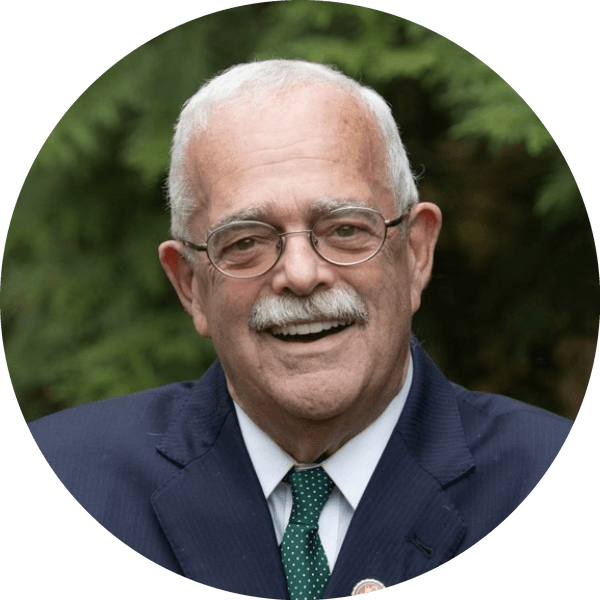
Gerald Connolly
Democrat · VA-11
Block any future president from reviving Schedule F
Why it matters
Schedule F would have let a president reclassify policy-related civil servants into jobs they could be fired from at will. H.R. 492 caps any such reclassification at 1% of an agency's workforce per presidential term and freezes the rulebook to where it stood on September 30, 2020 — turning a guardrail that any executive order could erase into one written in statute.
The Saving the Civil Service Act locks the federal job-classification system to where it stood on September 30, 2020 — before Schedule F existed. Agencies could only move competitive-service jobs into the older excepted-service categories, A through E, using the rules in effect on that date. A new catch-all category like Schedule F could not be created or used.
Schedule F was a 2020 executive order that, supporters said, gave a president faster control over policy-related roles and, critics said, let an administration purge career experts. It was revoked before it took full effect. This bill aims to keep it from coming back through statute rather than an executive order, which any future president can rewrite on their own.
The bill also throttles how fast any reclassification can happen. Over a four-year presidential term, an agency could move no more than 1% of its workforce — or five employees, whichever is larger — from the competitive service into the excepted service. Moving an occupied job into Schedule C, the category for confidential or policy roles, would need sign-off from the Office of Personnel Management first.
Individual workers get a veto too. Before your job is shifted out of the competitive service, or from one excepted-service schedule to another, you would have to agree in writing. The same protections extend to many Veterans Affairs doctors and nurses, who are normally governed by separate personnel law.
There is no new spending here and no new program. The bill rewrites the guardrails around who can be reclassified, how many, and how fast — which makes its real stakes about presidential personnel power and the staying power of the career workforce.
Bill Progress
Latest Action · Sep 16, 2025
ASSUMING FIRST SPONSORSHIP - Mr. Walkinshaw asked unanimous consent that he may hereafter be considered as the first sponsor of H.R. 492, a bill originally introduced by Representative Connolly, for the purpose of adding cosponsors and requesting reprintings pursuant to clause 7 of rule XII. Agreed to without objection.
H.R. 492 Bill Summary
What H.R. 492 actually does.
Schedule F can't be rebuilt
Competitive-service jobs can only be moved into the excepted-service categories A through E that existed on September 30, 2020, shutting the door on creating a new category like Schedule F.
Excepted-service jobs stay in their lane
A job already in the excepted service can't be shifted into any new schedule outside the pre-2020 A-through-E framework.
OPM signs off before Schedule C moves
An agency would need prior approval from the Office of Personnel Management before moving any occupied job into Schedule C, the category tied to confidential or policy roles.
A 1% ceiling per presidential term
Over a four-year term, an agency can move no more than 1% of its workforce — or five employees, whichever is greater — from the competitive service into the excepted service.
Workers must consent in writing
An employee has to agree in writing before their job is moved out of the competitive service, or from one excepted-service schedule to another.
VA medical staff are covered too
The same limits reach many Veterans Affairs doctors and nurses, who are normally governed by separate personnel law.
Who benefits from H.R. 492?
Career civil servants
Roughly two million federal workers hired through competitive examination would keep the protections that shield them from being fired over politics.
Federal employee unions and retiree groups
Organizations like NARFE that have campaigned to preserve a nonpartisan civil service get their core ask written into law.
VA doctors, nurses, and health staff
Veterans Affairs clinicians normally outside standard civil service rules would gain the same anti-reclassification protections as the rest of the workforce.
Anyone who relies on nonpartisan government
Food safety inspectors, air traffic controllers, benefits processors, and disaster responders stay insulated from political turnover, which keeps services running across administrations.
Who is affected by H.R. 492?
The White House and future presidents
A president's ability to quickly reclassify policy-related federal workers into less-protected jobs would be sharply narrowed.
Agency and department leadership
Leaders face caps, approval steps, and consent requirements when moving positions between civil service categories.
Office of Personnel Management
OPM takes on a gatekeeping role, since agencies need its consent before certain Schedule C transfers and it must write the rules to implement the limits.
Political appointees overseeing staffing
They lose most of the latitude to reshape the career workforce through reclassification and need employee consent in many cases.
What Congress Is Saying
H.R. 492 has come up 23 times in the Congressional Record so far.
H.R. 492 also appeared in 1 more House floor reference and 21 routine cosponsor filings.
HR492 Legislative Journey
House: Introduced
Sep 16, 2025
ASSUMING FIRST SPONSORSHIP - Mr. Walkinshaw asked unanimous consent that he may hereafter be considered as the first sponsor of H.R. 492, a bill originally introduced by Representative Connolly, for the purpose of adding cosponsors and requesting reprintings pursuant to clause 7 of rule XII. Agreed to without objection.
House: Committee Action
Jan 16, 2025
Referred to the House Committee on Oversight and Government Reform.
About the Sponsor
Gerald Connolly
Democrat, Virginia's 11th congressional district · 16 years in Congress
Committees: Foreign Affairs, Oversight and Government Reform
View full profile →
Cosponsors (112)
This bill has 112 cosponsors: 108 Democrats, 4 Republicans. Cosponsors represent 34 states: Alabama, Arizona, California, and 31 more.
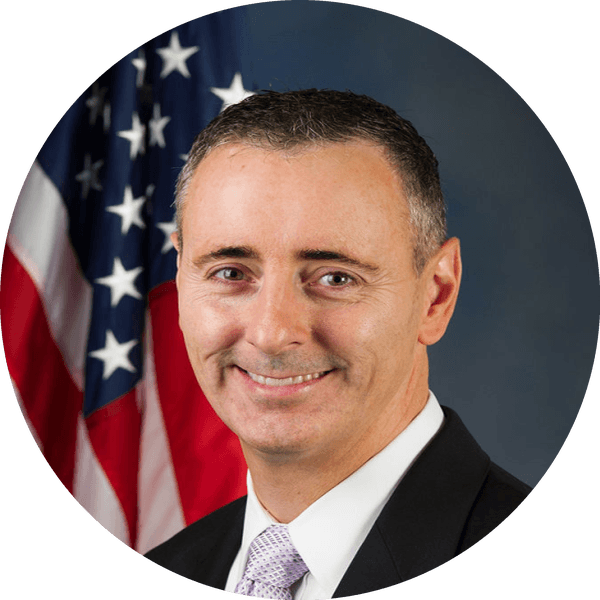
Brian Fitzpatrick
Republican · PA
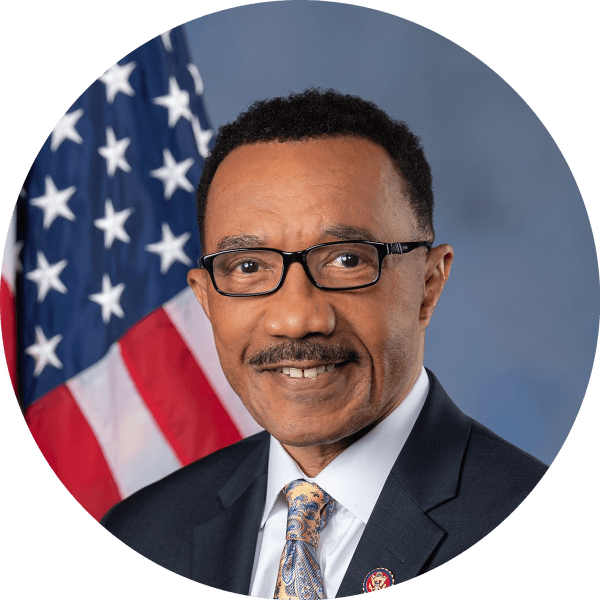
Kweisi Mfume
Democrat · MD

Don Bacon
Republican · NE
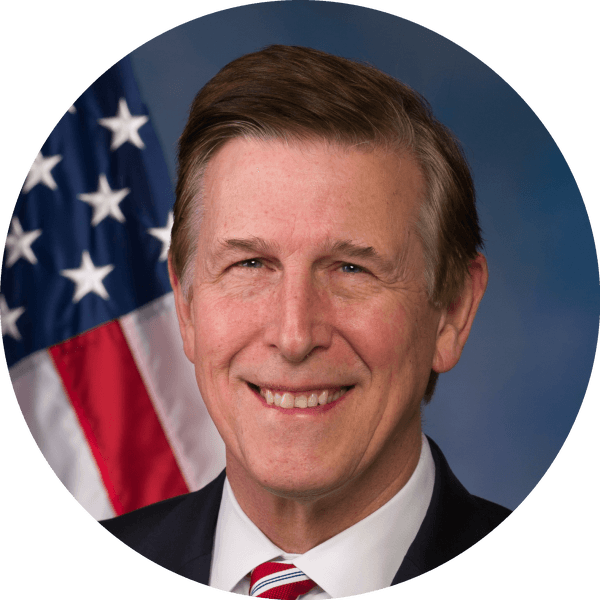
Donald Beyer
Democrat · VA

Eugene Vindman
Democrat · VA

Eleanor Norton
Democrat · DC

Eric Sorensen
Democrat · IL

Sarah Elfreth
Democrat · MD

Julia Brownley
Democrat · CA
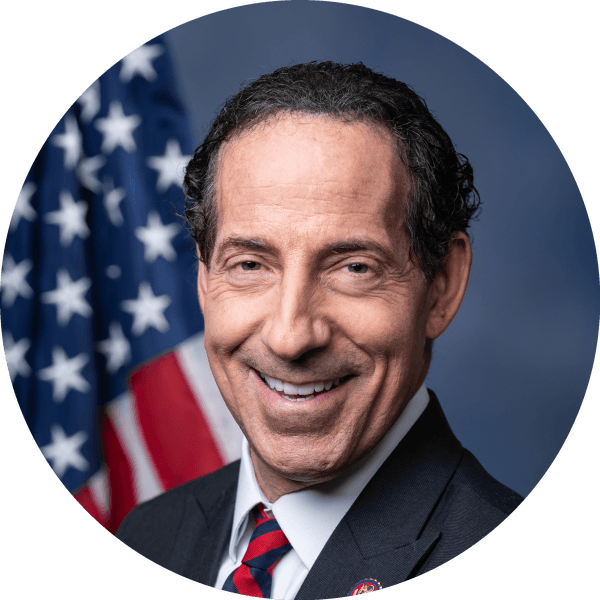
Jamie Raskin
Democrat · MD

Diana DeGette
Democrat · CO
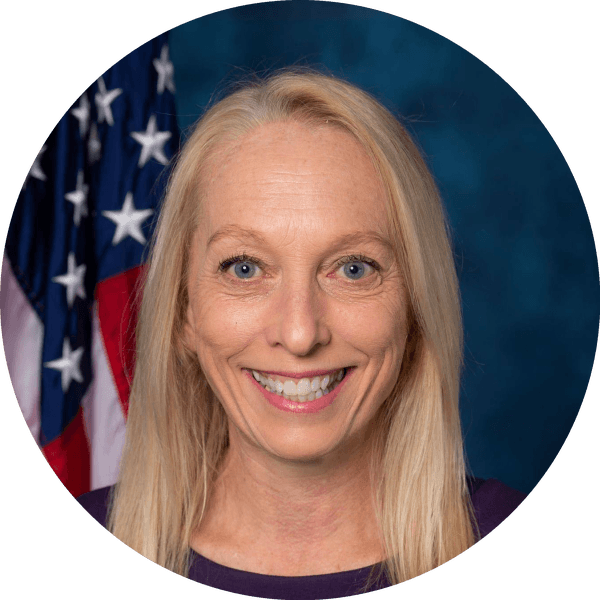
Mary Scanlon
Democrat · PA
Cosponsor Coverage Map
Committee Sponsors
Oversight and Government Reform Committee
13 of 47 committee members cosponsored


8 Democrats across this committee haven't cosponsored yet. Mobilize their constituents
H.R. 492 Quick Facts
- Committee
- Oversight and Government Reform
- Chamber
- House
- Policy
- Government Operations and Politics
- Introduced
- Jan 16, 2025
ASSUMING FIRST SPONSORSHIP - Mr. Walkinshaw asked unanimous consent that he may hereafter be considered as the first sponsor of H.R. 492, a bill originally introduced by Representative Connolly, for the purpose of adding cosponsors and requesting reprintings pursuant to clause 7 of rule XII. Agreed to without objection.
Sep 16, 2025
Official Sources
Official congressional page for the Saving the Civil Service Act, including full bill text, the 98 cosponsors, and legislative status.
The statutory definition of the competitive service the bill protects, hired through competitive examination with appeal rights.
The statutory definition of the excepted service, the category Schedule F would have used to strip removal protections.
The provision the bill overrides so that its limits reach Veterans Affairs doctors and nurses normally governed by separate personnel law.
The October 21, 2020 executive order that created Schedule F — the action this bill is written to block by statute.
The January 2021 executive order that revoked Schedule F; H.R. 492 would lock that reversal into law so it cannot be undone by another order.
Who is lobbying on H.R. 492?
4 organizations lobbying on this bill
NATIONAL ASSOCIATION OF ASSISTANT UNITED STATES ATTORNEYS | 3 |
SENIOR EXECUTIVES ASSOCIATION | 3 |
PROFESSIONAL MANAGERS ASSOCIATION | 3 |
NATIONAL ACTIVE AND RETIRED FEDERAL EMPLOYEES ASSOCIATION | 2 |
Showing 1-4 of 4 organizations
H.R. 492 Common Questions
Can a future president just bring back Schedule F?
Not without Congress. H.R. 492 would only let agencies use the excepted-service categories (A through E) that existed on September 30, 2020, so a new catch-all category like Schedule F couldn't be created by executive order.
What is Schedule F, in plain English?
Schedule F was a 2020 executive order that moved policy-related federal jobs into a category with far fewer protections, making those workers easier to remove. It was revoked before taking full effect. H.R. 492 would block any revival.
How many federal workers could be reclassified under H.R. 492?
Very few. Over a four-year presidential term, an agency could move no more than 1% of its workforce — or five employees, whichever is greater — from the competitive service into the excepted service.
Would federal employees have to agree before their job is reclassified?
Yes. Under H.R. 492, an employee must give prior written consent before their job is moved out of the competitive service, or from one excepted-service schedule to another.
Does moving a job into Schedule C need OPM approval?
Yes. An agency would need prior consent from the Director of the Office of Personnel Management before transferring any occupied position into Schedule C, the category used for confidential or policy roles.
Does H.R. 492 protect VA doctors and nurses?
Yes. The bill extends the same anti-reclassification limits to many Veterans Affairs health care workers, who are normally governed by separate personnel law.
Why does H.R. 492 use the date September 30, 2020?
That's the last day before Schedule F existed. By freezing the rules to that date, the bill locks the federal job-classification system to how it worked before the 2020 executive order.
Has H.R. 492 passed?
No. As of 2026 it remains in the House Committee on Oversight and Government Reform with 98 cosponsors, including a few Republicans. No committee or floor vote has been scheduled.
Based on H.R. 492 bill text
H.R. 492 Bill Text
“To prohibit the establishment of schedule F of the excepted service, and for other purposes.”
Source: U.S. Government Publishing Office
Get notified when H.R. 492 moves
Committee votes, floor action, cosponsor changes — straight to your inbox.
Bill alerts + Legisletter's monthly briefing. Unsubscribe anytime.
Government Operations and Politics Bills
9 related bills we're tracking
Protect Our Letter Carriers Act of 2025
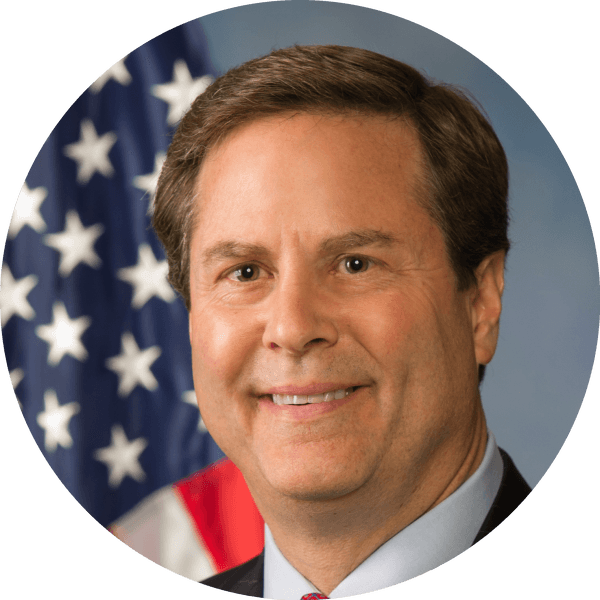

Referred to the Committee on the Judiciary, and in addition to the Committee on Oversight and Government Reform, for a period to be subsequently determined by the Speaker, in each case for consideration of such provisions as fall within the jurisdiction of the committee concerned.
Feb 6, 2025
John R. Lewis Voting Rights Advancement Act of 2025

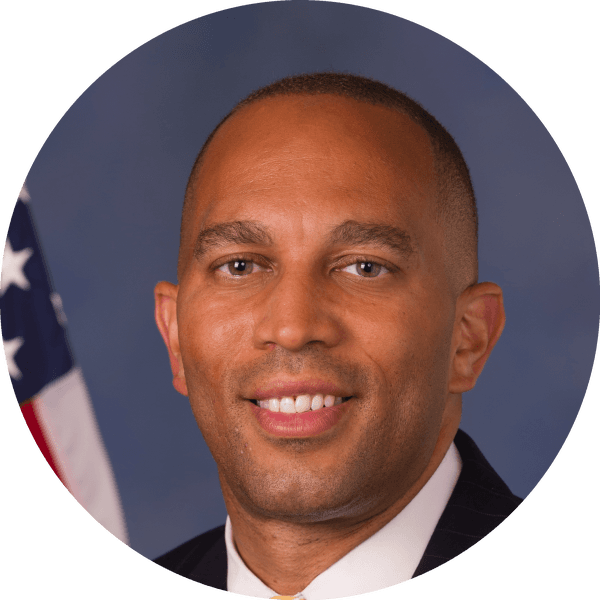

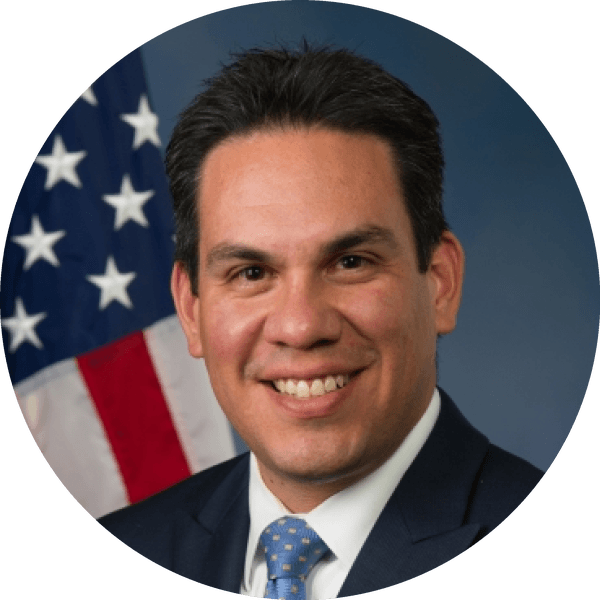

Referred to the House Committee on the Judiciary.
Mar 5, 2025
Washington, D.C. Admission Act

Referred to the Committee on Oversight and Government Reform, and in addition to the Committees on Rules, Armed Services, the Judiciary, and Energy and Commerce, for a period to be subsequently determined by the Speaker, in each case for consideration of such provisions as fall within the jurisdiction of the committee concerned.
Jan 3, 2025
Rights for the TSA Workforce Act




Referred to the Subcommittee on Transportation and Maritime Security.
Mar 11, 2025
DISCLOSE Act of 2026

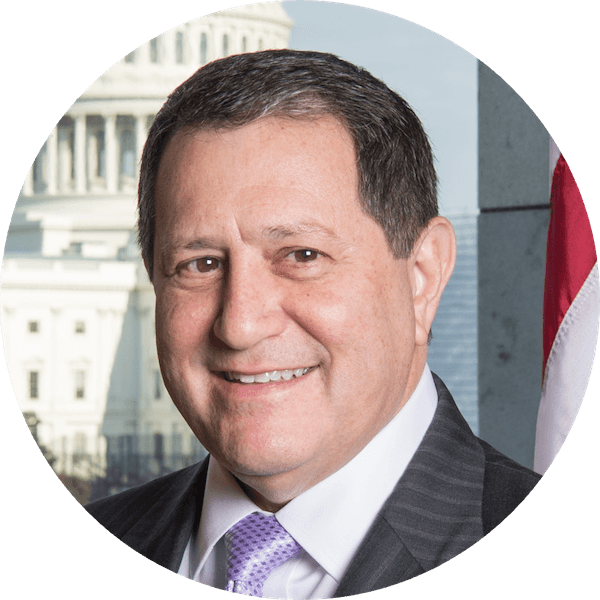


Referred to the Committee on House Administration, and in addition to the Committees on Ways and Means, and the Judiciary, for a period to be subsequently determined by the Speaker, in each case for consideration of such provisions as fall within the jurisdiction of the committee concerned.
Mar 4, 2026
Federal Retirement Fairness Act



ASSUMING FIRST SPONSORSHIP - Ms. Randall asked unanimous consent that she may hereafter be considered as the first sponsor of H.R. 1522, a bill originally introduced by Representative Connolly, for the purpose of adding cosponsors and requesting reprintings pursuant to clause 7 of rule XII. Agreed to without objection.
Jul 22, 2025
FIND Act





Referred to the House Committee on Oversight and Government Reform.
Jan 3, 2025
Fair Pay for Federal Contractors Act of 2025

Referred to the Committee on Appropriations, and in addition to the Committee on Oversight and Government Reform, for a period to be subsequently determined by the Speaker, in each case for consideration of such provisions as fall within the jurisdiction of the committee concerned.
Sep 30, 2025
SAVE America Act




Referred to the House Committee on House Administration.
Jan 30, 2026
Trending Right Now
Bills gaining momentum across Congress
North Platte Canteen Congressional Gold Medal Act


Referred to the House Committee on Financial Services.
Feb 21, 2025
Fit to Serve Act




Referred to the House Committee on Armed Services.
May 21, 2025
ASAP Act





Ordered to be Reported in the Nature of a Substitute by the Yeas and Nays: 40 - 0.
Sep 16, 2026
Tracking Government Operations and Politics in Congress? Monitor bills, track cosponsor momentum, and launch advocacy campaigns — all from one advocacy platform.