H.R. 4894: Deceptive Practices and Voter Intimidation Prevention Act of 2025
Sponsor
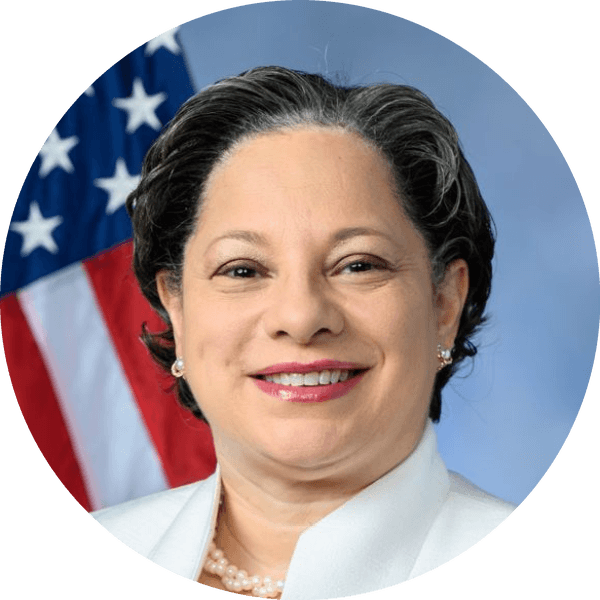
Jennifer McClellan
Democrat · VA-4
Lying About How to Vote Would Be a Federal Crime
Why it matters
In 2020 alone, roughly 3 million robocalls told voters of color to stay home on Election Day, according to the bill's findings. Federal law currently has no specific crime for this kind of lie — prosecutors have to retrofit older statutes, and in 2025 a federal appeals court overturned a vote-suppression conviction because the law they used required proof of a conspiracy. H.R. 4894 would create one direct federal crime: up to 1 year in prison for knowingly spreading false information about when, where, or how to vote during the 60 days before a federal election.
The bill's findings read like a timeline of voter deception in America. In 1990, thousands of voters — mostly African American — received postcards with fake warnings about criminal penalties for voter fraud. In 2006, Latino voters got Spanish-language mailers falsely warning that immigrant voters could be jailed, despite the fact that naturalized citizens have the same right to vote as anyone else. In 2008, fliers in Black neighborhoods claimed that anyone with an unpaid parking ticket or outstanding warrant could be arrested at the polls. In 2012, voters got calls saying they could 'vote by telephone.' Same playbook, different decade.
The bill's findings document an escalation in 2020: roughly 3 million robocalls telling people to stay home on Election Day, nearly 32,000 calls to the Election Protection hotline that same day, and armed civilians at polling sites in Florida, North Carolina, and Louisiana.
In 2025, the U.S. Court of Appeals for the Second Circuit reversed the conviction of a man who'd used social media in 2016 to tell Hillary Clinton supporters they could 'vote by text.' The court said prosecutors hadn't proven a conspiracy. The bill identifies that reversal as the reason for a new law: there is no current federal statute that directly criminalizes knowingly lying to voters, so prosecutors have to retrofit conspiracy or civil-rights statutes that weren't built for it.
H.R. 4894 would do four things. It makes it a federal crime, punishable by up to 1 year in prison, to knowingly spread materially false information about when, where, or how to vote within 60 days of a federal election. The prohibition explicitly covers content generated by AI. It requires the Attorney General to publish corrective public information when state and local officials don't move fast enough, under written procedures the Justice Department has to release within 180 days of enactment. It lets election officials sue people who intimidate them at polling places, and creates a separate federal crime for intimidating workers who count or certify ballots. It also closes a Voting Rights Act loophole by banning payments not just for voting, but for refraining from voting.
The bill has 34 cosponsors, all Democrats, and was referred to the House Judiciary Committee in August 2025. A companion bill, S. 2912, is sitting in the Senate Judiciary Committee.
Bill Progress
Latest Action · Aug 5, 2025
Referred to the House Committee on the Judiciary.
H.R. 4894 Bill Summary
What H.R. 4894 actually does.
Lying About How to Vote Becomes a Federal Crime
Knowingly spreading materially false information about when, where, or how to vote within 60 days of a federal election would be punishable by up to 1 year in prison plus a fine. AI-generated content is explicitly covered.
Attorney General Must Publicly Correct False Information
If state and local officials don't act fast enough to correct false voting information, the Justice Department would have to publish accurate corrective information through written procedures it must release within 180 days of enactment.
Election Officials Can Sue People Who Intimidate Them
Workers responsible for maintaining order at polling places gain explicit standing to sue under federal voter intimidation laws, including for temporary or permanent injunctions in federal district court.
Vote-Counting Intimidation Becomes a Standalone Crime
Intimidating, threatening, or interfering with workers who process, scan, tabulate, canvass, or certify ballots would become a separate federal offense under the National Voter Registration Act.
Paying People Not to Vote Becomes Illegal
The Voting Rights Act already bans paying someone to vote or register. The bill extends that prohibition to payments offered for refraining from voting.
Who benefits from H.R. 4894?
Voters in historically targeted communities
The bill's findings catalog targeted deception against African American voters in 1990 and 2008, Latino voters in 2006, Native voters in 2004, and Black voters again through Russian disinformation in 2016 and 2020. A direct federal crime would give prosecutors something to charge without having to prove conspiracy.
Federal prosecutors
Right now, going after voter deception means stretching old laws to fit. The 2025 Second Circuit reversal of the Mackey conviction showed how fragile that approach is. A purpose-built statute would give prosecutors a tool designed for the conduct.
Poll workers and election officials
The bill gives election workers explicit standing to sue people who try to intimidate them and creates a separate federal crime for intimidating workers who count or certify ballots.
Smaller state and local election offices
If a viral deceptive campaign moves faster than local officials can respond, the Attorney General would be required to step in with corrective public communications under published written procedures.
Who is affected by H.R. 4894?
Anyone running an election misinformation operation
Includes producers of AI deepfakes, robocall vendors, and social media operators who knowingly spread false information about voting. Penalty would be up to 1 year in federal prison plus a fine, applicable even to a single actor with no co-conspirators.
The Department of Justice
The bill would expand DOJ workload. The Attorney General would have 180 days to publish corrective-action procedures, would be required to issue corrections during election cycles, and would have to submit a public report to Congress 180 days after each general election cataloging every allegation, investigation, and prosecution.
Federal district courts
The bill creates both a new federal crime and a private civil right of action, with possible attorney's fees for prevailing parties. Courts would also be the venue for injunctions sought by the Attorney General or by aggrieved voters during election cycles.
Online platforms
The bill does not impose new direct liability on platforms. But broader federal investigations during the 60-day pre-election window would likely mean more subpoenas, more requests for content removal, and more pressure on moderation around voting-related content.
HR4894 Legislative Journey
House: Committee Action
Aug 5, 2025
Referred to the House Committee on the Judiciary.
About the Sponsor
Jennifer McClellan
Democrat, Virginia's 4th congressional district · 3 years in Congress
Committees: Energy and Commerce
View full profile →
Cosponsors (34)
All 34 cosponsors are Democrats. Cosponsors represent 20 states: Alabama, California, Colorado, and 17 more.
Terri Sewell
Democrat · AL
Gabe Amo
Democrat · RI
Shontel Brown
Democrat · OH
Troy Carter
Democrat · LA
Valerie Foushee
Democrat · NC
Yvette Clarke
Democrat · NY
Cleo Fields
Democrat · LA
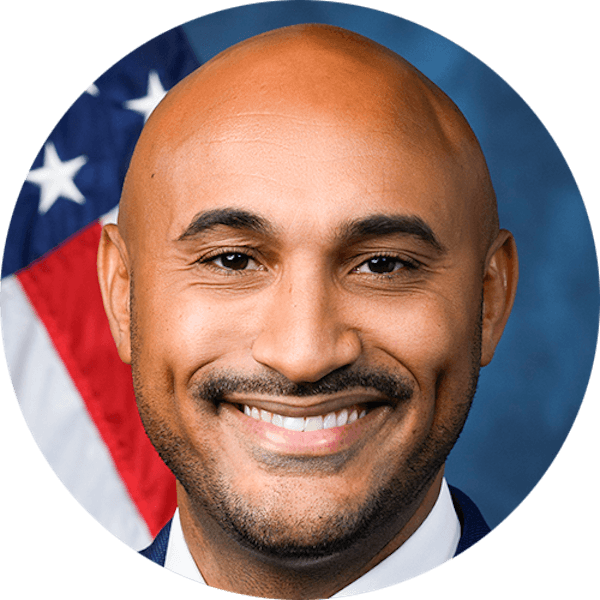
Shomari Figures
Democrat · AL

Steven Horsford
Democrat · NV
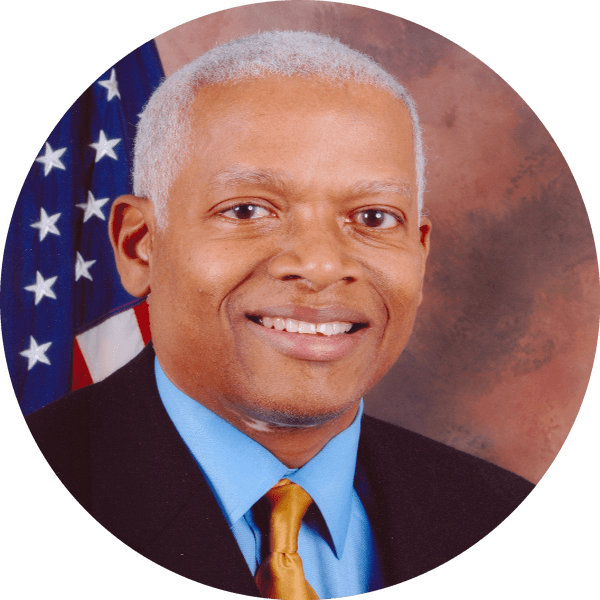
Henry Johnson
Democrat · GA

Sydney Kamlager-Dove
Democrat · CA
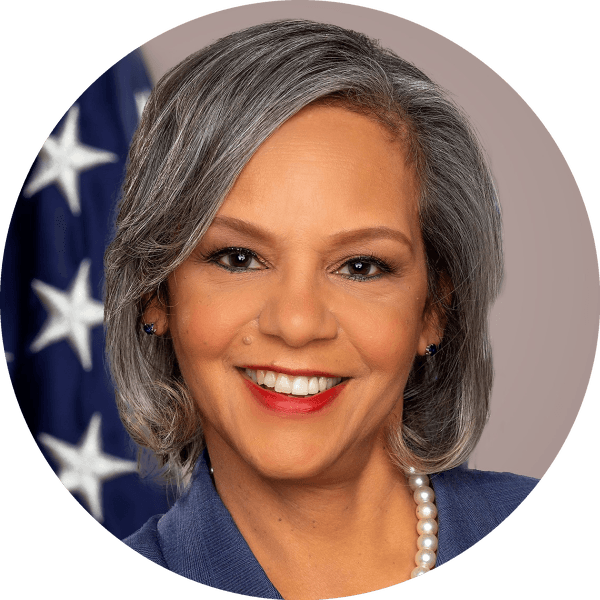
Robin Kelly
Democrat · IL
Committee Sponsors
Judiciary Committee
4 of 44 committee members cosponsored


15 Democrats across this committee haven't cosponsored yet. Mobilize their constituents
What laws does H.R. 4894 change?
1 changes
Sections Amended
Section 21(a) of Sentencing Act of 1987 (28 U.S.C. 994 note) as though the authority under that section had not expired. (3) Payments for refraining from voting.--Subsection (c) of section 11 of the Voting Rights Act of 1965 (52 U.S.C. 10307)
striking ``either for registration to vote or for voting'' and inserting ``for registration to vote, for voting, or for not voting''
H.R. 4894 Quick Facts
- Committee
- Judiciary
- Chamber
- House
- Policy
- Government Operations and Politics
- Introduced
- Aug 5, 2025
Referred to the House Committee on the Judiciary.
Aug 5, 2025
Official Sources
Official bill text, cosponsors, committee referrals, and legislative history
The Justice Department office that would enforce the bill's civil voting-rights provisions and issue corrective public information
The DOJ unit that would prosecute the new federal crime of knowingly spreading false voting information
The federal voter-intimidation statute the bill amends in Section 3 to add the new deceptive-acts crime
The Revised Statutes voting-rights provision the bill amends to ban deceptive communications and create a private right of action
The NVRA penalty section the bill expands in Section 7 to criminalize intimidating ballot counters and certifiers
The Voting Rights Act provision the bill amends to also ban payments offered for refraining from voting
The federal commission the Attorney General must consult when writing the bill's corrective-action procedures
H.R. 4894 Common Questions
How much jail time could someone get for spreading false voting information under H.R. 4894?
Up to 1 year in federal prison, plus a fine. The penalty would apply when someone knowingly communicates materially false information about when, where, or how to vote within 60 days of a federal election, with the intent to keep someone from voting.
Does H.R. 4894 ban AI deepfakes that lie about how to vote?
Yes. The bill explicitly covers the use of generative AI to produce materially false election information within 60 days of a federal election, when the person intends to impede or prevent someone from voting.
Does H.R. 4894 violate the First Amendment?
Sponsors argue it does not. The bill targets only knowingly false statements made with intent to suppress voting, and cites Garrison v. Louisiana, a 1964 Supreme Court ruling that knowingly false statements do not get full constitutional protection. Critics will likely challenge how 'materially false' is interpreted in practice.
Does H.R. 4894 apply year-round or only before an election?
Only within the 60 days before a federal election. The bill defines federal elections to include general, primary, runoff, and special elections for President, Vice President, Senate, House, and territorial delegates.
Can the Attorney General correct false election information if local officials don't act?
Yes. If the Attorney General gets a credible report of materially false voting information and finds that state or local officials have not moved fast enough, the Attorney General must publish accurate corrective information. The Justice Department would have 180 days after enactment to publish the written procedures for how that works.
Can someone sue to stop fake polling places or fake ballot boxes under H.R. 4894?
Yes. The bill creates a private right of action — anyone aggrieved by a violation can seek a temporary or permanent injunction in federal district court, including against polling places or ballot boxes set up to look official but operated outside government authority. Prevailing parties may be awarded attorney's fees.
Does H.R. 4894 make intimidating ballot counters a crime?
Yes. The bill expands the National Voter Registration Act to criminalize intimidating, threatening, or coercing anyone who processes, scans, tabulates, canvasses, or certifies voting results.
Can someone be paid not to vote under H.R. 4894?
No. The bill expands the Voting Rights Act, which already bans paying people to vote or register, to also ban payments for refraining from voting.
Based on H.R. 4894 bill text
H.R. 4894 Bill Text
“To prohibit deceptive practices in Federal elections.”
Source: U.S. Government Publishing Office
Get notified when H.R. 4894 moves
Committee votes, floor action, cosponsor changes — straight to your inbox.
Bill alerts + Legisletter's monthly briefing. Unsubscribe anytime.
Government Operations and Politics Bills
9 related bills we're tracking
Protect Our Letter Carriers Act of 2025
Referred to the Committee on the Judiciary, and in addition to the Committee on Oversight and Government Reform, for a period to be subsequently determined by the Speaker, in each case for consideration of such provisions as fall within the jurisdiction of the committee concerned.
Feb 6, 2025
John R. Lewis Voting Rights Advancement Act of 2025

Referred to the House Committee on the Judiciary.
Mar 5, 2025
Washington, D.C. Admission Act

Referred to the Committee on Oversight and Government Reform, and in addition to the Committees on Rules, Armed Services, the Judiciary, and Energy and Commerce, for a period to be subsequently determined by the Speaker, in each case for consideration of such provisions as fall within the jurisdiction of the committee concerned.
Jan 3, 2025
Rights for the TSA Workforce Act
Referred to the Subcommittee on Transportation and Maritime Security.
Mar 11, 2025
DISCLOSE Act of 2026
Referred to the Committee on House Administration, and in addition to the Committees on Ways and Means, and the Judiciary, for a period to be subsequently determined by the Speaker, in each case for consideration of such provisions as fall within the jurisdiction of the committee concerned.
Mar 4, 2026
Federal Retirement Fairness Act
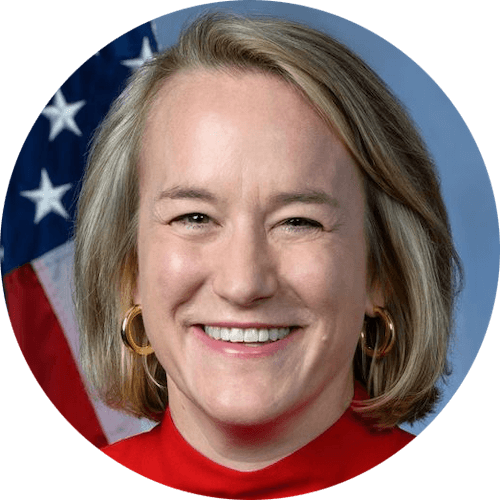

ASSUMING FIRST SPONSORSHIP - Ms. Randall asked unanimous consent that she may hereafter be considered as the first sponsor of H.R. 1522, a bill originally introduced by Representative Connolly, for the purpose of adding cosponsors and requesting reprintings pursuant to clause 7 of rule XII. Agreed to without objection.
Jul 22, 2025
FIND Act
Referred to the House Committee on Oversight and Government Reform.
Jan 3, 2025
Fair Pay for Federal Contractors Act of 2025
Referred to the Committee on Appropriations, and in addition to the Committee on Oversight and Government Reform, for a period to be subsequently determined by the Speaker, in each case for consideration of such provisions as fall within the jurisdiction of the committee concerned.
Sep 30, 2025
Saving the Civil Service Act
ASSUMING FIRST SPONSORSHIP - Mr. Walkinshaw asked unanimous consent that he may hereafter be considered as the first sponsor of H.R. 492, a bill originally introduced by Representative Connolly, for the purpose of adding cosponsors and requesting reprintings pursuant to clause 7 of rule XII. Agreed to without objection.
Sep 16, 2025
Trending Right Now
Bills gaining momentum across Congress
North Platte Canteen Congressional Gold Medal Act

Referred to the House Committee on Financial Services.
Feb 21, 2025
Fit to Serve Act
Referred to the House Committee on Armed Services.
May 21, 2025
ASAP Act

Ordered to be Reported in the Nature of a Substitute by the Yeas and Nays: 40 - 0.
Sep 16, 2026
Tracking Government Operations and Politics in Congress? Monitor bills, track cosponsor momentum, and launch advocacy campaigns — all from one advocacy platform.