H.R. 1772: Designation of English as the Official Language of the United States Act of 2025
Sponsor

Robert Aderholt
Republican · AL-4
Citizenship would require reading the Constitution in English
Why it matters
21 House Republicans back H.R. 1772, which would write English into federal law as the official language of the United States, turning a March 2025 executive order into a statute. It would also presume English-only rules at work lawful, in government and private business alike, and give Homeland Security 180 days to propose a uniform English test for citizenship.
A March 1, 2025 executive order already designates English as the official language of the United States. A future president could revoke that order with a signature. H.R. 1772 would put the designation in the U.S. Code, where only Congress can take it out.
The bill's widest reach is into the workplace: any English-language requirement or workplace policy, public or private, would be presumed consistent with federal law. Today, EEOC guidance treats an English-only rule applied at all times as presumptively discriminatory. A presumption is not a blanket approval — a worker could still challenge a policy — but the starting point in that dispute would move toward the employer.
For people seeking citizenship, Homeland Security would have 180 days to propose a uniform English test, open to public comment. The standard the bill sets is reading and generally understanding the country's founding documents and its federal laws. Exceptions to that standard, the bill says, should be limited to extraordinary circumstances, such as asylum.
That is a different bar from today's test, where an applicant reads aloud one of up to three sentences and writes one of up to three. Current rules also waive the English requirement for some longtime residents: people 50 or older with 20 years as a permanent resident, or 55 or older with 15. The bill doesn't repeal those waivers directly — it sets the principles the new rule would be written under.
One more change is easy to miss. When the English wording of a federal law is ambiguous, courts would resolve it in line with the Ninth and Tenth Amendments: not to deny rights retained by the people, and to reserve powers to the states or the people.
The bill's findings describe English as the common thread that has bound Americans of different backgrounds and affirm that states can set their own official language. The official-language and interpretation changes take effect 180 days after enactment.
Bill Progress
Latest Action · Mar 3, 2025
Referred to Education and Workforce, and in addition to the Committee on the Judiciary, for a period to be subsequently determined by the Speaker, in each case for consideration of such provisions as fall within the jurisdiction of the committee concerned. for review
H.R. 1772 Bill Summary
What H.R. 1772 actually does.
English becomes official by law, not just by executive order
H.R. 1772 adds a new chapter to federal law declaring English the official language of the United States. Unlike the March 2025 executive order, it could only be undone by Congress.
English-only rules at work would be presumed lawful
English-language requirements and workplace policies, whether in government or private business, would be presumptively consistent with federal law. Workers challenging such a rule would start from that presumption.
Citizenship applicants would be tested against founding documents
Homeland Security must propose a uniform English test for naturalization within 180 days. The bill's principle: citizens should be able to read and generally understand the Declaration of Independence, the Constitution, and federal laws.
Exceptions to the English test narrowed to extraordinary cases
The bill says exceptions to the English standard should be limited to extraordinary circumstances, such as asylum. Today, age-and-residency waivers let some older longtime residents take the test in their own language.
Ambiguous federal law read in favor of people and states
When the English text of a federal law is ambiguous, courts would resolve it so as not to deny rights retained by the people and to reserve powers to the states or the people.
Who benefits from H.R. 1772?
Employers and public agencies with English-language policies
Restaurants, warehouses, hospitals, and government offices that require English on the job would begin any legal challenge with a presumption that the policy is lawful.
Supporters of a permanent official-language policy
The March 2025 executive order can be rescinded by a future president. A statute would require an act of Congress to repeal.
Naturalization applicants seeking one national standard
A single uniform English test, set by rule after public comment, would define what every applicant is expected to read and understand.
Who is affected by H.R. 1772?
Green-card holders applying for citizenship
USCIS naturalized about 818,500 people in fiscal 2024. Future applicants would be tested against a standard built on reading the Constitution, the Declaration of Independence, and federal law.
Older longtime residents
People 50 or older with 20 years of permanent residence, or 55 or older with 15, can currently skip the English test. The bill's extraordinary-circumstances principle points toward narrowing those waivers in the new rule.
Workers under English-only job policies
Employees who challenge an English-only rule would face a legal presumption that the rule is consistent with federal law.
People with limited English who use federal services
The Census Bureau estimates more than 25 million U.S. residents speak English less than very well. How agencies handle translated materials under an official-English law would depend on implementation.
Homeland Security and USCIS
The department would have 180 days to write and publish a proposed rule for a new uniform naturalization English test, then redesign testing to match.
HR1772 Legislative Journey
House: Committee Action
Mar 3, 2025
Referred to the Committee on Education and Workforce, and in addition to the Committee on the Judiciary, for a period to be subsequently determined by the Speaker, in each case for consideration of such provisions as fall within the jurisdiction of the committee concerned.
About the Sponsor
Robert Aderholt
Republican, Alabama's 4th congressional district · 29 years in Congress
Committees: Appropriations
View full profile →
Cosponsors (21)
All 21 cosponsors are Republicans. Cosponsors represent 10 states: Alabama, Arizona, Florida, and 7 more.

Ralph Norman
Republican · SC

Diana Harshbarger
Republican · TN
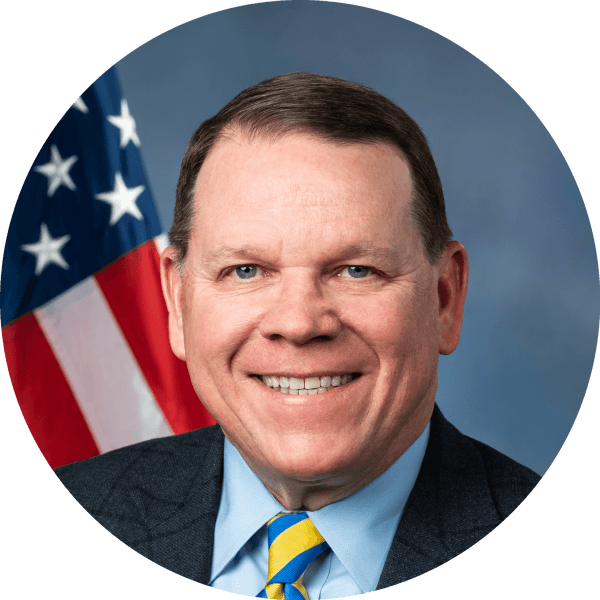
Sam Graves
Republican · MO
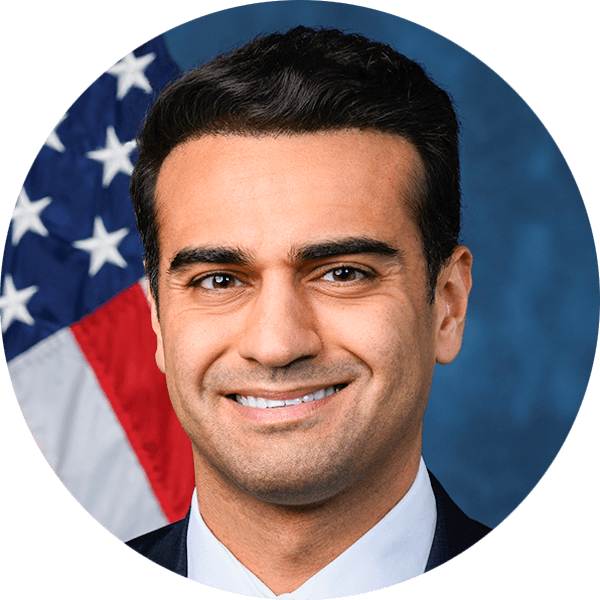
Abraham Hamadeh
Republican · AZ

Paul Gosar
Republican · AZ
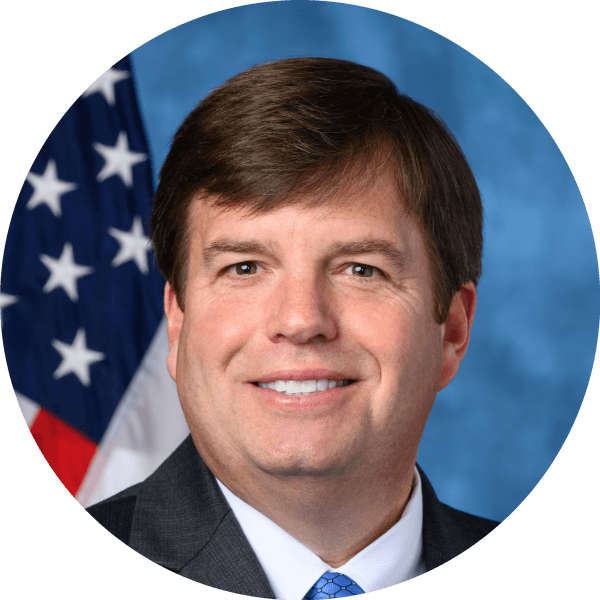
Dale Strong
Republican · AL
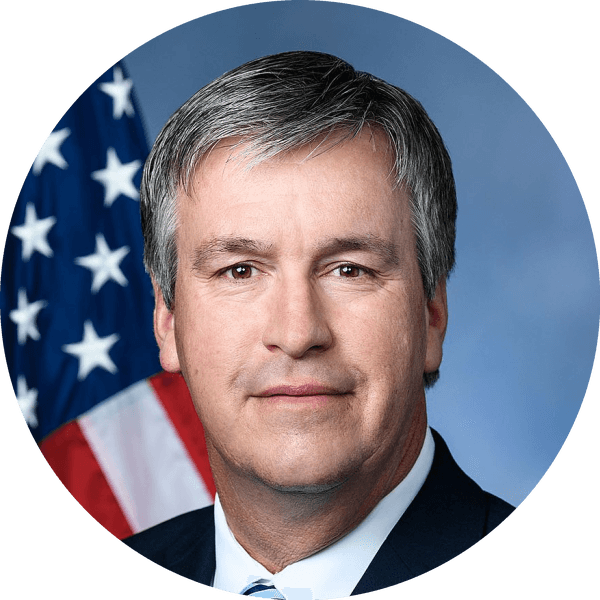
Barry Moore
Republican · AL
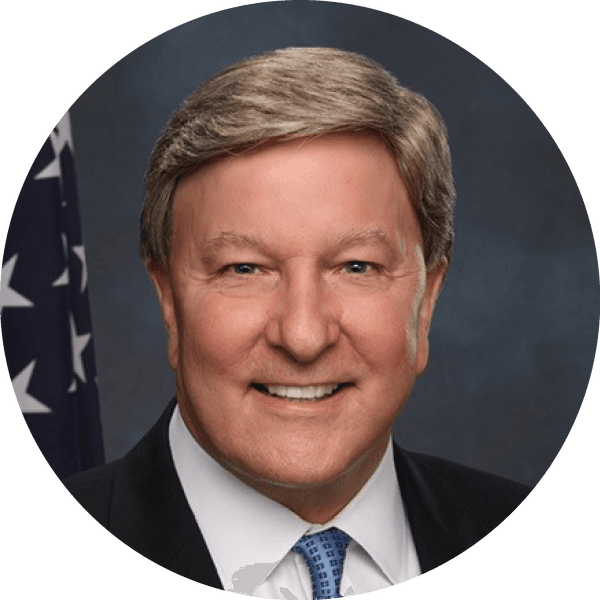
Mike Rogers
Republican · AL
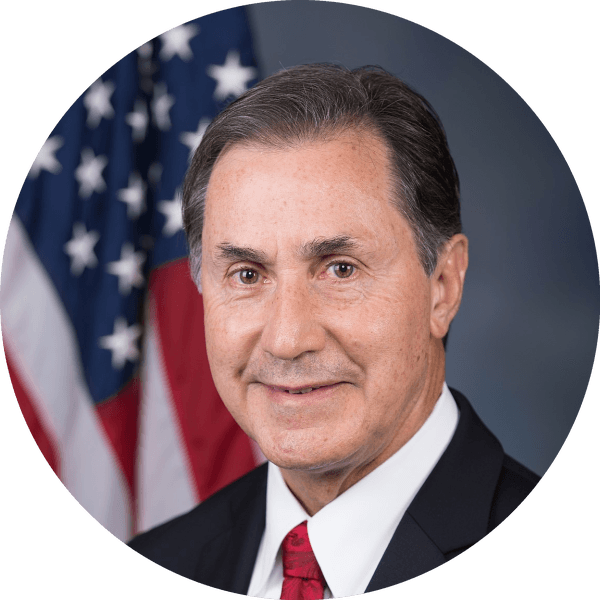
Gary Palmer
Republican · AL
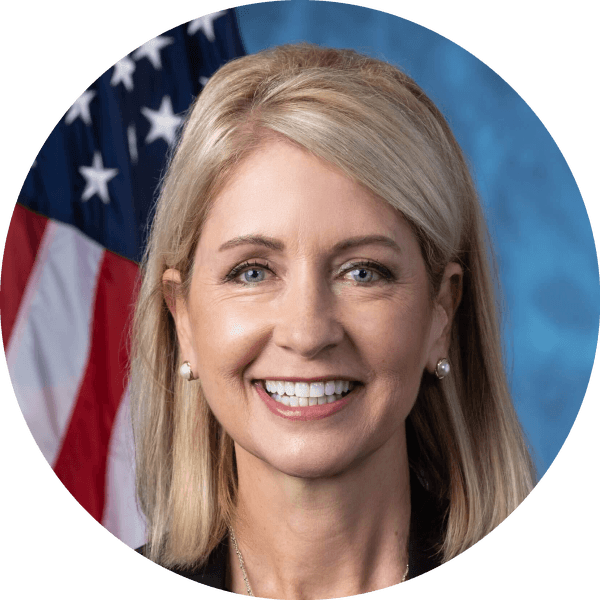
Mary Miller
Republican · IL
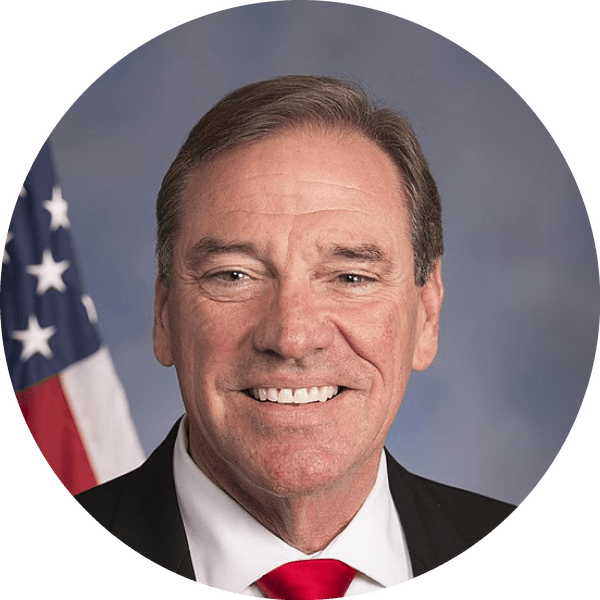
Neal Dunn
Republican · FL
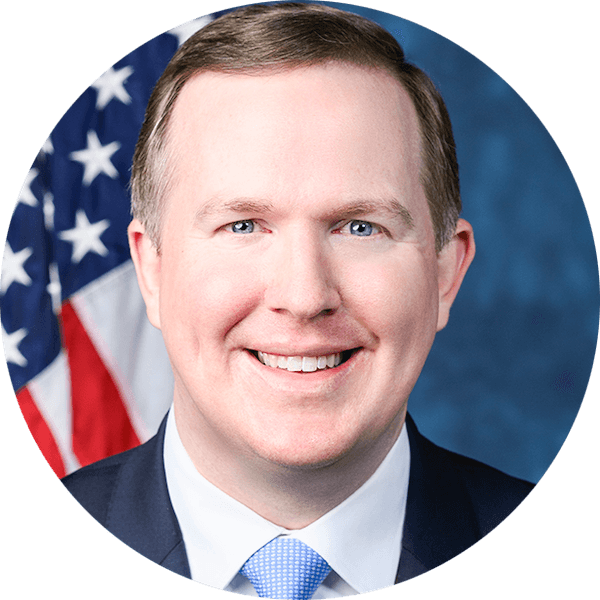
Brian Jack
Republican · GA
Committee Sponsors
Judiciary Committee
2 of 44 committee members cosponsored


Education and Workforce Committee
2 of 37 committee members cosponsored


36 Republicans across these committees haven't cosponsored yet. Mobilize their constituents
H.R. 1772 Quick Facts
- Committee
- Judiciary
- Chamber
- House
- Policy
- Government Operations and Politics
- Introduced
- Mar 3, 2025
Referred to Education and Workforce, and in addition to the Committee on the Judiciary, for a period to be subsequently determined by the Speaker, in each case for consideration of such provisions as fall within the jurisdiction of the committee concerned. for review
Mar 3, 2025
Official Sources
The March 1, 2025 order cited in the bill’s findings; H.R. 1772 would write the same designation into statute.
Current federal guidance on when English-only rules violate Title VII; the bill would make such workplace policies presumptively lawful.
Today’s English reading and writing test, which the bill directs Homeland Security to replace with a uniform standard within 180 days.
The 50/20 and 55/15 age-and-residency waivers the bill says should give way to exceptions limited to extraordinary circumstances.
The citizenship application and filing fees applicants pay before taking the English test.
Section 3 of the bill adds a new Chapter 6, Official Language, to this title.
Section 4 of the bill adds a new Section 9 setting rules for reading the English text of federal law.
The Ninth and Tenth Amendments, which the bill makes the tiebreaker for ambiguous federal statutory text.
H.R. 1772 Common Questions
What does H.R. 1772 do?
It makes English the official language of the United States in federal law, presumes English-only rules at work lawful, orders a new uniform English test for citizenship, and sets a rule for reading ambiguous federal laws.
Isn't English already the official language of the U.S.?
By executive order, yes. President Trump signed one on March 1, 2025. But an executive order can be revoked by a later president. H.R. 1772 would put the designation into federal statute, so only Congress could reverse it.
How would the citizenship English test change?
Today you read aloud one of up to three sentences and write one of up to three. H.R. 1772 gives Homeland Security 180 days to propose a uniform test based on reading and generally understanding the Declaration of Independence, the Constitution, and federal laws.
Would older green-card holders still be exempt from the English test?
Current rules waive it for people 50+ with 20 years of residence or 55+ with 15. The bill doesn't repeal those waivers outright, but it says exceptions should be limited to extraordinary circumstances, such as asylum. The final rule would decide.
Would English-only rules at work become legal?
They would be presumed lawful, in both public and private workplaces. That's a starting point, not a guarantee: a worker could still challenge a policy, but would have to overcome the presumption.
Would the bill ban other languages in government services?
Speaking or using other languages isn't made illegal. The bill makes English official and sets it as the legal default. How agencies handle translated forms and services would depend on implementation.
Has H.R. 1772 passed?
No. It was introduced March 3, 2025, by Rep. Robert Aderholt (R-AL) and referred to the Education and Workforce and Judiciary committees, with 21 Republican cosponsors. If enacted, the main changes take effect 180 days later.
Based on H.R. 1772 bill text
H.R. 1772 Bill Text
“To declare English as the official language of the United States, to establish a uniform English language rule for naturalization, and to avoid misconstructions of the English language texts of the laws of the United States, pursuant to Congress’ powers to provide for the general welfare of the United States and to establish a uniform rule of naturalization under article I, section 8, of the Constitution.”
Source: U.S. Government Publishing Office
Get notified when H.R. 1772 moves
Committee votes, floor action, cosponsor changes — straight to your inbox.
Bill alerts + Legisletter's monthly briefing. Unsubscribe anytime.
Government Operations and Politics Bills
9 related bills we're tracking
Protect Our Letter Carriers Act of 2025
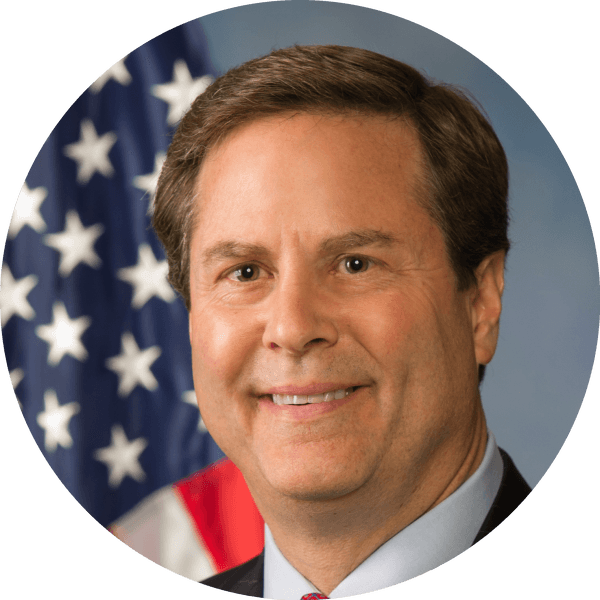
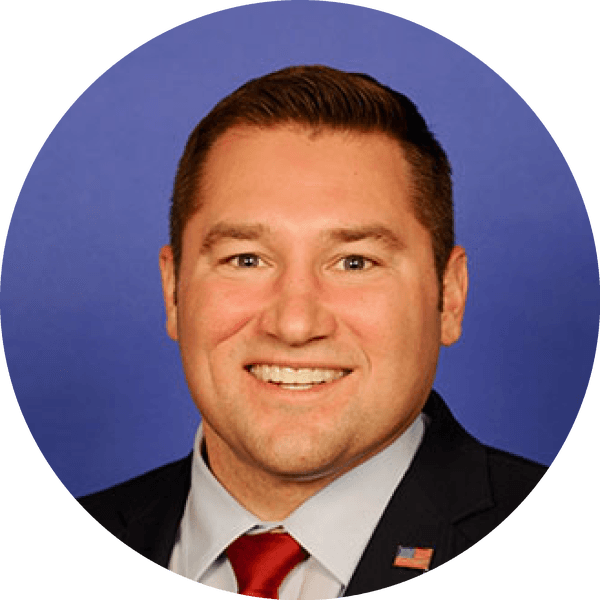
Referred to the Committee on the Judiciary, and in addition to the Committee on Oversight and Government Reform, for a period to be subsequently determined by the Speaker, in each case for consideration of such provisions as fall within the jurisdiction of the committee concerned.
Feb 6, 2025
John R. Lewis Voting Rights Advancement Act of 2025
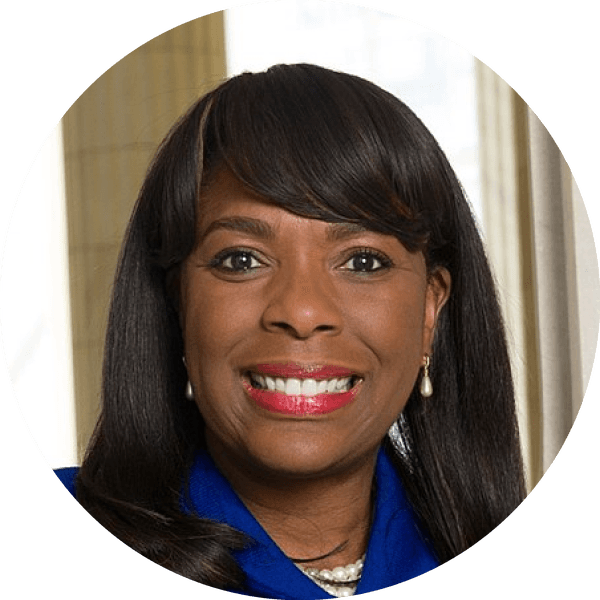
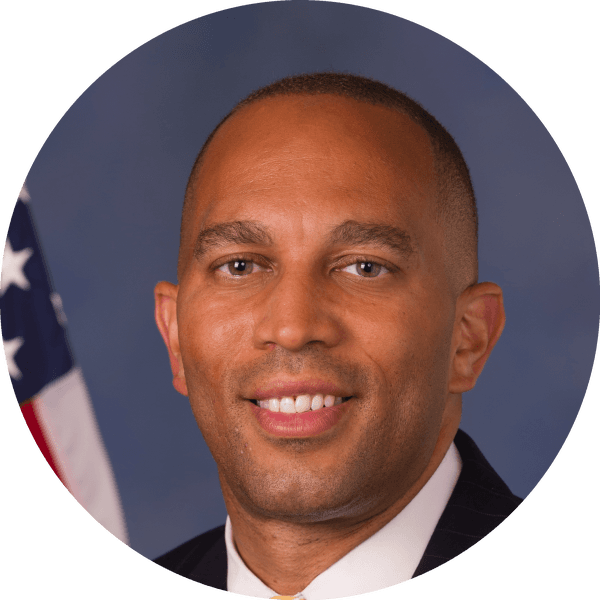

Referred to the House Committee on the Judiciary.
Mar 5, 2025
Washington, D.C. Admission Act


Referred to the Committee on Oversight and Government Reform, and in addition to the Committees on Rules, Armed Services, the Judiciary, and Energy and Commerce, for a period to be subsequently determined by the Speaker, in each case for consideration of such provisions as fall within the jurisdiction of the committee concerned.
Jan 3, 2025
Rights for the TSA Workforce Act

Referred to the Subcommittee on Transportation and Maritime Security.
Mar 11, 2025
DISCLOSE Act of 2026

Referred to the Committee on House Administration, and in addition to the Committees on Ways and Means, and the Judiciary, for a period to be subsequently determined by the Speaker, in each case for consideration of such provisions as fall within the jurisdiction of the committee concerned.
Mar 4, 2026
Federal Retirement Fairness Act



ASSUMING FIRST SPONSORSHIP - Ms. Randall asked unanimous consent that she may hereafter be considered as the first sponsor of H.R. 1522, a bill originally introduced by Representative Connolly, for the purpose of adding cosponsors and requesting reprintings pursuant to clause 7 of rule XII. Agreed to without objection.
Jul 22, 2025
FIND Act

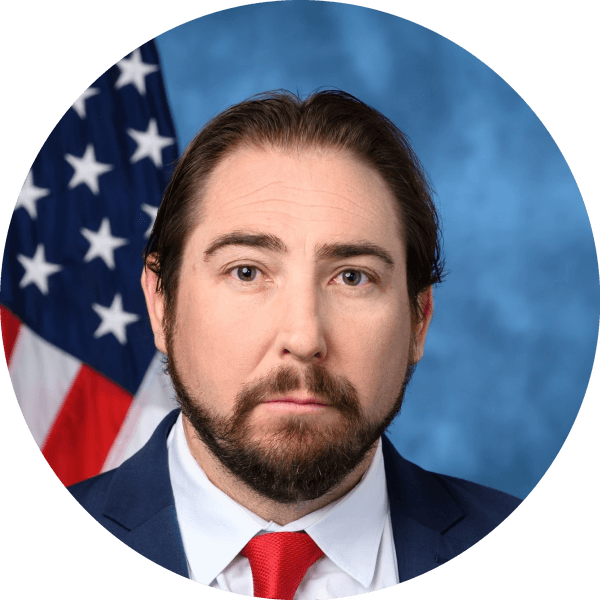
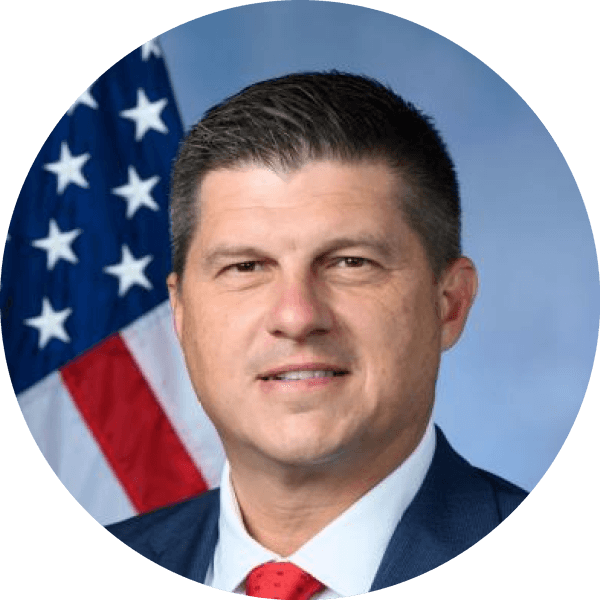
Referred to the House Committee on Oversight and Government Reform.
Jan 3, 2025
Fair Pay for Federal Contractors Act of 2025
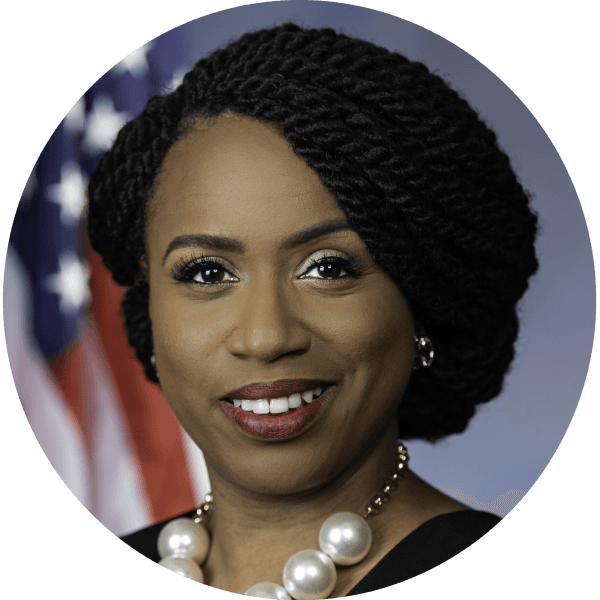
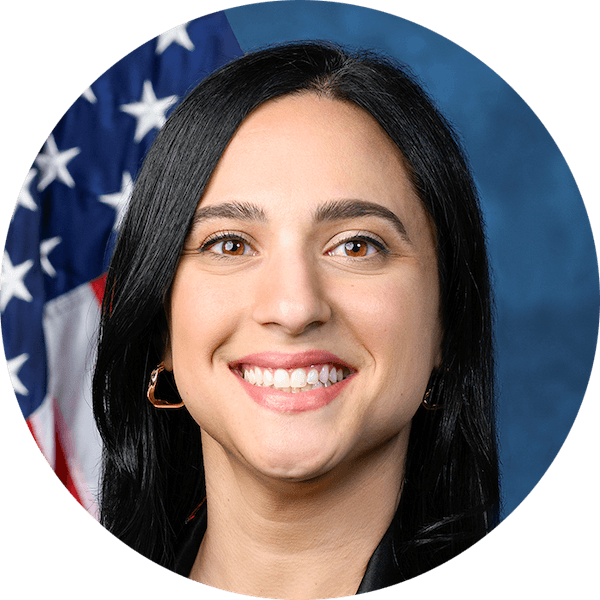
Referred to the Committee on Appropriations, and in addition to the Committee on Oversight and Government Reform, for a period to be subsequently determined by the Speaker, in each case for consideration of such provisions as fall within the jurisdiction of the committee concerned.
Sep 30, 2025
Saving the Civil Service Act
ASSUMING FIRST SPONSORSHIP - Mr. Walkinshaw asked unanimous consent that he may hereafter be considered as the first sponsor of H.R. 492, a bill originally introduced by Representative Connolly, for the purpose of adding cosponsors and requesting reprintings pursuant to clause 7 of rule XII. Agreed to without objection.
Sep 16, 2025
Trending Right Now
Bills gaining momentum across Congress
America’s Olympic and Paralympic Games Commemorative Coins Act


Referred to the House Committee on Financial Services.
Jul 14, 2025
Fit to Serve Act
Referred to the House Committee on Armed Services.
May 21, 2025
ASAP Act


Ordered to be Reported in the Nature of a Substitute by the Yeas and Nays: 40 - 0.
Sep 16, 2026
Tracking Government Operations and Politics in Congress? Monitor bills, track cosponsor momentum, and launch advocacy campaigns — all from one advocacy platform.