H.R. 14: John R. Lewis Voting Rights Advancement Act of 2025
Sponsor
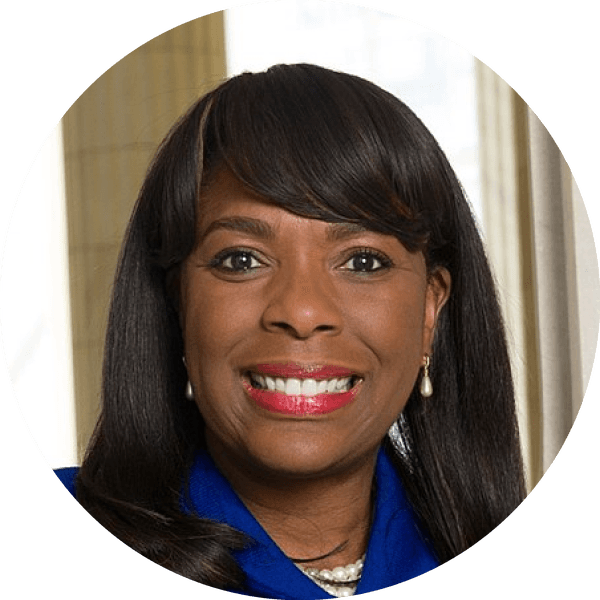
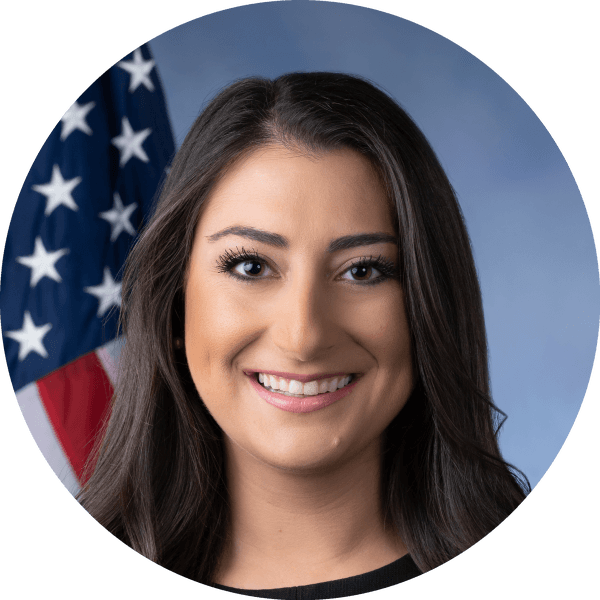
Terri Sewell
Democrat · AL-7
Repeat voting-rights violators would need federal sign-off again
Why it matters
H.R. 14 would bring back federal preclearance: states and counties with repeated voting-rights violations over the past 25 years would need Washington's approval before changing polling places, district maps, or ID rules. Larger local governments would also have to tell the public within 48 hours whenever voting rules change.
H.R. 14 rebuilds a federal oversight system for how elections are run, and its centerpiece is preclearance—the requirement that certain governments get federal approval before a voting change can take effect.
A whole state falls under preclearance for 10 years if it recorded 15 voting-rights violations in the past 25 years, 10 if at least one was the state's own doing, or just 3 if the state runs the elections where those violations happened. A single county or city can be covered on its own with 3 violations in 25 years.
There's a second track for specific changes, even outside full state coverage. Switching to at-large elections in some diverse communities, redrawing lines in a way that cuts a group's share of the voting-age population by 3 points or more, adding tougher ID or documentation rules, trimming multilingual ballots, closing or moving polling places (including Sunday hours), and certain voter-roll purges would all get federal review. The Justice Department generally gets 60 days to weigh in.
You'd also get more warning. Counties, parishes, cities over 10,000 people, and larger school districts would have to post many voting changes within 48 hours, publish polling-place details at least 30 days before an election, and disclose district changes within 10 days.
In court, the bill makes it easier for voters to win a temporary block before an election. It also revives a standard that reaches back to any voting change made on or after January 1, 2021, meaning some rules already on the books could be challenged if they cut voters' ability to participate or elect their preferred candidates because of race, color, or language-minority status.
Bill Progress
Latest Action · Mar 5, 2025
Referred to the House Committee on the Judiciary.
H.R. 14 Bill Summary
What H.R. 14 actually does.
Repeat violators face federal pre-approval again
States and local governments with enough voting-rights violations over the past 25 years would need federal approval before certain election changes can take effect. A state can be covered by 15 violations, 10 with at least one by the state itself, or 3 tied to localities whose elections the state runs. A county or city can be covered on its own with 3 violations. Coverage lasts 10 years.
Certain election changes get automatic 60-day review
Even outside broad state coverage, the Justice Department would review specific changes: some shifts to at-large elections, district-boundary changes, tougher voter-ID or documentation rules, cuts to multilingual voting materials, polling-place closures or relocations, and some voter-roll maintenance systems.
You get faster notice when voting rules change
Larger local governments would have to tell the public quickly when election rules change. Many changes would require notice within 48 hours, polling-place resource information would be due at least 30 days before an election, and district or constituency changes would have to be disclosed within 10 days.
Recent voting changes can still be challenged
The bill applies its vote-retrogression rule to actions taken on or after January 1, 2021. That means some changes already in place could face challenge if they reduced voters' ability to participate or elect preferred candidates because of race, color, or language-minority status.
Courts would face a lower bar to block a rule before an election
Voters challenging an election rule could get temporary court relief under a more plaintiff-friendly standard. The bill says a nearing election is not, by itself, a reason to deny relief unless the other side proves serious harm with clear and convincing evidence.
Small jurisdictions get grant money to keep up
The bill directs the Attorney General to make yearly grants to jurisdictions of 10,000 people or fewer to help them meet the new public-notice requirements, so the smallest local governments aren't left absorbing the compliance cost alone.
Who benefits from H.R. 14?
Voters in places where election rules keep shifting
If your polling place is moved, your district lines are redrawn, or your county changes voting procedures, you would be more likely to hear about it before Election Day. The bill's 48-hour, 10-day, and 30-day notice rules are meant to create that warning time.
Black, Latino, Asian American, Native American, and language-minority voters
The bill gives these voters more tools to challenge rules that make voting harder or weaken their political power. Its automatic-review track specifically targets changes in communities where two or more racial or language-minority groups each make up 20 percent or more of the voting-age population.
Tribal communities and voters on Indian lands
H.R. 14 writes Indian lands directly into its definitions and its coverage triggers, making clear that voting changes affecting those communities are part of the review and enforcement system.
Voters and civil-rights groups litigating before elections
The bill lowers some practical barriers to getting a temporary court order before an election. That matters when a challenge has to be decided in days or weeks, not months.
Who is affected by H.R. 14?
States with long records of voting-rights violations
A state that meets the 25-year thresholds could spend 10 years under federal preclearance, meaning some election changes could not take effect until federal officials approve them.
Counties, parishes, cities and school districts over 10,000 people
These jurisdictions would take on new compliance work: fast public notices, polling-place disclosures, and reporting for district or constituency changes. Missing those deadlines could open the door to legal challenges.
Election officials changing maps, ID rules, or polling places
Officials would face extra federal review when they redraw boundaries, tighten documentation requirements, cut multilingual assistance, move or close polling places, or change some voter-roll maintenance practices.
Covered local jurisdictions seeking to exit oversight
A local government could apply to win an exemption from coverage, but only by meeting detailed compliance conditions over a 10-year window and filing within the bill's deadlines.
What Congress Is Saying
22 legislators have weighed in on H.R. 14 — 12 Democrats, 10 Republicans.
H.R. 14 also appeared in 1 more House floor reference and 2 routine cosponsor filings.
HR14 Legislative Journey
House: Committee Action
Mar 5, 2025
Referred to the House Committee on the Judiciary.
About the Sponsor
Terri Sewell
Democrat, Alabama's 7th congressional district · 15 years in Congress
Committees: House Administration, Joint Committee on Printing, Ways and Means
View full profile →
Cosponsors (221)
All 221 cosponsors are Democrats. Cosponsors represent 39 states: Alabama, Arizona, California, and 36 more.
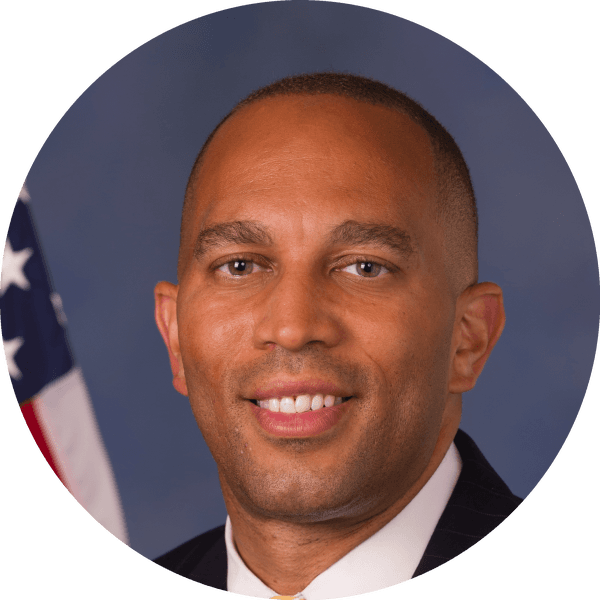
Hakeem Jeffries
Democrat · NY

Katherine Clark
Democrat · MA
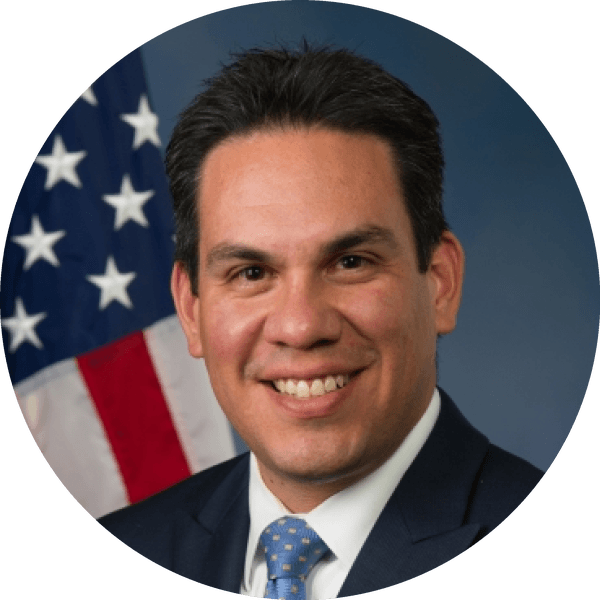
Pete Aguilar
Democrat · CA
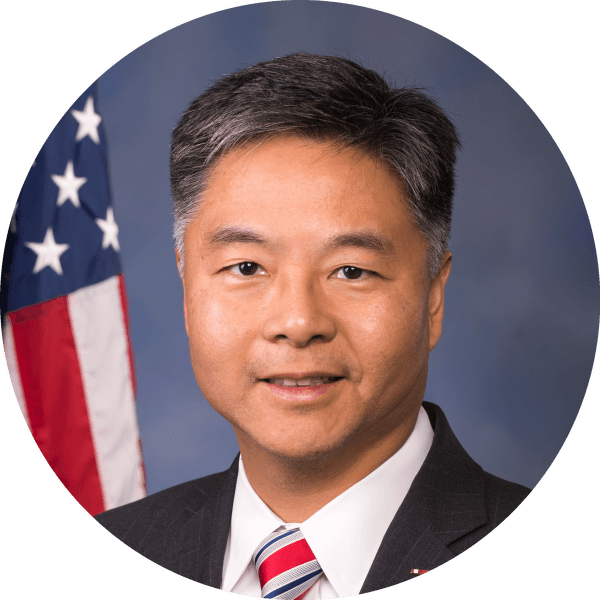
Ted Lieu
Democrat · CA

Joe Neguse
Democrat · CO
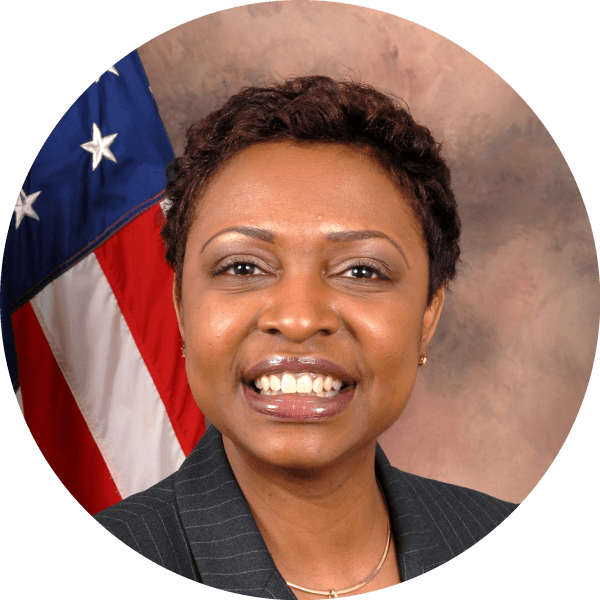
Yvette Clarke
Democrat · NY
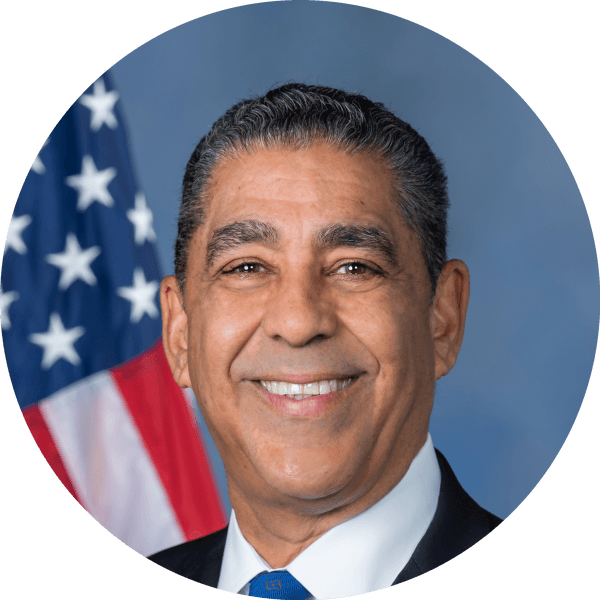
Adriano Espaillat
Democrat · NY

Grace Meng
Democrat · NY
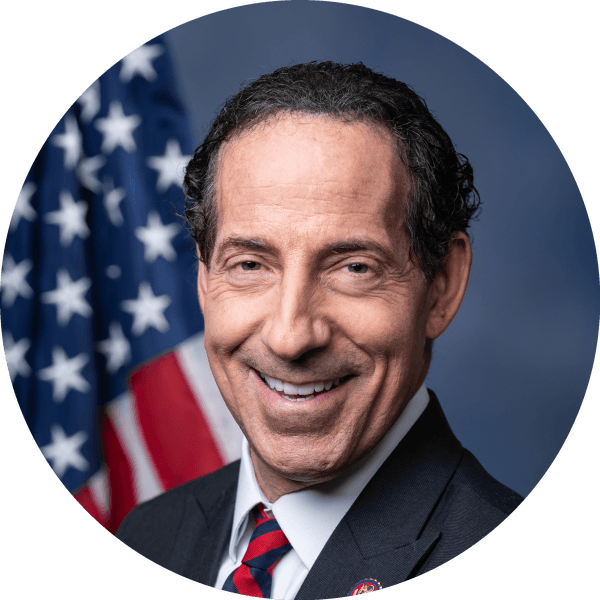
Jamie Raskin
Democrat · MD
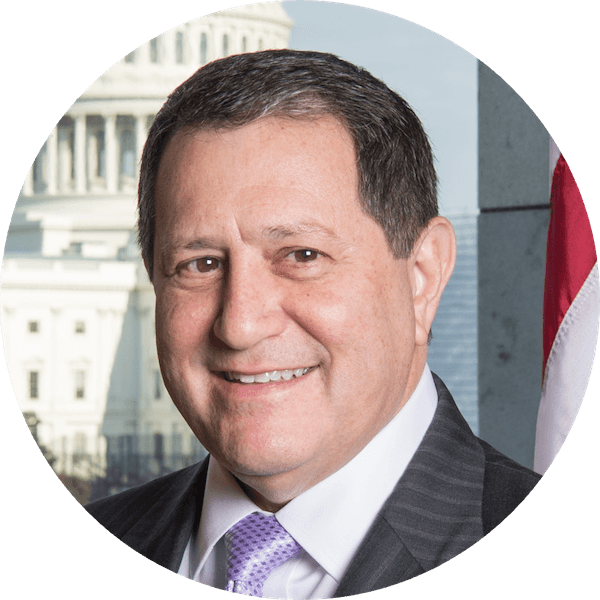
Joseph Morelle
Democrat · NY
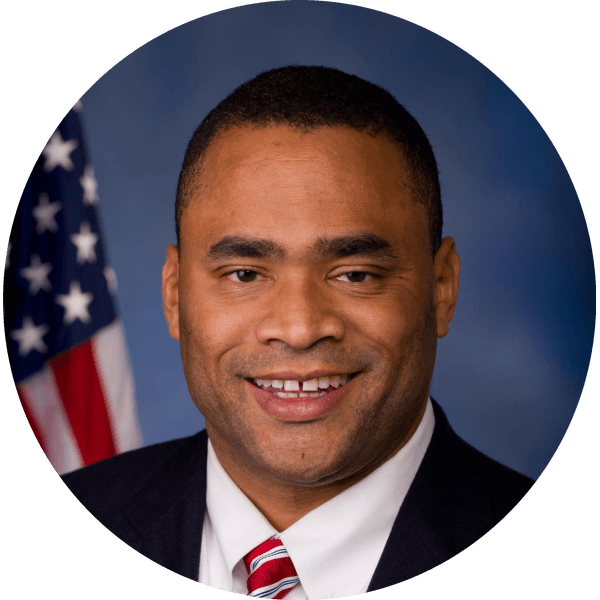
Marc Veasey
Democrat · TX

Robert Scott
Democrat · VA
Cosponsor Coverage Map
Committee Sponsors
Judiciary Committee
19 of 44 committee members cosponsored


What laws does H.R. 14 change?
10 changes
Sections Amended
Section 3(c) of Voting Rights Act of 1965 (52 U.S.C. 10302(c))
striking ``violations of the fourteenth or fifteenth amendment'' and inserting ``violations of the 14th or 15th Amendment, violations of this Act, or violations of any Federal law that prohibits discrimination in voting on the basis of race, color, or membership in a language minority group,''
Section 3(a) of such Act (52 U.S.C. 10302(a))
striking ``violations of the fourteenth or fifteenth amendment'' and inserting ``violations of the 14th or 15th Amendment, violations of this Act, or violations of any Federal law that prohibits discrimination in voting on the basis of race, color, or membership in a language minority group,''
Section 4(b) of Voting Rights Act of 1965 (52 U.S.C. 10303(b))
read as follows: ``(b) Determination of States and Political Subdivisions Subject to Requirements
Section 4 of Voting Rights Act of 1965 (52 U.S.C. 10303)
adding at the end the following: ``(g) Administrative Bailout
Section 3 of Americans with Disabilities Act of 1990.''. (2) Conforming amendment.--Section 3(a) of such Act (52 U.S.C. 10302(a))
striking ``in accordance with section 6''
Section 3(a) of Voting Rights Act of 1965 (52 U.S.C. 10302(a))
striking ``United States Civil Service Commission in accordance with section 6'' and inserting ``Attorney General in accordance with section 8''
H.R. 14 Quick Facts
- Committee
- Judiciary
- Chamber
- House
- Policy
- Government Operations and Politics
- Introduced
- Mar 5, 2025
Referred to the House Committee on the Judiciary.
Mar 5, 2025
Official Sources
Official bill page with text, actions, cosponsors, and committee status for the John R. Lewis Voting Rights Advancement Act of 2025.
The Civil Rights Division's Voting Section is the federal office that enforces major voting-rights laws and would handle much of the bill's review and enforcement work.
Official DOJ explanation of Section 5 preclearance, directly relevant to the bill's effort to restore federal preapproval for certain election changes.
Official U.S. Code text for the Voting Rights Act provisions that H.R. 14 would amend, including Section 2 and related voting-rights sections.
Official Justice Department resource on protections for language-minority voters, relevant because the bill addresses multilingual voting materials and related protections.
Official federal source for voting and registration data that often informs analysis of voting access, turnout, and demographic impacts discussed in voting-rights policy debates.
Official federal election administration agency with resources on polling places, voter registration practices, and election operations affected by the bill's notice and procedure rules.
H.R. 14 Common Questions
What does H.R. 14 actually do?
It rebuilds federal voting-rights oversight. H.R. 14 would require pre-approval for some jurisdictions with repeated violations, trigger 60-day federal review of certain election changes, and force faster public notice when voting rules change.
Why does the Voting Rights Act need to be 'restored'?
In 2013, the Supreme Court struck down the formula that decided which places needed federal preapproval, which left preclearance without any covered jurisdictions. H.R. 14 writes a new, violation-based formula to put that federal review back in force.
Which states could be put back under federal preclearance?
Under H.R. 14, a state can be covered if it had 15 voting-rights violations in the past 25 years, 10 with at least one by the state itself, or 3 tied to localities whose elections the state runs. Coverage then lasts 10 years.
Can a single county or city be covered on its own?
Yes. A local jurisdiction can be put under preclearance if it had 3 or more voting-rights violations in the previous 25 years. That status lasts 10 years unless it wins an exemption by meeting detailed compliance conditions.
What election changes would get automatic federal review?
H.R. 14 flags some at-large election switches, district-boundary shifts, tougher voter-ID or documentation rules, cuts to multilingual voting materials, polling-place closures or relocations, and some voter-roll purge systems. The Justice Department generally gets 60 days to review.
How fast would officials have to tell the public about voting changes?
Often within 48 hours. Larger local governments would have to disclose many voting changes that fast, publish polling-place details at least 30 days before an election, and report district changes within 10 days.
Does H.R. 14 apply to voting changes already made since 2021?
Yes. The bill says its vote-retrogression rule applies to actions taken on or after January 1, 2021, so some recent election changes could still be challenged under the restored standard.
Would it be easier to block a voting rule before an election?
Usually yes. H.R. 14 tells courts to grant temporary relief when a voter raises a serious question and the balance of hardships favors the voter, instead of treating a nearing election as an automatic reason to say no.
Based on H.R. 14 bill text
H.R. 14 Bill Text
“To amend the Voting Rights Act of 1965 to revise the criteria for determining which States and political subdivisions are subject to section 4 of the Act, and for other purposes.”
Source: U.S. Government Publishing Office
Get notified when H.R. 14 moves
Committee votes, floor action, cosponsor changes — straight to your inbox.
Bill alerts + Legisletter's monthly briefing. Unsubscribe anytime.
Government Operations and Politics Bills
9 related bills we're tracking
Protect Our Letter Carriers Act of 2025
Referred to the Committee on the Judiciary, and in addition to the Committee on Oversight and Government Reform, for a period to be subsequently determined by the Speaker, in each case for consideration of such provisions as fall within the jurisdiction of the committee concerned.
Feb 6, 2025
Washington, D.C. Admission Act


Referred to the Committee on Oversight and Government Reform, and in addition to the Committees on Rules, Armed Services, the Judiciary, and Energy and Commerce, for a period to be subsequently determined by the Speaker, in each case for consideration of such provisions as fall within the jurisdiction of the committee concerned.
Jan 3, 2025
Rights for the TSA Workforce Act
Referred to the Subcommittee on Transportation and Maritime Security.
Mar 11, 2025
DISCLOSE Act of 2026

Referred to the Committee on House Administration, and in addition to the Committees on Ways and Means, and the Judiciary, for a period to be subsequently determined by the Speaker, in each case for consideration of such provisions as fall within the jurisdiction of the committee concerned.
Mar 4, 2026
Federal Retirement Fairness Act


ASSUMING FIRST SPONSORSHIP - Ms. Randall asked unanimous consent that she may hereafter be considered as the first sponsor of H.R. 1522, a bill originally introduced by Representative Connolly, for the purpose of adding cosponsors and requesting reprintings pursuant to clause 7 of rule XII. Agreed to without objection.
Jul 22, 2025
FIND Act


Referred to the House Committee on Oversight and Government Reform.
Jan 3, 2025
Fair Pay for Federal Contractors Act of 2025
Referred to the Committee on Appropriations, and in addition to the Committee on Oversight and Government Reform, for a period to be subsequently determined by the Speaker, in each case for consideration of such provisions as fall within the jurisdiction of the committee concerned.
Sep 30, 2025
Saving the Civil Service Act
ASSUMING FIRST SPONSORSHIP - Mr. Walkinshaw asked unanimous consent that he may hereafter be considered as the first sponsor of H.R. 492, a bill originally introduced by Representative Connolly, for the purpose of adding cosponsors and requesting reprintings pursuant to clause 7 of rule XII. Agreed to without objection.
Sep 16, 2025
SAVE America Act


Referred to the House Committee on House Administration.
Jan 30, 2026
Trending Right Now
Bills gaining momentum across Congress
North Platte Canteen Congressional Gold Medal Act


Referred to the House Committee on Financial Services.
Feb 21, 2025
ASAP Act


Ordered to be Reported in the Nature of a Substitute by the Yeas and Nays: 40 - 0.
Sep 16, 2026
Fit to Serve Act

Referred to the House Committee on Armed Services.
May 21, 2025
Tracking Government Operations and Politics in Congress? Monitor bills, track cosponsor momentum, and launch advocacy campaigns — all from one advocacy platform.