H.R. 2332: SHARE Act of 2026
Sponsor
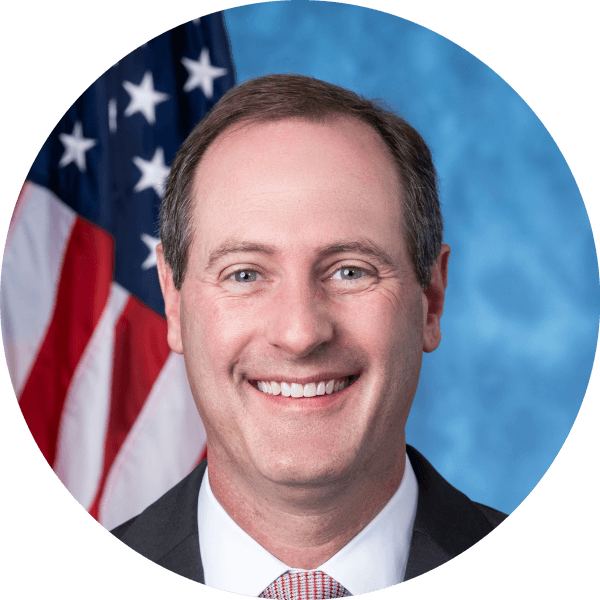
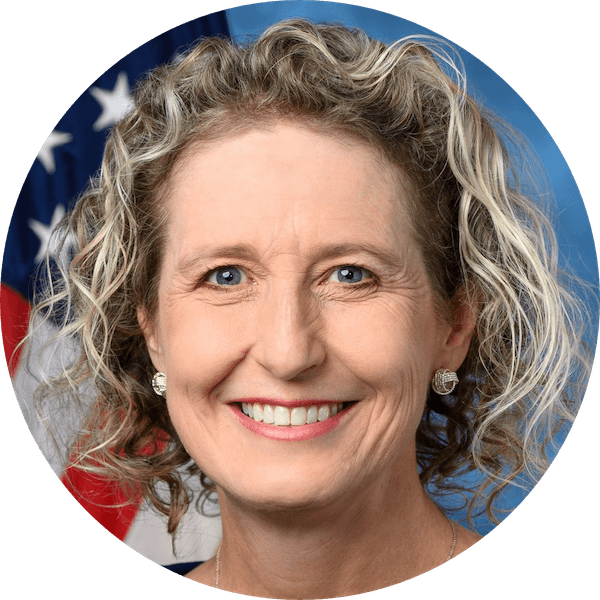
Tracey Mann
Republican · KS-1
Multistate license seekers get FBI checks — records stay sealed
Why it matters
H.R. 2332 would put the FBI in the middle of interstate licensing background checks — and lock down who gets to see the results. State licensing boards would receive the criminal history record. The interstate compact running the program would only learn whether the applicant passed. 28 House members from both parties have signed on, though the bill hasn't moved out of committee since its March 2025 introduction.
The SHARE Act of 2025 — H.R. 2332 — does two things at once. It opens a federal channel for FBI criminal history records to flow to state licensing boards. And it locks down who else can see those records.
The channel works through interstate compacts, which let licensed professionals practice across state lines without applying for a separate license in every state. Nurses, doctors, physical therapists, counselors, social workers, and EMTs all participate in compacts of this kind. When a compact requires a background check, the FBI would be required to furnish the record.
The FBI couldn't send records directly to a state licensing board. Instead, the records would move through an agreement with a state law enforcement agency or state identification bureau. The licensing board on the receiving end would use the record solely to act on the application in front of it.
What the bill explicitly bans is the next step: passing the record on. A state licensing board couldn't share criminal history record information — or any part of it — with the interstate compact's commission, any other state agency, any other state licensing authority, or the public.
One narrow exception: the licensing board can tell the compact commission that the check is complete and provide a yes-or-no answer on whether the applicant cleared it. The commission learns the outcome, not the arrests, charges, or dispositions behind it.
Bill Progress
Latest Action · Sep 28, 2026
Placed on House floor schedule, Calendar No. 734.
H.R. 2332 Bill Summary
What H.R. 2332 actually does.
FBI gets a defined role in multistate licensing checks
The bill creates a new federal channel requiring the FBI to furnish or make available criminal history records when an interstate licensing compact calls for a background check on someone seeking to practice an occupation in a compact member state.
Records flow through state law enforcement, not directly to boards
The FBI couldn't send records straight to a state licensing board. The transfer would have to go through an agreement with a state law enforcement agency or state identification bureau, keeping state-level oversight in the loop.
Only compact-required checks are covered
The FBI channel only opens when an interstate compact — or regulations issued under that compact — already requires a background check. The bill doesn't create new background check mandates on its own.
Licensing boards can't pass the record on
A state licensing board that receives the criminal history record couldn't share it — or any part of it — with the compact's commission, any other state entity, any other state licensing authority, or the public.
Interstate commissions get a yes-or-no, not the file
The licensing board can tell the compact commission that the background check is complete and report a binary satisfactory-or-not result. The commission doesn't see the arrests, charges, dispositions, or any other detail behind that outcome.
Coverage extends beyond the 50 states
The bill defines 'State' to include any state, territory, or possession of the United States, plus the District of Columbia. So licensing boards in DC, Puerto Rico, or the territories would be covered the same as any state board.
Who benefits from H.R. 2332?
Multistate license holders
Workers using interstate compacts to practice across state lines — nurses, counselors, therapists, doctors, social workers, EMTs — get a clearer federal path for the FBI background check side of their applications. The criminal history record stays with the state board handling the application, not the multi-state commission.
State licensing boards
State licensing boards, agencies, and departments get explicit federal authorization to receive FBI criminal history records when a compact requires a check, eliminating ambiguity about whether the FBI can supply that information for compact-related licensing.
Privacy-conscious applicants
Anyone applying for a multistate license benefits from a strict cap on who can see the record. The state board uses it to decide the license — but can't pass it to the compact commission, other state agencies, other licensing authorities, or the public.
Interstate compact systems
Compact commissions get the information they actually need to make membership decisions — confirmation that the check ran, and whether it came back clean — without taking on the legal and operational burden of storing detailed criminal history files.
Who is affected by H.R. 2332?
The Federal Bureau of Investigation
The bill creates a new duty for the FBI Director to furnish criminal history record information for compact-related licensing checks, working through agreements with state law enforcement agencies or state identification bureaus.
State licensing boards and agencies
These entities gain new access to FBI records when an interstate compact requires a check, but they also face a strict redisclosure ban. The only thing they can pass to the compact commission is whether the check was completed and whether the result was satisfactory.
Interstate compact commissions
Commissions running interstate licensing compacts couldn't receive the underlying criminal history record. They'd be limited to learning that the check was completed and a yes-or-no determination of the result.
Applicants with criminal histories
Anyone with arrests, charges, or dispositions on their record could face licensing review when applying for a multistate license or privilege under a compact that requires a background check.
HR2332 Legislative Journey
House: Committee Action
Sep 28, 2026
Committee on the Judiciary discharged.
House: Vote: 33-0
Jun 25, 2026
Ordered to be Reported (Amended) by the Yeas and Nays: 33 - 0.
House: Committee Action
Mar 25, 2025
Referred to the Committee on Education and Workforce, and in addition to the Committee on the Judiciary, for a period to be subsequently determined by the Speaker, in each case for consideration of such provisions as fall within the jurisdiction of the committee concerned.
About the Sponsor
Tracey Mann
Republican, Kansas's 1st congressional district · 5 years in Congress
Committees: Transportation and Infrastructure, Agriculture
View full profile →
Cosponsors (29)
This bill has 29 cosponsors: 8 Democrats, 21 Republicans, reflecting bipartisan support. Cosponsors represent 19 states: California, Colorado, District of Columbia, and 16 more.

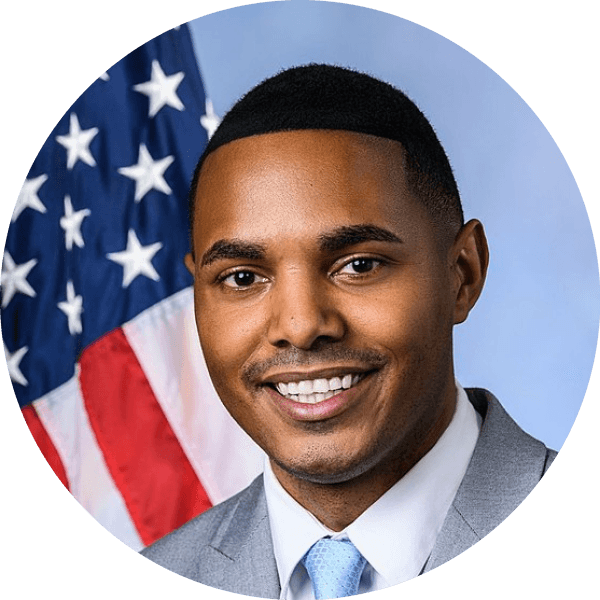
Joe Neguse
Democrat · CO
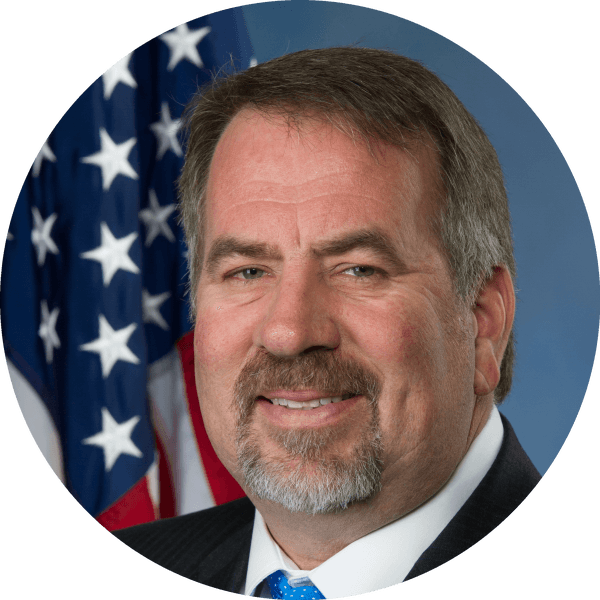
Doug LaMalfa
Republican · CA
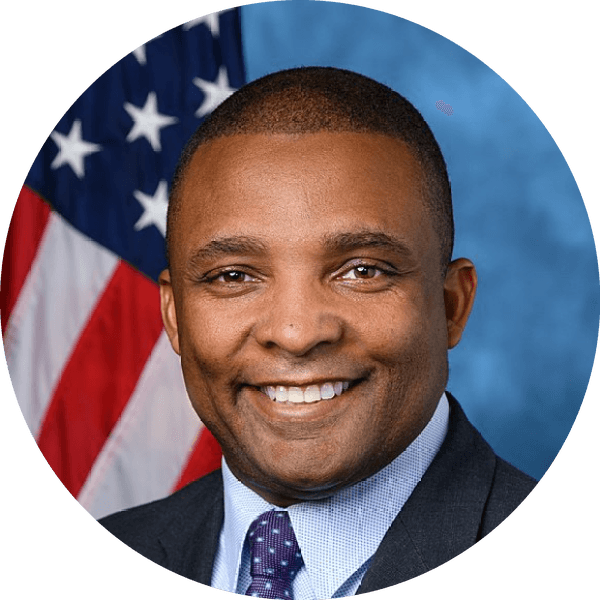
Donald Davis
Democrat · NC
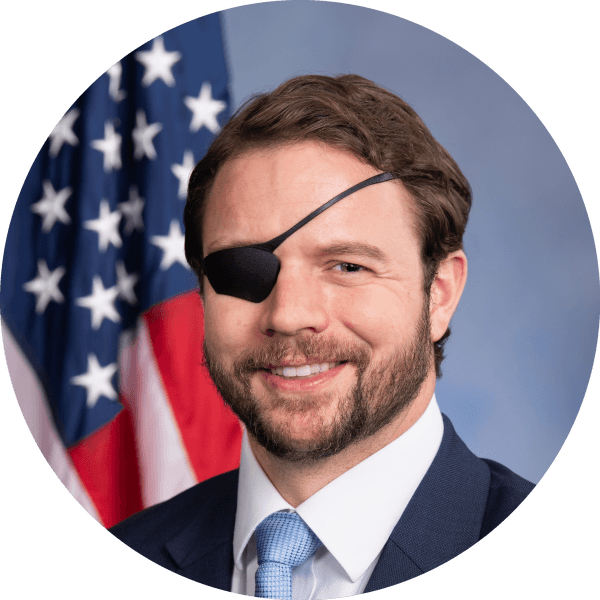
Dan Crenshaw
Republican · TX
Eleanor Norton
Democrat · DC
Daniel Meuser
Republican · PA
Sam Graves
Republican · MO

Lauren Boebert
Republican · CO

Michael McCaul
Republican · TX
Stephanie Bice
Republican · OK
David Valadao
Republican · CA
Derek Schmidt
Republican · KS
Committee Sponsors
Judiciary Committee
4 of 44 committee members cosponsored


Education and Workforce Committee
1 of 37 committee members cosponsored
37 Republicans across these committees haven't cosponsored yet. Mobilize their constituents
H.R. 2332 Quick Facts
- Committee
- Judiciary
- Chamber
- House
- Policy
- Government Operations and Politics
- Introduced
- Mar 25, 2025
Placed on House floor schedule, Calendar No. 734.
Sep 28, 2026
Official Sources
Official Congress.gov page for the SHARE Act of 2025 with bill text, actions, sponsors, and committee status.
The statutory anchor the bill amends. H.R. 2332 adds a new section 6404 to this part of title 34 to authorize FBI background checks for interstate licensing compacts.
The existing federal-state compact that governs FBI sharing of criminal history records for noncriminal justice uses like occupational licensing.
The body that sets FBI rules for releasing criminal history records to state agencies for licensing and employment — the system H.R. 2332 plugs interstate compacts into.
The parent law containing Subtitle E of Title VI (34 U.S.C. 41106 et seq.), where H.R. 2332 inserts its new section.
Plain-English federal explainer on the Intelligence Reform and Terrorism Prevention Act of 2004, the broader statute H.R. 2332 amends.
Federal regulations governing dissemination, privacy, and permitted use of criminal history record information — the framework the bill's nondisclosure rule sits inside.
H.R. 2332 Common Questions
Which workers would the SHARE Act affect?
Anyone applying for a multistate license or compact-based privilege to practice an occupation across state lines — most commonly nurses, counselors, therapists, doctors, social workers, and EMTs. The bill applies whenever an interstate licensing compact already requires a background check.
Does the SHARE Act let the FBI send my criminal record to a state licensing board?
Yes, but indirectly. The FBI would furnish the record through an agreement with a state law enforcement agency or state identification bureau. The state licensing board receives the record from there — not straight from FBI files.
What does an interstate licensing commission learn about my background check?
Only two things: that the check was completed, and whether you passed or failed. The actual arrests, charges, and dispositions stay with the state licensing board. Compact commissions get a yes-or-no — not the file.
Can a state licensing board share my FBI record with the public or other agencies?
No. The SHARE Act would bar a state licensing board from sharing criminal history record information — or any part of it — with the public, the interstate compact's commission, any other state entity, or any other state licensing authority.
Does the SHARE Act apply to Washington DC and US territories?
Yes. The bill defines 'State' to include any state, territory, or possession of the United States, plus the District of Columbia. A licensing board in Puerto Rico or DC would be covered the same as one in any of the 50 states.
What's the difference between a 'license' and a 'privilege' under the SHARE Act?
A license is any authorization a state grants to practice an occupation — including multistate licenses and certifications. A privilege is narrower: it's the authority issued through an interstate compact that lets an existing license holder practice in another compact member state.
What counts as a criminal record under the SHARE Act?
Arrests, detentions, indictments, formal charges, and dispositions like acquittal, sentencing, correctional supervision, and release. Fingerprint records on their own don't count unless they show involvement with the criminal justice system.
Does the SHARE Act require a background check for every multistate license?
No. The bill only kicks in when an interstate compact — or the regulations under it — already requires a background check. If a compact doesn't require one, the SHARE Act doesn't add one.
Based on H.R. 2332 bill text
H.R. 2332 Bill Text
“To authorize the use of Federal Bureau of Investigation criminal history record information for administration of certain licenses.”
Source: U.S. Government Publishing Office
Get notified when H.R. 2332 moves
Committee votes, floor action, cosponsor changes — straight to your inbox.
Bill alerts + Legisletter's monthly briefing. Unsubscribe anytime.
Government Operations and Politics Bills
9 related bills we're tracking
Protect Our Letter Carriers Act of 2025
Referred to the Committee on the Judiciary, and in addition to the Committee on Oversight and Government Reform, for a period to be subsequently determined by the Speaker, in each case for consideration of such provisions as fall within the jurisdiction of the committee concerned.
Feb 6, 2025
John R. Lewis Voting Rights Advancement Act of 2025
Referred to the House Committee on the Judiciary.
Mar 5, 2025
Washington, D.C. Admission Act

Referred to the Committee on Oversight and Government Reform, and in addition to the Committees on Rules, Armed Services, the Judiciary, and Energy and Commerce, for a period to be subsequently determined by the Speaker, in each case for consideration of such provisions as fall within the jurisdiction of the committee concerned.
Jan 3, 2025
Rights for the TSA Workforce Act
Referred to the Subcommittee on Transportation and Maritime Security.
Mar 11, 2025
DISCLOSE Act of 2026
Referred to the Committee on House Administration, and in addition to the Committees on Ways and Means, and the Judiciary, for a period to be subsequently determined by the Speaker, in each case for consideration of such provisions as fall within the jurisdiction of the committee concerned.
Mar 4, 2026
Federal Retirement Fairness Act

ASSUMING FIRST SPONSORSHIP - Ms. Randall asked unanimous consent that she may hereafter be considered as the first sponsor of H.R. 1522, a bill originally introduced by Representative Connolly, for the purpose of adding cosponsors and requesting reprintings pursuant to clause 7 of rule XII. Agreed to without objection.
Jul 22, 2025
FIND Act
Referred to the House Committee on Oversight and Government Reform.
Jan 3, 2025
Fair Pay for Federal Contractors Act of 2025
Referred to the Committee on Appropriations, and in addition to the Committee on Oversight and Government Reform, for a period to be subsequently determined by the Speaker, in each case for consideration of such provisions as fall within the jurisdiction of the committee concerned.
Sep 30, 2025
Saving the Civil Service Act
ASSUMING FIRST SPONSORSHIP - Mr. Walkinshaw asked unanimous consent that he may hereafter be considered as the first sponsor of H.R. 492, a bill originally introduced by Representative Connolly, for the purpose of adding cosponsors and requesting reprintings pursuant to clause 7 of rule XII. Agreed to without objection.
Sep 16, 2025
Trending Right Now
Bills gaining momentum across Congress
America’s Olympic and Paralympic Games Commemorative Coins Act

Referred to the House Committee on Financial Services.
Jul 14, 2025
Fit to Serve Act
Referred to the House Committee on Armed Services.
May 21, 2025
ASAP Act
Ordered to be Reported in the Nature of a Substitute by the Yeas and Nays: 40 - 0.
Sep 16, 2026
Tracking Government Operations and Politics in Congress? Monitor bills, track cosponsor momentum, and launch advocacy campaigns — all from one advocacy platform.