Mr. Speaker, I was unable to vote during the vote series today. Had I been able to vote, I would have voted: NAY on roll call No. 79, ordering the previous question on H. Res. 1095; NO on roll call No. 80, Passage of H. Res. 1095; YEA on roll call No. 81, passage of S. 723; YEA on roll call No. 82, passage of H.R. 6472; and YEA on roll call No. 83, Motion to Refer H. Res. 1100. PERSONAL EXPLANATION
H.R. 6472: Territorial Student Access to Higher Education Act
Introduced Dec 4, 20255 cosponsors
Sponsor
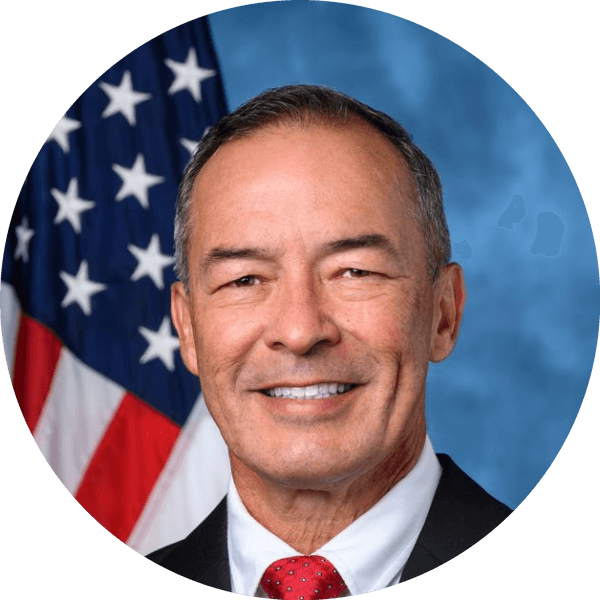
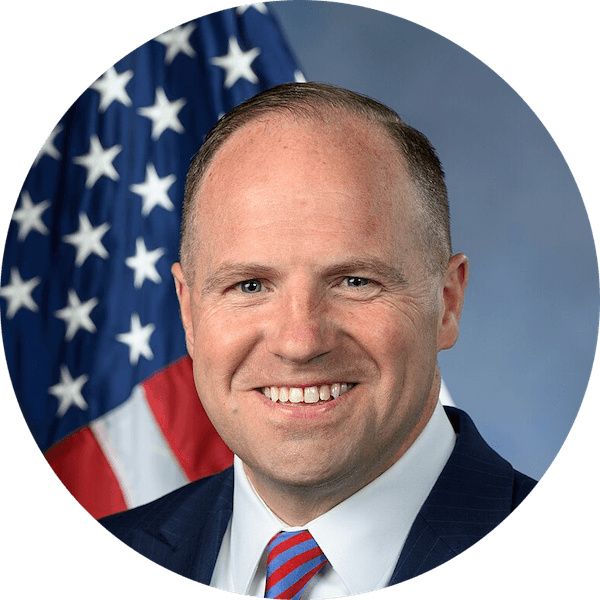
James Moylan
Republican · GU
Territory students shouldn't pay out-of-state tuition
4 min readLast updated June 6, 2026
Why it matters
Students from Guam, American Samoa, the Northern Mariana Islands, and the U.S. Virgin Islands are U.S. citizens or nationals, yet a public university on the mainland can still bill them at the out-of-state rate — often tens of thousands of dollars a year above what a local resident pays. H.R. 6472 would force any public college that takes federal student aid to charge them the in-state rate instead. The House passed it 351-72.
H.R. 6472, the Territorial Student Access to Higher Education Act, does one focused thing. Any public college or university that accepts federal aid under the Higher Education Act would have to charge eligible students from four U.S. territories the in-state tuition and fee rate.
To qualify, you have to be a resident of Guam, the Northern Mariana Islands, American Samoa, or the U.S. Virgin Islands, and a national of the United States. That last term matters: people born in American Samoa are U.S. nationals rather than citizens, and the bill is written to cover them alongside citizens from the other territories.
The bill doesn't create a new grant, scholarship, or federal check. It works through a condition instead. Colleges that participate in federal student aid programs sign an agreement promising to follow certain rules, and this bill adds in-state tuition for territory students to that list. Break the promise, and a school's federal aid eligibility is on the line.
There are real limits. It applies only to public institutions, not private colleges, so a student admitted to a private university wouldn't see any change. And it names only four territories. Puerto Rico isn't on the list, even though Puerto Rico's resident commissioner cosponsored the bill, likely because Puerto Rico has a far larger public university system of its own.
If it becomes law, states and public colleges would need to update how they classify residency so that territory students get billed correctly.
Bill Progress
IntroducedDec 4
Committee
Pass HouseMar 4
Pass Senate
Signed
Law
Latest Action · Mar 9, 2026
1/3
Passed the House, received in Senate
H.R. 6472 Bill Summary
What H.R. 6472 actually does.
1
In-state tuition becomes the ceiling for territory students
A public college that takes federal aid couldn't charge an eligible student from the four named territories more than it charges a state resident.
2
Four territories are named
The rule covers residents of Guam, the Northern Mariana Islands, American Samoa, and the U.S. Virgin Islands. Puerto Rico is not included.
3
Citizens and U.S. nationals both qualify
Eligibility uses the term national of the United States, which covers U.S. citizens and the non-citizen nationals born in American Samoa.
4
Only public colleges are bound
Private colleges and universities aren't required to change their tuition rates under this bill.
5
Enforced through the federal aid agreement
Following the rule becomes part of the agreement colleges sign to participate in federal student aid programs, tying compliance to a school's aid eligibility.
Who benefits from H.R. 6472?
Students from Guam
The bill's sponsor is Guam's delegate, James Moylan. Guam students heading to mainland public colleges would be billed at the in-state rate instead of the out-of-state premium.
Students from American Samoa
American Samoans are U.S. nationals by birth, and the bill is written to make sure that status still qualifies them for in-state tuition.
Students from the Northern Mariana Islands and the U.S. Virgin Islands
Both territories have limited public higher education at home, so a more affordable path to mainland public colleges opens up more degree options.
Families in the territories
Closing the out-of-state gap can mean thousands of dollars less in tuition per year — the difference between taking on heavy debt and being able to enroll at all.
Who is affected by H.R. 6472?
Public colleges and universities
They would need to update residency and tuition classification systems so eligible territory students are billed at in-state rates.
State higher education systems
States may take in less tuition revenue from students who previously paid out-of-state rates, and would need to coordinate the new classification rules.
Students from the four territories
To get the lower rate, students would have to document their residency and their status as a U.S. national or citizen.
Students from Puerto Rico
Puerto Rico isn't covered, so a student from there wouldn't gain the in-state guarantee even though a Puerto Rico cosponsor backed the bill.
On the Record
What Congress Is Saying
17 legislators have weighed in on H.R. 6472 — 7 Democrats, 10 Republicans.
Mr. Speaker, as chairman of the Committee on Homeland Security, I rise today in support of the rule providing for consideration of H.R. 7744. As America faces heightened threats on U.S. soil and abroad, DHS is in the midst of its second major shutdown in 6 months because of Democrats' political games. This lapse in appropriations means a disruption in our Nation's disaster preparedness, transportation security, and critical infrastructure resilience when we need it most. As a lifelong New Yorker, I find it outrageous that DHS continues to be undermined by Washington's dysfunction.
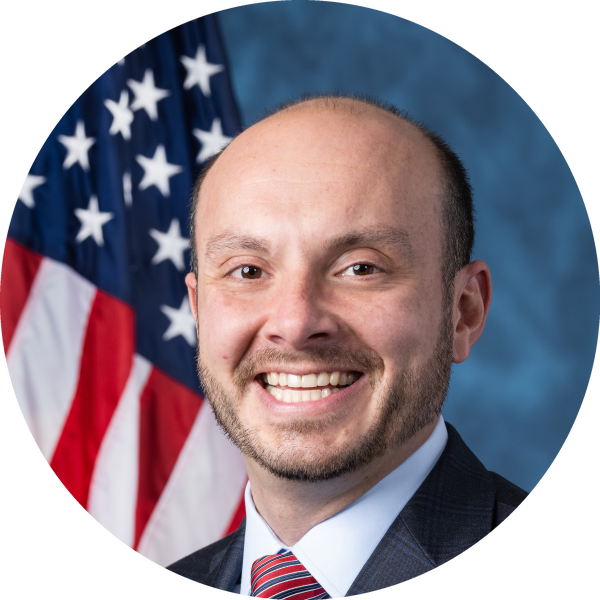
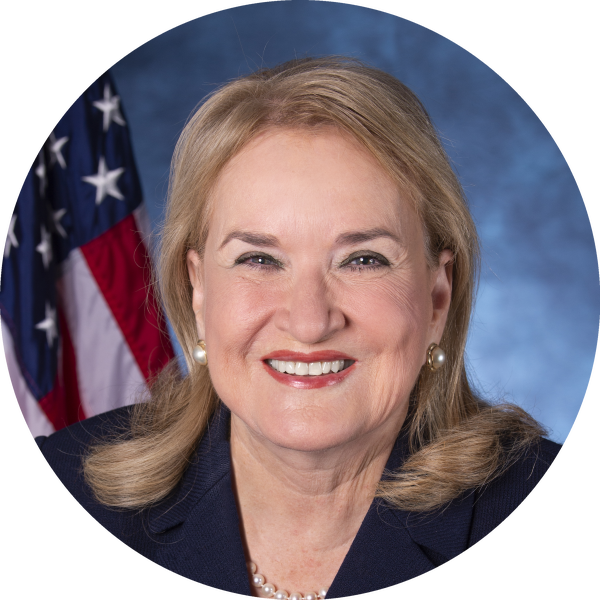
Mr. Speaker, I rise today in support of H.R. 6472, which would amend the Higher Education Act of 1965 to provide for in-State tuition rates for certain residents of Guam, the Commonwealth of Northern Mariana Islands, the American Samoa, and the United States Virgin Islands. I support this initiative in principle because we cannot ignore the needs of these States. However, we also should not ignore that States and public colleges set their own tuition rates based on State budgets and priorities.
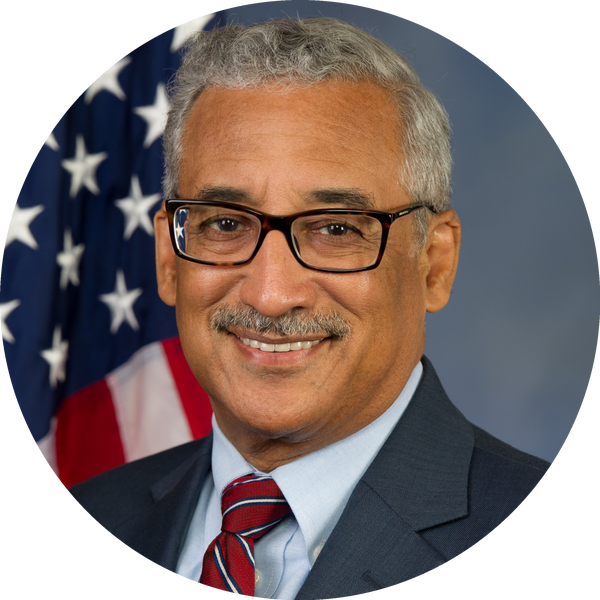
Mr. Speaker, I thank the ranking member for yielding time, and I rise in strong support of H.R. 6472, the Territorial Student Access to Higher Education Act. Mr. Speaker, since my first term in Congress, expanding access to higher education for students from the United States territories has been a priority. Today, I am proud that the House is considering meaningful, bipartisan legislation to address this issue. I want to point out that the United States small territories face unique geographic and economic challenges.
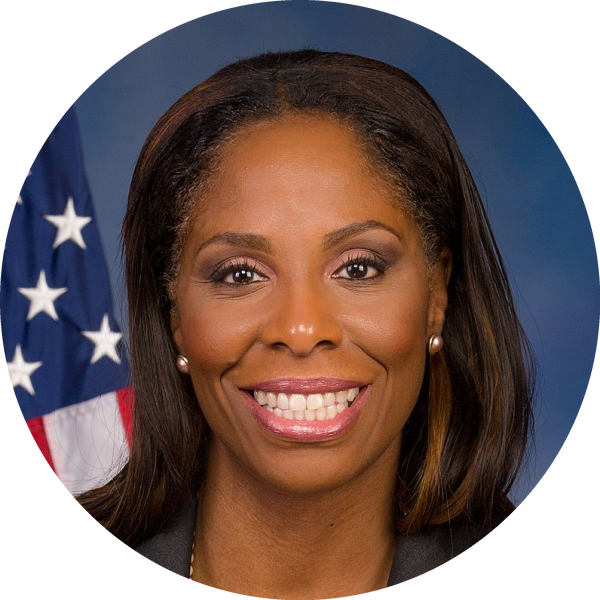
Mr. Speaker, I rise today in support of H.R. 6472, sponsored by Congressman James Moylan of Guam, which allows residents of U.S. territories to access in-State tuition rates at public universities across the U.S. I am proud to rise in support of H.R. 6472, which ensures students of the U.S. territories of Guam, the Commonwealth of the Northern Mariana Islands, American Samoa, and the U.S. Virgin Islands receive in-State tuition at public universities across the country. I am pleased that all of the Delegates from each U.S.
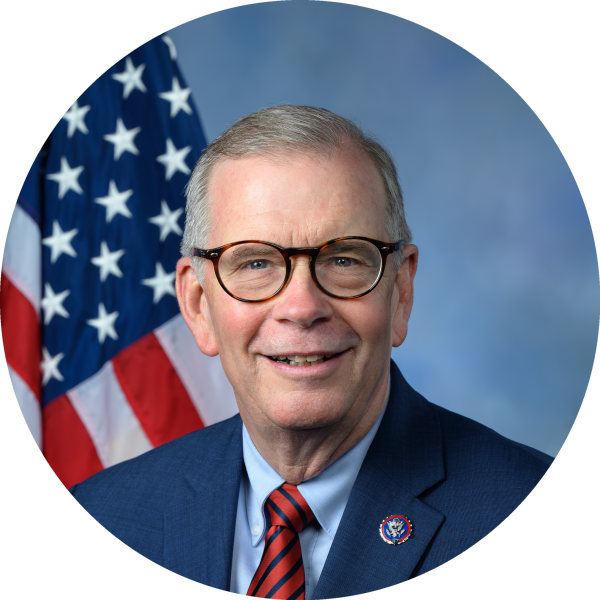
H.R. 6472 also appeared in 4 routine cosponsor filings.
HR6472 Legislative Journey
Committee Action
Mar 9, 2026
Received in the Senate and Read twice and referred to the Committee on Health, Education, Labor, and Pensions.
House: Vote: 351-72
Mar 4, 2026
On motion to suspend the rules and pass the bill, as amended Agreed to by the Yeas and Nays: (2/3 required): 351 - 72 (Roll no. 82).
House: Vote Held
Mar 3, 2026
At the conclusion of debate, the Yeas and Nays were demanded and ordered. Pursuant to the provisions of clause 8, rule XX, the Chair announced that further proceedings on the motion would be postponed.
House: Committee Action
Feb 11, 2026
Reported (Amended) by the Committee on Education and Workforce. H. Rept. 119-495.
House: Vote: 32-1
Dec 11, 2025
Ordered to be Reported (Amended) by the Yeas and Nays: 32 - 1.
House: Committee Action
Dec 4, 2025
Referred to the House Committee on Education and Workforce.
About the Sponsor
James Moylan
Republican, Guam · 3 years in Congress
Committees: Education and Workforce, Armed Services, Foreign Affairs
View full profile →
Cosponsors (5)
No new cosponsors in 252 days — momentum stalled
This bill has 5 cosponsors: 3 Democrats, 2 Republicans, reflecting bipartisan support. Cosponsors represent 1 state: California.
3Democrats2Republicans·1 stateBipartisan
Committee Sponsors
Health, Education, Labor, and Pensions Committee
10D12R1I
|0 signed23 not yet0 of 23 committee members cosponsored
No committee members have cosponsored this bill
Education and Workforce Committee
16D20R1I
|0 signed37 not yet0 of 37 committee members cosponsored
No committee members have cosponsored this bill
32 Republicans across these committees haven't cosponsored yet. Mobilize their constituents
What laws does H.R. 6472 change?
1 changes
Sections Amended
Section 101(a) of Immigration and Nationality Act (8 U.S.C. 1101(a))).''. (b) Program Participation Agreement.--Section 487(a) of the Higher Education Act of 1965 (20 U.S.C. 1094(a))
adding at the end the following: ``(30) The institution will comply with the requirements of section 135A, as applicable
H.R. 6472 Quick Facts
Cosponsors
5
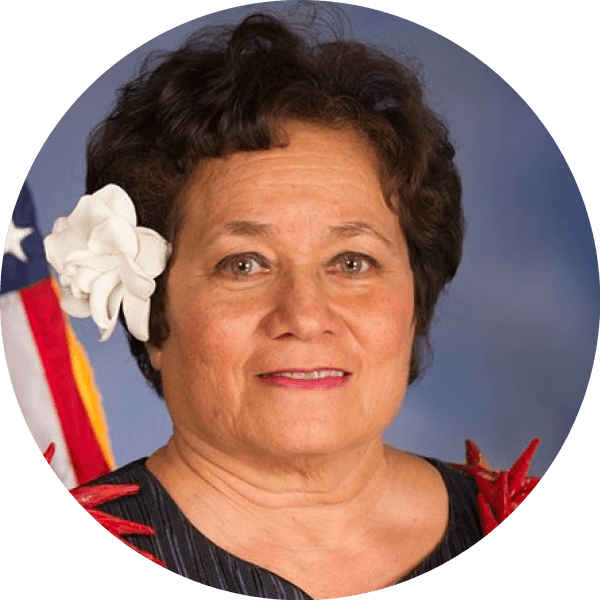
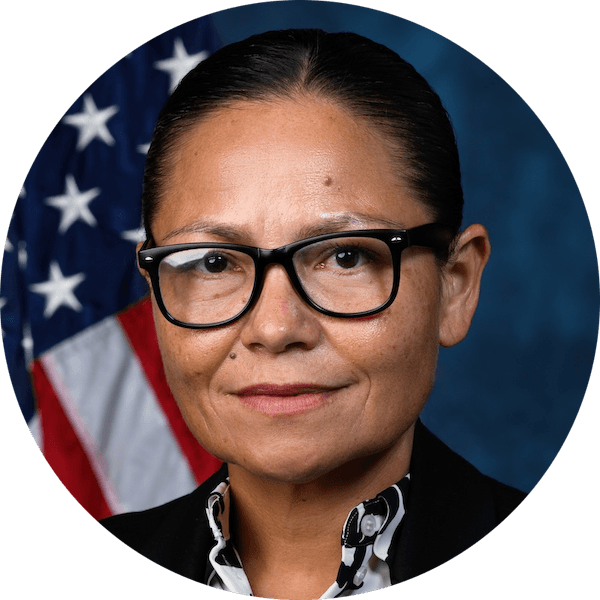


- Committee
- Health, Education, Labor, and Pensions
- Chamber
- House
- Policy
- Education
- Introduced
- Dec 4, 2025
Passed the House, received in Senate
Mar 9, 2026
Official Sources
H.R. 6472 on Congress.gov
The full text, status, and legislative history of the Territorial Student Access to Higher Education Act.
House Report 119-495
The Education and Workforce Committee's report explaining the bill, filed before the House passed it 351-72.
CBO Cost Estimate for H.R. 6472
The Congressional Budget Office's analysis of the bill's budgetary effects.
20 U.S.C. 1015d — In-State Tuition for Federal Service Members
The existing in-state tuition guarantee for armed forces members and families that this bill parallels for territory students.
20 U.S.C. 1094 — Program Participation Agreements
The federal student aid agreement colleges sign; the bill adds the in-state tuition rule to its list of requirements.
8 U.S.C. 1101 — Immigration and Nationality Act Definitions
Defines "national of the United States," the eligibility term the bill uses to cover U.S. nationals born in American Samoa.
H.R. 6472 Common Questions
Which U.S. territories get in-state tuition under H.R. 6472?
Residents of Guam, the Northern Mariana Islands, American Samoa, and the U.S. Virgin Islands. Public colleges that take federal aid would have to charge them the in-state rate.
Does H.R. 6472 include Puerto Rico?
No. The bill names only Guam, the Northern Mariana Islands, American Samoa, and the U.S. Virgin Islands. A student from Puerto Rico wouldn't gain the in-state guarantee, even though a Puerto Rico cosponsor backed the bill.
How much could territory students save on tuition?
It depends on the school, but the gap between out-of-state and in-state tuition at public universities often runs tens of thousands of dollars a year. The bill caps eligible students at the in-state rate, erasing that premium.
Does H.R. 6472 apply to private colleges?
No. Only public colleges and universities that receive federal aid under the Higher Education Act are required to charge the in-state rate. Private schools aren't covered.
Do you have to be a U.S. citizen to qualify under H.R. 6472?
Not exactly. You have to be a U.S. national, which the bill defines to include both citizens and the non-citizen nationals born in American Samoa, plus be a resident of one of the four covered territories.
Does H.R. 6472 create a new college grant or scholarship?
No. It doesn't send money to students or schools. It changes how covered public colleges set tuition, capping it at the in-state rate for eligible territory students.
How would colleges be made to comply with H.R. 6472?
Compliance is built into the agreement colleges sign to participate in federal student aid programs. A school that doesn't follow the rule puts its federal aid eligibility at risk.
Has H.R. 6472 passed?
The House passed it 351-72 in March 2026. It's now in the Senate's Health, Education, Labor, and Pensions Committee and would need a Senate vote and the President's signature to become law.
Based on H.R. 6472 bill text
H.R. 6472 Bill Text
“To amend the Higher Education Act of 1965 to provide for in-state tuition rates for certain residents of Guam, the Commonwealth of the Northern Mariana Islands, American Samoa, and the United States Virgin Islands, and for other purposes.”
Source: U.S. Government Publishing Office
Bill Alerts
Get notified when H.R. 6472 moves
Committee votes, floor action, cosponsor changes — straight to your inbox.
Bill alerts + Legisletter's monthly briefing. Unsubscribe anytime.
Education Bills
9 related bills we're tracking
H.R. 1810Surging+12
Safe Schools Improvement Act
Linda SánchezD-CA

+214
218 cosponsors
+12 this monthReferred to the House Committee on Education and Workforce.
Mar 3, 2025
HouseEducation
H.R. 2598
IDEA Full Funding Act
Jared HuffmanD-CA


+171
175 cosponsors
+4 this monthReferred to the House Committee on Education and Workforce.
Apr 2, 2025
HouseEducation
H.R. 5486
Tyler Clementi Higher Education Anti-Harassment Act of 2025
Mark PocanD-WI



+167
171 cosponsors
+1 this monthReferred to the House Committee on Education and Workforce.
Sep 18, 2025
HouseEducation
H.R. 2028
REDI Act

Brian BabinR-TX


+129
133 cosponsors
+3 this monthReferred to the House Committee on Education and Workforce.
Mar 11, 2025
HouseEducation
H.R. 433
Department of Education Protection Act

Jahana HayesD-CT



+128
132 cosponsors
Referred to the House Committee on Education and Workforce.
Jan 15, 2025
HouseEducation
H.R. 4253
Expanding Access to Mental Health Services in Schools Act of 2025

Rosa DeLauroD-CT
+125
129 cosponsors
Referred to the House Committee on Education and Workforce.
Jun 30, 2025
HouseEducation
H.R. 768
Holocaust Education and Antisemitism Lessons Act
Josh GottheimerD-NJ



+108
112 cosponsors
Referred to the House Committee on Education and Workforce.
Jan 28, 2025
HouseEducation
H.R. 2021
American Teacher Act

Frederica WilsonD-FL

+98
102 cosponsors
+1 this monthReferred to the House Committee on Education and Workforce.
Mar 10, 2025
HouseEducation
H.R. 7340
Rebuild America’s Schools Act of 2026

Robert ScottD-VA

+93
97 cosponsors
Referred to the Committee on Education and Workforce, and in addition to the Committee on Ways and Means, for a period to be subsequently determined by the Speaker, in each case for consideration of such provisions as fall within the jurisdiction of the committee concerned.
Feb 4, 2026
HouseEducation
Trending Right Now
Bills gaining momentum across Congress
H.R. 1502Surging+36
North Platte Canteen Congressional Gold Medal Act

Adrian SmithR-NE

+255
259 cosponsors
+36 this monthReferred to the House Committee on Financial Services.
Feb 21, 2025
HouseArmed Forces and National Security
H.R. 3569Surging+19
Fit to Serve Act
Adam SmithD-WA


+184
188 cosponsors
+19 this monthReferred to the House Committee on Armed Services.
May 21, 2025
HouseArmed Forces and National Security
H.R. 6130Surging+12
ASAP Act

Vern BuchananR-FL


+227
231 cosponsors
+12 this monthOrdered to be Reported in the Nature of a Substitute by the Yeas and Nays: 40 - 0.
Sep 16, 2026
HouseHealth
Tracking Education in Congress? Monitor bills, track cosponsor momentum, and launch advocacy campaigns — all from one advocacy platform.